
 By admin
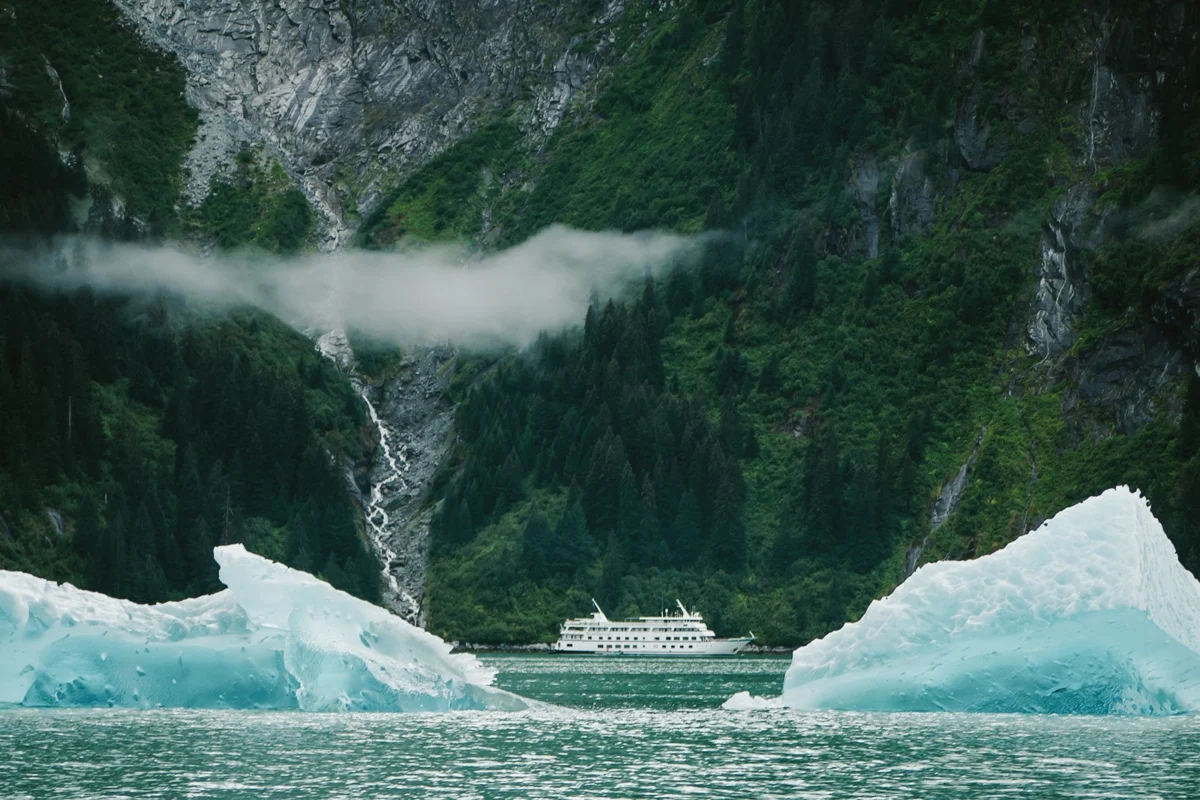
Situated within the rugged expanse of the Alaska Panhandle, Glacier Bay National Park and Preserve stands as a monumental testament to the raw power of nature and the shifting dynamics of the Earth’s climate. Spanning over 3.3 million acres of rugged mountains, dynamic glaciers, temperate rainforest, wild coastlines, and deep sheltered fjords, this UNESCO World Heritage site is more than just a destination; it is a living laboratory for scientists and a spiritual sanctuary for the indigenous Huna Tlingit people. As we look toward the 2027 travel season, the park remains a pinnacle of "bucket list" travel, offering a unique intersection of geological history and modern ecological conservation.
The history of Glacier Bay is a story of rapid transformation. In 1794, when Captain George Vancouver explored the region, Glacier Bay did not exist as a bay at all. Instead, it was a massive, five-mile-thick sheet of ice that extended all the way to the Icy Strait. However, by the time naturalist John Muir arrived in 1879, the ice had retreated an astounding 48 miles up the bay. Today, that retreat has continued for over 65 miles, revealing a lush, verdant landscape where once there was only frozen wasteland. This unprecedented rate of deglaciation has provided researchers with a rare opportunity to study primary succession—the process by which life returns to a landscape after a cataclysmic event.
From a geological perspective, the park is dominated by the Fairweather Range, the highest coastal mountains in the world, which act as a massive catchment for the moisture-rich air blowing off the Gulf of Alaska. This results in heavy snowfall that feeds the park’s many glaciers. While most glaciers worldwide are currently in retreat due to anthropogenic climate change, the glaciers within Glacier Bay exhibit a variety of behaviors. The Margerie Glacier, a tidewater glacier known for its dramatic "calving" events—where massive chunks of ice break off and crash into the sea—remains relatively stable. Conversely, the Grand Pacific Glacier has shown signs of thinning and receding. Understanding these nuances requires a deep dive into glaciology, where the balance between "accumulation" (snowfall) and "ablation" (melting and calving) determines the health of the ice.
The ecological diversity of Glacier Bay is equally profound. The park serves as a critical habitat for a wide array of marine and terrestrial wildlife. The nutrient-rich waters of the bay support a complex food web, beginning with massive blooms of phytoplankton that eventually sustain humpback whales, orcas, and Steller sea lions. Birdwatchers flock to the region to catch glimpses of tufted puffins, marbled murrelets, and bald eagles. On land, the transition from the "pioneer" species of the upper bay to the mature spruce and hemlock forests of the lower bay provides habitat for moose, wolves, and both black and brown bears. Expert naturalists often point to the Beardslee Islands as a prime location for observing sea otters, which have made a remarkable recovery in the region after being hunted to near extinction in the early 20th century.
For the modern traveler, navigating Glacier Bay requires careful planning, as the park is largely inaccessible by road. The vast majority of visitors—approximately 95%—experience the park via cruise ships. To preserve the serenity and ecological integrity of the bay, the National Park Service (NPS) strictly regulates vessel traffic. Only two large cruise ships are permitted to enter the bay each day. During these visits, NPS rangers board the ships to provide educational commentary, helping passengers identify wildlife and understand the complex geological forces at play. For those seeking a more intimate experience, day-boat tours from Gustavus or multi-day kayaking expeditions offer a closer look at the park’s rugged shoreline. Kayaking in Glacier Bay is often described as a transformative experience, where the only sounds are the rhythmic dip of the paddle and the distant "white thunder" of calving ice.
The cultural significance of Glacier Bay cannot be overstated. For the Huna Tlingit, this land is their ancestral home, or "Huna Káawu." Although the advancing glaciers of the Little Ice Age forced their ancestors to migrate, the spiritual connection to the land remained unbroken. In recent years, a collaborative effort between the NPS and the Hoonah Indian Association led to the construction of the Xunaa Shuká Hít (the Huna Tribal House) near the Bartlett Cove visitor area. This magnificent cedar structure serves as a venue for cultural workshops, tribal meetings, and as a bridge between the past and the present, ensuring that the Tlingit voice is central to the park’s narrative.

As we analyze the logistics of visiting such a remote destination, the financial aspect often becomes a primary concern for travelers. Leveraging credit card rewards and airline miles is a common strategy for offsetting the high costs associated with Alaskan travel. Major carriers like Alaska Airlines and Delta offer frequent service to Juneau, which serves as the primary gateway to the region. From Juneau, travelers must take a small "bush plane" or the Alaska Marine Highway ferry to reach Gustavus, the gateway town to Glacier Bay. Using a premium travel credit card can help earn significant points on these regional flights and local lodge stays. Furthermore, many high-end travel cards offer "trip delay" or "trip cancellation" insurance, which is vital in a region where weather conditions can change rapidly, frequently grounding flights or delaying boat departures.
The environmental challenges facing Glacier Bay are a microcosm of global climate issues. While the park is a protected sanctuary, it is not immune to the rising temperatures of the 21st century. Ocean acidification and warming sea temperatures pose long-term threats to the marine ecosystem, particularly to the krill and small fish that form the base of the food chain. Scientists are also monitoring the "tidewater glacier cycle," a phenomenon where glaciers undergo periods of slow advance followed by rapid retreat. As the ice thins, it becomes more susceptible to the warming influence of the seawater, creating a feedback loop that accelerates melting.
Tourism management in the park is a delicate balancing act. The NPS must weigh the educational benefits of public access against the need to minimize the "carbon footprint" of visitors. Innovations in maritime technology, such as the transition to hybrid or electric-powered tour vessels, are being explored to reduce acoustic pollution, which can interfere with the communication and hunting patterns of marine mammals. Expert perspectives suggest that "regenerative tourism"—travel that leaves a place better than it was found—will be the future of Glacier Bay, encouraging visitors to participate in citizen science projects and support local conservation initiatives.
In conclusion, Glacier Bay National Park and Preserve remains one of the world’s most significant natural treasures. It is a place where the forces of the earth are visible in every jagged peak and floating iceberg. Whether one is viewing the Margerie Glacier from the deck of a cruise ship, paddling through the silent mists of Muir Inlet, or learning about Tlingit history at the Tribal House, the experience is one of profound awe. As we move forward into an era of environmental uncertainty, the preservation of Glacier Bay stands as a vital commitment to protecting the wild places that define our planet. For the traveler, it offers not just a vacation, but a front-row seat to the unfolding story of our natural world, provided they navigate the journey with respect, preparation, and a keen eye on the sustainable practices that will keep the bay pristine for generations to come.
As you plan your journey to this Alaskan frontier, remember that the "best" time to visit is typically between late May and early September, when the days are longest and the wildlife is most active. During the "shoulder seasons" of May and September, visitors may find fewer crowds and lower prices, though weather can be more unpredictable. Regardless of when you go, the sheer scale of the landscape is guaranteed to provide a perspective that is increasingly rare in our modern, developed world. The ice may be retreating, but the spirit of Glacier Bay remains as resilient and commanding as ever, beckoning explorers to witness the grandeur of the Great Land.
To maximize the value of such a trip, savvy travelers should monitor airline partnerships and credit card transfer bonuses. For instance, transferring Chase Ultimate Rewards to partner airlines or utilizing the American Express Fine Hotels + Resorts program for stays in Juneau can add layers of luxury and value to an otherwise rugged expedition. The investment in visiting Glacier Bay is not just financial; it is an investment in understanding the delicate balance of our ecosystem. In the words of John Muir, "To the lover of pure wildness, Alaska is one of the most wonderful countries in the world." Nowhere is that more evident than in the icy heart of Glacier Bay.
