
 By admin
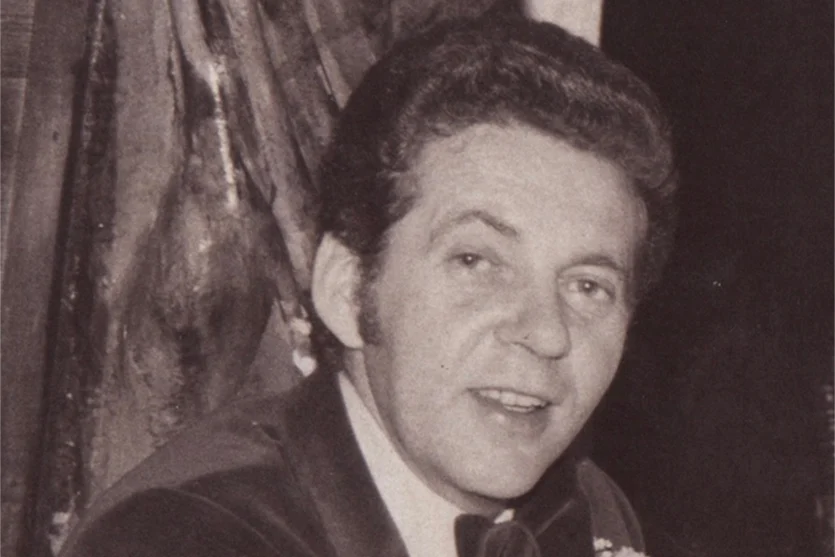
Earl Barret, a celebrated comedy writer whose sharp wit and keen understanding of human foibles graced television screens for over three decades, passed away peacefully at his home in Sherman Oaks, California, on October 22nd. He was 94 years old. Barret’s prolific career left an indelible mark on the landscape of American television comedy, contributing to a string of beloved shows and culminating in the creation of the enduringly popular sitcom "Too Close for Comfort."
Barret’s journey into the world of television writing officially began in 1961, a pivotal year sparked by his enrollment in Robert C. Dennis’s weekly, free television writing class. This formative experience proved to be a significant catalyst, forging a professional partnership with Dennis that would see them collaborate on numerous episodes for a variety of programs. This early mentorship laid the groundwork for a career that would span an impressive thirty years, during which Barret penned scripts for more than 30 distinct television shows. His impressive resume reads like a who’s who of classic television, including contributions to the surreal charm of "My Favorite Martian," the campy adventures of "Batman," the magical mishaps of "Bewitched," the wholesome humor of "The Andy Griffith Show," the sophisticated espionage of "I Spy," the comedic pairings of "The Partners," the resonant social commentary of "Sanford and Son," and the nostalgic classroom dynamics of "Welcome Back, Kotter."
However, it was his creation, "Too Close for Comfort," that truly cemented Barret’s legacy. Collaborating with his longtime writing partner, Arne Sultan, Barret not only conceived the premise of the show but also served as its executive producer and penned a significant portion of its scripts. His creative vision extended to the director’s chair as well, where he helmed 13 episodes of the series, demonstrating a comprehensive understanding of the comedic craft from conception to execution.
"Too Close for Comfort" premiered on ABC in 1980 and enjoyed a successful three-year run before transitioning to syndication, where it continued to entertain audiences from 1984 to 1987. Starring the inimitable Ted Knight as the curmudgeonly cartoonist Henry Rush, alongside Nancy Dussault as his supportive wife Muriel and Jim J. Bullock as the effervescent neighbor Monroe Ficus, the show explored the generational clashes and endearing misunderstandings within a family dynamic. The series’ central premise, "In liberal San Francisco, a conservative cartoonist tries to keep his two daughters, who rent an apartment below him, safe," provided fertile ground for Barret’s signature blend of observational humor and character-driven comedy. The show’s exploration of evolving social norms and familial relationships resonated with viewers, offering a relatable, albeit exaggerated, portrayal of everyday life. The success of "Too Close for Comfort" can be attributed to its clever writing, strong performances, and Barret’s ability to tap into universal themes of family, independence, and the often-humorous friction between different perspectives. The show’s enduring appeal speaks to Barret’s mastery of comedic storytelling.
Beyond his monumental contributions to television, Barret, in partnership with Sultan, extended his creative talents to other mediums. They penned a number of plays, showcasing their versatility in theatrical writing, and also contributed to the feature film "See No Evil, Hear No Evil," a 1989 comedy starring Richard Pryor and Gene Wilder, further demonstrating their ability to translate their comedic sensibilities to the big screen.
Before embarking on his illustrious writing career, Barret honed his skills as an actor, even holding a SAG (Screen Actors Guild) card. This early experience in performance undoubtedly informed his understanding of character development and comedic timing, allowing him to craft dialogue that actors could truly bring to life. He was an alumnus of Hollywood High School and Los Angeles City College, institutions that provided him with foundational education and likely early exposure to the vibrant arts scene of Los Angeles.
His daughter, J.K. Barret, fondly remembers her father as a "lifelong learner with a keen, curious mind and a gift for impeccable comic timing." She elaborated on his enduring passion, stating, "He spent nine decades cultivating his passion for the performing arts, music and entertainment that began with the tap dancing and violin lessons he took in childhood in Guangzhou, Ohio." This evocative description paints a picture of a man whose creative spirit was ignited early and burned brightly throughout his long and fulfilling life. His early exposure to performance arts in his youth, even in a less glamorous setting than Hollywood, undoubtedly sowed the seeds for his future success in entertaining millions. The mention of Guangzhou, Ohio, offers a glimpse into his Midwestern roots, a contrast that perhaps contributed to the unique perspective he brought to his California-centric narratives. This journey from a small Ohio town to the heart of the entertainment industry is a testament to his ambition and talent.
Barret’s extensive body of work stands as a testament to his dedication to the craft of comedy. In an era where television writing often involved collaborative efforts and the shaping of established shows, Barret’s ability to not only contribute but to create and lead such successful projects is remarkable. His understanding of character, pacing, and the subtle nuances of humor allowed him to craft stories that were both hilarious and, at times, surprisingly poignant. The impact of his work is evident in the continued popularity of the shows he touched and the fond memories audiences hold of the laughter they provided.
The television landscape of the 1960s, 70s, and 80s was a fertile ground for innovative comedy, and Barret was a significant contributor to this era. Shows like "My Favorite Martian" reflected the burgeoning interest in science fiction and its comedic potential, while "Batman" embraced a more campy, stylized approach to superhero narratives. "Bewitched" tapped into the fantasy genre with a relatable domestic twist, and "The Andy Griffith Show" epitomized the wholesome, small-town American sitcom. "I Spy" brought a sophisticated, witty edge to the spy genre, and "Sanford and Son" masterfully blended social commentary with broad physical comedy. Each of these shows, in its own way, benefited from Barret’s distinctive voice and his ability to craft memorable characters and situations.
The creation of "Too Close for Comfort" marked a significant evolution in Barret’s career. Moving from writer to creator and executive producer allowed him to shape the entire vision of a series. The show’s premise, while seemingly simple, allowed for a rich exploration of generational differences and the complexities of family relationships. Henry Rush, the conservative patriarch navigating the liberal world of San Francisco and the independent lives of his daughters, provided a constant source of comedic friction. The character’s exasperation with his daughters’ modern lifestyles and his attempts to "protect" them often led to hilarious misunderstandings and situations. The dynamic between Henry and his daughters, particularly the free-spirited Irene and the more pragmatic Linda, was a cornerstone of the show’s humor. Monroe Ficus, the flamboyant and often intrusive neighbor, served as a perfect foil to Henry’s grumpiness, adding another layer of comedic chaos. The writing for "Too Close for Comfort" often involved clever wordplay, observational humor, and a keen understanding of the absurdities of everyday life. Barret and Sultan’s ability to create such a long-lasting and beloved series speaks volumes about their collaborative synergy and individual talents. The show’s success in syndication further demonstrated its broad appeal and its ability to transcend its original network run.
Barret’s work on "See No Evil, Hear No Evil" showcased his ability to adapt his comedic talents to the feature film format. While the film itself received mixed reviews, it represented another facet of his creative output and his willingness to explore different storytelling avenues. The collaboration with Sultan on such projects underscores the strength of their partnership, which spanned decades and multiple creative endeavors.
The personal insights provided by J.K. Barret offer a valuable glimpse into the man behind the celebrated scripts. Her description of him as a "lifelong learner with a keen, curious mind" suggests an individual who was constantly observing, absorbing, and refining his craft. The mention of his early tap dancing and violin lessons in Guangzhou, Ohio, adds a charming and unexpected detail to his biography, highlighting the diverse influences that shaped his artistic sensibilities. This early engagement with the performing arts likely instilled in him a deep appreciation for rhythm, timing, and expression, all crucial elements of successful comedy writing. His nine decades of passion for the arts speak to an unwavering dedication and a profound love for his profession.
Earl Barret is survived by his wife, Barbara Barnett Barret, his daughter, J.K. Barret, his son, John Nelson, and five grandsons. He was preceded in death by his daughter, Lisa Nelson. His passing marks the end of an era for television comedy, but his legacy will undoubtedly continue to bring laughter to audiences for generations to come through the enduring humor of the shows he helped create and shape. His contributions to the art of making people laugh are immeasurable, and his absence will be deeply felt within the entertainment community and by the countless viewers who found joy in his comedic vision. The rich tapestry of his career, woven with wit, intelligence, and a profound understanding of the human condition, will continue to entertain and inspire.
