
 By admin

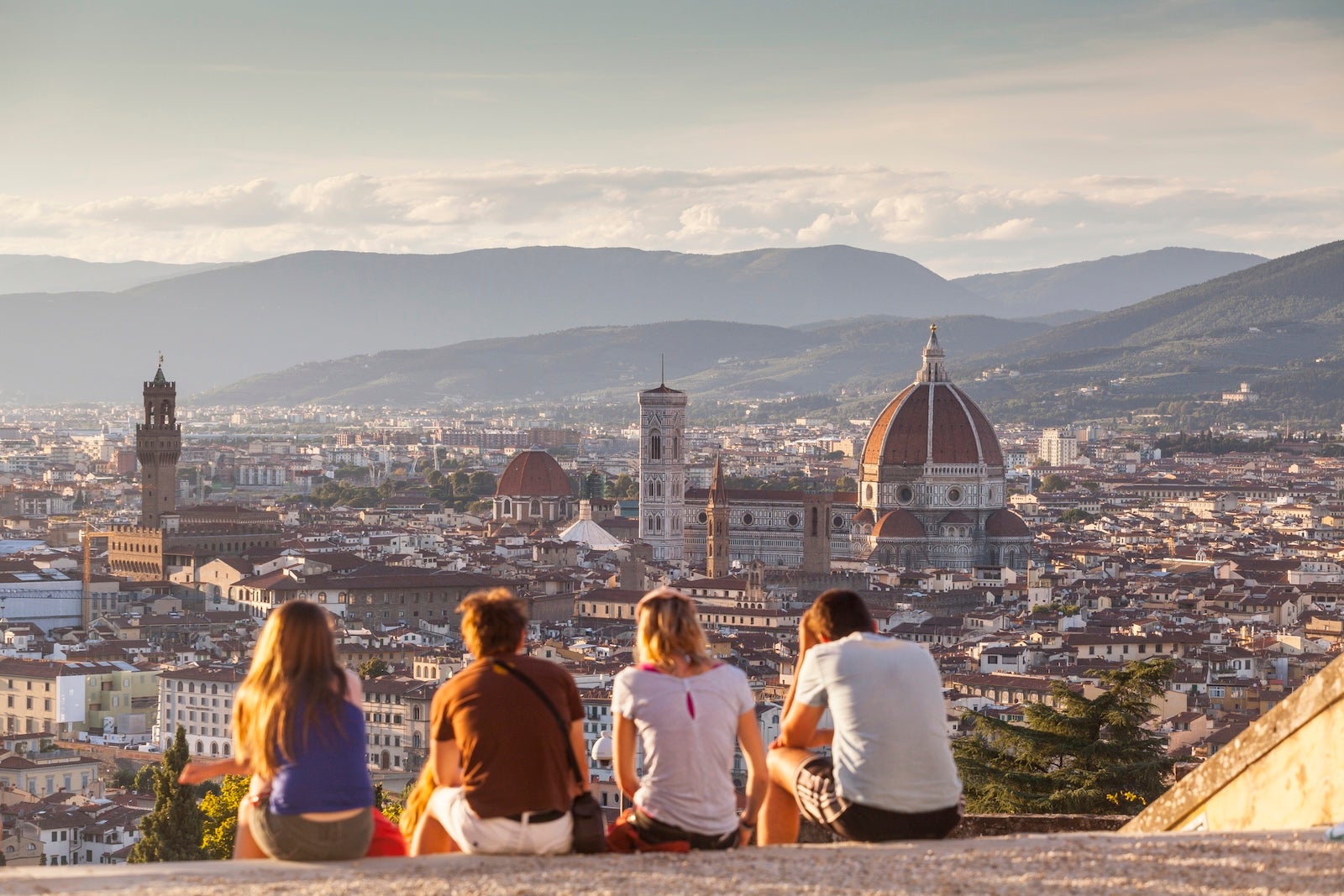
As the sun begins its descent over the Arno River, casting a burnished copper glow across the terracotta rooftops of Florence, the steps of San Miniato al Monte become a theater for one of the world’s most evocative displays of natural beauty. By late October 2026, the traditional tourist rush has begun to ebb, giving way to a more contemplative atmosphere that defines the Tuscan shoulder season. For the modern traveler, navigating this landscape requires more than just a sense of wonder; it demands a sophisticated understanding of travel logistics, reward optimization, and a deep appreciation for the cultural heritage that makes Florence an eternal destination. This period, characterized by crisp air and shorter lines at the Uffizi Gallery, represents the pinnacle of "value luxury," where strategic planning allows for high-end experiences at a fraction of the peak-summer cost.
The significance of San Miniato al Monte cannot be overstated for those seeking to understand the architectural soul of the city. While the neighboring Piazzale Michelangelo draws the vast majority of sunset-seeking crowds, those who ascend slightly higher to the Romanesque basilica of San Miniato are rewarded with a more serene and historically profound vantage point. Constructed between 1013 and 1150, the church stands as one of the finest examples of the Florentine Romanesque style, its green and white marble facade predating the more famous Duomo by centuries. For travelers visiting in late 2026, the site serves as a reminder of Florence’s resilience and its ability to balance the weight of history with the demands of 21st-century global tourism.
To achieve this level of immersion without depleting one’s financial reserves, the strategic use of travel rewards has become an essential tool in the traveler’s arsenal. In the current economic climate of 2026, where luxury hotel rates in major European hubs have seen a steady annual increase of 5% to 8%, the "points and miles" ecosystem offers a necessary hedge against inflation. For instance, the transition of Florence’s hospitality sector toward boutique, high-value experiences means that savvy consumers are increasingly looking toward transferable point currencies. Programs such as Chase Ultimate Rewards, American Express Membership Rewards, and Capital One Miles remain the gold standard, allowing travelers to transfer points to airline partners like Air France-KLM’s Flying Blue or hotel partners like World of Hyatt, often yielding a value of over 2.5 cents per point—a significant leap over standard cash redemptions.
Expert travel analysts suggest that the "sweet spot" for 2026 European travel lies in the intersection of premium cabin redemptions and luxury hotel stays booked via "The Hotel Collection" or "Fine Hotels + Resorts" programs. By booking a stay at a property like the St. Regis Florence or the Four Seasons Hotel Firenze through these portals, travelers often receive complimentary breakfast, a $100 property credit, and room upgrades, which are particularly valuable during the October shoulder season when occupancy levels allow for more generous inventory management. These perks, combined with the 5x points earned on such bookings via certain premium cards, create a virtuous cycle of rewards that can fund future excursions to the Tuscan countryside or the coastal retreats of the Maremma.
However, the experience of Florence is not merely defined by where one sleeps, but by the depth of cultural engagement. The Oltrarno district, located on the "other side" of the river, continues to be the heartbeat of Florentine craftsmanship. In 2026, a concerted effort by the local municipality to protect traditional bottegas (workshops) has led to a resurgence of interest in hand-tooled leather, marbled paper, and bespoke jewelry. Travelers are encouraged to spend their afternoons wandering the narrow streets of San Frediano and Santo Spirito, where the sound of hammers on metal and the scent of tanning hides provide a sensory link to the Renaissance. Supporting these local artisans is not just a cultural choice but a sustainable one, aligning with the broader European movement toward "slow tourism" that prioritizes quality and longevity over mass-produced souvenirs.
The culinary landscape of Florence in late October is equally transformative. This is the season of the tartufo bianco (white truffle) and the olio nuovo (new oil). As the olive harvest commences across the hills of Fiesole and Chianti, local trattorias begin to serve simple dishes designed to showcase the pungent, peppery profile of freshly pressed oil. From a financial perspective, using a credit card that offers a 3x or 4x multiplier on global dining is a seamless way to accumulate points while indulging in the city’s gastronomic offerings. Analysis of consumer spending in 2026 indicates that dining remains the highest category of discretionary spend for international tourists in Italy, making the choice of a "no foreign transaction fee" card with high dining rewards a critical component of any travel strategy.
Logistically, the integration of high-speed rail has made Florence a more accessible hub than ever before. The Italian rail networks, Trenitalia and Italo, have expanded their premium offerings, making the journey from Rome or Milan a seamless extension of the luxury experience. For those arriving from North America or Asia, the expansion of Amerigo Vespucci Airport (FLR) to accommodate a wider range of short-haul European connections has slightly alleviated the reliance on the larger Pisa (PSA) airport. Experts recommend monitoring "open-jaw" flight itineraries—arriving in one city and departing from another—as a way to maximize geographic coverage while minimizing backtracking, a tactic that is particularly effective when utilizing the "Multi-City" search tools of major airline alliances like Star Alliance or SkyTeam.
As we look toward the future of travel in Italy, the concept of "overtourism" remains a central theme in policy discussions. By late 2026, Florence has implemented more sophisticated crowd-management systems, including tiered entry pricing for major monuments and digital reservation systems that reward those who visit during off-peak hours. The ascent to San Miniato al Monte at sunset remains one of the few high-value experiences that remains largely accessible, though the city continues to encourage visitors to explore lesser-known sites, such as the Bardini Gardens or the Medici Villas on the outskirts of the city. This shift toward a more distributed tourism model is designed to preserve the integrity of the city’s historic center while ensuring that the economic benefits of tourism reach a broader segment of the population.
From an editorial perspective, it is vital to acknowledge that the landscape of travel rewards is constantly shifting. Devaluations in airline award charts and changes in hotel category ratings can occur with little notice. Therefore, the advice for the 2026 traveler is to "earn and burn"—to accumulate points with a specific goal in mind and to use them before their purchasing power is eroded. Whether it is a business-class seat across the Atlantic or a suite overlooking the Duomo, the goal is to leverage the available tools to enhance the human experience of travel. The view from San Miniato, with the silhouette of the Cathedral of Santa Maria del Fiore standing proud against the darkening sky, serves as the ultimate reminder of why we travel: to witness the intersection of human genius and natural splendor.
In conclusion, a journey to Florence in late October 2026 is an exercise in intentionality. It requires a balance of high-tech financial planning and low-tech atmospheric appreciation. By utilizing the right credit card products to earn points on every euro spent, and by choosing to visit during the golden window of the shoulder season, travelers can unlock a version of Florence that is both more affordable and more authentic. The steps of San Miniato al Monte will always be there, and the sun will always set over the Arno, but the ability to stand there, knowing that the journey was crafted with both passion and precision, is the true hallmark of the modern explorer. As the bells of the Campanile ring out across the valley, signaling the end of another day in the cradle of the Renaissance, the value of these experiences remains, quite literally, priceless.
