
 By Titik Puspa
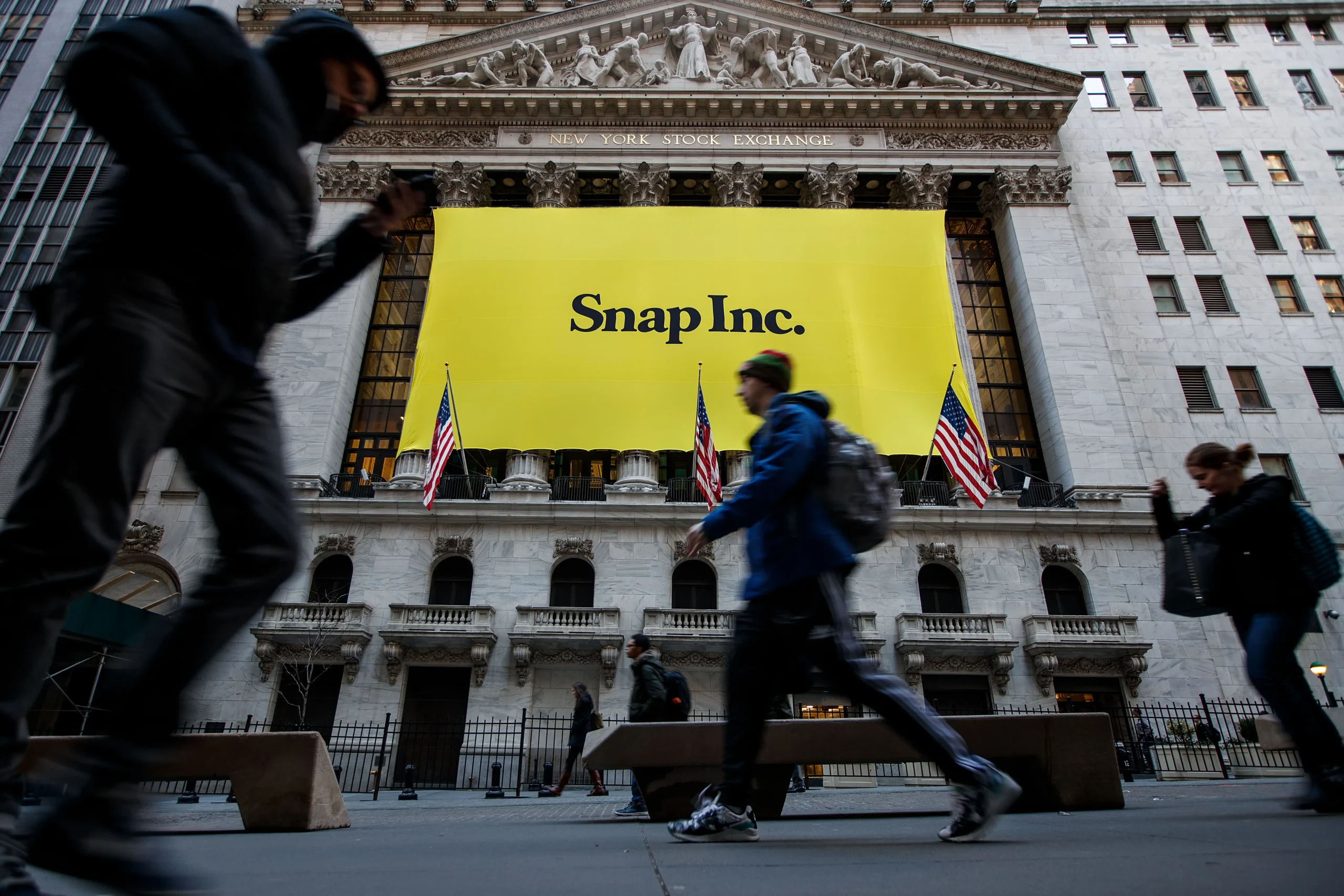
Snap Inc. has achieved a significant milestone, announcing on Wednesday that it has surpassed 30 million paid subscribers across its various premium offerings. This achievement, revealed in the company’s third-quarter 2026 earnings release, represents a substantial increase of 5 million subscribers since February, when Snap reported crossing the 25 million subscriber mark. The growth underscores a strategic pivot by Snap to diversify its revenue streams beyond its core advertising business, leveraging its engaged user base to generate direct income through subscription services.
Launched in June 2022, Snapchat+ initially offered users exclusive and pre-release features for a monthly fee of $3.99. This foundational subscription service has proven to be a key driver of Snap’s direct revenue, demonstrating a clear demand for premium experiences within the Snapchat ecosystem. Following the successful rollout of Snapchat+, Snap has strategically expanded its paid offerings to cater to a wider range of user preferences and unlock further revenue potential. These expanded tiers include Lens+, priced at $8.99 per month, which grants subscribers access to exclusive Lenses and augmented reality (AR) experiences, and Snapchat+ Platinum, a higher-tier option at $15.99 monthly, promising an ad-free experience.
The announcement of the 30 million subscriber milestone arrives approximately one year after Snap implemented a controversial change to its popular Memories feature. In September 2025, the company introduced a limit on free storage for Memories, informing users that additional storage or the retention of existing Memories would require a paid solution. This move necessitated users to either pay $1.99 per month for increased storage or subscribe to Snapchat+ to preserve their memories. While met with some user backlash, this decision appears to have contributed to the overall growth in paid subscriptions, indicating that users are willing to pay for features that enhance their experience and data security on the platform.
Snap CEO Evan Spiegel highlighted the success of these premium initiatives in a letter to investors. "We surpassed 30 million paid subscribers across Snapchat+, Memories Storage, and Lens+," Spiegel stated. He further elaborated on the impact of AI-powered features, noting, "Innovative AI-powered features have helped Lens+ exceed our expectations, demonstrating how new creative experiences can drive demand for our paid products." Spiegel also acknowledged the current scale of paid subscribers relative to the overall user base, stating, "Paid subscribers still represent a small share of our monthly community, giving us room to grow through broader adoption and new premium experiences." This sentiment suggests that Snap views its subscription services not as a replacement for its advertising business, but as a complementary growth engine with significant untapped potential.
Despite the positive news regarding subscriber growth, Snap’s broader financial performance in the third quarter of 2026 presented a mixed picture. The company’s shares experienced a notable decline of 12% following the earnings release, as Snap missed analyst expectations for both ad revenue and user growth. This divergence in performance highlights the ongoing challenges Snap faces in its core advertising market, even as its subscription segment shows robust expansion.
In terms of user engagement, Snap reported 495 million daily active users (DAUs) for the quarter. While this represents a slight increase from the 493 million DAUs reported in the previous quarter, it fell short of the 499 million anticipated by analysts. This shortfall in user growth, coupled with the missed ad revenue targets, has likely contributed to the stock’s downturn.
Addressing the user growth figures, Spiegel offered a nuanced perspective in his investor letter. "Daily engagement has historically been stable as a percentage of monthly engagement, but we do not intend to optimize Snapchat around daily use at the expense of long-term value for our community," he explained. He further emphasized the company’s strategic approach, stating, "A longer-term horizon better aligns our reported metrics with the product and safety decisions that strengthen relationships, create lasting utility, and support broader, more durable audience growth." This statement suggests that Snap is prioritizing sustainable growth and user well-being over short-term metrics that might compromise the platform’s integrity or long-term appeal.
Regarding the advertising revenue, Spiegel acknowledged that growth remains below the company’s target. However, he outlined Snap’s strategic priorities for this segment, indicating a commitment to "improving advertiser performance and expanding the ways businesses can reach its users." This suggests a focus on enhancing the effectiveness of advertising on the platform and developing new advertising formats and solutions to attract and retain advertisers. The company’s strategy appears to be a dual-pronged approach: cultivating a robust subscription revenue stream while simultaneously working to revitalize and strengthen its advertising business.
The success of Snapchat+ and its ancillary premium services can be attributed to several factors. Firstly, the platform’s core appeal to a younger demographic, who are often early adopters of new technologies and willing to experiment with paid digital services. Secondly, the introduction of genuinely valuable features, such as AI-powered tools and enhanced creative capabilities, differentiates the paid tiers and provides a tangible benefit for subscribers. The integration of paid features, like expanded Memories storage, also taps into user concerns about data preservation and personalization.
From an industry perspective, Snap’s move towards a subscription model is part of a broader trend among social media and digital platforms. Companies like Meta (Facebook and Instagram), X (formerly Twitter), and even TikTok have explored or implemented subscription services to diversify revenue and reduce reliance on advertising alone. This shift reflects a maturing digital advertising market, increased competition, and a growing recognition of the potential to monetize dedicated user bases directly.
The performance of Lens+ is particularly noteworthy, signaling a promising future for AR-driven premium experiences. As AR technology becomes more sophisticated and integrated into daily life, the demand for exclusive and advanced AR features within social platforms is likely to increase. Snap’s investment in AI and AR development for its paid tiers positions it to capitalize on this emerging market.
However, the continued reliance on advertising revenue presents ongoing challenges. The competitive landscape for digital advertising is intense, with major players like Google and Meta dominating a significant portion of the market. Snap’s ability to attract and retain advertisers will depend on its capacity to demonstrate clear ROI, offer innovative advertising solutions, and maintain a growing and engaged user base. The missed user growth estimates in Q3 2026, while modest, could raise concerns among advertisers about the platform’s reach and potential impact.
The strategic emphasis on "long-term value for our community" and "broader, more durable audience growth" suggests that Snap is committed to a user-centric approach. This philosophy, if executed effectively, can foster stronger user loyalty and engagement, which in turn can benefit both subscription and advertising revenue in the long run. Building a platform that users trust and value, even if it means slower daily engagement in favor of deeper, more meaningful interactions, could prove to be a more sustainable strategy than chasing ephemeral engagement metrics.
Looking ahead, Snap’s success will hinge on its ability to continue innovating within both its free and paid offerings. The company must strike a delicate balance between providing value to its free users, who form the bedrock of its audience, and incentivizing upgrades to its premium tiers. Continued investment in AI, AR, and new creative tools will be crucial for differentiating its paid services and attracting new subscribers. Simultaneously, a renewed focus on advertiser performance and the development of compelling advertising solutions will be essential for addressing the concerns raised by the recent earnings report. The company’s ability to navigate these dual challenges will determine its trajectory in the increasingly competitive social media landscape.
