
 By Titik Puspa
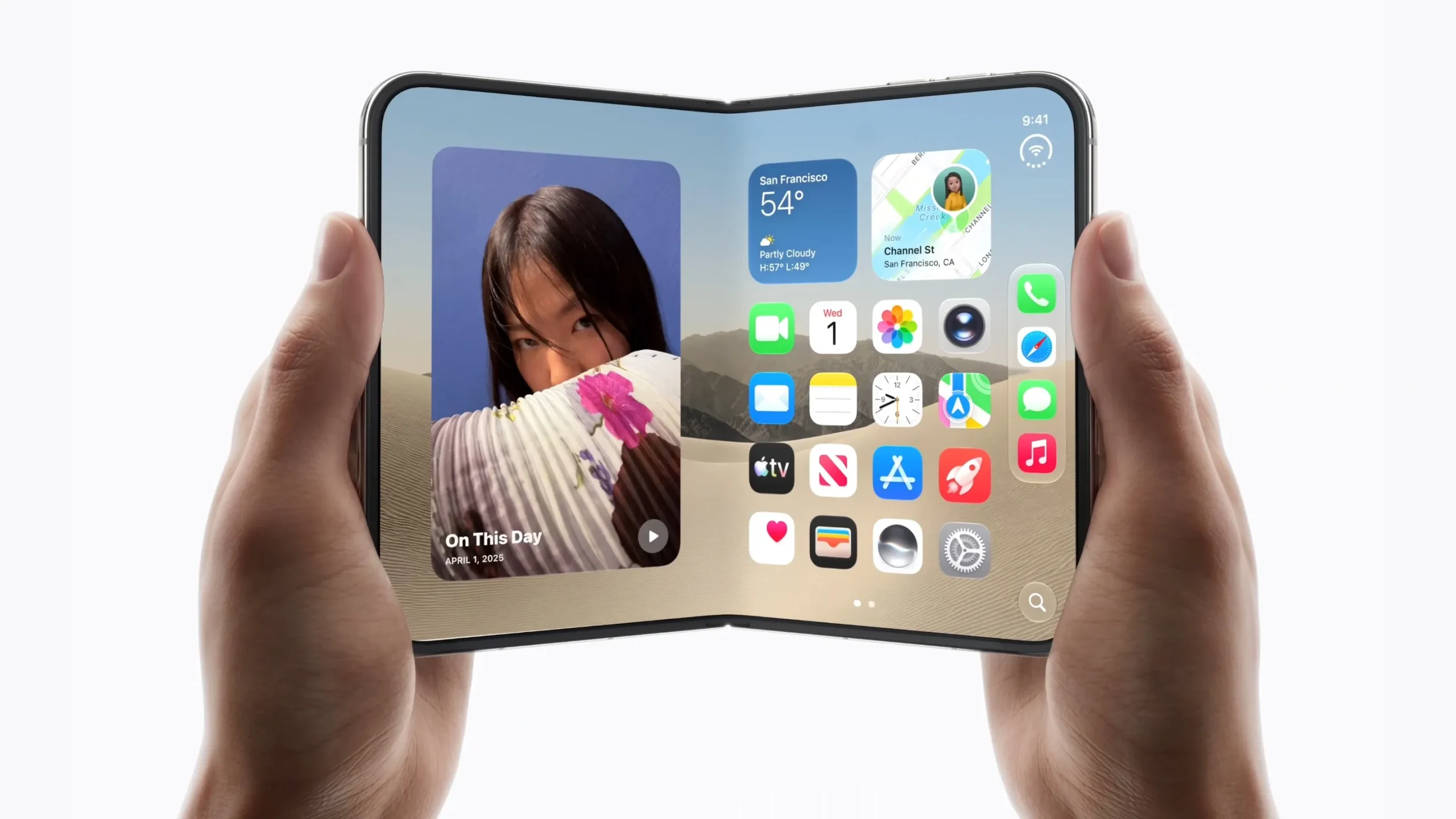
Apple’s highly anticipated iPhone Duo is currently facing significant shipping delays, a reality that Chief Operating Officer Sabih Khan openly acknowledged during the company’s fiscal fourth-quarter earnings call on Monday. While Khan confirmed the production ramp for the revolutionary foldable device is progressing well, he offered little concrete reassurance regarding when customers can expect to receive their orders, stating that "it’s really hard to predict when supply and demand will be in balance." This admission comes as a growing number of consumers who missed the initial pre-order window or immediate in-store purchases are now facing delivery estimates stretching well into the next year.
The iPhone Duo’s production constraints were not the sole point of concern during the earnings call, which was otherwise heavily laden with inquiries about the escalating costs of memory chips. This surge in component prices is largely attributed to the insatiable demand from the burgeoning artificial intelligence industry, a trend that is impacting hardware manufacturers across the technology spectrum. The AI boom, with its complex computational requirements, necessitates vast quantities of high-performance memory, creating a bottleneck in the global supply chain and driving up prices for essential components like NAND flash and DRAM.
Customers eager to embrace Apple’s latest foldable innovation are now experiencing firsthand the impact of these supply chain challenges. Those who did not manage to secure an order during the initial rush are observing their ship times extend into the new year, a stark contrast to Apple’s usual swift product fulfillment. This extended waiting period has prompted significant customer frustration, with reports of mobile carriers like Verizon publicly apologizing for their own preorder delays and offering compensatory measures such as gift cards to appease disgruntled customers. The apology from Verizon underscores the widespread nature of the supply chain issues affecting the iPhone Duo, extending beyond Apple’s direct sales channels.
The demand for the iPhone Duo has been described by Apple itself, in an October report from the Financial Times, as "nothing short of extraordinary." This sentiment is backed by the device’s rapid sell-out on Apple’s official website within mere hours of its public release. This unprecedented consumer enthusiasm, while a testament to Apple’s brand power and product innovation, has inevitably strained its production and logistics capabilities. The financial implications of this demand are substantial; a device that sold out so quickly suggests an initial allocation that was significantly underestimated relative to actual market appetite.
The prolonged shipping delays are particularly noteworthy given Apple’s historically lauded and highly efficient supply chain management. The company has built a global reputation for its meticulous planning and execution, ensuring that new product launches are typically met with ample stock. However, the current situation with the iPhone Duo highlights a confluence of factors that are testing even Apple’s renowned operational prowess. The company is by no means an isolated case in facing these supply pressures; the entire hardware manufacturing ecosystem is grappling with the fallout from the AI industry’s voracious appetite for memory chips. This increased demand has not only driven up the cost of these critical components but has also led to a general tightening of their availability.
This global shortage and price escalation of memory chips are not just impacting the iPhone Duo. Analysts predict that these increased component costs will likely translate into higher retail prices for a wide array of electronic devices in the near future. Apple, in response to these market realities, has already implemented price increases on several of its product lines. During the earnings call, Sabih Khan candidly admitted that these pricing decisions were made "reluctantly," signaling the difficult balance Apple must strike between maintaining profitability and offering competitive pricing to its loyal customer base. The company’s strategy of absorbing some of these cost increases historically, where possible, appears to be reaching its limit.
In a strategic move to bolster its capacity and meet the overwhelming demand for the iPhone Duo, Apple has announced that it is "deepening" its partnership with Perryman, a key supplier of titanium. Titanium is a crucial material for the construction of the new foldable device, valued for its strength, lightness, and premium aesthetic. This intensified collaboration with Perryman suggests a proactive effort by Apple to secure a stable and scaled supply of this essential raw material, a move that could alleviate future production bottlenecks. The focus on titanium underscores the premium nature of the iPhone Duo and the engineering challenges associated with creating a durable and sophisticated foldable form factor.
Apple CEO John Ternus, in his opening remarks during the earnings call, echoed the sentiment of enthusiasm for the iPhone Duo, stating, "We’ve been thrilled with the early response from reviewers and customers, and we are working hard to get iPhone Duo into customers’ hands as quickly as we can." This statement, while reassuring in its intent, does little to alleviate the immediate concerns of those still awaiting their devices. The acknowledgment from both the COO and the CEO highlights the company’s awareness of the situation and its commitment to resolving it, even if specific timelines remain elusive.
The current situation with the iPhone Duo serves as a compelling case study in the complex interplay of technological innovation, global supply chain dynamics, and burgeoning market trends. The AI industry’s insatiable demand for computing power, particularly memory, has created ripple effects throughout the technology sector, forcing even industry giants like Apple to confront unprecedented production and logistical challenges. The company’s response, including deepening partnerships with critical material suppliers and acknowledging price adjustments, indicates a multi-pronged approach to navigate this challenging landscape. While the exact timeline for alleviating the iPhone Duo’s shipping delays remains uncertain, Apple’s public acknowledgment and strategic adjustments signal a determined effort to meet the extraordinary demand for its latest flagship product. The company’s ability to navigate these supply chain complexities will be a key determinant of its success in capitalizing on the significant market interest generated by the iPhone Duo. Furthermore, the broader implications for the tech industry, particularly concerning the cost and availability of components driven by AI advancements, will continue to be a critical area of focus for investors and consumers alike. The reliance on specialized materials like titanium also points to the growing importance of securing diverse and resilient supply chains for next-generation electronic devices. The ongoing efforts to balance innovation with efficient production will undoubtedly shape the future of consumer electronics.
