
 By admin
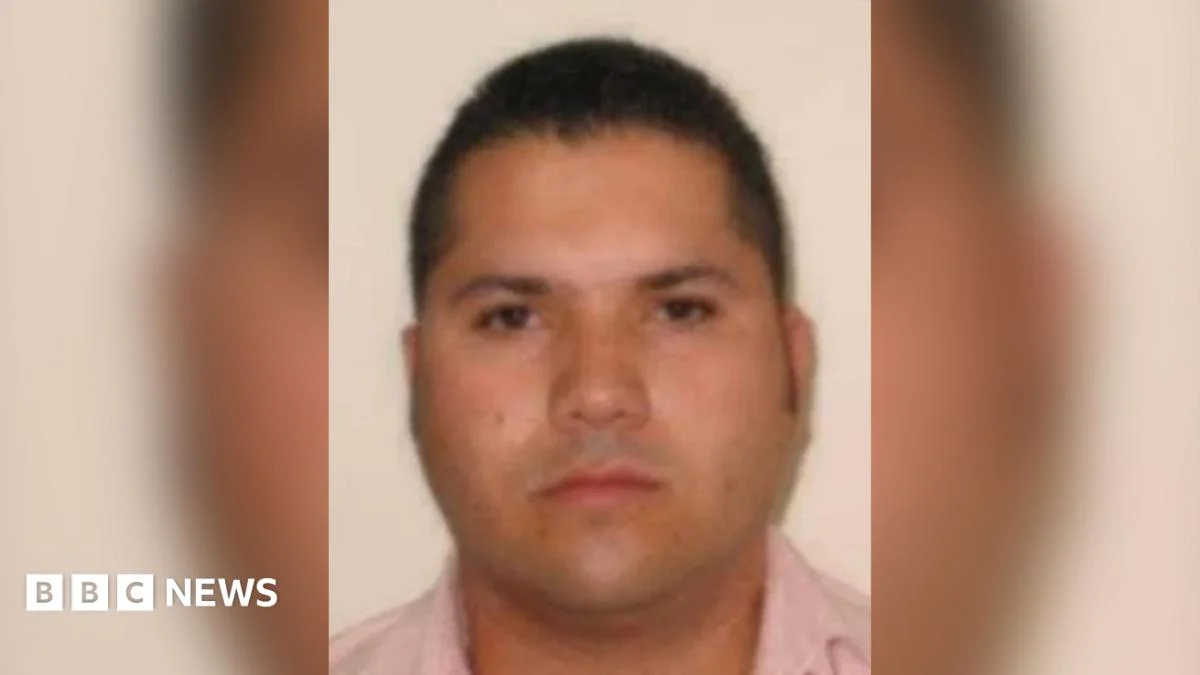
In a significant victory for law enforcement on both sides of the border, Fausto Isidro "Chapo Isidro" Meza Flores, a notorious Mexican drug lord once featured on the FBI’s Ten Most Wanted list, has been captured following a brutal exchange of gunfire with Mexican special forces in Guasave, Sinaloa. The operation, which underscores Mexico’s intensified efforts to combat organized crime, resulted in the arrest of Meza Flores and seven associates, but at a tragic cost, with seven suspects and four Mexican army soldiers losing their lives.
The dramatic events unfolded on Friday when elite Mexican special forces, acting on intelligence gleaned from U.S. counterparts, descended upon Meza Flores’s suspected location. The defense secretariat of Mexico detailed how the operation employed "stealth and surprise" tactics, with a perimeter quickly established to prevent any escape or the arrival of reinforcements for the cartel leader. However, as Mexican forces attempted to breach the compound, they were met with a hail of gunfire and explosive devices, initiating a fierce confrontation.
Videos that subsequently surfaced online painted a vivid, albeit chaotic, picture of the violence. Footage captured helicopters unleashing streams of bullets towards the ground in Guasave, while other clips depicted panicked civilians fleeing a baseball stadium amidst the cacophony of gunshots. This imagery serves as a stark reminder of the volatile nature of such operations in Mexico’s long-standing war against drug cartels.
Among those apprehended alongside Meza Flores were key figures within his organization. Notably, his second-in-command, who is also his cousin, and his brother-in-law, identified as the group’s financial operator, were among the eight individuals detained. This highlights the familial and deeply entrenched nature of leadership within many Mexican cartels. The defense secretariat confirmed that Meza Flores, his cousin, and his brother-in-law were swiftly transported to Mexico City to face prosecution, while the remaining five arrestees were held in Sinaloa.
The operation also yielded a significant haul of illicit materials. Authorities reported the seizure of multiple high-powered weapons, including a grenade launcher, alongside substantial quantities of drugs and cash. These seizures represent a direct blow to the financial and operational capacity of the Meza Flores Organization.
Fausto Isidro Meza Flores, the architect of the Meza Flores Organization, also known as the Guasave Cartel, has been a shadowy figure in the drug trafficking landscape for decades. While believed to have been active since the 1990s, his ability to maintain a relatively low profile allowed him to evade capture for an extended period. His eventual placement on the FBI’s most-wanted list in 2025, a testament to his escalating threat, detailed accusations of "heinous crimes" beyond drug trafficking, including kidnapping, extortion, and torture.
At the time of his inclusion on the FBI’s list, then-acting Director Brian Driscoll articulated the severe impact of Meza Flores’s activities, stating that he and his organization had unleashed a "scourge of illicit drugs" into the United States via its southern border. The U.S. Department of Justice has been actively seeking his extradition to face charges. Meza Flores was initially charged with drug trafficking in the U.S. in 2012, with subsequent charges filed in 2019. The 44-year-old is alleged to have conspired to manufacture and distribute vast quantities of cocaine, heroin, methamphetamine, and marijuana between 2005 and 2019.
The trajectory of Meza Flores’s criminal career is intricately linked to the broader power struggles within Mexico’s cartel ecosystem. He was originally a high-ranking member of the powerful Beltrán Leyva Organization. However, internal schisms and a brutal split between rival factions within that organization led to a significant surge in violence. This tumultuous period prompted Meza Flores to break away and establish his own cartel by 2013. His organization has since been embroiled in what U.S. officials have characterized as an "extremely violent turf war" with the Sinaloa Cartel, another of the most formidable drug trafficking gangs operating within the same volatile region.
The escalation of Meza Flores’s activities, particularly his alleged role in flooding the U.S. with fentanyl, a highly potent and deadly synthetic opioid, has been a major concern for American authorities. His addition to the FBI’s most-wanted list was reportedly spurred by Mexican authorities linking his cartel to the seizure of an astounding 20 million fentanyl pills in 2024. This single seizure underscores the scale of the fentanyl crisis and the critical role that organizations like Meza Flores’s play in its proliferation.
The arrest of "Chapo Isidro" arrives at a critical juncture in U.S.-Mexico relations concerning drug interdiction. Under President Claudia Sheinbaum, Mexico has adopted a more assertive stance against its powerful cartels, aiming to resist direct U.S. intervention on Mexican soil. While Mexico has expressed a willingness for closer collaboration and intelligence sharing, it has consistently pushed back against the deployment of U.S. law enforcement or military personnel within its borders. This delicate balance of cooperation and sovereignty has been a defining feature of the bilateral relationship, particularly since the return of Donald Trump to the White House, who made stemming the flow of drugs across the southern border a cornerstone of his political platform.
The capture of Meza Flores is not merely the arrest of an individual; it is a symbolic victory in the protracted and often brutal struggle against transnational organized crime. His organization, the Guasave Cartel, has been implicated in a wide range of illicit activities, contributing to the endemic violence and instability that plagues parts of Mexico. The FBI’s description of his alleged crimes, encompassing not only drug trafficking but also violent offenses like kidnapping and torture, paints a grim picture of his operational methods and the fear he instilled.
The FBI’s involvement in tracking and seeking the extradition of Meza Flores highlights the deep interconnectedness of drug trafficking operations and their devastating impact on communities in both Mexico and the United States. The agency’s accusation that he was responsible for "flooding the US with fentanyl, cocaine, heroin and other deadly drugs" underscores the life-and-death stakes of this ongoing battle. Fentanyl, in particular, has become a national crisis in the United States, with overdose deaths reaching epidemic proportions. The ability of cartels like Meza Flores’s to produce and distribute these substances on a massive scale poses a persistent and evolving threat.
The complex web of alliances and rivalries within the Mexican cartel landscape also played a role in Meza Flores’s eventual downfall. His origins within the Beltrán Leyva Organization and his subsequent establishment of his own cartel illustrate the fluid and often violent nature of cartel leadership. The intense competition with powerful entities like the Sinaloa Cartel meant constant conflict and a perpetual need for ruthlessness to maintain territory and market share.
The strategic use of U.S. intelligence in pinpointing Meza Flores’s whereabouts demonstrates the crucial role that international cooperation plays in dismantling these sophisticated criminal networks. The reliance on intelligence gathering and sharing between agencies is paramount, especially when dealing with elusive figures who operate across vast territories and employ advanced counter-surveillance measures. The success of the operation in Guasave serves as a testament to the effectiveness of such collaborative efforts.
The human cost of this operation is a somber reminder of the dangers faced by those on the front lines of combating drug cartels. The loss of four Mexican army soldiers is a profound tragedy, highlighting the sacrifices made by those sworn to protect their communities. The seven cartel suspects killed in the engagement also represent the violent nature of the confrontation and the commitment of these organizations to defend their operations, even at the cost of their own lives.
The arrest of Meza Flores and his key lieutenants is expected to have a ripple effect within the drug trafficking underworld. While it represents a significant blow to the Meza Flores Organization, the inherent adaptability of these criminal enterprises means that the void left by his capture may eventually be filled by others. The ongoing challenge for law enforcement will be to disrupt the underlying structures and supply chains that allow these organizations to thrive, rather than solely focusing on the apprehension of individual leaders.
The political implications of this arrest are also noteworthy. President Sheinbaum’s administration has been under considerable pressure from the U.S. to demonstrate progress in combating drug trafficking. This high-profile capture can be viewed as a significant achievement, bolstering Mexico’s efforts to assert its sovereignty while simultaneously addressing a critical security concern for its northern neighbor. The emphasis on Mexican-led operations, supported by U.S. intelligence, aligns with Mexico’s desire for a partnership that respects its national interests.
In conclusion, the apprehension of Fausto Isidro "Chapo Isidro" Meza Flores marks a significant development in the ongoing war against drug cartels. The violent operation, the strategic intelligence employed, and the tragic loss of life underscore the immense challenges and complexities of this global fight. While this arrest is a victory, it is also a reminder that the battle against transnational organized crime is a continuous and evolving endeavor, requiring sustained international cooperation, robust law enforcement efforts, and a deep understanding of the multifaceted factors that fuel these illicit enterprises. The future will reveal the long-term impact of this capture on the Mexican drug trade and the ongoing efforts to curb the flow of deadly narcotics into the United States.
