
 By Isnaini Azizah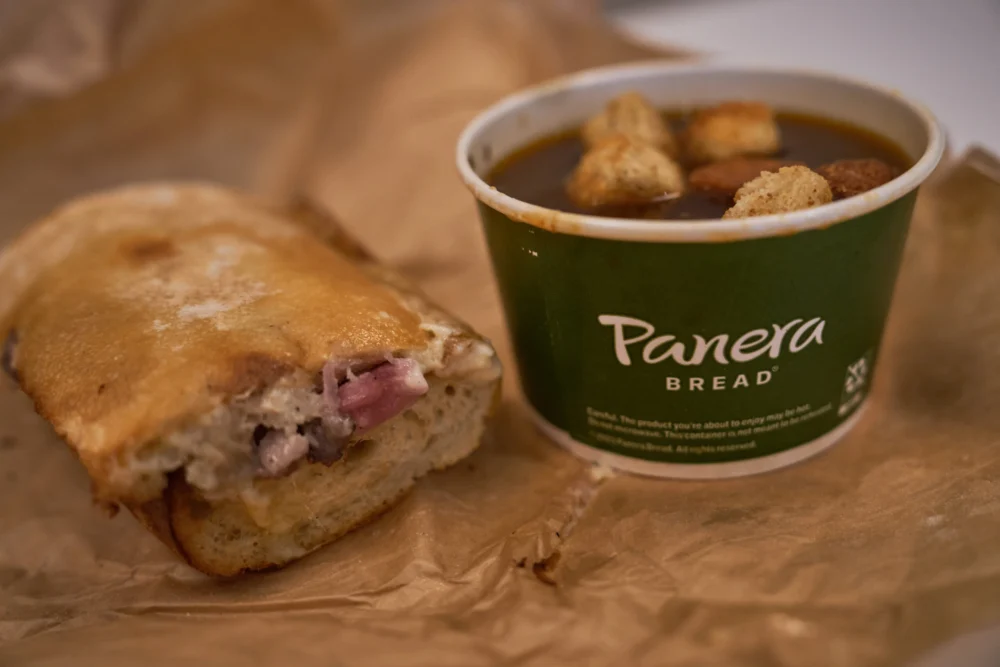
In an era defined by fluctuating consumer sentiment and a hyper-competitive dining landscape, Panera Bread is formally entering the "value wars" with the launch of its new "Mix & Match" menu. This strategic pivot comes at a critical juncture for the St. Louis-founded bakery-café chain, which has spent the last several years grappling with shifting market dynamics, increased competition from specialized fast-casual rivals, and a notable decline in foot traffic. The introduction of the Mix & Match deal represents more than just a promotional offer; it is a calculated attempt to reposition the brand as an accessible option for price-conscious diners who have increasingly traded down to lower-cost fast-food alternatives or opted to eat at home.
For decades, Panera Bread enjoyed a comfortable position as the undisputed leader of the fast-casual segment, a category it helped pioneer by offering a middle ground between the speed of traditional fast food and the quality of casual dining. However, recent data suggests that this dominance has eroded. Once the top-performing fast-casual brand in the United States, Panera has recently slipped to the third position, ceding its crown to Chipotle Mexican Grill and Panda Express. According to recent estimates from industry tracker Technomic, Panera’s sales saw a concerning 5% dip in 2024, falling to approximately $6.1 billion. This decline serves as a stark wake-up call for the company’s leadership, signaling that the brand’s traditional value proposition—wholesome ingredients at a premium price point—may no longer be enough to sustain growth in a post-inflationary economy.
The new Mix & Match menu, which officially rolls out this Wednesday, is designed to address this vulnerability head-on. Under the new pricing structure, customers can select from a curated list of ten popular items, including halved portions of signature sandwiches and salads, as well as cups of soup. Each item is priced at a flat rate of $4.99, with the caveat that diners must purchase at least two items to unlock the deal. This creates a customizable meal for just under $10, a psychological threshold that has become the frontline of the current restaurant industry battle. To further enhance the value, each order includes a complimentary choice of a French baguette, a bag of chips, or a whole apple, maintaining Panera’s signature side-dish tradition.
Panera’s CEO, Paul Carbone, emphasized that the decision to launch this specific platform was the result of rigorous market testing and a deep dive into consumer psychology. Speaking with CNBC, Carbone noted that the modern diner is no longer just looking for the lowest price; they are looking for a intersection of affordability and quality. "The guest has really, really reacted well to it," Carbone stated, noting that preliminary tests showed the Mix & Match menu successfully drove incremental visits—meaning it brought in customers who might have otherwise chosen a cheaper competitor or skipped the meal entirely.
This strategic shift occurs against the backdrop of a broader industry-wide trend. The "value wars" have intensified throughout 2024 and into 2025 as major players like McDonald’s, Taco Bell, and Burger King have aggressively marketed $5 meal deals and digital-exclusive discounts. Even casual dining chains like Chili’s have entered the fray with "3 for Me" bundles, directly poaching customers from the fast-casual space. The National Restaurant Association’s annual State of the Restaurant Industry report highlights the urgency of this trend, revealing that approximately 75% of diners cite daily specials, discounts, or value promotions as a primary factor when choosing where to eat. For Panera, which has historically been perceived as a more expensive "lifestyle" brand, bridging the gap between its premium image and the consumer’s budget is essential for survival.
To understand Panera’s current predicament, one must look at the broader evolution of the fast-casual sector. For years, Panera relied on its "Clean Food" initiative and its reputation as a "third place"—a comfortable environment for remote work and social gatherings. However, the rise of Chipotle’s highly efficient digital make-lines and Panda Express’s strong value-per-ounce ratio has squeezed Panera from both ends. While Panera’s menu is famously broad—spanning breakfast, lunch, dinner, and bakery items—this complexity has sometimes led to slower service times and higher operational costs compared to the streamlined, assembly-line models of its top competitors.
In response, Panera began a massive "transformation" initiative earlier in the year, which included the largest menu overhaul in the company’s history. This restructuring involved streamlining the menu to focus on core categories like soups, salads, and sandwiches, while cutting underperforming items to improve kitchen efficiency. The Mix & Match menu is the next logical step in this evolution. By narrowing the value offering to 10 specific items, the company can maintain better control over food costs and labor, ensuring that the lower price point does not cannibalize profit margins.
A notable aspect of this new strategy is the retention of Panera’s iconic "You Pick Two" offering. For years, "You Pick Two" has been the brand’s most recognizable menu feature, allowing customers to pair two half-portions from nearly the entire menu. Carbone clarified that while "You Pick Two" and "Mix & Match" may appear similar on the surface, they serve two distinct consumer needs. Internal research conducted by Panera revealed that customers view "You Pick Two" primarily as an opportunity for variety and customization, rather than a cost-saving measure. Because "You Pick Two" encompasses the full breadth of the menu, including premium proteins and seasonal specialties, it remains a higher-margin product. In contrast, the "Mix & Match" menu is a targeted "budget" tier, restricted to 10 items to ensure the $4.99 price point remains sustainable.
This tiered approach allows Panera to protect its brand equity while still appealing to the "value-seeker" demographic. It also creates a "ladder" for customers: a price-conscious student might opt for the Mix & Match deal on a Tuesday, while a professional looking for a more robust meal might choose the full-menu You Pick Two on a Friday. This strategy is also reflected in the inclusion of rotating seasonal items within the Mix & Match selection, ensuring that the value menu does not become stagnant and continues to encourage repeat visits.
However, the road to a full turnaround is fraught with challenges. The restaurant industry is currently facing a "triple threat" of rising labor costs, volatile commodity prices, and a consumer base that is increasingly sensitive to "menu creep"—the gradual increase in prices over time. While Panera is owned by JAB Holding Company, a private conglomerate, the pressure to deliver results is high, especially amid persistent rumors of a potential return to the public markets via an IPO. To succeed, Panera must prove to investors that it can grow its transaction counts, not just its average check size.
The success of the Mix & Match menu will likely depend on Panera’s ability to leverage its digital ecosystem. The company has long been a leader in restaurant technology, with its "MyPanera" loyalty program boasting tens of millions of members. By integrating these new value offerings with its "Unlimited Sip Club"—a subscription service that offers unlimited drinks for a monthly fee—Panera creates a powerful incentive for daily habit formation. A customer who comes in for their "free" subscription coffee is now significantly more likely to add a $4.99 sandwich or soup, effectively increasing the "attach rate" of its most loyal customers.
As the 2024 fiscal year concludes, the results of this gamble will be closely watched by analysts and competitors alike. If Panera can successfully use the Mix & Match menu to reverse its 5% sales decline and regain its footing against Chipotle and Panda Express, it will provide a blueprint for other premium fast-casual brands struggling to maintain relevance in a price-sensitive market. For now, the message from Panera’s headquarters is clear: the brand is returning to its roots of providing high-quality, wholesome food, but it is doing so with a newfound respect for the customer’s wallet. In the high-stakes environment of American dining, Panera Bread is betting that $4.99 is the magic number that will lead them back to the top of the leaderboard.
