
 By Lina Irawan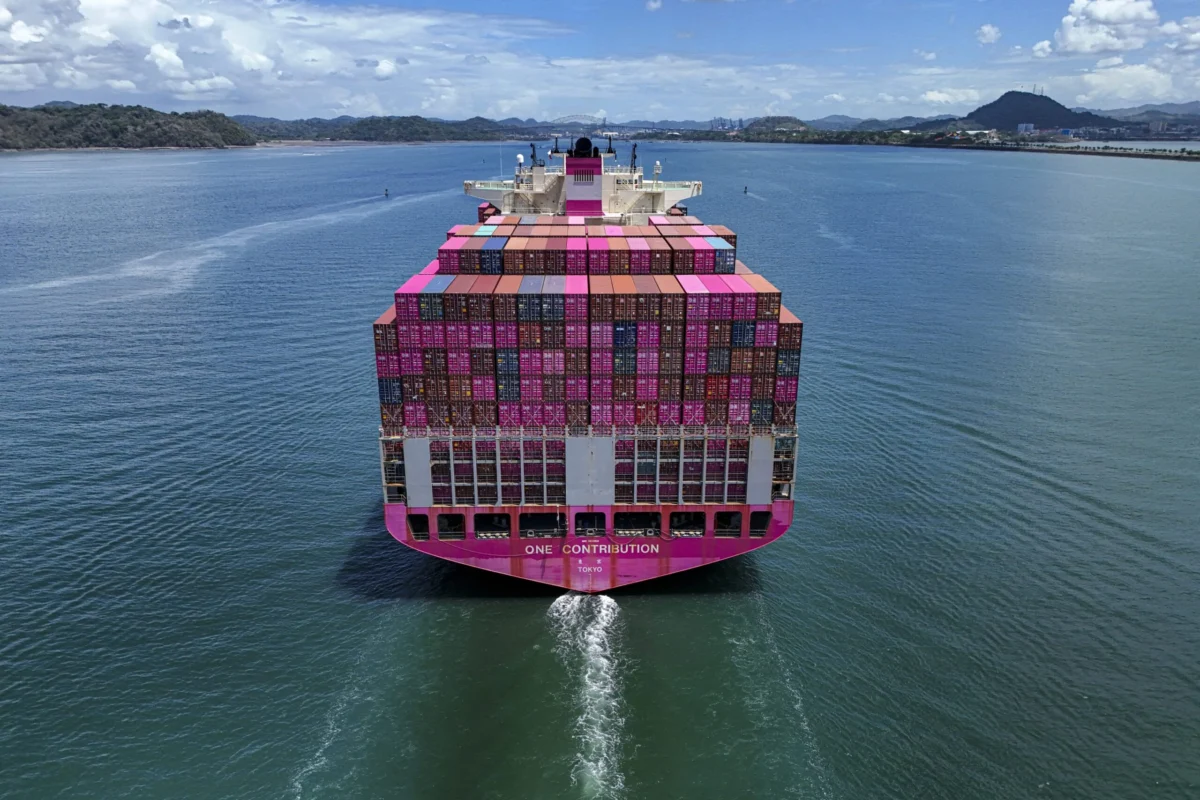
The "effective closure" of the Strait of Hormuz is not a physical blockade but rather a strategic avoidance driven by an unacceptably high-risk environment. The narrow chokepoint, vital for global energy transit, has become a hotbed of geopolitical tension between Iran and its adversaries, primarily the United States and its allies. Recent weeks have seen a dramatic escalation, characterized by a heightened risk of drone attacks, missile threats, and naval incidents, compelling commercial shipping lines to seek alternative routes. The Strait of Hormuz is globally recognized as the most critical oil chokepoint, through which an estimated 20% to 30% of the world’s total petroleum consumption, and a significant volume of liquefied natural gas (LNG), passes daily. Its strategic importance connects Middle Eastern oil producers to key markets in Asia, Europe, and the Americas. The historical context, including the "Tanker War" of the 1980s and more recent incidents such as the 2019 attacks on tankers and Iranian seizures of vessels, vividly illustrates the persistent vulnerability of this waterway. The perceived threat is now so severe that the costs of rerouting, even at exorbitant rates, are deemed preferable to the potential catastrophic losses of vessels, cargo, or human lives.
In this high-stakes environment, the Panama Canal has emerged as a perceived sanctuary. As Rodrigo Noriega, a lawyer and analyst in Panama City, stated, "With all the bombings, the missiles, the drones… companies are saying it’s safer and less expensive to cross through the Panama Canal." This statement, while seemingly paradoxical given the multi-million dollar premiums, highlights a grim reality: the cost of avoiding a war zone, even if substantial, is ultimately less than the cost of losing a ship, facing severe delays, or navigating through heavily militarized waters. This calculus is profoundly affecting global supply chains, forcing companies to absorb unprecedented shipping expenses to ensure the timely delivery of goods.
Passage through the Panama Canal typically operates on a reservation system with a flat rate. However, for companies without pre-booked slots, the Panama Canal Authority (ACP) offers an auction mechanism, allowing them to bid for available transit windows. This system, designed to manage demand and optimize canal usage, has seen its prices skyrocket in recent weeks. The alternative for companies without reservations is often a wait of several days or even weeks off the coast of Panama City, incurring significant demurrage costs, impacting delivery schedules, and potentially leading to contract breaches. The bidding process is therefore driven by the urgency of the cargo, its value, the potential financial penalties of delays, and the comparative costs of even longer alternative routes, such as circumnavigating the Cape of Good Hope. This surge in demand for expedited transits now coincides with the canal’s recovery from several years of debilitating drought, which had previously restricted daily transits and draft limits. With improved water levels, the canal is better positioned to handle increased traffic, albeit at a premium.
The financial implications of this shift are staggering. While the average price to cross through the canal ranges between $300,000 and $400,000 depending on the vessel’s size and cargo, the costs for expedited passage have ballooned. Previously, to secure an earlier crossing, businesses would pay an additional $250,000 to $300,000. In recent weeks, however, the average additional cost for an auction slot has jumped to around $425,000. This means a single expedited transit can now cost upwards of $825,000, a figure that pales in comparison to the extreme cases where companies have paid as much as $4 million for a single last-minute slot. Ricaurte Vásquez, the canal’s administrator, emphasized that these elevated costs are not primarily due to congestion at the canal itself, but rather a reflection of the intense urgency and last-minute shifts in global trade routes. "They decide how high to go on the price," Vásquez noted, underscoring that the premiums are a direct consequence of companies’ desperate need for rapid transit.
The types of goods being rerouted through the Panama Canal are diverse, reflecting the interconnectedness of global commerce. These include high-value commodities like car parts, crucial agricultural products such as grain, and a wide array of consumer electronics being shipped from manufacturing hubs in China to markets in Europe or the U.S. East Coast, or vice versa. While some oil products do transit the Panama Canal, it is not a viable large-scale alternative to the Strait of Hormuz for crude oil. The largest vessels designed to carry crude oil, known as Ultra-Large Container Vessels (ULCVs) or Very Large Crude Carriers (VLCCs), are simply too massive for the canal’s lock system, even after its expansion. However, smaller fuel vessels and those carrying refined petroleum products can and do utilize the canal, making it a critical, albeit limited, alternative for specific energy shipments.
Vásquez provided a striking example of this urgency, recounting how one company, which he declined to name, paid an additional $4 million when its fuel vessel had to change its destination due to the ongoing geopolitical tensions. "It was a ship carrying fuel to Europe, and they redirected it to Singapore, and it needed to get there because Singapore is running out of fuel," he explained. This anecdote perfectly illustrates the ripple effect of the crisis: a threat in one region (Hormuz) creates a rerouting demand, leading to an urgent need for fuel in another part of the world (Singapore), which then drives unprecedented prices for canal transit. Similarly, other oil companies have reportedly paid in excess of $3 million on top of standard fees to accelerate their passage, a decision undoubtedly influenced by the volatile and soaring global oil prices.
This surge in traffic and revenue represents a significant economic windfall for Panama. As Noriega aptly put it, Panama’s government is "maximizing what it can earn from the Panama Canal." Normally, about 6% of global trade passes through the Panama Canal, which strategically connects the Atlantic and Pacific oceans in Central America, according to Patrick Penfield, professor of supply chain practice at Syracuse University. This percentage, already substantial, is likely to increase temporarily as more vessels opt for the Panamanian route. The canal’s consistent operation and its ability to capitalize on global instability underscore its enduring strategic importance and its role as a cornerstone of Panama’s national economy.
However, Panama’s position is not without its own complexities and vulnerabilities. While it benefits financially from the geopolitical struggle, it is also directly confronted by its consequences. Panama’s foreign ministry recently accused Iran of illegally seizing a Panama-flagged vessel, the MSC Francesca, from the Italian company, in the Strait of Hormuz. Panama, which operates one of the world’s largest ship registries, stated unequivocally that the ship was "forcibly taken" by Iran. This incident highlights the precarious tightrope Panama walks: a beneficiary of rerouted trade, yet simultaneously a victim of the very instability driving that rerouting. The seizure of a vessel under its flag constitutes a direct challenge to its maritime sovereignty and raises serious questions about the safety of international navigation.
In a strongly worded statement, Panama’s foreign ministry condemned the act, declaring it "a serious attack on maritime security and constitutes unnecessary escalation at a time when the international community is advocating for the Strait of Hormuz to remain open to international navigation without threats or coercion of any kind." Such incidents have far-reaching implications, not only for diplomatic relations but also for the global shipping industry. They contribute to a pervasive sense of insecurity, leading to increased insurance premiums, higher operational costs for all vessels operating in risk zones, and a broader erosion of trust in the principles of freedom of navigation. The incident with the MSC Francesca serves as a stark reminder that even neutral nations are not immune to the spillover effects of regional conflicts.
Looking ahead, the financial pressures on global trade are unlikely to abate if the conflict in the Middle East persists. Noriega warned that the amount companies are paying to cross the Panama Canal may continue to climb, especially as oil prices remain highly volatile. The price of a barrel of Brent crude oil, a key international benchmark, briefly jumped above $107 this week, a dramatic increase from around $66 a barrel a year ago. Such skyrocketing energy costs, combined with exorbitant transit fees, will inevitably translate into higher consumer prices globally, fueling inflationary pressures across various sectors. The unexpected depth of the war’s effect on global trade, as Noriega observed, has caught many off guard, forcing a rapid and costly adaptation from an interconnected world that once took its shipping lanes for granted. The current situation in the Panama Canal is a microcosm of a larger global struggle, where economic resilience is constantly tested by geopolitical realities, and the cost of doing business is increasingly measured in millions, not just in margins.
Mae Anderson in New York contributed reporting.
