
 By admin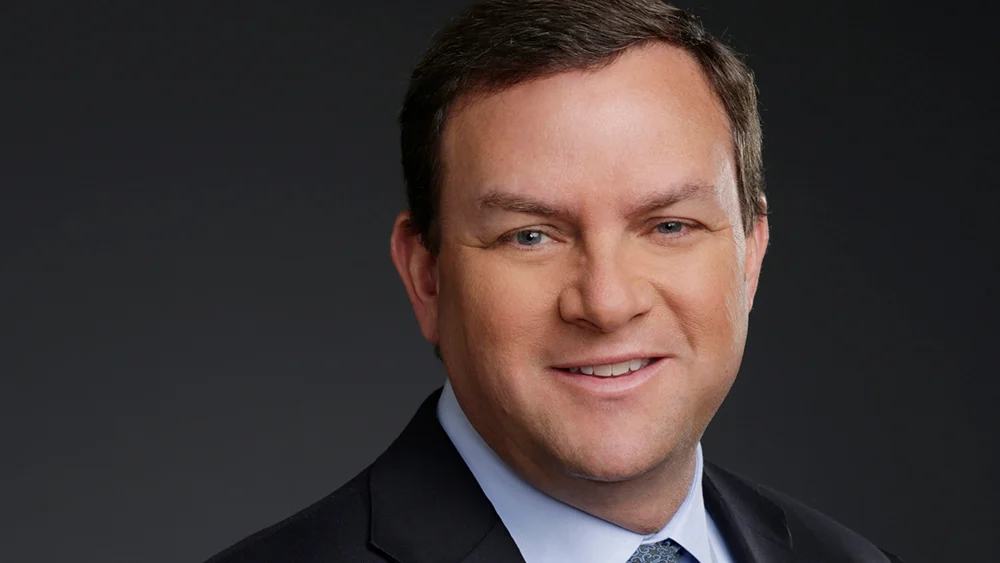
Newly public Versant, a prominent media and entertainment entity that recently completed its spin-off from NBCUniversal, has unveiled a complex financial picture for its inaugural year as an independent company. In 2025, Versant experienced a significant 31% decline in net income, a trend directly linked to a sharp downturn in revenue from its traditional advertising and distribution arms. This financial reality underscores the company’s ambitious new mission: to fundamentally reorient its business model away from an over-reliance on traditional cable television and towards a more diversified revenue generation strategy that emphasizes direct consumer engagement.
The company’s first official disclosure of operating results, released on Tuesday, drew data from its period as an integral part of NBCUniversal. This foundational period saw Versant built upon the strength of iconic brands such as MS NOW, CNBC, and USA Network. The strategic imperative now is to cultivate a balanced revenue mix, aiming for a 50/50 split between revenue derived from traditional pay-TV operations and revenue generated from burgeoning new business ventures. These new ventures are characterized by their direct connection with consumers, encompassing avenues like subscriptions, e-commerce, and other commerce-driven initiatives. In 2025, revenue from these forward-looking operations accounted for a still-developing 19% of the company’s total revenue, highlighting the significant ground Versant aims to cover in its transformative journey.
Mark Lazarus, the Chief Executive Officer of Versant, articulated a confident outlook despite the immediate financial headwinds. In a prepared statement, Lazarus declared, "Versant enters this next chapter as an independent, well-positioned media and entertainment company with strong momentum and clear strategic focus." He further emphasized the leadership’s enthusiasm for the path ahead, stating, "I couldn’t be more excited about what’s ahead as we invest in our iconic brands to evolve our business model. We aim to do so with a focus on delivering strong shareholder returns, both in the near and long term." This statement signals a commitment to both brand revitalization and robust financial performance, even as the company navigates a challenging market.
Delving deeper into the financial performance, Versant reported total revenue of nearly $6.69 billion for 2025. This figure represents a 5.3% decrease compared to the $7.06 billion secured in the preceding year, 2024. The decline in overall revenue was primarily driven by significant contractions in key traditional revenue streams. Advertising revenue for 2025 saw a substantial drop of 8.9%, bringing in nearly $1.58 billion. Similarly, revenue from distribution, a cornerstone of traditional media business models, fell by approximately 5.4%, totaling $4.09 billion. These figures paint a clear picture of the erosion occurring within the established revenue channels, necessitating the pivot towards new growth areas.
However, the narrative is not entirely one of decline. Versant’s digital properties, a critical component of its strategy to capture a younger, digitally-native audience and diversify revenue, demonstrated resilience and growth. The company reported that revenue from these digital assets, which include highly trafficked platforms like Rotten Tomatoes and Fandango, rose by a healthy 3.9%, generating $826 million. This growth in digital revenue offers a crucial counterpoint to the declines in traditional sectors and validates Versant’s investment in these consumer-facing digital platforms.
The challenges faced by Versant are by no means unique within the broader media landscape. Rivals possessing substantial cable portfolios are grappling with similar dynamics, characterized by subscriber attrition, declining advertising spend on linear television, and the relentless rise of streaming. In this context, Versant has made concerted efforts to project an image of stability and strategic foresight. The company highlighted that a significant portion of its sports-rights deals, which represent substantial financial commitments, have several years remaining on their contracts. This provides a degree of predictability and a solid foundation upon which to build future revenue streams.
Furthermore, Versant is actively exploring innovative ways to augment its revenue streams, particularly by leveraging its Fandango brand. Fandango, widely recognized for its dominance in facilitating movie ticket purchases, is now the platform through which Versant has launched an ad-supported streaming service. This move is designed to tap into the burgeoning over-the-top (OTT) market, offering consumers a new avenue to access content while simultaneously creating a new advertising inventory for the company. This initiative represents a direct attempt to capture a share of the rapidly expanding digital video advertising market.
In a move signaling confidence in its long-term prospects and a commitment to enhancing shareholder value, Versant also announced that its board of directors has authorized a share repurchase program. The company is set to buy back up to $1 billion of its outstanding Class A common shares. This action can be interpreted as a signal that management believes the company’s stock is undervalued, or as a mechanism to return capital to shareholders and potentially boost earnings per share. Such a significant buyback program, especially in the wake of reported net income declines, indicates a strategic belief in the underlying value and future potential of Versant’s assets and its evolving business model.
The strategic pivot undertaken by Versant is a response to profound shifts in consumer behavior and media consumption patterns. For decades, the media industry’s financial engine was largely powered by the bundle of channels delivered through cable and satellite subscriptions, supplemented by advertising sales to a captive audience. However, the advent of the internet and the proliferation of streaming services have irrevocably altered this paradigm. Consumers now have unprecedented choice and flexibility in how they access content, leading to a phenomenon known as "cord-cutting," where subscribers cancel traditional pay-TV services in favor of more cost-effective and personalized streaming options. This trend has placed immense pressure on companies like Versant that have historically derived a significant portion of their revenue from these legacy models.
The decision to spin off from NBCUniversal and embark on an independent journey, therefore, appears to be a strategic maneuver to allow Versant to adapt more nimbly to these market changes. As a standalone entity, Versant can now allocate its resources and strategic focus entirely on building out its direct-to-consumer (DTC) capabilities, investing in digital content creation, and exploring new monetization strategies that are not constrained by the legacy structures of a larger, diversified conglomerate. The 19% of revenue derived from new businesses in 2025, while modest, represents the seeds of this future growth. The challenge now lies in rapidly scaling these new ventures to offset the inevitable decline in traditional revenue streams.
The company’s portfolio of assets, including the highly influential CNBC, the popular USA Network, and the burgeoning digital platforms, provides a strong foundation. CNBC, in particular, holds a unique position in financial news and analysis, with a dedicated audience that is attractive to advertisers seeking to reach affluent consumers. USA Network, with its history of popular programming, can be leveraged for content licensing and the development of new, digitally-native series. The success of Rotten Tomatoes and Fandango in the digital realm demonstrates Versant’s capability to build and monetize online properties that resonate with consumers.
The integration of these diverse assets under a unified strategic vision is crucial. Versant’s aim to create a revenue mix that is equally weighted between traditional and new business models is an ambitious but necessary goal. Achieving this will require significant investment in technology, marketing, and content development for its DTC platforms. It will also involve a careful balancing act, ensuring that the core businesses remain profitable and stable while the new ventures are nurtured and scaled.
Expert analysts have offered mixed perspectives on Versant’s strategic direction. Some laud the proactive approach to market shifts, viewing the spin-off and the stated strategic focus as a sign of forward-thinking leadership. They point to the growth in digital revenues as evidence that Versant possesses the capabilities to succeed in the new media economy. However, others express caution, citing the significant decline in net income and the substantial revenue dependency on traditional sectors as considerable hurdles. The competitive intensity in the streaming and digital advertising markets is fierce, with established players and new entrants vying for consumer attention and advertising dollars.
The success of Versant’s strategic pivot will ultimately depend on its ability to execute effectively across multiple fronts. This includes:
- Content Innovation: Developing compelling content that appeals to both existing and new audiences across various platforms, including linear television, streaming services, and digital shorts.
- DTC Platform Development: Enhancing the user experience and offering of its direct-to-consumer platforms to drive subscriber growth and engagement.
- Advertising Technology and Sales: Leveraging data and technology to offer innovative advertising solutions that can attract and retain advertisers in the increasingly fragmented digital landscape.
- Strategic Partnerships: Exploring collaborations and alliances that can accelerate growth, expand reach, and enhance its competitive position.
- Operational Efficiency: Maintaining a disciplined approach to cost management to ensure profitability and support ongoing investments in growth initiatives.
The $1 billion share repurchase authorization, while a positive signal, also raises questions about the company’s capital allocation priorities. While it can boost shareholder value, it also represents capital that could potentially be reinvested in growth initiatives. The company’s management will need to demonstrate a clear rationale for this buyback and ensure it does not detract from the critical investments needed for its strategic transformation.
In conclusion, Versant stands at a critical juncture. The company’s first year as an independent entity has revealed the stark realities of a media industry in flux, marked by declining net income and the urgent need to diversify revenue. However, the company’s clear strategic focus on balancing traditional operations with a robust expansion into direct-to-consumer businesses, coupled with its strong brand portfolio and leadership’s expressed confidence, provides a roadmap for its future. The coming years will be a test of Versant’s agility, innovation, and execution as it strives to redefine itself and deliver sustainable shareholder returns in the dynamic and ever-evolving world of media and entertainment. The journey from a legacy cable powerhouse to a diversified digital-first media company is well underway, but the path ahead is fraught with both opportunity and significant challenges.
