
 By admin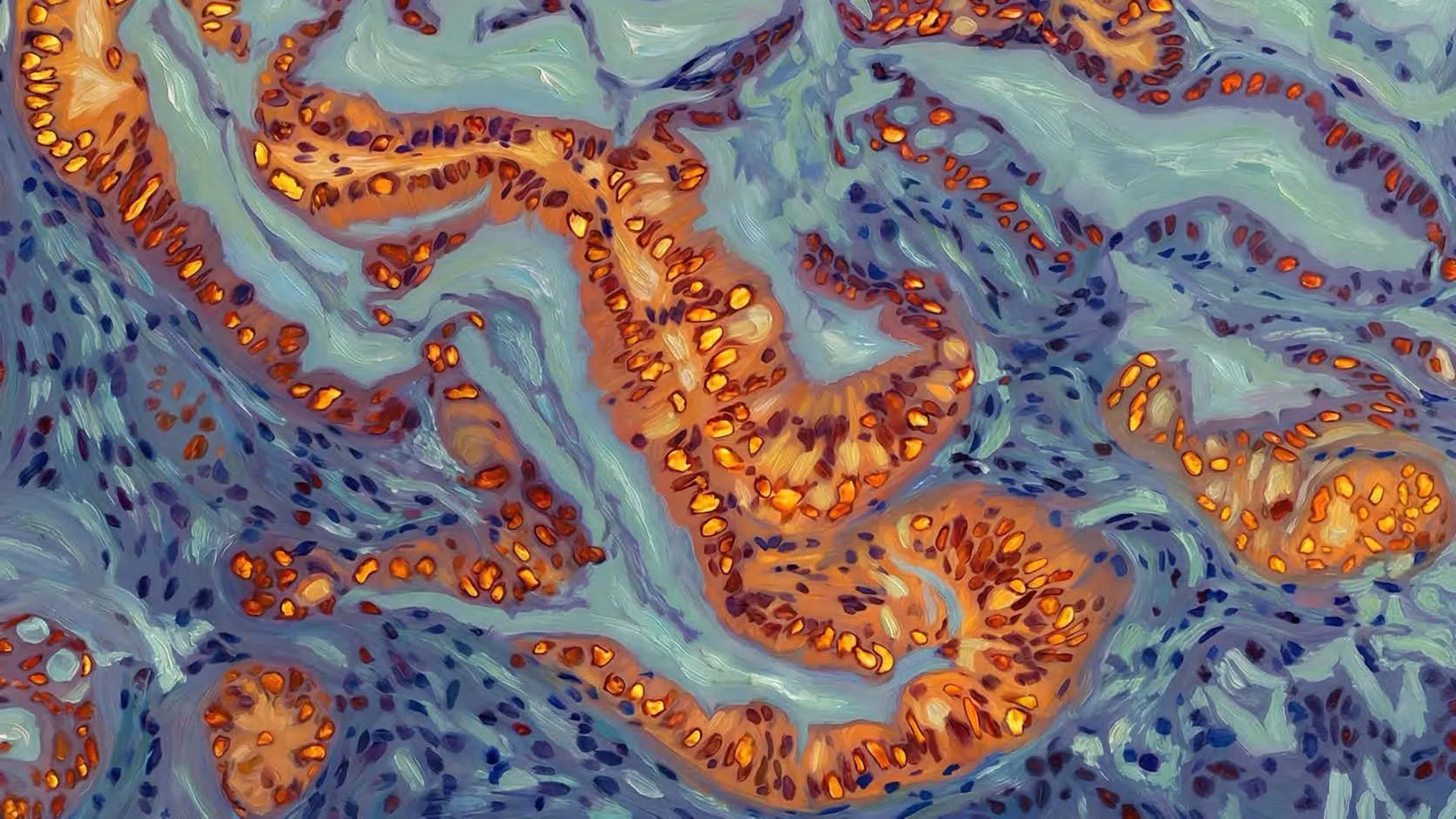
The study, meticulously detailed and published in the prestigious Journal of Clinical Investigation, unravels the intricate molecular mechanisms by which this critical switch operates. Its results are poised to reshape therapeutic strategies, strongly suggesting that pairing targeted therapies designed to manipulate this switch with standard chemotherapy regimens could dramatically improve outcomes for patients whose tumors have historically proven stubbornly unresponsive to conventional treatments. This mechanistic understanding is not just an academic achievement; it provides a rational framework for overcoming drug resistance, a pervasive challenge in oncology.
Pancreatic Cancer: A Formidable Foe
Pancreatic cancer stands as one of the most lethal malignancies worldwide, a stark reality underscored by sobering statistics. Globally, it is estimated that over 495,000 new cases are diagnosed each year, with a tragically high mortality rate. In Singapore, while it ranks as the ninth most common cancer, its impact on public health is disproportionately severe, accounting for the fourth leading cause of cancer-related death. This grim statistic is largely attributed to the cancer’s insidious nature: symptoms often manifest only in advanced stages, making early diagnosis exceptionally rare. Furthermore, the tumor’s aggressive biology, characterized by rapid growth, early metastasis, and a dense, desmoplastic stroma that impedes drug delivery, severely limits the efficacy of current treatments. Consequently, most patients rely heavily on chemotherapy, which, despite advancements, typically provides only modest benefit, with the average five-year survival rate remaining stubbornly low, often in the single digits for metastatic disease.
Over the past decade, scientific endeavors have successfully delineated two primary molecular subtypes of pancreatic cancer: classical and basal. This classification is not merely descriptive but holds significant clinical implications. Tumors belonging to the classical subtype typically exhibit a more organized cellular architecture, resembling healthy pancreatic tissue. Patients afflicted with this form tend to have a better prognosis and are more likely to respond positively to chemotherapy. In stark contrast, basal subtype tumors are characterized by cellular disorganization, a more undifferentiated state, and an inherently aggressive phenotype. Crucially, these basal-like tumors are often highly resistant to conventional chemotherapy, contributing significantly to the high mortality rates associated with the disease.
A pivotal and perplexing aspect of pancreatic cancer biology is the remarkable plasticity of its cells. Pancreatic cancer cells are not rigidly fixed within one subtype; they possess the alarming ability to dynamically shift between these classical and basal states. This phenotypic flexibility, known as cancer cell plasticity, allows a tumor that initially responds to treatment (classical state) to adapt and transition into a more resistant form (basal state), thereby driving therapeutic failure and disease progression. Understanding and, more importantly, controlling this cellular shapeshifting has emerged as a critical frontier in pancreatic cancer research.
GATA6: The Molecular Gatekeeper of Responsiveness
The Duke-NUS research team homed in on a specific gene, GATA6, identifying it as a central player in maintaining the delicate balance between the classical and basal states. GATA6, a transcription factor known for its critical roles in embryonic development and cell differentiation, was found to be instrumental in preserving pancreatic cancer cells in the more structured, less aggressive classical state. When GATA6 levels are robustly expressed within tumor cells, the tumor tends to maintain its organized growth pattern, and, critically, it retains a higher degree of sensitivity to chemotherapy. Conversely, a decline in GATA6 expression heralds a dangerous transformation: cancer cells lose their structural integrity, become more aggressive, and adopt the difficult-to-treat basal phenotype.
Professor David Virshup of Duke-NUS’s Programme in Cancer & Stem Cell Biology, the study’s lead author and a distinguished expert in cellular signaling, articulated the significance of this discovery: "We have long observed that pancreatic cancer cells can switch between these two distinct states, a phenomenon that profoundly impacts treatment efficacy. What eluded us, however, was the precise molecular mechanism driving that switch. By meticulously identifying the intricate pathway that actively suppresses GATA6, we now possess a far clearer and more actionable picture of how tumors evolve to become resistant – and, perhaps more importantly, how we might effectively reverse that devastating process." This insight represents a fundamental shift from merely observing resistance to understanding its root cause and devising strategies to counteract it.
The KRAS-ERK Pathway: Fueling the Destructive Switch
The researchers’ investigation meticulously traced the molecular events leading to this critical switch, uncovering a complex cascade of signals originating deep within the pancreatic cancer cells. A central culprit in this pathway is the KRAS gene, which is notoriously mutated in nearly all pancreatic cancers (over 90% of cases). This mutated KRAS acts as a constant, unchecked engine, relentlessly sending growth and survival signals that relentlessly drive tumor development and progression. KRAS transmits these aberrant signals through a crucial partner protein known as ERK, which then relays these instructions further downstream, orchestrating a myriad of cellular responses.
The study revealed a critical point of control: when the ERK pathway becomes hyperactive – a common consequence of mutated KRAS – it paradoxically protects another protein that directly interferes with the normal production of GATA6. This protection prevents the degradation of the GATA6 suppressor, allowing it to persist and exert its inhibitory effect. As a result, GATA6 levels plummet within the cancer cells. With the decline of GATA6, the cells lose their organized structure, rapidly shift toward the more aggressive, undifferentiated basal state, and become profoundly less responsive to chemotherapy. This intricate interplay between KRAS, ERK, and GATA6 forms the core of the resistance mechanism.
Through a rigorous combination of genetic screening, sophisticated molecular analysis in various cancer cell lines, and targeted drug treatments, the research team definitively demonstrated that pharmacologically blocking the hyperactive KRAS and ERK pathway effectively lifts this suppression. When this inhibitory pathway is disrupted, the GATA6-suppressing protein is no longer protected, allowing GATA6 levels to rise again. Crucially, this restoration of GATA6 expression triggers a remarkable reversal: the cancer cells then shift back toward the more organized, classical state and, most significantly, regain their sensitivity to chemotherapy. This finding provides a powerful rationale for targeting the KRAS-ERK axis in pancreatic cancer.
Combination Therapy: A Synergistic Approach to Overcome Resistance
The study further elucidated a critical aspect of therapeutic response: simply maintaining higher levels of GATA6 on their own rendered pancreatic cancer cells more responsive to treatment. This observation underscored GATA6’s intrinsic role in chemotherapy sensitivity. However, the true breakthrough emerged when the researchers combined drugs that specifically inhibit the KRAS and ERK pathway with standard chemotherapy agents. The anti-cancer effects observed from this combination therapy were significantly stronger and more durable than with either approach administered alone, demonstrating a powerful synergistic interaction.
Crucially, this enhanced therapeutic benefit was strictly contingent on the presence of GATA6. If GATA6 was absent or its levels remained low, the combination therapy did not yield the same superior results, unequivocally highlighting GATA6’s central and indispensable role in determining which patients might benefit most from such a combination strategy. These findings provide invaluable clarity, explaining why patients with naturally higher GATA6 levels often exhibit a more favorable response to certain chemotherapy regimens. Furthermore, they establish a robust scientific foundation for the numerous ongoing clinical trials that are currently testing new treatments specifically aimed at inhibiting KRAS and related pathways. The Duke-NUS study provides a mechanistic rationale for how these novel agents could be strategically deployed to re-sensitize resistant tumors.
Professor Lok Sheemei, Duke-NUS’s Interim Vice-Dean for Research, emphasized the profound implications of this discovery for a disease that has long defied effective treatment: "Pancreatic cancer remains one of the toughest cancers to treat, largely due to its inherent resistance mechanisms. These findings provide a mechanistic explanation for why tumors respond poorly to chemotherapy, moving us beyond mere observation to a deep understanding of the underlying biology. More importantly, this research offers a rational, evidence-based strategy for combining targeted therapies with existing drugs, paving the way for more effective and personalized treatment approaches."
Broader Implications: Beyond Pancreatic Cancer
The impact of this pioneering research may extend far beyond the confines of pancreatic cancer. The molecular switch and the role of the KRAS-ERK-GATA6 axis in driving cellular plasticity and therapy resistance could have significant implications for a broader spectrum of malignancies. Many other cancers fueled by activating KRAS mutations – including subsets of colorectal cancer, lung cancer, and bile duct cancer – exhibit similar shifts in cell behavior and develop acquired resistance to various therapies. Understanding precisely how cancer cells transition between different states, and the specific molecular levers that control these transitions, could provide a universal paradigm for addressing therapy resistance in these additional cancer types. This research offers a blueprint for identifying similar "switches" in other aggressive cancers, thereby expanding the potential for targeted interventions.
Professor Patrick Tan, Dean and Provost’s Chair in Cancer and Stem Cell Biology at Duke-NUS, underscored the foundational significance of this work: "This work beautifully demonstrates how fundamental basic science can unravel profoundly actionable insights into the complex problem of treatment resistance. By deeply understanding the precise mechanisms through which cancer cells switch states and evade therapy, we gain a far more strategic and intelligent way to design and implement combination treatments, moving us closer to truly personalized and effective cancer care."
This groundbreaking discovery from Duke-NUS Medical School is a testament to its international recognition for leadership in medical education and cutting-edge biomedical research. The institution’s commitment to bridging fundamental discoveries with translational expertise is exemplified by this work, which holds immense promise for improving health outcomes not only in Singapore but also for countless patients battling aggressive cancers worldwide. By deciphering the molecular language of resistance, Duke-NUS researchers are forging new pathways towards overcoming one of medicine’s most formidable challenges.
