
 By admin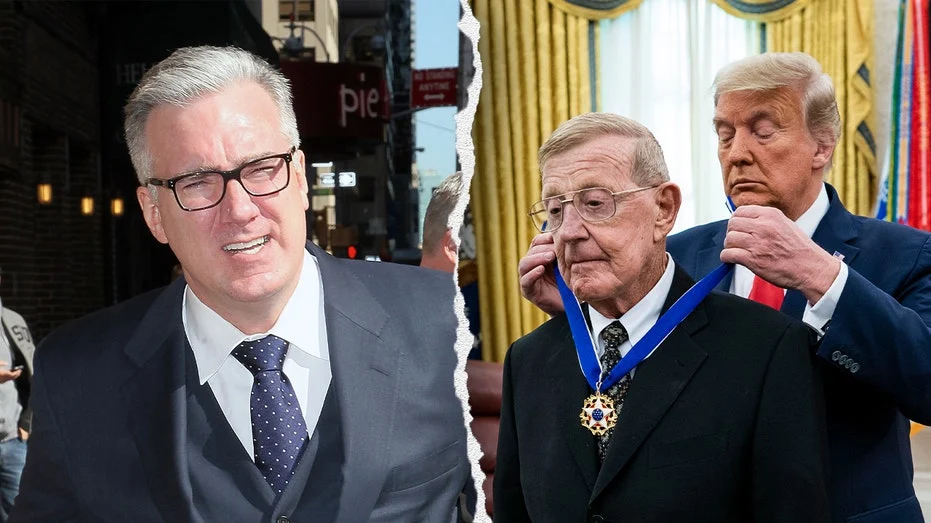
In a move that has ignited a firestorm of condemnation across social media, former ESPN broadcaster Keith Olbermann unleashed a vitriolic attack on the late legendary college football coach Lou Holtz, labeling him a "legendary scumbag" on the very day Holtz’s passing was announced. The controversial statement, made via an X post, was in direct response to a resurfaced clip of Holtz criticizing President Joe Biden in 2020 for his stance on abortion rights. Olbermann’s remarks have predictably drawn scathing criticism from a multitude of social media users who decried his lack of respect for a revered figure in sports history, especially in the immediate aftermath of his death.
The public’s reaction on X was swift and overwhelmingly negative. One user expressed their disgust, stating, "You’re a scumbag that needs mental help," directly addressing Olbermann. Another echoed this sentiment, asserting, "You’re the real scumbag here. Lou Holtz had more class, integrity, and genuine decency in his pinky finger than you’ll ever show in your lifetime." A third commenter offered a stark contrast, writing, "You’re a grumpy, lonely, Godless man. All the things Lou Holtz was not." These reactions underscore a widespread perception that Olbermann’s comments were not only inappropriate but deeply disrespectful to the legacy of a figure widely admired for his coaching prowess, motivational skills, and strong moral compass.
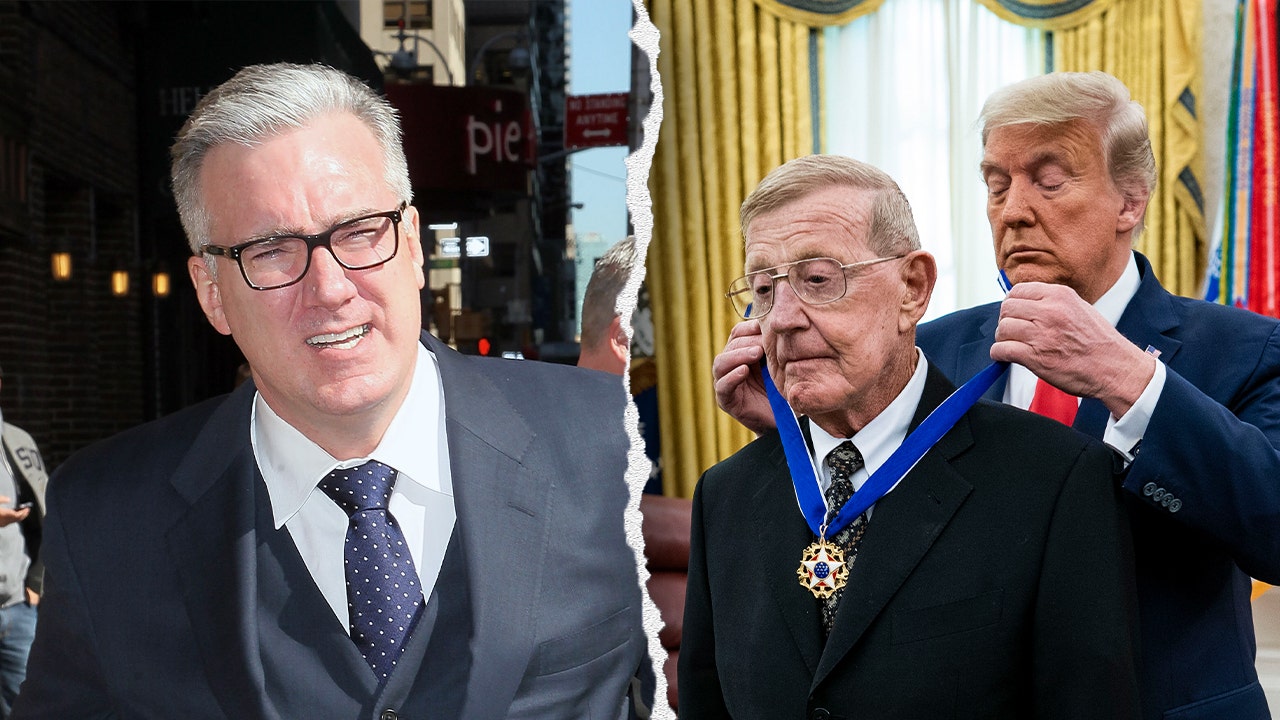
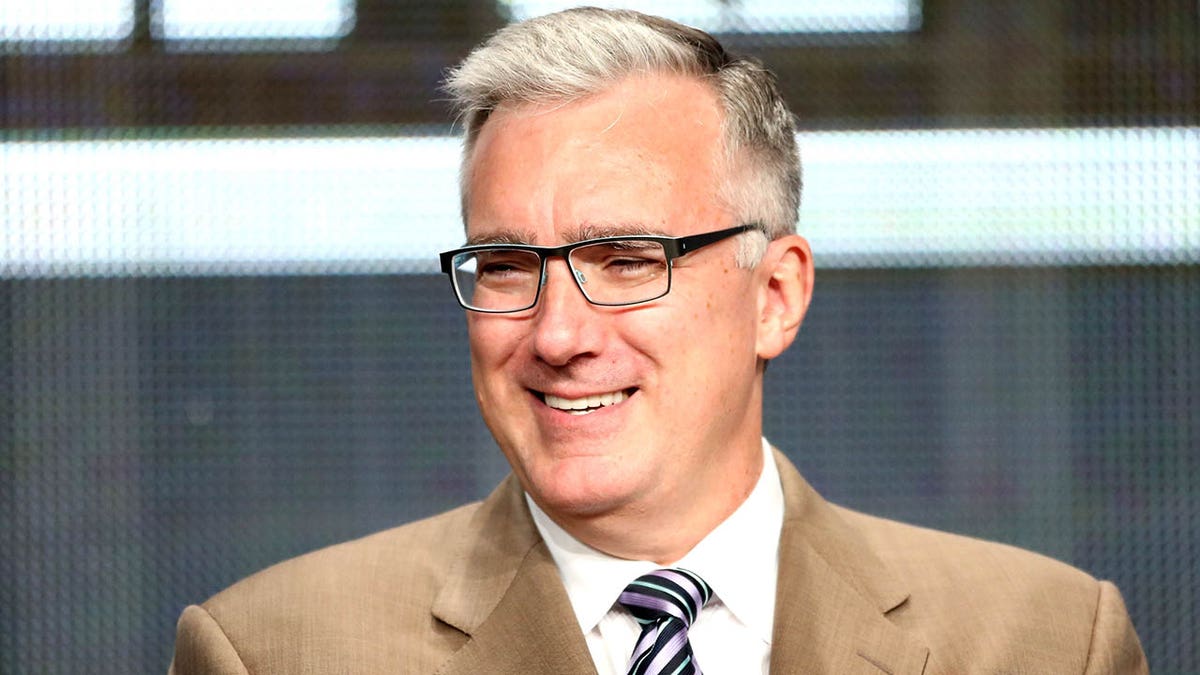
This incident is not an isolated aberration for Keith Olbermann, who has cultivated a public persona characterized by combative, politically charged, and often inflammatory far-left pronouncements. His social media activity frequently generates significant backlash, demonstrating a pattern of engagement that prioritizes provocation over measured discourse. For instance, following the U.S. men’s hockey team’s gold medal victory, Olbermann sharply criticized the team for accepting an invitation to the State of the Union address under President Trump. He took to X to declare that any team members attending were "declaring their indelible stupidity and misogyny," while simultaneously praising the women’s team for declining the invitation. This stance highlighted his tendency to inject political ideology into athletic achievements, often alienating a significant portion of the sports-following public.
Furthermore, in January, Olbermann targeted Kaitlynn Wheeler, a former University of Kentucky women’s swimmer, for participating in a women’s rights rally outside the U.S. Supreme Court. The rally coincided with oral arguments concerning the legality of transgender athletes in women’s sports. Olbermann’s dismissive response to Wheeler’s involvement was, "It’s still about you trying to find an excuse for a lifetime wasted trying to succeed in sports without talent." This remark was widely interpreted as an attack on Wheeler’s character and athletic aspirations, further solidifying his reputation for harsh and often personal online attacks against individuals with differing viewpoints, particularly concerning gender identity and women’s sports.
Olbermann’s contentious history extends to even more alarming incidents. In 2025, he faced severe backlash after posting, and subsequently deleting, a menacing message on X directed at CNN contributor Scott Jennings. The post, which read, "You’re next motherf—–," came shortly after the assassination of conservative influencer Charlie Kirk. This deeply concerning statement, made in the context of a violent act, raised serious questions about Olbermann’s judgment and the potential for his rhetoric to incite harm.
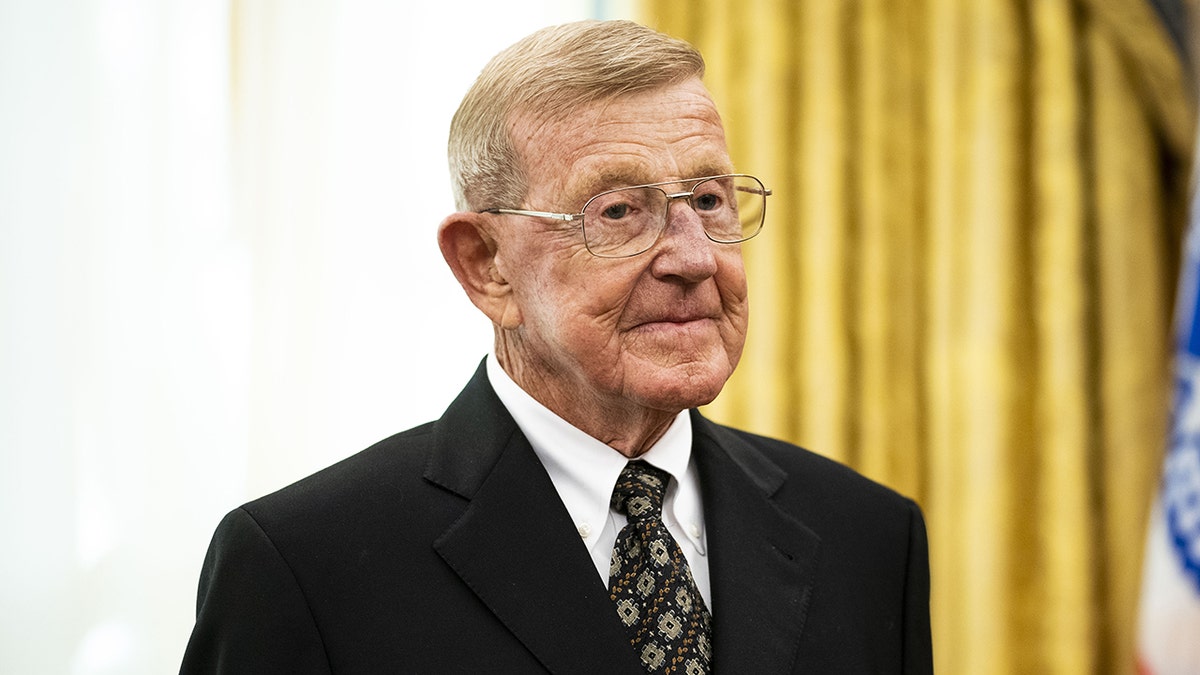
Lou Holtz, the subject of Olbermann’s latest tirade, was a titan in the world of college football. His illustrious career spanned decades, most notably as the head coach at the University of Notre Dame, where he led the Fighting Irish to a national championship in 1988. Beyond his considerable coaching achievements, Holtz was known for his charismatic personality, his ability to inspire young athletes, and his deeply held conservative political views. He was a vocal supporter of former President Donald Trump, at one point stating in February 2024 that Trump "needed to ‘coach America back to greatness!’" This political alignment was a significant aspect of his public identity in his later years.
Reflecting Holtz’s close ties to the Trump administration, he was awarded the Presidential Medal of Freedom, the nation’s highest civilian honor, by President Trump near the end of his first term in office, shortly after losing the 2020 election to Joe Biden. This recognition underscored the deep respect and admiration President Trump held for Holtz, not just as a coach but as a prominent public figure who aligned with his political vision.
The announcement of Lou Holtz’s death on Wednesday prompted an outpouring of tributes from prominent Republican figures. Senators Tommy Tuberville (R-Ala.), Todd Young (R-Ind.), Tom Cotton (R-Ark.), and Lindsey Graham (R-S.C.), along with Representatives Greg Murphy (R-N.C.), David Rouzer (R-N.C.), Erin Houchin (R-Ind.), and Steve Womack (R-Ark.), all took to social media to express their condolences and honor Holtz’s legacy. They were joined by Florida Governor Ron DeSantis, Indiana Governor Mike Braun, U.S. Education Secretary Linda McMahon, and former New York City Mayor Rudy Giuliani, among others. These tributes highlighted Holtz’s significant influence within the Republican party and the conservative movement, where he was often seen as a voice of wisdom and principle.
In stark contrast to the widespread Republican tributes, prominent Democratic leaders have remained notably silent regarding Lou Holtz’s passing. This silence is particularly striking given the fact that several prominent Democrats have backgrounds in football, a sport Holtz dedicated his life to. For example, Minnesota Governor Tim Walz, who served as an assistant high school football coach; Senator Cory Booker (D-N.J.), who was a college recruiting target for Holtz in 1986; Representative Colin Allred (D-Texas), a former NFL player; and Representative Kam Buckner (D-Ill.), who played football for the University of Illinois, have all yet to post any public acknowledgment of Holtz’s death. This silence from political figures on the left, especially those with a connection to the sport, has not gone unnoticed and has added another layer to the political polarization surrounding Holtz’s legacy.
The contrast in reactions to Holtz’s death, particularly between Olbermann and the broader political spectrum, underscores the deep ideological divisions that continue to permeate American society. While Holtz was celebrated by many for his contributions to sports and his outspoken conservative views, Olbermann represents a vocal segment of the left that often views figures like Holtz with disdain, especially when their political or social stances are seen as contrary to progressive values. The timing and nature of Olbermann’s comments, however, have been widely condemned as crossing a line from political disagreement to outright disrespect for the deceased, regardless of political affiliation.
Lou Holtz’s impact on college football is undeniable. His coaching career, marked by innovation, discipline, and an unwavering commitment to his players, earned him a place in the annals of the sport. His ability to connect with young men and instill in them values of hard work, perseverance, and integrity resonated far beyond the gridiron. His tenure at Notre Dame, a program steeped in tradition and prestige, was particularly impactful, culminating in the 1988 national championship and cementing his status as a coaching legend. His coaching philosophy often emphasized mental toughness and strategic brilliance, principles that translated into consistent success throughout his career at various institutions, including Arkansas, Minnesota, and South Carolina.
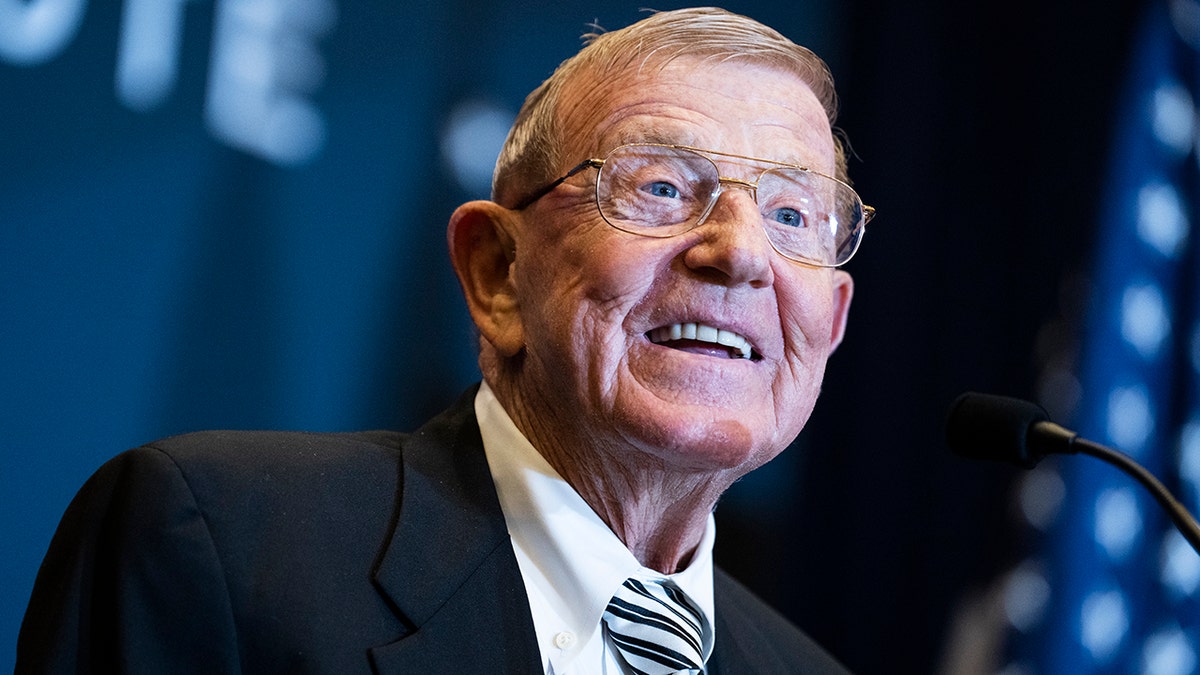
Beyond his coaching achievements, Holtz was a sought-after motivational speaker and a respected commentator. His public appearances were often marked by his wit, wisdom, and strong opinions, which he expressed without hesitation. He became a prominent voice in conservative circles, frequently appearing on political talk shows and offering his perspective on a range of issues. His willingness to engage in political discourse, particularly in support of conservative candidates and causes, made him a polarizing figure for some, but a revered icon for many others. His endorsement of Donald Trump and his continued advocacy for conservative principles in his later years further solidified his position as a significant cultural figure.
The controversy surrounding Keith Olbermann’s remarks serves as a stark reminder of the heightened intensity and often vitriolic nature of online discourse, particularly when dealing with public figures and sensitive events like death. Olbermann’s history of provocative statements suggests a deliberate strategy to generate attention, even at the cost of alienating and offending large segments of the public. His targeting of Lou Holtz, a figure widely respected for his integrity and contributions to sports, on the day of his passing, has been interpreted by many as a calculated and cruel act, demonstrating a profound lack of empathy and a willingness to prioritize political antagonism over basic human decency. The enduring legacy of Lou Holtz in the world of sports and beyond, contrasted with the persistent controversy surrounding Olbermann’s commentary, highlights the vastly different ways public figures choose to engage with the world and their impact on public perception. The ongoing debate fueled by Olbermann’s words underscores the challenges of navigating political and social divides in the modern media landscape, where a single tweet can ignite a national conversation and expose deep-seated ideological rifts.
