
 By admin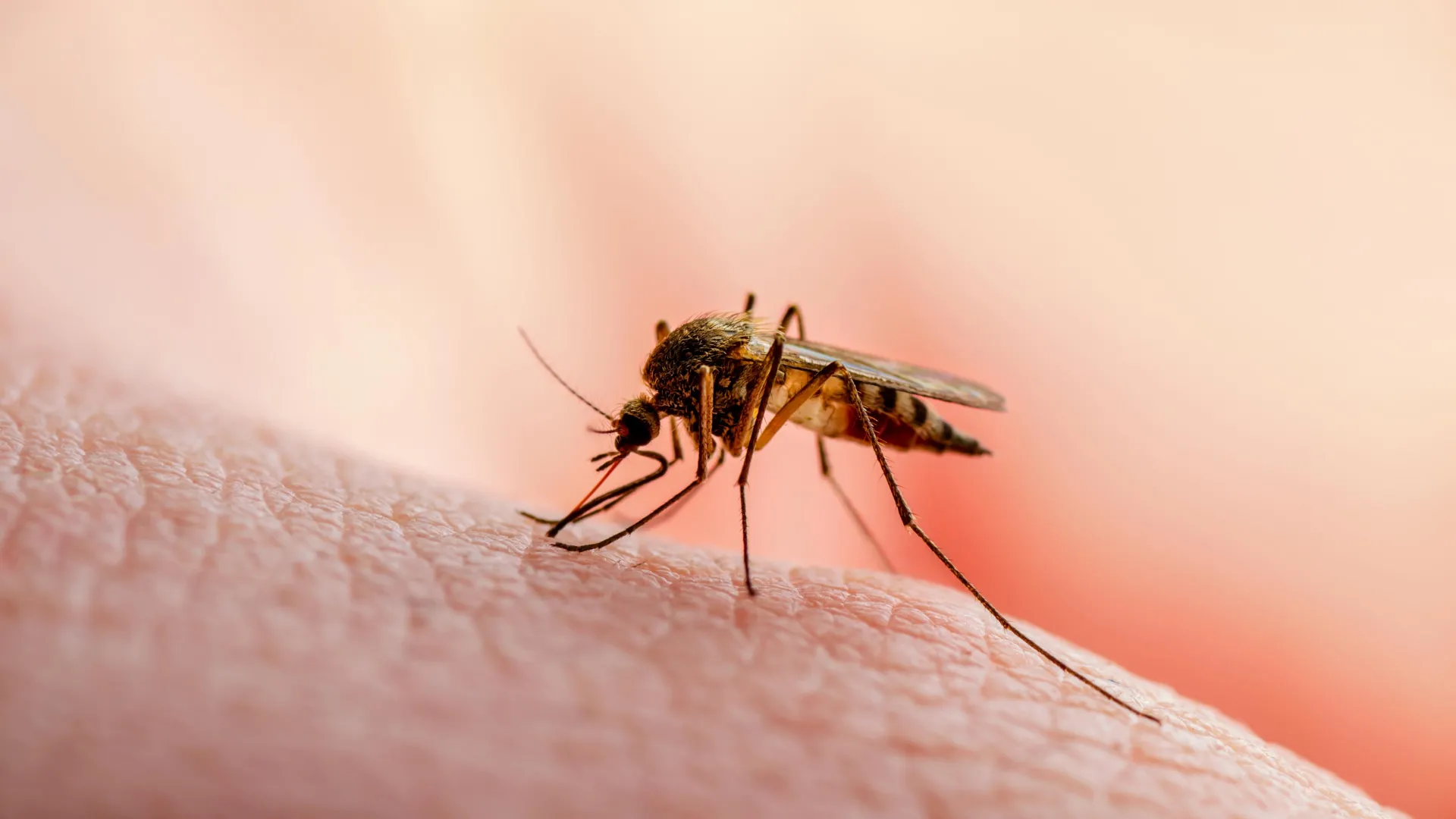
This groundbreaking discovery centers on a crucial molecule identified as Aurora-related kinase 1 (ARK1). In a comprehensive study recently published in the esteemed journal Nature Communications, an international consortium of scientists, including researchers from the University of Nottingham, the National Institute of Immunology (NII) in India, the University of Groningen in the Netherlands, the Francis Crick Institute in the UK, and other vital collaborators, illuminated ARK1’s pivotal role. Their findings reveal that ARK1 functions akin to a highly sophisticated cellular traffic controller, orchestrating the complex and unusual processes of growth and division that characterize the malaria parasite’s life cycle. This identification represents a significant leap forward in understanding the fundamental biology of Plasmodium parasites and offers a tantalizing new avenue for therapeutic intervention against one of humanity’s most persistent and deadliest infectious diseases.
The Enduring Global Scourge of Malaria: A Call for Innovation
Malaria remains an immense public health challenge, continuing to rank among the deadliest infectious diseases worldwide. According to the World Health Organization (WHO), in 2022, there were an estimated 249 million cases of malaria globally, resulting in approximately 608,000 deaths. A disproportionate burden of this disease falls upon vulnerable populations, particularly children under five years of age in sub-Saharan Africa, where over 95% of malaria cases and deaths occur. Beyond the tragic loss of life, malaria imposes a crippling economic and social burden on affected nations, exacerbating poverty, straining healthcare systems, and hindering development.
The disease is caused by Plasmodium parasites, microscopic single-celled organisms transmitted to humans through the bites of infected female Anopheles mosquitoes. Once inside the human host, these parasites embark on a rapid and complex multiplication journey, first in the liver and then in red blood cells, causing the characteristic fever, chills, and severe illness associated with malaria. Understanding the intricate mechanisms by which these parasites divide, reproduce, and navigate their dual-host life cycle is not merely an academic pursuit but a critical imperative for devising effective strategies to control and ultimately eradicate the disease.
Current antimalarial drugs, while often effective, face increasing threats from the widespread emergence of drug-resistant parasite strains. Resistance to artemisinin-based combination therapies (ACTs), the frontline treatment for Plasmodium falciparum malaria, has been reported in several regions, raising serious concerns about future treatment efficacy. Similarly, insecticide resistance in mosquitoes threatens the effectiveness of vector control measures. These challenges underscore the urgent need for novel antimalarial compounds that target new parasite vulnerabilities, offering fresh hope in the ongoing battle against malaria.
Unraveling the Plasmodium Life Cycle: A Complex Dance Between Hosts
The malaria parasite’s life cycle is remarkably intricate, involving distinct stages within both human and mosquito hosts. This journey begins when an infected Anopheles mosquito injects sporozoites into the human bloodstream. These motile forms rapidly travel to the liver, where they invade hepatocytes and undergo asexual multiplication (exo-erythrocytic schizogony), producing thousands of merozoites. These merozoites are then released into the bloodstream, where they invade red blood cells, initiating the symptomatic blood stage of the disease.
Within red blood cells, merozoites multiply further through another form of asexual reproduction called erythrocytic schizogony. This rapid proliferation leads to the rupture of red blood cells, releasing more merozoites to infect new cells, causing the cyclical fevers and other clinical symptoms of malaria. Some parasites, instead of continuing asexual reproduction, differentiate into sexual forms called gametocytes. When a mosquito takes a blood meal from an infected human, these gametocytes are ingested.
Inside the mosquito gut, the gametocytes mature into male and female gametes, which fuse to form a zygote. The zygote then develops into an ookinete, which penetrates the mosquito gut wall and forms an oocyst. Within the oocyst, thousands of new sporozoites develop (sporogonic cycle). These sporozoites migrate to the mosquito’s salivary glands, ready to be injected into a new human host, thus completing the transmission cycle.
The critical insight from the recent study is that the malaria parasite divides very differently from human cells. Instead of following the typical, well-understood patterns of mitosis seen in human biology, Plasmodium employs a more unusual and complex method of growth and proliferation. This fundamental difference in cellular machinery represents a significant opportunity for targeted drug development. The researchers discovered that ARK1 plays a central and indispensable role in organizing the spindle, the intricate cellular structure essential for accurately separating genetic material during cell division, ensuring that new parasite cells can form and mature.
ARK1: The Master Regulator of Parasite Proliferation
The protein ARK1 belongs to the Aurora kinase family, a group of highly conserved serine/threonine kinases that play crucial roles in regulating various aspects of cell division across eukaryotes, from yeast to humans. These kinases are known for their involvement in spindle assembly, chromosome segregation, and cytokinesis. However, the Plasmodium ARK1 protein exhibits unique characteristics that distinguish it from its human counterparts.
The scientists elucidated that ARK1 functions like a precise "cellular traffic controller" by orchestrating the formation and proper functioning of the mitotic spindle within the parasite. The spindle is a dynamic structure made of microtubules that attaches to chromosomes and pulls them apart into daughter cells. Without a properly formed and regulated spindle, cells cannot divide accurately, leading to genetic errors and ultimately cell death. In Plasmodium, where rapid and often asynchronous divisions occur across multiple life stages, the meticulous control exerted by ARK1 is absolutely essential for the parasite’s survival and propagation. The study delved into the specific molecular interactions and phosphorylation events that ARK1 initiates, revealing how it recruits and regulates other proteins critical for spindle assembly and chromosomal movement within the unique cellular environment of the malaria parasite.
Disabling ARK1: A Fatal Blow to Parasite Development
The most compelling aspect of the research emerged from experiments designed to understand the functional importance of ARK1. When scientists genetically disabled or chemically inhibited ARK1 in laboratory experiments, the consequences for the parasite were immediate and devastating. Without a functional ARK1 protein, parasite development quickly broke down at fundamental stages. The parasites failed to build proper spindles, leading to catastrophic errors in chromosome segregation and preventing them from dividing correctly.
This failure in cell division had cascading effects across the parasite’s life cycle. As a result, the parasites could not continue their developmental trajectory. They were unable to fully develop inside either the human host (e.g., liver stage schizonts or blood stage merozoites) or the mosquito vector (e.g., oocyst development). This effective blockage of parasite maturation at multiple critical junctures represents a profound vulnerability. By halting development, the chain of transmission that allows malaria to spread from human to mosquito and back again was effectively broken. This ‘lights out’ effect on ARK1 essentially stops the parasite in its tracks, preventing it from multiplying and transmitting further.
Dr. Ryuji Yanase, first author of the study from the School of Life Sciences at the University of Nottingham, eloquently captured the significance of this finding, stating, "The name ‘Aurora’ refers to the Roman goddess of dawn, and we believe this protein truly heralds a new beginning in our understanding of malaria cell biology." His sentiment underscores not only the profound biological insight gained but also the hopeful implications for future therapeutic strategies.
A Collaborative Endeavor: Tackling a Multi-Host Pathogen
Understanding the intricate biology of the malaria parasite, which navigates through vastly different environments and developmental stages in both human and mosquito hosts, necessitates an extraordinary level of scientific collaboration. The research team, comprising institutions across Europe and India, exemplifies this global effort. Each partner brought specialized expertise to the table, from advanced molecular biology techniques and genetic manipulation in parasite models to sophisticated structural analysis and high-throughput screening capabilities.
"Plasmodium divides via distinct processes in the human and mosquito host, it was well and truly a team effort, which allowed us to appreciate the role of ARK1 almost simultaneously in the two hosts and shed light on novel aspects of parasite biology," explained Annu Nagar and Dr. Pushkar Sharma from the Biotechnology Research and Innovation Council (BRIC)-NII, New Delhi. Their statement highlights the critical advantage of a multidisciplinary approach: the ability to observe and validate ARK1’s essential function across the various, morphologically distinct life cycle stages, confirming its broad importance as a pan-stage target. This comprehensive validation strengthens the confidence in ARK1 as a viable drug target.
The Holy Grail of Drug Discovery: Targeting Parasite Specificity
Perhaps the most exciting aspect of this discovery for drug development is the significant divergence between the malaria parasite’s ARK1 system and the equivalent Aurora kinase proteins found in human cells. This distinction is paramount in the field of pharmacology. Designing drugs that specifically target a parasite protein, while leaving human proteins untouched, is the "holy grail" of infectious disease therapeutics. Such specificity minimizes off-target effects, which are often responsible for undesirable side effects in patients.
Professor Rita Tewari, a co-corresponding author from the University of Nottingham and the Francis Crick Institute, elaborated on this crucial point: "What makes this discovery so exciting is that the malaria parasite’s ‘Aurora’ complex is very different from the version found in human cells. This divergence is a huge advantage." She further emphasized, "It means we can potentially design drugs that target the parasite’s ARK1 specifically, turning the lights out on malaria without harming the patient."
This molecular divergence provides a clear window of opportunity. Medicinal chemists can now focus on designing compounds that precisely inhibit ARK1’s function in Plasmodium without interfering with the analogous human Aurora kinases, which are vital for healthy cell division in the patient. This selective targeting strategy holds the promise of developing highly potent antimalarials with minimal toxicity, a significant improvement over many existing drugs that often come with a range of side effects due to their broader inhibitory actions.
Translational Potential: From Bench to Bedside
The identification of ARK1 as a critical and selectively targetable vulnerability marks a significant step towards developing new antimalarial drugs. The next phase of research will involve translating this fundamental biological insight into tangible therapeutic agents. This will likely include:
- High-Throughput Screening: Libraries of small molecules can be screened to identify compounds that inhibit ARK1’s activity.
- Structure-Based Drug Design: Understanding the three-dimensional structure of ARK1 can enable rational drug design, where compounds are custom-built to fit into and block the protein’s active site.
- Pre-clinical Development: Promising compounds will undergo rigorous testing in in vitro parasite cultures and in vivo animal models of malaria to assess their efficacy, pharmacokinetics, and safety profile.
- Clinical Trials: Successful candidates would then progress to human clinical trials, a multi-phase process to evaluate safety, dosage, and efficacy in malaria patients.
The journey from target identification to a licensed drug is long and arduous, typically taking over a decade and requiring substantial investment. However, the clarity and specificity of ARK1 as a drug target significantly de-risks the early stages of this process. Furthermore, ARK1 inhibitors could potentially be developed as part of combination therapies, enhancing efficacy and mitigating the risk of resistance development, a strategy that has proven successful with current ACTs.
By revealing how this unusual molecular machinery operates within the malaria parasite, the research provides a clearer roadmap for developing drugs that specifically disrupt the parasite’s life cycle at multiple points and, critically, prevent malaria transmission. This scientific breakthrough ignites renewed hope in the global fight against malaria, offering a strategic advantage against a cunning and adaptive foe. The international collaborative spirit and the depth of scientific inquiry behind this discovery exemplify humanity’s unwavering commitment to overcoming one of its oldest and most devastating infectious diseases.
