
 By admin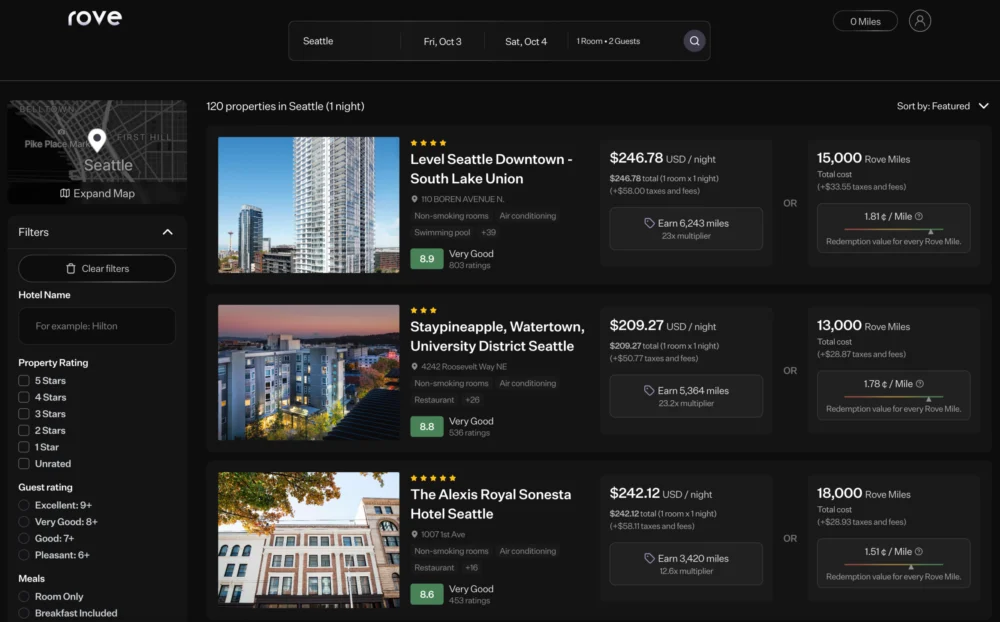
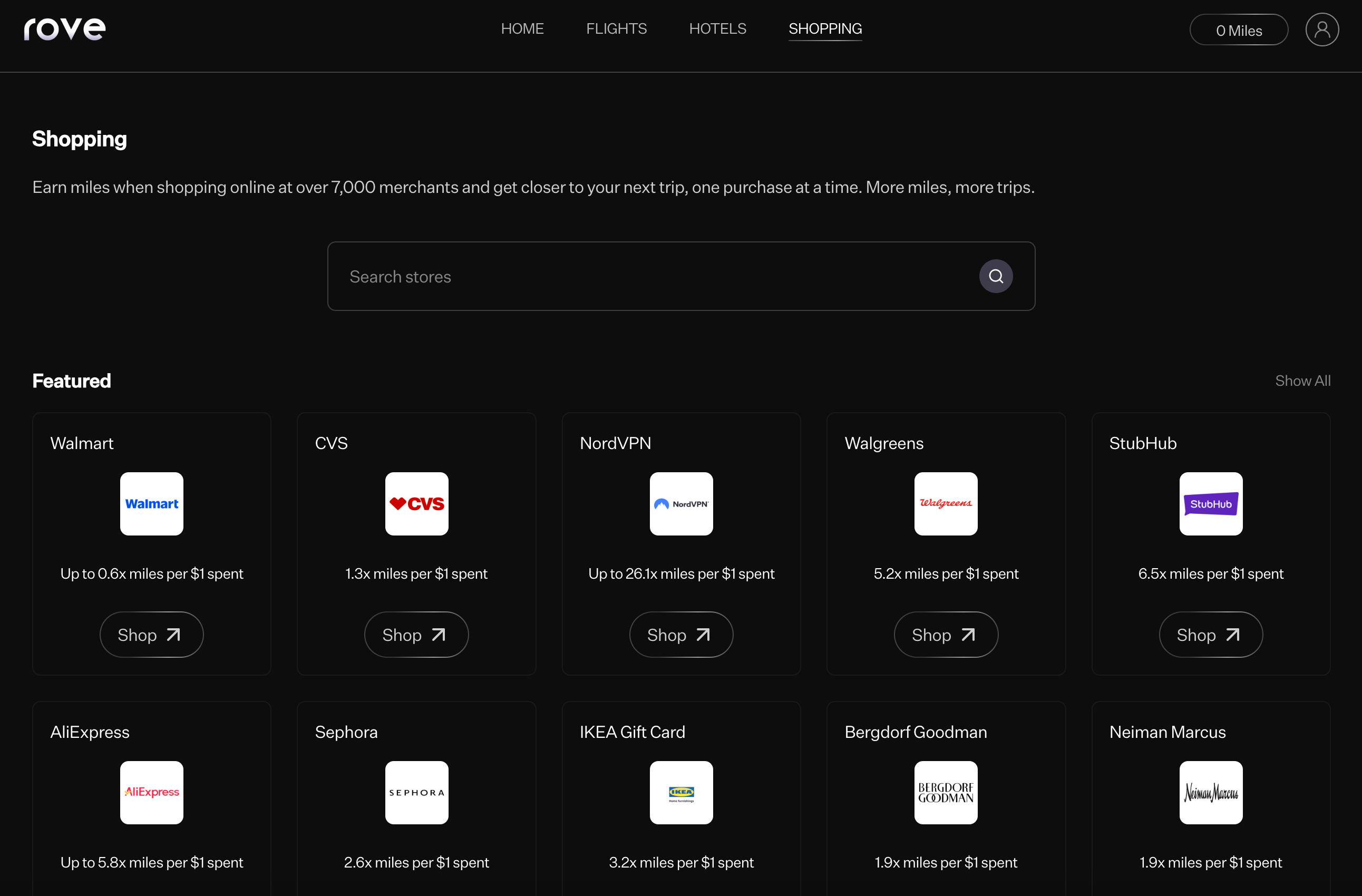
The landscape of travel loyalty is undergoing a seismic shift as traditional airline and hotel programs move further away from distance-based rewards and closer to spend-centric models. In this evolving environment, the barrier to entry has often been a high-tier travel rewards credit card, which frequently requires an excellent credit score and a willingness to manage annual fees. However, a new player has emerged in 2025 to challenge this gatekeeping: Rove Miles. Marketed as a "universal airline mile," Rove Miles aims to democratize the world of points and miles by allowing travelers to earn and redeem high-value rewards without the necessity of a credit card. By combining the mechanics of a shopping portal, a travel booking engine, and a transferable points currency, Rove is positioning itself as a one-stop shop for the next generation of travelers.

To understand the potential impact of Rove Miles, one must first look at the demographic it targets. For years, the "points and miles" community has been dominated by those with established credit histories who can leverage lucrative sign-up bonuses from institutions like Chase, American Express, and Capital One. This has left younger travelers—particularly Gen Z—and those building or rebuilding their credit in the lurch. Rove Miles addresses this gap by offering a free-to-join platform that mirrors the functionality of a premium travel card’s ecosystem. Upon signing up, users can immediately begin earning miles through everyday online shopping and travel bookings, effectively bypassing the credit application process entirely. Currently, the program is incentivizing new users with a 1,500-mile sign-up bonus for those who register through specific partner links by March 14, a move clearly designed to build a rapid user base in its inaugural year.
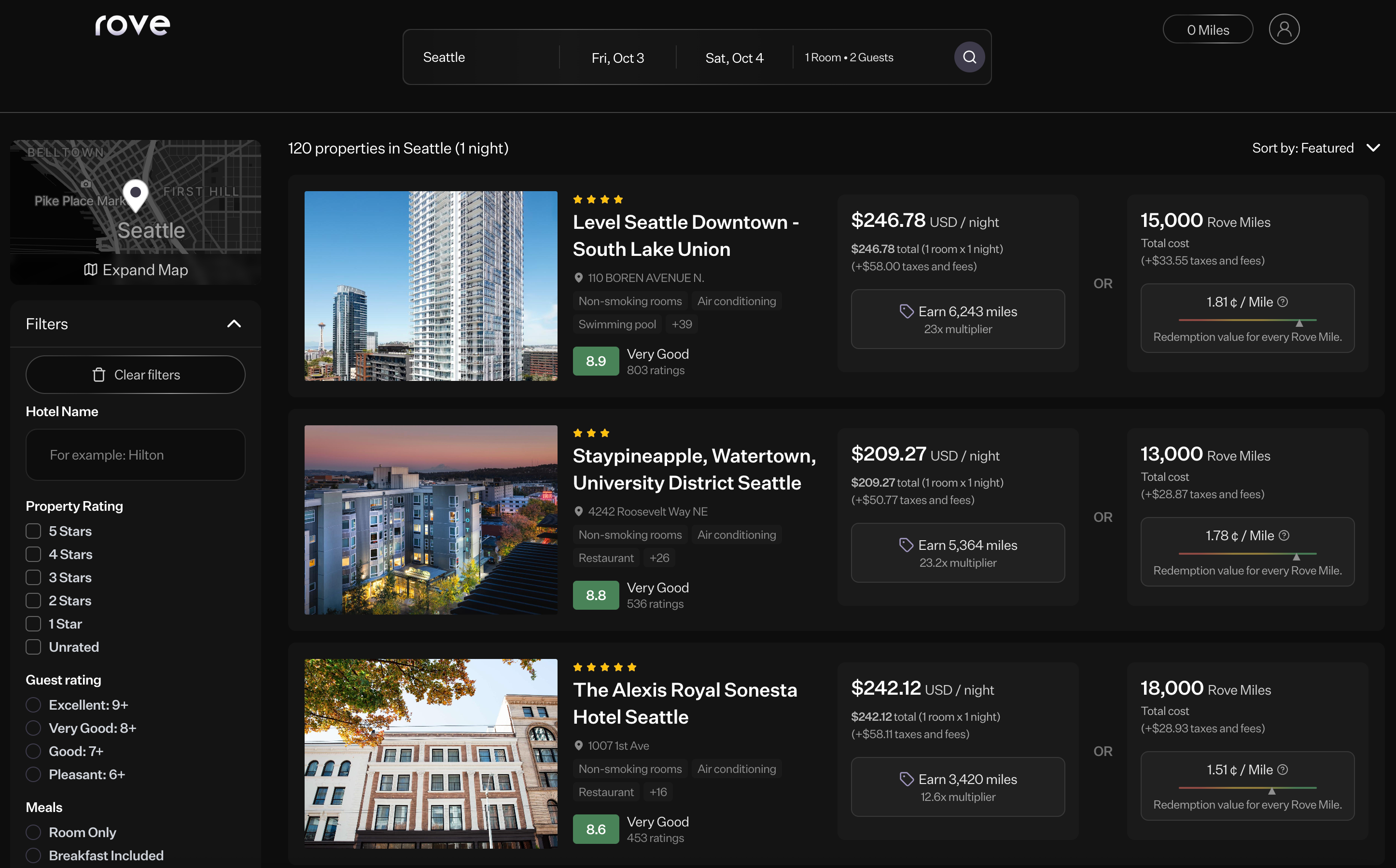
The earning structure of Rove Miles is where the program truly begins to differentiate itself from simple cash-back sites. It operates a dual-pronged earning engine: a shopping portal and a travel booking platform. The shopping portal functions similarly to Rakuten or the Chase Shopping Portal; users click through the Rove website or utilize a browser extension to shop at thousands of partner merchants. However, it is the travel booking platform that offers the most aggressive earning potential. While traditional travel credit cards typically offer 3x to 10x points per dollar spent on travel, Rove has been seen offering up to 25 miles per dollar on certain hotel stays. For example, a search for a one-night stay at the Level Seattle Downtown in October revealed an earning rate of 23 miles per dollar. For a traveler spending $300, this results in 6,900 Rove Miles—a significant haul for a single night’s stay that does not require a specific credit card to unlock.

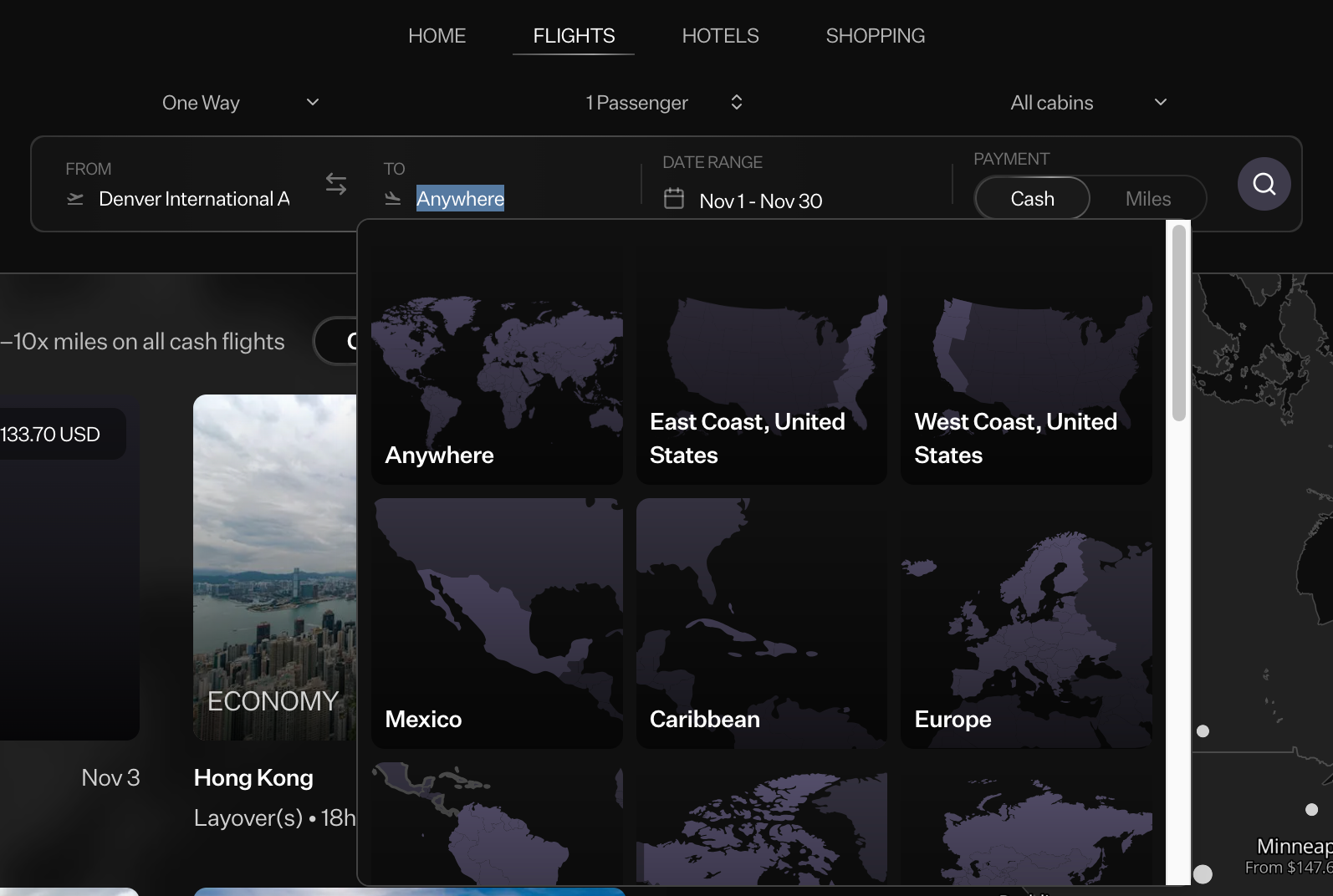
When it comes to redemption, Rove Miles provides a level of flexibility rarely seen in non-bank loyalty programs. Users have two primary paths: booking directly through the Rove portal or transferring miles to external partners. The Rove portal offers a transparent user interface that displays the cash price alongside the mile cost, as well as the calculated "cents per mile" (CPM) value. In many test cases, redemptions hover around 1.8 cents per mile. To put this in perspective, many credit card portals value points at a fixed 1 cent (like Amex Travel) or 1.5 cents (like the Chase Sapphire Reserve through Chase Travel). A 1.8 CPM valuation is remarkably competitive, especially for a program with no annual fee. Furthermore, Rove’s flight search tool incorporates "anywhere" search functionality, a feature popularized by power-user tools like Seats.aero, allowing flexible travelers to find the best deals from their home airport to entire regions of the world.
However, the true "holy grail" of any loyalty program is the ability to transfer points to airline and hotel partners, and Rove has made significant strides here. As of mid-2025, the program boasts 14 transfer partners, including heavy hitters like Turkish Airlines Miles&Smiles and the recently added Japan Airlines (JAL) Mileage Bank. Most transfers occur at a 1:1 ratio, though some partners like Accor Live Limitless (ALL) feature a less favorable 1.5:1 ratio. The inclusion of Japan Airlines is particularly noteworthy. JAL miles are notoriously difficult to earn outside of the Marriott Bonvoy ecosystem or the few co-branded JAL credit cards. By offering a 1:1 transfer path—and launching with a limited-time 50% transfer bonus through March 31—Rove Miles has suddenly become one of the most viable ways for U.S.-based travelers to book high-value Oneworld awards.
Despite these strengths, Rove Miles is entering a crowded market where "double-dipping" is the preferred strategy for experts. "Double-dipping" refers to the practice of earning rewards from multiple sources on a single transaction. For instance, a traveler could book a hotel through the Rove portal using a travel-specific credit card. Because Rove’s transactions typically code as "travel" on credit card statements, a user could earn 23x Rove Miles while simultaneously earning 3x points on their credit card and potentially earning hotel loyalty points and elite night credits if the property is marked as "Loyalty Eligible" on Rove. This layering of rewards can lead to effective returns of 30% or more on travel spend, a figure that is nearly impossible to achieve through traditional booking methods.
Yet, Rove is not without its growing pains. The user interface has received mixed reviews, with some users criticizing the dark-themed aesthetic and small font sizes as being less than accessible. More importantly, the program currently lacks a dedicated mobile app, a significant omission for a brand targeting "on-the-go" younger travelers. There is also the matter of the "universal airline mile" branding. While Rove is versatile, it is not yet truly universal. With only 14 partners, it still lags behind the deep benches of American Express Membership Rewards or Bilt Rewards, the latter of which also offers a "no credit card required" path for earning points on rent. Rove will need to continue expanding its partner list—specifically adding domestic U.S. carriers like United, Delta, or American—to truly live up to its "universal" moniker.
From an analytical perspective, Rove Miles represents a shift toward "travel-as-a-service" (TaaS) platforms that prioritize the user experience and data-driven deals over traditional brand loyalty. By integrating flight search tools that look for "sweet spots" (such as Turkish Airlines’ famous 7,500-mile domestic awards on United-operated flights), Rove is educating its users on how to maximize value rather than just hoarding points. This educational component is vital; the complexity of award charts is often what drives casual travelers away from points and miles. If Rove can successfully bridge the gap between "beginner-friendly portal" and "expert-level transfer partner hub," it could become a permanent fixture in the travel ecosystem.
The broader implications for the credit card industry are also worth noting. If programs like Rove Miles and Bilt Rewards continue to gain traction, traditional banks may feel pressure to lower the barriers to their own ecosystems or increase the earning rates on their base-level cards. For the consumer, this competition is almost always a net positive. It forces innovation and prevents the stagnation of reward values. For the time being, Rove Miles serves as an excellent "starter" program for those entering the hobby, and a powerful "supplemental" program for veterans who want to diversify their points portfolio.
In conclusion, Rove Miles is a bold experiment in the world of travel loyalty. It successfully identifies and addresses a major pain point—the credit-based barrier to entry—while offering earning rates that rival or exceed some of the most expensive credit cards on the market. While its partner list is still growing and its digital interface needs refinement, the core value proposition is strong. For travelers who find themselves constantly checking airfare prices and hunting for the next great deal, Rove Miles offers a new set of tools to make those dreams a reality. Whether you are a college student booking your first solo trip or a seasoned traveler looking to stack rewards, Rove Miles is a program that demands attention in 2025. As the 50% Japan Airlines transfer bonus and the 1,500-mile sign-up incentive show, the program is willing to invest heavily to prove its worth to the traveling public. As always, the best strategy is to compare, contrast, and stack—and Rove Miles has just provided a very large stack to work with.
