
 By Isnaini Azizah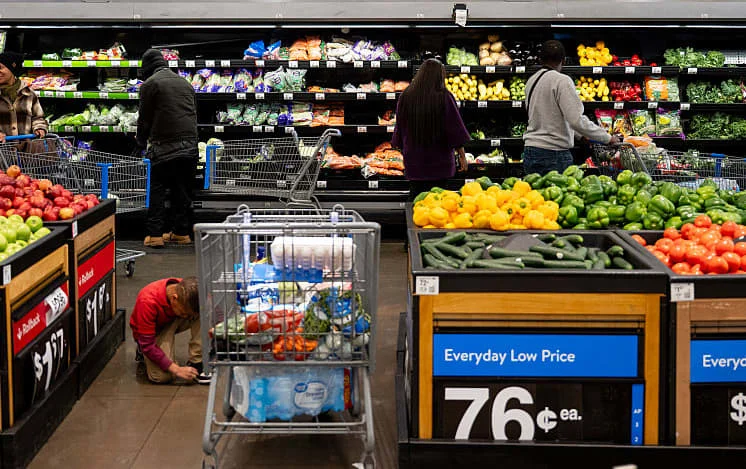
The strategic importance of the Strait of Hormuz cannot be overstated. Located between the Persian Gulf and the Gulf of Oman, it is the primary artery through which nearly 20% of the world’s liquid petroleum passes. However, the current conflict has highlighted a less-discussed but equally vital commodity: fertilizer. According to recent industry data, more than one-third of the globally traded fertilizer supply moves through this specific route. With the war in Iran effectively closing the Strait to routine commercial traffic since late last month, the flow of nitrogen-based fertilizers—essential for modern industrial agriculture—has been severed at a moment of extreme seasonal vulnerability.
The timing of this disruption is particularly catastrophic for farmers in the Northern Hemisphere. As the winter thaw begins, agricultural producers in the United States, Europe, and parts of Asia are entering the critical window for spring planting. Fertilizers, specifically nitrogen-rich compounds like urea, are not a luxury but a fundamental necessity for achieving the high yields required to feed a growing global population. These nutrients must be applied early in the crop cycle to ensure healthy plant development. "Beyond energy, another risk receiving less attention is the potential knock-on effect on food prices, as fertilizer shortages push agricultural costs higher," noted Stephanie Roth, chief economist at Wolfe Research. The inability of farmers to access these inputs during this narrow seasonal window means they may be forced to reduce application rates, which directly correlates to lower crop yields for staples such as corn, soybeans, wheat, and rice.
The economic implications for the American household are stark. Roth estimates that the current disruption could raise "food-at-home" inflation—the metric tracking the price of groceries—by approximately 2 percentage points. This spike would add about 0.15 percentage points to the headline inflation rate in the U.S., a figure that comes on top of the projected 0.40 percentage point increase already expected from rising energy costs. These forecasts arrive at a time when U.S. consumers are already fatigued by a sustained stretch of elevated costs for housing and basic necessities. According to the Bureau of Labor Statistics, inflation for food at home had already climbed 2.4% year-over-year in February 2026, and the Strait of Hormuz standoff threatens to accelerate this trend just as consumers were hoping for relief.
The fertilizer industry itself is sounding the alarm as prices begin to skyrocket. Between the weeks ending February 27 and March 6—the period encompassing the outbreak of the conflict—the price per short ton of urea fertilizer imports in the U.S. jumped by a staggering 30%. This data, collected by The Fertilizer Institute, reflects a market in panic. Urea is a cornerstone of the agricultural industry; it is a highly concentrated nitrogen source that is easily transported and widely used to boost the productivity of vast swaths of farmland. When the cost of this input rises, it creates a domino effect. Farmers face higher operational costs, which are then passed down to grain elevators, food processors, and eventually the retail grocery shelf.
Veronica Nigh, chief economist at The Fertilizer Institute, emphasizes that this is a "global impact on fertilizer costs" unlike anything seen in recent history. While the U.S. is a major agricultural producer, it remains deeply integrated into the global market, importing roughly 20% of its total fertilizer use. While nitrogen fertilizers like urea are sourced from a variety of nations including Canada, Trinidad and Tobago, and Russia, the sheer volume of supply currently trapped behind the Strait of Hormuz means that the entire global market is tightening. This scarcity drives up prices even for supplies sourced elsewhere, as buyers compete for a shrinking pool of available nutrients.

The ripple effect of this standoff extends far beyond the borders of the United States. In Asia and Africa, the dependence on Gulf-region fertilizer exports is even more acute. India, for instance, is one of the world’s largest importers of urea and relies heavily on the Gulf for its agricultural stability. For many African nations, which lack the domestic infrastructure to produce high-grade fertilizers, the disruption of these trade routes is not just an economic concern but a matter of food security. If these regions cannot secure the necessary inputs for their growing seasons, the result could be a localized food crisis that exacerbates global humanitarian challenges.
Furthermore, the relationship between energy and fertilizer is intrinsically linked. The production of nitrogen fertilizers is an energy-intensive process that requires vast amounts of natural gas as a feedstock. As the conflict in Iran drives up energy prices, the cost of manufacturing fertilizer in regions outside the conflict zone also rises. This creates a "double whammy" for the agricultural sector: the physical supply is restricted by the maritime blockade, and the cost of producing replacement supply is inflated by rising gas prices.
While the outlook for consumers and farmers is grim, the crisis has created a divergent reality for fertilizer producers located outside the immediate conflict zone. Companies with domestic production capabilities or secure supply lines have seen their market valuations soar. CF Industries, one of the world’s largest manufacturers of agricultural fertilizers, saw its shares hit an all-time high recently. The company’s stock has surged nearly 10% over the past week, marking its most significant multiday gain since the market volatility of 2022. Investors are betting that as global supply tightens, producers with available inventory will command premium prices, even as the broader economy suffers from the inflationary pressure.
The logistical challenges of rerouting fertilizer shipments add another layer of complexity and cost. With the Strait of Hormuz largely impassable for commercial vessels, shipping companies are forced to consider longer, more expensive routes around the Cape of Good Hope or rely on overburdened overland pipelines and rail networks. These logistical detours add weeks to delivery times and thousands of dollars in fuel and insurance premiums per shipment. In the world of agriculture, where "timing is everything," a two-week delay in fertilizer delivery can be the difference between a bumper crop and a failed harvest.
Looking ahead, the long-term consequences of the Strait of Hormuz standoff could linger well after the military conflict subsides. The agricultural cycle operates on an annual basis; a yield reduction in the 2026 spring planting will not be fully realized until the autumn harvest, meaning that the peak of food price inflation might not hit grocery stores until late 2026 or early 2027. This "long tail" of economic impact makes the fertilizer disruption a particularly difficult challenge for central banks and policymakers to manage.
In summary, the standoff in the Strait of Hormuz has transformed from a localized military conflict into a global economic threat. The disruption of fertilizer shipments is a catalyst for a chain reaction that begins in the nitrogen plants of the Gulf and ends at the checkout counters of local supermarkets. With urea prices jumping 30% in a single week and economists warning of a significant spike in food inflation, the world is facing a stark reminder of how interconnected and fragile the global food supply chain truly is. For the average consumer, the headlines about naval maneuvers and geopolitical posturing will soon translate into a much more personal reality: the rising cost of putting food on the table.
