
 By admin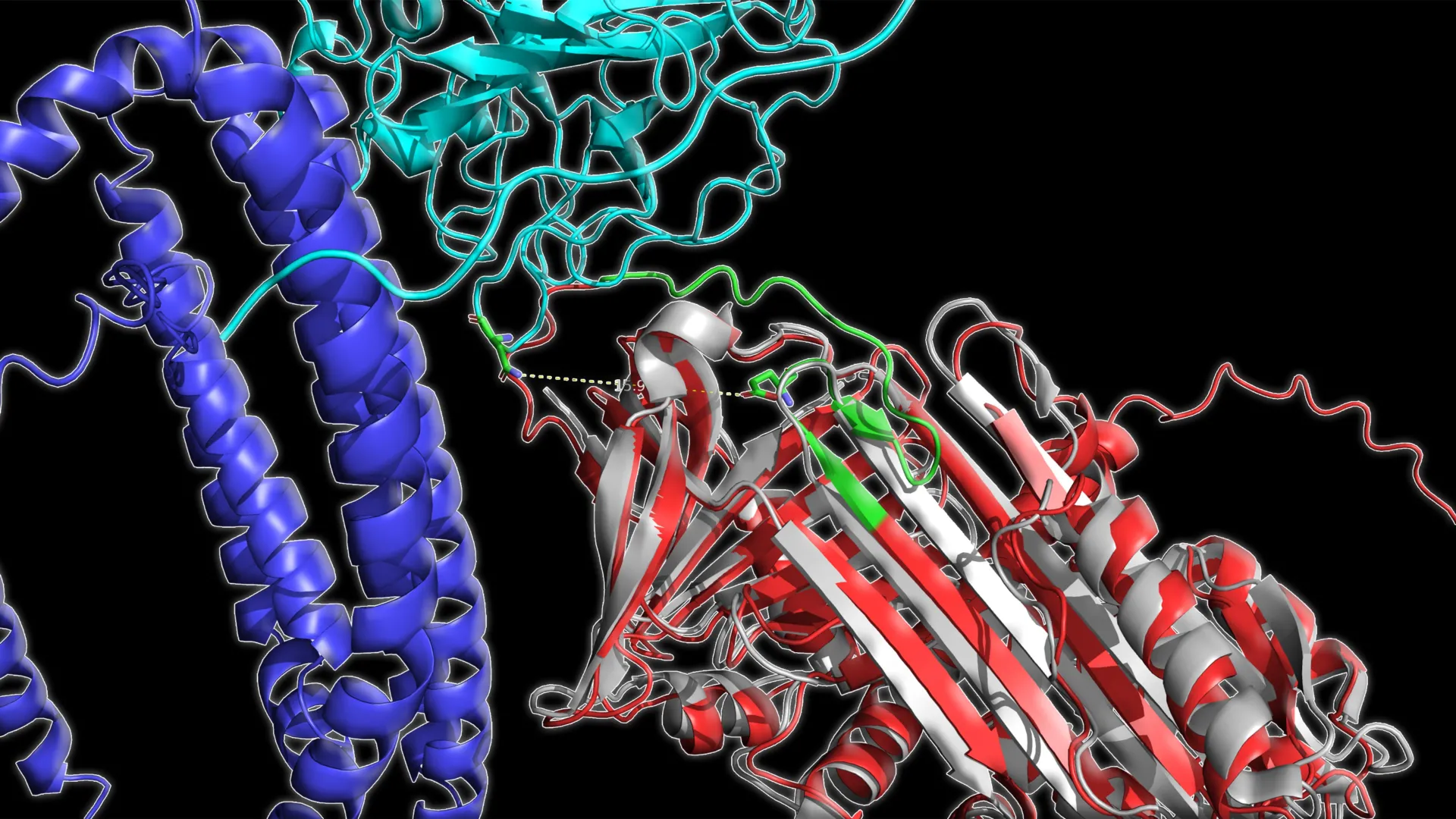
Alzheimer’s disease, a progressive neurodegenerative disorder, currently affects an estimated 7.2 million Americans aged 65 and older, according to alarming statistics from the Alzheimer’s Association. This debilitating condition is the most common cause of dementia, characterized by a relentless decline in cognitive function, memory, and ultimately, independence. The global burden of Alzheimer’s is immense, straining healthcare systems and families alike, with projections indicating a substantial increase in prevalence as populations age worldwide. A critical bottleneck in combating this epidemic has long been the challenge of early and accurate diagnosis.
Current diagnostic methodologies primarily rely on measuring the levels of two hallmark proteins: amyloid beta (Aβ) and phosphorylated tau (p-tau). These biomarkers can be detected in cerebrospinal fluid (CSF) obtained via lumbar puncture, or more recently, through advanced blood tests and Positron Emission Tomography (PET) scans that visualize amyloid plaques and tau tangles directly in the brain. While these established methods have significantly improved diagnostic precision over clinical assessments alone, they possess inherent limitations. CSF collection is invasive, PET scans are expensive and not widely accessible, and even the most advanced blood tests for amyloid and tau often reflect pathological changes that are already well underway. Crucially, these measurements of protein concentration may not fully capture the earliest biological shifts and subtle molecular dysregulations that precede significant neuronal damage and symptomatic onset, thus limiting opportunities for timely intervention.
In a groundbreaking development poised to revolutionize early detection, researchers at Scripps Research have introduced an entirely distinct approach to Alzheimer’s diagnostics. Their innovative blood test shifts the paradigm from merely quantifying protein levels to analyzing the intricate three-dimensional folding patterns of proteins circulating in the bloodstream. The profound implications of their findings, published in the prestigious journal Nature Aging on February 27, 2026, reveal that specific structural differences in three plasma proteins are profoundly linked to an individual’s Alzheimer’s status. This novel method demonstrated an impressive ability to accurately differentiate cognitively normal individuals from those with Alzheimer’s disease and even those experiencing mild cognitive impairment (MCI), a precursor stage often but not always leading to full-blown Alzheimer’s. The potential of this structural profiling method is immense, offering a non-invasive, potentially earlier, and more nuanced diagnostic tool that could pave the way for earlier intervention and more effective treatment strategies.
"Many neurodegenerative diseases are fundamentally driven by subtle, yet critical, changes in protein structure," explains senior author John Yates, a distinguished professor at Scripps Research and a pioneer in proteomics. "The overarching question guiding our investigation was whether these structural aberrations manifest in specific proteins in the periphery—specifically in the blood—in a way that could serve as robust and predictive markers for Alzheimer’s progression." This inquiry delves into a deeper layer of biological complexity, moving beyond simple abundance to the functional integrity of proteins.
Protein Folding and the Breakdown of Proteostasis: A New Lens on Alzheimer’s Pathogenesis
For decades, the prevailing "amyloid hypothesis" has dominated Alzheimer’s research, positing that the accumulation of amyloid plaques in the brain is the primary instigator of the disease, followed by the formation of neurofibrillary tau tangles. While these pathological hallmarks remain central to the understanding of Alzheimer’s, a growing body of scientific evidence suggests that the condition may stem from a more fundamental and pervasive cellular dysfunction: a broader failure in proteostasis. Proteostasis, a portmanteau of "protein" and "homeostasis," refers to the elaborate cellular machinery responsible for maintaining the delicate balance of proteins within a cell. This intricate system ensures that proteins are correctly folded into their precise three-dimensional structures, transported to their appropriate locations, and, crucially, that misfolded or damaged proteins are efficiently identified, refolded, or degraded and cleared.
As individuals age, this sophisticated proteostasis network gradually loses its efficiency and robustness. The cellular machinery responsible for protein quality control becomes less effective, making proteins more susceptible to misfolding during their synthesis or maintenance. This age-related decline in proteostasis is not merely a bystander effect but is increasingly recognized as a key driver in the pathogenesis of numerous age-related diseases, including neurodegenerative disorders. The researchers at Scripps Research hypothesized that if this critical proteostasis system is indeed compromised in the brain, leading to the accumulation of misfolded proteins and cellular stress, similar structural perturbations might also be detectable in proteins circulating throughout the body in the bloodstream. The blood, acting as a dynamic conduit reflecting the physiological state of various organs, including the brain, could thus harbor telltale signs of systemic proteostasis breakdown relevant to Alzheimer’s.
Analyzing Structural Changes in Blood Proteins: A Methodological Breakthrough
To rigorously test their hypothesis, the research team meticulously collected and analyzed plasma samples from a carefully curated cohort of 520 participants. This cohort was strategically divided into three distinct groups, representing the continuum of Alzheimer’s progression: cognitively normal adults (individuals with no signs of cognitive impairment), individuals diagnosed with mild cognitive impairment (MCI, a stage where cognitive decline is noticeable but not severe enough to interfere with daily life, and which often progresses to Alzheimer’s), and patients with a confirmed diagnosis of Alzheimer’s disease. This tripartite classification is crucial for developing a diagnostic tool capable of distinguishing various stages of the disease.
The cornerstone of their analytical methodology was advanced mass spectrometry, a powerful analytical technique used to identify and quantify molecules based on their mass-to-charge ratio. However, instead of merely quantifying protein abundance, the Scripps team employed sophisticated mass spectrometry techniques capable of probing protein structure. Specifically, they focused on determining how "exposed" or "buried" certain specific regions (often individual amino acid residues like lysine sites) were within a protein’s three-dimensional structure. Changes in the accessibility of these sites indicate subtle but significant alterations in the protein’s overall folding and conformation. For instance, a site becoming more buried might suggest a tighter, potentially misfolded or aggregated structure, while increased exposure could point to unfolding or conformational changes that alter its function or stability.
Once this rich, complex structural proteomic data was generated, the scientists leveraged cutting-learning machine learning algorithms. Machine learning, a branch of artificial intelligence, excels at identifying intricate patterns and relationships within vast datasets that might be imperceptible to the human eye. The algorithms were trained on the structural profiles of the known participant groups (normal, MCI, AD) to discern characteristic patterns of protein misfolding linked to each disease stage. This iterative process allowed the creation of a predictive model capable of classifying individuals based solely on their blood protein structural signatures.
The results of this exhaustive analysis revealed a remarkably clear and consistent pattern across all participant groups. As Alzheimer’s disease progressed from cognitive normality to MCI and then to full-blown Alzheimer’s, a distinct trend emerged: some blood proteins consistently became less structurally "open." This observation is highly significant, suggesting that proteins in the bloodstream undergo conformational changes that make them more compact or potentially prone to aggregation, mirroring the broader proteostasis breakdown hypothesized to occur in the brain. Crucially, these structural changes proved to be far more informative and predictive for identifying the stage of Alzheimer’s disease than simply measuring the total concentration of these proteins in the blood, underscoring the novel power of this approach.
Three Proteins Linked to Alzheimer’s Progression: Unveiling Key Molecular Players
Among the multitude of proteins analyzed in the plasma samples, three distinct proteins stood out for their exceptionally strong association with Alzheimer’s disease status and progression. These were C1QA, clusterin (also known as apolipoprotein J or ApoJ), and apolipoprotein B (ApoB). Each of these proteins plays vital roles in diverse biological processes, and their structural perturbation offers compelling insights into the multifaceted pathology of Alzheimer’s.
-
C1QA: This protein is a critical component of the C1 complex, the initial step in the classical complement pathway of the immune system. The complement system is a complex network of proteins that plays a central role in innate immunity, clearing pathogens and cellular debris. However, in the context of neurodegeneration, the complement system can become dysregulated, contributing to chronic neuroinflammation and aberrant synaptic pruning, where synapses are mistakenly eliminated. Structural changes in C1QA could signify an altered, potentially detrimental, immune response occurring early in Alzheimer’s pathogenesis, reflecting heightened inflammatory processes in the brain that spill over into the periphery.
-
Clusterin (ApoJ): Clusterin is a widely expressed glycoprotein known for its chaperone-like activity, meaning it helps other proteins maintain their correct structure and prevents aggregation. It also plays a significant role in lipid transport and, critically, in the clearance of amyloid-beta peptides from the brain. Dysfunctional clusterin could impair the brain’s ability to remove toxic Aβ, thereby contributing to plaque formation. Its structural alteration in the blood could therefore be a direct reflection of a failing amyloid clearance mechanism and a stressed proteostasis system.
-
Apolipoprotein B (ApoB): ApoB is the primary protein component of low-density lipoprotein (LDL) particles, which are responsible for transporting fats, including cholesterol, throughout the bloodstream. It is intrinsically linked to cardiovascular health and, increasingly, to cerebrovascular health. The integrity of the blood-brain barrier and proper vascular function are now recognized as crucial factors in Alzheimer’s disease, with vascular pathology often co-occurring with amyloid and tau pathology. Structural changes in ApoB could signal disruptions in lipid metabolism or vascular integrity that contribute to, or are a consequence of, the early stages of Alzheimer’s.
"The correlation we observed was truly amazing," exclaims co-author Casimir Bamberger, a senior scientist at Scripps Research who played a pivotal role in the study. "It was genuinely surprising to discover that structural changes at three specific lysine sites on three entirely different proteins correlated so highly and consistently with the disease state across our diverse participant groups." The specificity of these lysine sites is particularly important, as structural changes at discrete points often have profound implications for a protein’s function, stability, and interaction with other molecules. This precision suggests a finely tuned molecular signature rather than a generalized, non-specific perturbation.
The predictive power of these structural signatures was remarkable. The changes at specific sites within C1QA, clusterin, and ApoB enabled the researchers to classify participants into the three categories—cognitively normal, MCI, or Alzheimer’s—with an impressive overall accuracy of approximately 83%. When the classification task was simplified to a direct comparison between just two groups, for instance, distinguishing healthy individuals from those with MCI, the accuracy rate soared to over 93%. This level of accuracy is highly competitive with, and in some aspects surpasses, the diagnostic capabilities of current blood-based biomarkers for early Alzheimer’s detection, particularly for differentiating early stages like MCI.
Tracking Alzheimer’s Over Time: Validation and Clinical Utility
The robustness of the Scripps Research team’s novel three-protein model was further validated through stringent testing. The model remained reliable and accurate when applied to independent participant groups, confirming its generalizability beyond the initial training cohort. More compellingly, the researchers also analyzed blood samples collected from the same individuals months apart, providing crucial insights into the longitudinal stability and predictive power of the test.
In these repeat tests, taken several months apart, the structural protein panel identified disease status with approximately 86% accuracy. This longitudinal consistency is paramount for any diagnostic tool intended for clinical use, as it demonstrates that the structural changes are not transient but rather stable indicators of underlying disease processes. Furthermore, the test was capable of reflecting changes in diagnosis over time, suggesting its potential utility in monitoring disease progression or regression in response to therapeutic interventions. For example, if an individual’s structural profile shifts from an MCI-like signature towards a more cognitively normal pattern, it could indicate a positive response to treatment.
Beyond its diagnostic and prognostic capabilities, the structural score derived from the protein analysis also exhibited a strong relationship with established cognitive test results, such as scores from the Mini-Mental State Examination (MMSE) or Montreal Cognitive Assessment (MoCA), which are standard tools for evaluating cognitive function. This correlation provides a critical link between the molecular changes detected in the blood and observable clinical manifestations of the disease. Additionally, the structural score showed a more moderate but still significant association with MRI measurements of brain shrinkage (atrophy), a physical hallmark of neurodegeneration. These correlations with both cognitive and structural brain changes underscore the biological relevance of the protein folding signatures and their potential to serve as objective, quantifiable markers of disease severity.
Collectively, these compelling findings strongly suggest that analyzing protein structure in the blood could serve as a powerful complement to existing amyloid and tau tests. While amyloid and tau biomarkers directly reflect the presence of the hallmark pathological proteins, the structural protein folding method offers a unique window into the broader systemic breakdown of proteostasis and the early cellular stress responses that may precede or accompany these aggregations. Because this method focuses on structural changes intrinsically connected to the underlying biology of the disease—the very mechanisms by which proteins malfunction and contribute to pathology—it may equip researchers and clinicians with a more comprehensive understanding of disease stages, facilitate more precise monitoring of disease progression, and provide an invaluable tool for evaluating the efficacy of emerging Alzheimer’s treatments.
Future Applications and Next Steps: Paving the Way for Precision Medicine in Alzheimer’s
"Detecting markers of Alzheimer’s disease at its earliest possible stages is absolutely critical to the successful development and implementation of effective therapeutics," emphasizes Professor Yates. The current landscape of Alzheimer’s treatment, particularly with the advent of amyloid-targeting immunotherapies like aducanumab, lecanemab, and donanemab, highlights this urgency. These treatments are most effective, if at all, when administered very early in the disease course, ideally before significant and irreversible neuronal damage has occurred. "If treatment can commence before substantial damage has been inflicted upon brain tissue, there is a far greater probability that it may be possible to better preserve long-term memory and cognitive function, ultimately improving the quality of life for millions," Yates adds, articulating the profound clinical aspiration driving this research.
Before this innovative blood test can be widely adopted in clinical settings and become a standard diagnostic tool, further rigorous validation is indispensable. The immediate next steps involve conducting larger, multi-center studies encompassing more diverse patient populations and incorporating longer follow-up periods. These extensive trials are crucial to confirm the generalizability, reproducibility, and long-term predictive accuracy of the results across various demographic and genetic backgrounds. Furthermore, researchers are actively exploring the broader applicability of this same structural profiling method to other debilitating diseases. The principle of protein misfolding and proteostasis dysfunction is not unique to Alzheimer’s but is a central theme in many other neurodegenerative conditions, including Parkinson’s disease, Huntington’s disease, and amyotrophic lateral sclerosis (ALS), as well as certain types of cancer. This suggests that the methodological breakthrough developed at Scripps Research could have far-reaching implications for diagnostics across a spectrum of human illnesses.
The development of this novel blood test marks a significant leap forward in the quest for early and accurate Alzheimer’s diagnosis. By offering a non-invasive window into the subtle structural changes of blood proteins, it holds the potential to identify individuals at risk or in the earliest stages of the disease, long before overt symptoms manifest. This capability is not merely an academic achievement but a beacon of hope for patients and their families, promising a future where early detection enables timely intervention, potentially altering the devastating trajectory of Alzheimer’s disease and improving long-term cognitive outcomes.
In addition to senior author John Yates and co-author Casimir Bamberger, the dedicated team of researchers involved in the study, titled "Structural signature of plasma proteins classifies the status of Alzheimer’s disease," included Ahrum Son, Hyunsoo Kim, and Jolene K. Diedrich of Scripps Research. Collaborators from other esteemed institutions included Heather M. Wilkins, Jeffrey M. Burns, Jill K. Morris, and Russell H. Swerdlow of the University of Kansas Medical Center, and Robert A. Rissman of the University of California San Diego.
This groundbreaking research was made possible through generous support provided by the National Institutes of Health, specifically through grants RF1AG061846-01, 5R01AG075862, P30AG072973, and P30-AG066530, underscoring the critical role of federal funding in advancing biomedical science.
