
 By admin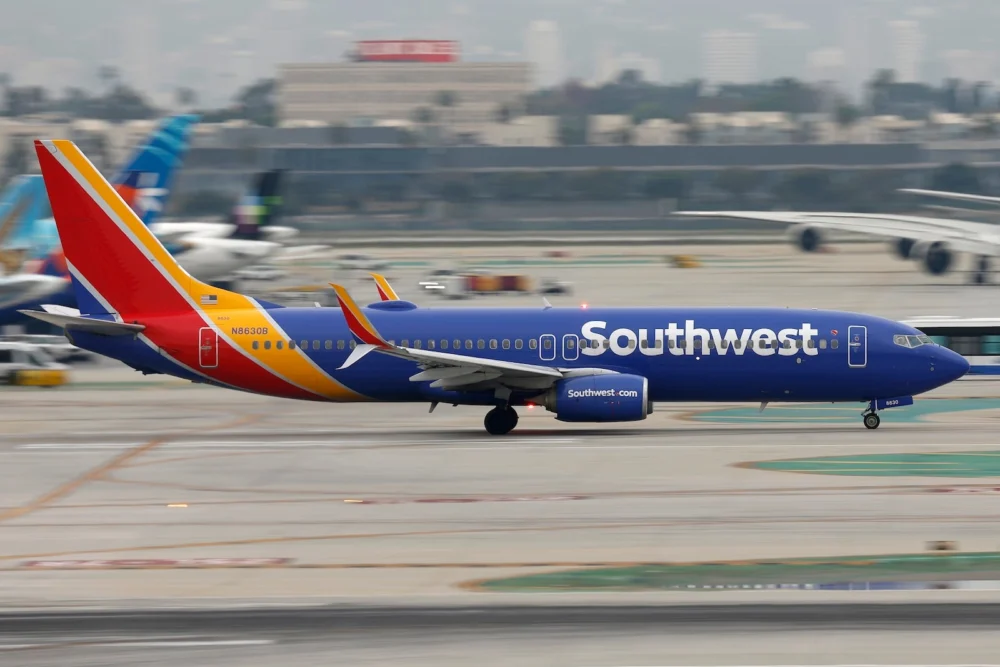
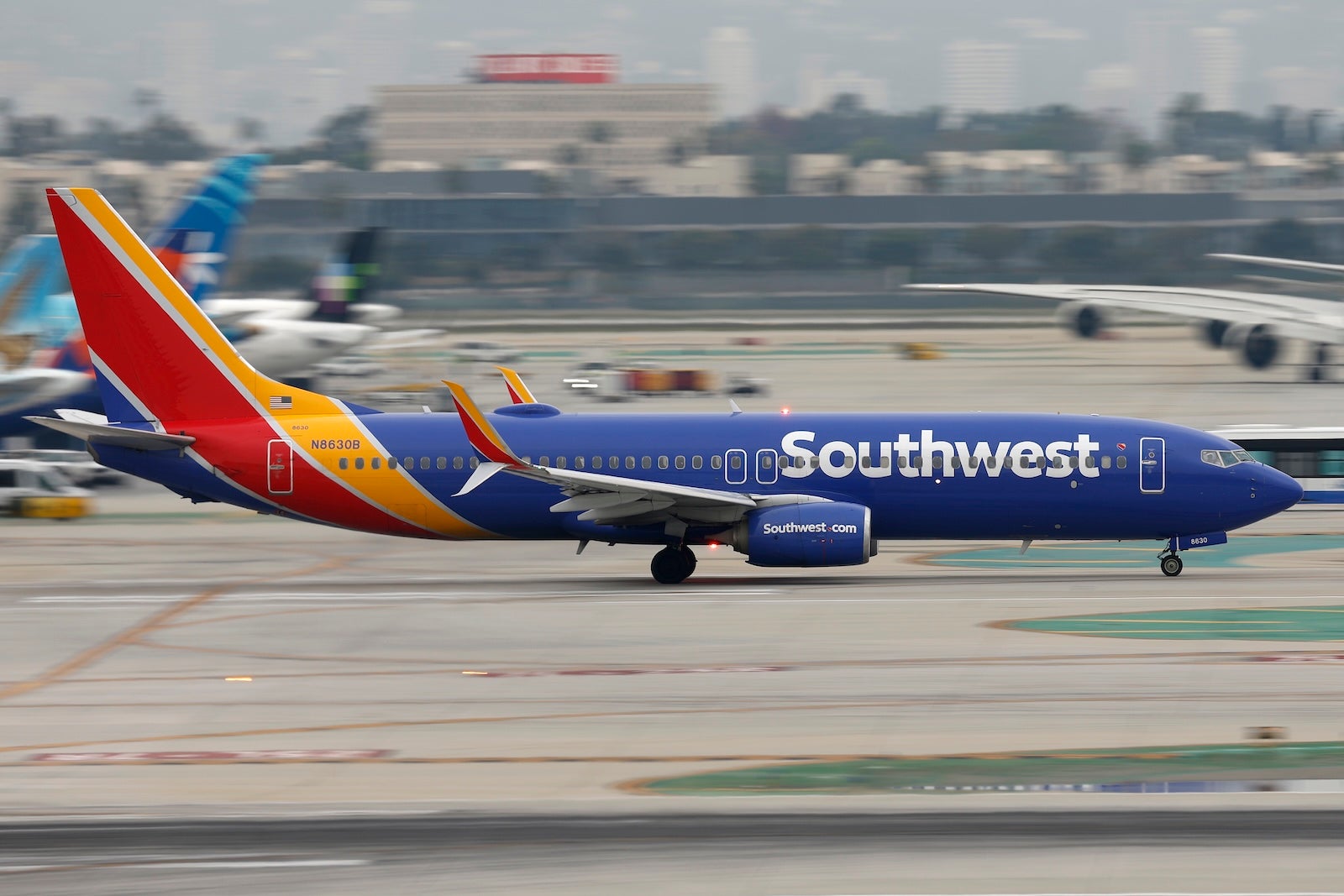
The Dallas-based carrier, long known for its disruptor status in the aviation industry, has officially confirmed that it will terminate all operations at Chicago’s O’Hare International Airport (ORD) and Washington, D.C.’s Dulles International Airport (IAD) effective June 4, 2026. This decision marks a significant retrenchment for the airline in two of the nation’s most competitive aviation markets and signals a definitive shift in the company’s long-term operational philosophy. A Southwest spokesperson characterized the move as a vital component of the airline’s "ongoing efforts to refine its network," prioritizing financial sustainability and operational efficiency over sheer geographic footprint. As the airline industry continues to grapple with fluctuating demand, rising labor costs, and infrastructure constraints, Southwest is opting to double down on its primary strongholds rather than maintain a secondary presence in high-cost, legacy-dominated hubs.
The departure from O’Hare and Dulles is not an isolated event but rather a symptom of a much larger transformation currently sweeping through Southwest Airlines. Under the leadership of CEO Bob Jordan, the carrier is navigating one of the most turbulent periods in its five-decade history. For years, Southwest prided itself on a unique business model characterized by point-to-point flying, a single aircraft type, no-frills service, and open seating. However, under pressure from activist investors and changing consumer preferences, the airline is in the midst of a radical evolution. Recent announcements have included the abandonment of its iconic open-seating policy in favor of assigned seats, the introduction of "premium" seating with extra legroom, and the development of the airline’s first-ever airport lounges. These shifts are designed to capture a larger share of the high-yield business travel market and boost overall profitability, which has lagged behind some of its "Big Three" competitors—Delta, United, and American—in recent fiscal quarters.
The narrative of Southwest at Chicago O’Hare is particularly telling of the industry’s volatility over the last five years. Southwest famously entered O’Hare in early 2021, a move that was viewed as a bold "land grab" during the depths of the COVID-19 pandemic. At the time, legacy carriers were significantly scaling back their operations, leaving valuable gate space and slot opportunities available. Southwest seized the chance to establish a presence at one of the world’s busiest airports, supplementing its massive operation at Chicago Midway International Airport (MDW). However, as the travel industry recovered, the competitive landscape at O’Hare intensified. The airport has become the primary theater for a high-stakes "turf war" between American Airlines and United Airlines. Both legacy carriers have been aggressively adding capacity at ORD to maintain their gate allocations under the airport’s stringent "use-it-or-lose-it" policies. This surge in traffic eventually led the Federal Aviation Administration (FAA) to step in and cap flight volumes for the summer of 2026 to prevent catastrophic delays and congestion.
For Southwest, the financial math at O’Hare simply stopped adding up. CEO Bob Jordan noted as early as April 2024 that the airline was scrutinizing every route for a clear "path to the level of financial performance that we need." At O’Hare, Southwest found itself squeezed by high landing fees, intense competition from two legacy hubs, and the operational inefficiencies of splitting its Chicago workforce between two major airports. By consolidating its Chicago operations at Midway, Southwest returns to its roots. Midway is an airport where Southwest is the undisputed king; aviation analytics from Cirium indicate that Southwest will account for more than 90% of all departures from MDW in 2026. By focusing on Midway, the airline can maximize its economies of scale, improve aircraft turnaround times, and offer a more streamlined experience for its loyal "Rapid Rewards" members in the Midwest.
The situation at Washington Dulles International Airport (IAD) follows a similar logic of regional consolidation. Southwest’s history at Dulles spans two decades, having first entered the market to provide a balance to its massive hub at Baltimore/Washington International Thurgood Marshall Airport (BWI). However, the airline’s strategic priorities in the D.C. region shifted dramatically following its 2012 merger with AirTran Airways. That merger gave Southwest a significant foothold at Ronald Reagan Washington National Airport (DCA), which is preferred by many business travelers due to its proximity to the city center. Since the acquisition of DCA slots, service at Dulles has remained largely stagnant. For the past 12 years, the only consistent route Southwest maintained from IAD was to Denver International Airport (DEN). In the current economic climate, maintaining a "third" airport in a single metropolitan area—especially one dominated by United Airlines’ hub operations—became an unnecessary luxury. Southwest will now focus its D.C.-area resources on BWI, where it remains the dominant carrier, and DCA, where it currently holds the position of the second-largest airline by seat capacity, trailing only American Airlines.
This retrenchment is also a reflection of Southwest’s broader capacity discipline. In early 2026, executive leadership indicated that the airline plans to grow its available seat miles (ASMs) by only 1% to 2% year-over-year. This conservative growth strategy is a departure from the aggressive expansionism of the previous decade. Several factors are driving this caution, including ongoing delays in aircraft deliveries from Boeing. Southwest, which operates an all-Boeing 737 fleet, has been significantly impacted by the production slowdowns and certification delays of the MAX 7 and MAX 8 models. Without a steady stream of new aircraft, the airline must be surgical in how it deploys its existing fleet, moving planes away from underperforming markets like ORD and IAD to high-demand leisure routes or core business corridors.
Industry analysts suggest that Southwest’s exit from these major hubs may also be a precursor to more ambitious international plans. As the airline moves toward a more traditional "premium" service model, rumors have circulated regarding the possibility of long-haul intercontinental flights. While Southwest has traditionally stayed within the Western Hemisphere, flying to destinations in Mexico, Central America, and the Caribbean, the move toward assigned seating and potential first-class cabins makes the airline more compatible with the expectations of long-haul travelers. Refining the domestic network by cutting "redundant" service at airports like O’Hare and Dulles frees up the capital and aircraft necessary to explore these new frontiers.
For the travelers impacted by these changes, Southwest has outlined a comprehensive transition plan. Passengers who have already booked flights to or from ORD and IAD for dates after June 4, 2026, are being contacted with options for re-accommodation. In the D.C. market, travelers can rebook their flights to BWI, DCA, Philadelphia International Airport (PHL), or Richmond International Airport (RIC) at no additional cost. In the Chicago market, passengers can shift their itineraries to Midway (MDW), Indianapolis (IND), or Milwaukee (MKE). For those who find these alternatives inconvenient, the airline is offering full refunds. This "co-terminal" rebooking strategy is designed to retain customer loyalty while the airline transitions its infrastructure.
The broader aviation sector is watching Southwest’s evolution closely. The airline is essentially attempting to "mid-life" its brand, moving away from its low-cost carrier (LCC) roots to become a sophisticated hybrid carrier that competes directly with legacy airlines on service while maintaining a lower cost structure. The closure of the O’Hare and Dulles stations is a clear signal that the "new" Southwest will not hesitate to cut ties with historical experiments if they do not meet the rigorous profitability standards of the current era. As June 4, 2026, approaches, the departure of the "LUV" airline from two of the nation’s most iconic airports will mark the end of an era and the beginning of a more focused, margin-driven chapter in the history of Southwest Airlines. This strategic pivot highlights the reality of modern aviation: in a world of limited gates, delayed aircraft, and soaring costs, even the industry’s most storied players must choose their battles wisely. For Southwest, the battle for the future will be fought in the airports where they can dominate, rather than in the hubs where they are merely guests.
