
 By admin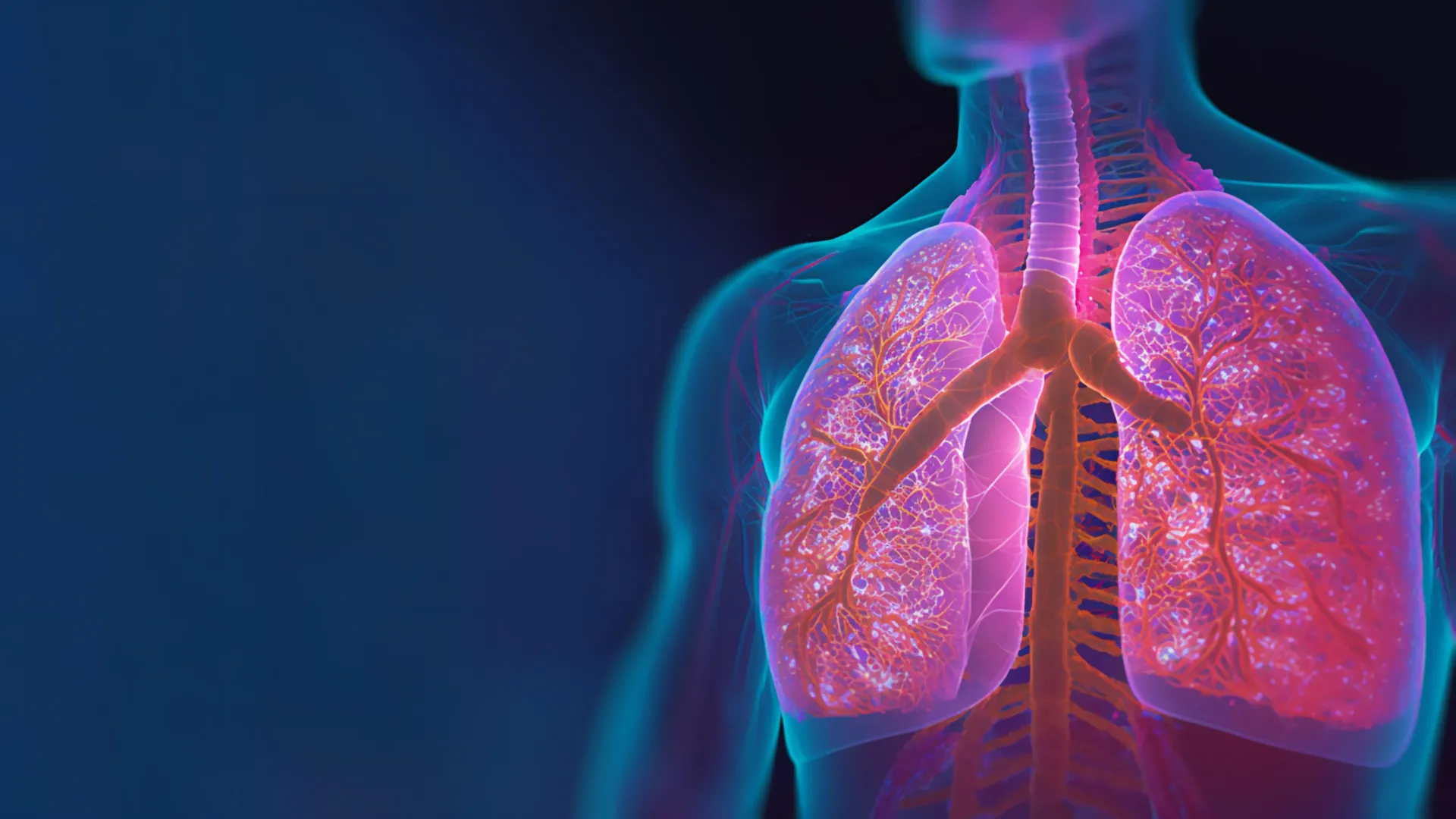
This discovery adds a critical dimension to our understanding of the long-term health consequences of severe respiratory illnesses, moving beyond the immediate challenges of acute infection and the more recently recognized "Long COVID" syndromes. It posits that the very act of fighting off a severe viral assault can leave an indelible mark on lung tissue, transforming it into a more hospitable environment for malignant cells, months or even years down the line.
Researchers, spearheaded by UVA School of Medicine scientist Jie Sun, PhD, unveiled that severe respiratory infections possess the capacity to profoundly alter the immune cellular landscape within the lungs. These alterations are not transient; they can persist, establishing a milieu that actively supports tumor growth long after the initial viral threat has subsided. Given these compelling findings, the scientific team advocates for heightened vigilance, recommending that healthcare providers implement closer monitoring strategies for patients who have recovered from severe bouts of COVID-19, influenza, or other forms of viral pneumonia. The rationale is clear: early detection of lung cancer, when treatment options are most efficacious, could significantly improve patient outcomes and survival rates.
"A bad case of COVID or flu can leave the lungs in a long-lasting ‘inflamed’ state that makes it easier for cancer to take hold later," explained Dr. Sun, who serves as co-director of UVA’s esteemed Carter Center and is a distinguished member of UVA’s Division of Infectious Diseases and International Health. His statement underscores the insidious nature of this post-viral transformation. "The encouraging news is that vaccination largely prevents those harmful changes for cancer growth in the lung," he added, highlighting the preventive power of immunological preparedness. This dual insight – identifying a significant new risk factor and a powerful preventive measure – holds profound implications for public health strategies and clinical practice.
The Unseen Aftermath: Viral Infections and Cancer Link
For decades, medical science has recognized the intricate relationship between chronic inflammation and cancer. Conditions like inflammatory bowel disease and chronic hepatitis are known precursors to certain cancers, illustrating how persistent immune responses can drive cellular damage and aberrant growth. What this new UVA research illuminates is a previously underappreciated pathway: how an acute, severe viral infection can trigger an inflammatory cascade that, instead of fully resolving, leaves behind a persistent "scarring" at the cellular level, fostering a fertile ground for oncogenesis.
Respiratory illnesses, particularly those caused by influenza viruses and SARS-CoV-2, represent some of the most pervasive sources of acute lung injury globally. While the immediate damage and subsequent repair mechanisms are well-studied, the long-term implications for cancer risk have remained largely opaque. Dr. Sun and his dedicated team embarked on a comprehensive investigation to bridge this knowledge gap, scrutinizing the long-term effects of severe lung infections across both meticulously controlled laboratory mouse models and expansive human patient cohorts.
The results were unequivocally striking, painting a consistent picture across species. In the laboratory setting, mice subjected to severe lung infections exhibited a significantly higher propensity to develop lung cancer subsequently, and tragically, were also more likely to succumb to the disease. This preclinical evidence provided a robust foundation for examining human data. When the researchers meticulously analyzed patient records, they uncovered a disturbing, yet corroborative, pattern: individuals with a documented history of hospitalization due to COVID-19 displayed a discernibly elevated rate of subsequent lung cancer diagnoses.
Specifically, the detailed analysis revealed a 1.24-fold increase in the incidence of lung cancer among patients who had endured severe COVID-19 requiring hospitalization. Crucially, this elevated risk factor was observed consistently, irrespective of traditional lung cancer risk factors such as smoking history or the presence of other pre-existing medical conditions, commonly referred to as "comorbidities." This independence from established risk factors suggests a novel, direct pathway through which severe viral infections contribute to cancer development.
"These findings have important immediate implications for how we monitor patients after severe respiratory viral infection," remarked Jeffrey Sturek, MD, PhD, a distinguished UVA physician-scientist who played a collaborative role in this pivotal study. Dr. Sturek further elaborated on the shift in perspective necessitated by these findings: "We’ve known for a long time that things like smoking increase the risk for lung cancer. The results from this study suggest that we may need to think about severe respiratory viral infection similarly. For example, in some patients who are at high risk for lung cancer based on smoking history, we recommend close monitoring with routine screening CT scans of the lungs to catch cancer early. In future studies, we may want to consider a similar approach after severe respiratory viral infection." His statement highlights a potential paradigm shift in lung cancer screening guidelines, urging a re-evaluation of who qualifies as "high-risk."
Immune Changes That Create a Pro-Tumor Environment
To unravel the underlying biological mechanisms driving this increased cancer risk, the researchers leveraged sophisticated experimental models in mice. These studies provided an unprecedented glimpse into the cellular and molecular transformations occurring within the lungs post-infection. The team observed profound and sustained alterations in key immune cell populations: neutrophils and macrophages. These cells are typically frontline defenders, crucial for orchestrating the immune response and clearing pathogens, but after severe infection, their behavior was markedly changed.
Specifically, a subset of neutrophils, instead of returning to their quiescent state or undergoing apoptosis, began to exhibit abnormal behaviors. These "reprogrammed" neutrophils contributed to a persistent, low-grade inflammatory state that the scientists characterized as "pro-tumor." This means the environment was no longer primarily focused on pathogen eradication but had shifted to one that actively supports and nurtures cancer cell proliferation, survival, and metastasis. Macrophages, similarly, underwent phenotypic changes, potentially transforming into tumor-associated macrophages (TAMs), which are known to suppress anti-tumor immunity and promote angiogenesis (new blood vessel formation essential for tumor growth).
Beyond immune cells, the scientists also identified significant and enduring changes in the epithelial cells that form the delicate lining of the lungs and the crucial alveoli – the tiny air sacs responsible for gas exchange. Damage to these epithelial cells, coupled with chronic inflammation, can lead to abnormal repair processes, cellular metaplasia (where one cell type is replaced by another), and increased susceptibility to mutations, all of which are hallmarks of early cancer development. The cumulative effect of these cellular dysregulations is a lung environment primed for malignancy.
Vaccination May Protect the Lungs
Amidst these concerning discoveries, the study delivered a powerful message of hope and a clear actionable recommendation for public health. Prior vaccination against respiratory viruses appeared to effectively block or significantly mitigate many of the deleterious lung changes linked to cancer development. This protective effect underscores the multifaceted benefits of vaccination, extending far beyond the prevention of acute illness.
Vaccines function by priming the immune system, enabling it to mount a swifter, more targeted, and more effective response upon actual exposure to a pathogen. This robust initial response typically reduces the severity of the infection, often preventing the extensive tissue damage and prolonged inflammatory states that characterize severe illness. The research suggests that by blunting the severity of the initial infection, vaccines indirectly prevent the long-term cellular reprogramming and inflammatory scarring that create the pro-tumor environment.
It is crucial to note the precise delineation observed in the study: the increased cancer risk was predominantly, if not exclusively, associated with individuals who had experienced severe COVID-19. Conversely, individuals who endured only mild infections did not exhibit this elevated risk. In fact, the data suggested a slight, though not statistically significant, decrease in lung cancer incidence among those with mild infections. This distinction highlights that it is the severity of the immune response and the resulting lung damage, rather than mere exposure to the virus, that drives the increased cancer risk. Mild infections, perhaps by inducing a transient, well-controlled inflammatory response that clears the pathogen without leaving lasting detrimental marks, may even confer some immunological benefits or, at the very least, do not contribute to long-term oncogenic risk.
Despite the encouraging role of vaccination, the scientists issue a sober warning: the millions of people worldwide who survived severe COVID-19 or other serious respiratory infections could represent a substantial cohort facing a higher, albeit previously unrecognized, risk of lung cancer in the years to come.
"With tens of millions of people globally experiencing long-term pulmonary [COVID-19] sequelae, these findings carry significant implications for clinical care," the researchers articulated in their seminal scientific paper. They further emphasized the practical implications: "Individuals recovering from severe viral pneumonia, particularly those with smoking history, may benefit from enhanced lung cancer surveillance, and preventing severe infection through vaccination may confer indirect cancer protection benefits." This statement encapsulates the urgent need for both proactive screening and continued vaccination efforts.
Implications for Early Detection and Treatment
The implications of Dr. Sun’s work and that of his colleagues are far-reaching. Their primary objective is to empower clinicians with the knowledge to better identify patients who may be silently harboring an increased risk of lung cancer following a severe respiratory infection. By integrating this new risk factor into clinical assessments, doctors can potentially initiate earlier and more targeted surveillance. Earlier detection of lung cancer is unequivocally linked to improved treatment outcomes, higher rates of successful intervention, and ultimately, enhanced patient survival.
Furthermore, the team envisions their findings as a guiding beacon for the development of novel therapeutic and preventative strategies. If the mechanisms by which severe infections create a pro-tumor environment are better understood, it opens avenues for interventions that could specifically target these pathways. This could involve immunomodulatory drugs to dampen chronic inflammation, agents that reverse cellular reprogramming, or even personalized approaches tailored to an individual’s post-viral lung signature.
"Our goal is to help doctors identify who may be at higher risk of lung cancer after a severe infection, and develop targeted ways to prevent and treat lung cancer after prior pneumonia," Dr. Sun reiterated, emphasizing the translational potential of his research. "We also believe that vaccines don’t just prevent acute hospitalization after contracting the virus. They may also reduce the long-term fallout of severe infection, including the kind of immune scarring that can increase cancer risk." This expanded understanding of vaccine benefits provides an even more compelling argument for widespread immunization.
Advancing Biomedical Research at UVA
This groundbreaking research is a testament to the collaborative and innovative spirit fostered at UVA Health. Improving the understanding and treatment of complex diseases like cancer, particularly those with previously unrecognized viral links, is a central mission of UVA’s Paul and Diane Manning Institute of Biotechnology. The institute is specifically designed to accelerate such innovative research, providing the infrastructure and support necessary to translate laboratory discoveries into tangible new treatments and diagnostic tools more rapidly.
The UVA Beirne B. Carter Center for Immunology Research (CIC), which played a pivotal role in this study, was established through the visionary generosity of Beirne B. Carter, and the Beirne Carter Foundation continues to be a vital supporter of its cutting-edge research endeavors. Scientists at CIC delve into a broad spectrum of health challenges, including infections, cancer, cardiovascular disease, chronic lung conditions, the intricate role of the microbiome, and autoimmune disorders, all with the ultimate goal of developing novel therapies and cures that transform patient lives.
Further cementing UVA’s leadership in oncology, the UVA Comprehensive Cancer Center holds the prestigious "comprehensive" designation from the National Cancer Institute. This elite recognition, bestowed upon only 57 cancer centers in the United States, acknowledges the center’s unwavering excellence in patient care, its commitment to advanced cancer research, and its robust programs for community outreach and education.
Findings Published in Cell
The seminal findings from Dr. Sun and his distinguished collaborators were published in the highly esteemed scientific journal Cell, a testament to the rigor and significance of their work. The extensive research team included Wei Qian, Xiaoqin Wei, Andrew J. Barros, Xiangyu Ye, Haibo Zhang, Qing Yu, Samuel P. Young, Eric V Yeatts, Yury Park, Chaofan Li, Sijie Hao, Gislane Almeida-Santos, Jinyi Tang, Harish Narasimhan, Nicole A Kirk, Valeria Molinary, Ying Li, Li Li, Bimal N. Desai, Peter Chen, Kwon-Sik Park, Anny Xiaobo, Jeffrey M. Sturek, Wei Chen, In Su Cheon and Sun. This multidisciplinary roster highlights the collaborative nature of modern biomedical research, bringing together diverse expertise to tackle complex health challenges.
The monumental effort behind this research was made possible through substantial funding from a consortium of prestigious organizations. Key support came from the National Institutes of Health, with grants AI147394, AG069264, AI112844, HL170961, AI176171, AG090337, R01HL179312, F31HL170746, T32AI007496, T32CA009109, R01AI155808, and R01HL162783. Additional crucial support was provided by a UVA Comprehensive Cancer Center Collaborative Grant, U01CA224293; a UVA Pinn Scholar Award; a UVA Shannon Fellowship; a UVA Comprehensive Cancer Center Lung TRT Pilot Grant; an American Lung Association Catalyst Grant, T32GM139787-01; and a UVA Parsons-Weber-Parsons Fellowship. This robust financial backing underscores the recognized importance and potential impact of this critical research on global public health.
