
 By Isnaini Azizah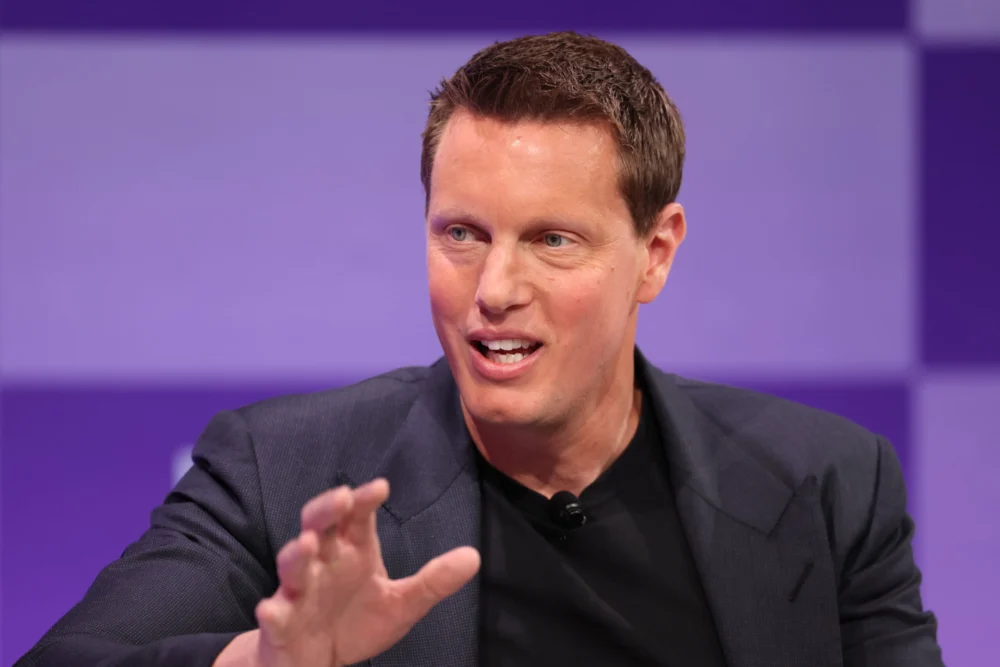
The tectonic plates of Hollywood are shifting, signaling the potential end of a decades-long era of Disney dominance and the emergence of a consolidated superpower capable of dictating the rhythm of the global film industry. With Paramount Skydance poised to finalize its acquisition of Warner Bros. Discovery (WBD), the entertainment landscape is bracing for a merger that could fundamentally alter how movies are produced, marketed, and consumed. This massive union, carrying a staggering enterprise value of $111 billion, represents more than just a corporate consolidation; it is a calculated bid by David Ellison, the CEO of Paramount Skydance, to reclaim the theatrical throne and create a production pipeline of unprecedented scale.
The centerpiece of Ellison’s vision is a commitment to high-volume theatrical output, a strategy that runs counter to the "quality over quantity" retrenchment seen at other major studios in the post-pandemic era. Speaking at the Bloomberg Screentime conference in Los Angeles, Ellison reaffirmed a bold promise: the combined entity will not scale back. Instead, the goal is to produce 30 feature films per year—a symmetrical split of 15 titles from the Paramount banner and 15 from Warner Bros. For an industry that has seen theatrical releases dwindle as streaming services pivoted toward internal content, this "30-movie mandate" is a shot across the bow of competitors like Disney, Universal, and Netflix.
However, the path to this cinematic hegemony is paved with regulatory hurdles and logistical complexities. The deal currently awaits the green light from regulators in both the United States and Europe, where antitrust concerns regarding media concentration remain a perennial point of contention. If approved, the merger would unite two of the "Big Five" legacy studios, creating a library of intellectual property (IP) that spans nearly a century of film history.
As the industry looks toward the 2027 calendar, the combined strength of these two giants is already coming into focus. Currently, the joint slate for 2027 includes 26 confirmed theatrical releases, a number that is expected to grow as more projects are announced at the upcoming CinemaCon conference in Las Vegas. This "behemoth of a slate" is heavily weighted toward Warner Bros. titles, which traditionally command the highest budgets and generate the most significant global box office returns. The 2027 Warner Bros. lineup is a "who’s who" of blockbuster IP, featuring new installments from the MonsterVerse (Godzilla-Kong), the DC Universe (Superman and Batman), and the burgeoning Minecraft franchise. Additionally, the studio plans to leverage nostalgia and genre dominance with new entries in the Conjuring universe, Gremlins, and the high-fantasy world of Lord of the Rings.
Paramount’s contribution to the 2027 slate offers a strategic counterpoint to Warner’s heavy-hitters. While Paramount’s franchises—including Sonic the Hedgehog, Paranormal Activity, A Quiet Place, and Teenage Mutant Ninja Turtles—tend to operate on more modest budgets, they have proven to be exceptionally reliable profit engines. According to data from Comscore, while no individual film in these four Paramount franchises has yet eclipsed the $350 million mark globally, their lower production and marketing costs ensure high margins. In contrast, Warner Bros. aims for the stratosphere. The studio’s recent track record includes the 2025 "The Conjuring: Last Rites" which neared $500 million, "The Batman" at $772 million, and "A Minecraft Movie," which approached the coveted $1 billion milestone.
Paul Dergarabedian, the head of marketplace trends at Comscore, suggests that this synergy could be the "perfect storm" for box office dominance. "When you look at the films on the horizon from the PAR/WBD combo, it is most impressive," Dergarabedian told CNBC. "It may not be an overstatement to say that that slate could indeed have the potential to generate the biggest single studio box office in 2027." This potential for dominance was a primary motivator for David Ellison, who engaged in a high-stakes bidding war against industry titans Comcast and Netflix to secure the Warner Bros. board’s approval. In the previous fiscal year, Warner Bros. finished as the second-highest-grossing studio globally, while Paramount held the fifth position. Combined, their market share would comfortably eclipse that of the current leaders.
Despite the optimistic projections, industry analysts remain cautious. The history of Hollywood mergers is often a story of contraction rather than expansion. When Disney acquired 20th Century Fox in 2019, the industry saw a significant reduction in the total number of films released as the parent company sought to eliminate redundancies and focus on its core brands. Shawn Robbins, director of analytics at Fandango and founder of Box Office Theory, notes that doubling up two major slates is a "tricky feat" that carries inherent risks. "Nothing is ever certain when it comes to assuming a potential annual box office winner," Robbins said. "That’s especially true when the likes of Disney and Universal will each bring out their own heavy-hitters next year."
Indeed, Disney is not expected to relinquish its crown without a fight. The House of Mouse has its own formidable 2027 lineup, featuring massive tentpoles from the Avengers, Star Wars, and Frozen franchises, along with a revival of the Ice Age series. The competition for "share of wallet" among moviegoers will be fiercer than ever, particularly as the industry continues to grapple with the long-term effects of the pandemic and the shift in consumer habits toward streaming.
One of the most pressing logistical challenges for the unified Paramount-Warner house is the "calendar crunch." There are only 52 weekends in a year, and the prime "tentpole" windows—summer blockbusters and holiday releases—are limited. Releasing 30 movies a year means the studio will effectively be competing against itself. To avoid "audience cannibalization," where two of the studio’s own films drain each other’s ticket sales, the marketing and distribution teams will need to be surgically precise.
Robbins points out that rival studios usually avoid releasing major films on the same weekend unless they cater to vastly different demographics—the "Barbenheimer" phenomenon being a rare exception where counter-programming worked in favor of both films. In the current 2027 schedule, Paramount is slated to release "Sonic the Hedgehog 4" just seven days before Warner Bros. launches "Godzilla X Kong: Supernova." Such a tight window for two family-friendly, action-oriented films is risky. "It wouldn’t be a shock to see one of those shifted earlier or later on the calendar," Robbins observed, "since the parent studio will want to minimize risk and do what’s best for the financial bottom line."
Beyond the scheduling, there is the question of sustainability. The overhead required to market 30 major theatrical releases is astronomical. Traditional industry wisdom suggests that as studios merge, they consolidate their marketing departments and streamline their release schedules to maximize efficiency. Ellison’s promise to maintain a high volume of production is an ambitious departure from this norm. Critics wonder if the pressure from shareholders for immediate profitability will eventually lead to the very layoffs and production cuts that Ellison has vowed to avoid.
The broader implications for the theatrical industry are significant. Theater owners, who have struggled with a lack of consistent product over the last four years, are likely to welcome Ellison’s high-volume strategy. A steady stream of 30 films from a single corporate entity provides the "consistent floor" that cinemas need to remain viable. However, the concentration of so much power in one entity could also give the new Paramount-Warner behemoth unprecedented leverage in negotiations over theater rental terms and "windows" (the length of time a film plays exclusively in theaters before moving to digital platforms).
As 2027 approaches, the industry will be watching to see if Ellison can transform this $111 billion gamble into a sustainable new model for the "Mega-Studio." If successful, the Paramount-Warner merger won’t just create a new king of the box office; it will provide a blueprint for how legacy media can survive and thrive in an age of digital disruption. For now, the "Unified House" remains a prospect of immense potential and equally immense complexity—a blockbuster drama playing out in the boardrooms of New York and the backlots of Burbank, with the future of the silver screen hanging in the balance.
