
 By Isnaini Azizah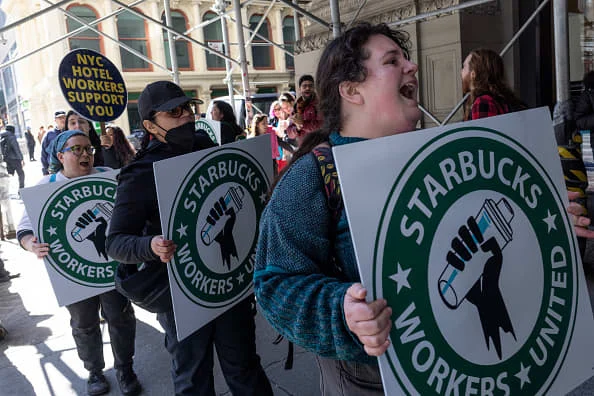
The protracted struggle between Starbucks Coffee Company and its increasingly organized workforce reached a critical juncture this week as Starbucks Workers United presented a comprehensive, landmark contract proposal aimed at codifying the rights and benefits of thousands of baristas across the United States. During a high-stakes call with investors on Friday, union representatives revealed that the proposal—delivered to the coffee giant last month—represents the most significant attempt to date to secure a first labor agreement since the movement began in Buffalo, New York, in late 2021. This latest development comes as the company faces a dual-front challenge: navigating a complex labor landscape while simultaneously attempting to revitalize a domestic business that has struggled with sluggish traffic and shifting consumer habits.
The timing of the union’s proposal is strategically significant, occurring just weeks before Starbucks’ annual meeting for shareholders scheduled for March 25, 2025. As baristas in New York City and other major metropolitan areas continue to picket, effectively shuttering some high-traffic locations, the tension between the Seattle-based corporation and its "partners"—the company’s term for its employees—has become a central narrative for Wall Street analysts and labor advocates alike. According to the union, the proposed contract includes foundational demands regarding living wages, consistent scheduling, health and safety protections, and a voice in the implementation of new technology behind the bar.
While the union has been vocal about its expectations, Starbucks has yet to provide a substantive response to the specific terms of the proposal. Instead, the company has signaled a desire to return to the bargaining table on its own terms. In a statement provided to CNBC, Starbucks spokesperson Jaci Anderson indicated that the company is looking to move past the current impasse. "Starbucks has proposed to resume in-person bargaining with Workers United on March 30 and to remain available for continued negotiations throughout April," Anderson stated. This move suggests a tactical pivot by the company, which has spent much of the last three years fighting the unionization effort in both the courts and the court of public opinion.
The scale of the union’s footprint, while still a minority of the company’s total U.S. operations, is influential. Regulatory filings indicate that Workers United now represents approximately 6% of Starbucks’ company-owned locations in the U.S., encompassing nearly 400 stores. However, the impact of the union extends far beyond its membership numbers. The movement has fundamentally altered the discourse surrounding service-sector labor and has forced Starbucks to accelerate investments in employee wages and store equipment to remain competitive and discourage further organizing.
The current friction follows a period of heightened volatility. Negotiations between the two parties hit a significant roadblock in late 2024. After formal talks stalled in December, a mediation session held several months later failed to produce a breakthrough. In a move that underscored the deep divide between leadership and the front lines, hundreds of barista delegates overwhelmingly voted down an economic package proposed by the company in April, characterizing the offer as "insufficient" and failing to address the core cost-of-living pressures facing urban workers.
The discontent manifested in a visible and disruptive way during the 2024 holiday season. Baristas in more than 40 cities engaged in an open-ended strike that lasted several weeks, targeting the chain’s busiest and most profitable period of the year. While Starbucks executives maintained that the work stoppages did not "materially affect" the company’s overall business performance, the optics of shuttered stores during Red Cup Day and other promotional events contributed to a narrative of internal instability. The strikes were not merely about pay; they were a protest against what workers described as "lean" staffing models that left them overwhelmed by a deluge of mobile and delivery orders.
As the March 25 shareholder meeting approaches, the board of directors finds itself in the crosshairs of activist investors. A coalition led by the union-affiliated SOC Investment Group is actively campaigning for shareholders to vote against the reelection of veteran directors Jørgen Vig Knudstorp and Beth Ford. The group argues that these directors have failed in their oversight roles regarding human capital management and labor relations, potentially exposing the company to long-term reputational and legal risks. The pressure intensified when Glass Lewis, a prominent proxy advisory firm, recommended that shareholders vote against Ford, who chairs the nominating and corporate governance committee.
Starbucks has defended its board, asserting that the current leadership possesses the "necessary skills and experience" to guide the company’s strategy. Anderson’s statement to the press emphasized that human capital management remains a priority for the board as it seeks to drive growth. However, the labor dispute is more than just a personnel issue; it is a financial one. Starbucks is currently in the midst of an ambitious turnaround plan initiated under CEO Brian Niccol, who took the helm in late 2024. Niccol’s "Back to Starbucks" strategy focuses on simplifying the menu, improving the "third place" experience for customers, and fixing the bottlenecked morning rush.
The success of this turnaround depends heavily on the cooperation of the baristas who execute the strategy. In the most recent holiday quarter, Starbucks reported a glimmer of hope: store traffic rose for the first time in two years. Yet, analysts warn that this momentum could be derailed if labor relations continue to sour. In its latest annual filing with the Securities and Exchange Commission (SEC), Starbucks explicitly acknowledged the risks posed by the labor movement, noting that further work stoppages or continued negative publicity could harm the brand’s reputation and financial results.
The legal landscape also remains a battlefield. The National Labor Relations Board (NLRB) has issued hundreds of complaints against Starbucks, alleging unfair labor practices ranging from the illegal firing of union activists to the withholding of benefits from unionized stores. While Starbucks has contested many of these allegations—even taking a high-profile case regarding the "Memphis Seven" to the Supreme Court—the cumulative weight of these legal challenges has created a persistent administrative and financial burden.
Industry experts suggest that the proposed contract from Workers United is a "north star" for the movement, setting a precedent that could ripple across the entire fast-casual sector. The proposal reportedly includes provisions for "just cause" discipline—protecting workers from arbitrary firing—and a demand for greater transparency in how tips from credit card transactions are distributed. For many baristas, the fight is about professionalizing the role of the coffee worker. They argue that as Starbucks shifts from a traditional cafe to a high-volume digital fulfillment center, the intensity of the work has increased without a corresponding increase in job security or compensation.
Looking ahead to the March 30 bargaining date, the stakes could not be higher. If the two sides can reach a framework for a master contract, it would signal a new era of labor relations for the coffee giant, potentially stabilizing the workforce and allowing the company to focus entirely on its operational goals. Conversely, if the talks fail to gain substance, the cycle of strikes, litigation, and shareholder unrest is likely to continue.
The coffee industry at large is watching closely. Competitors like Peet’s Coffee and regional chains have also seen flashes of organizing activity, but Starbucks remains the primary bellwether. The outcome of this contract proposal will determine whether the "Starbucks model" of the future is one defined by unilateral corporate control or a collaborative, unionized partnership. As the picket lines in New York City suggest, the baristas are no longer waiting for permission to have their voices heard; they are demanding a seat at the table, and they have the attention of the world’s largest coffee company.
