
 By admin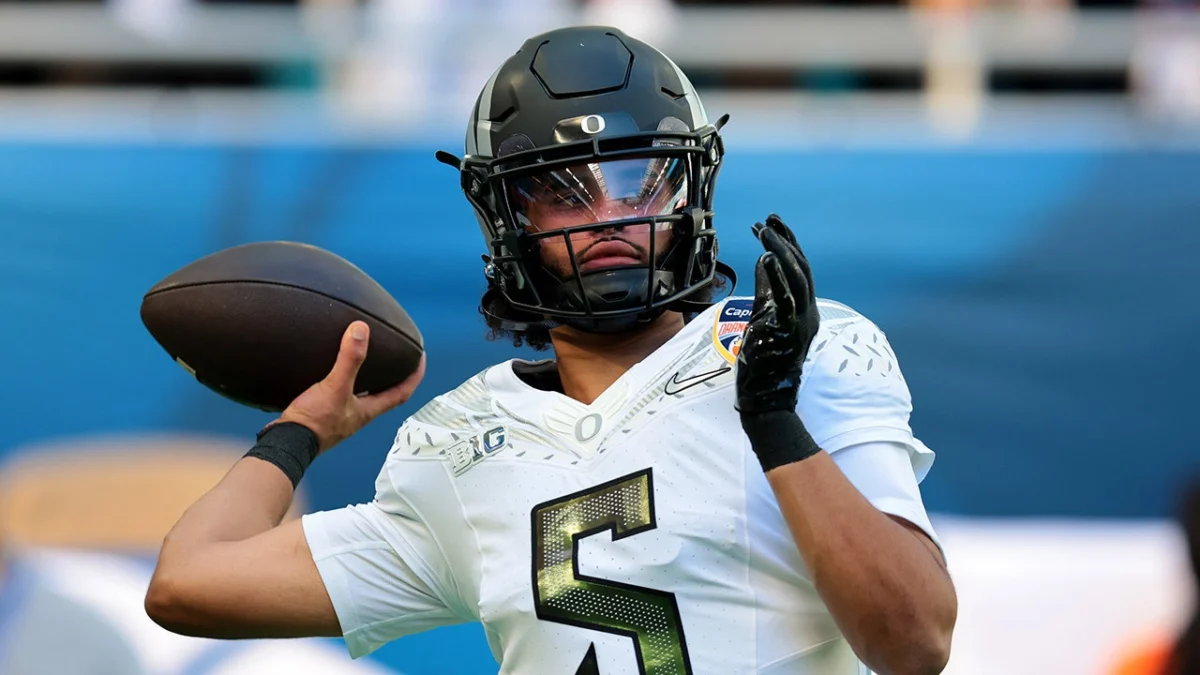
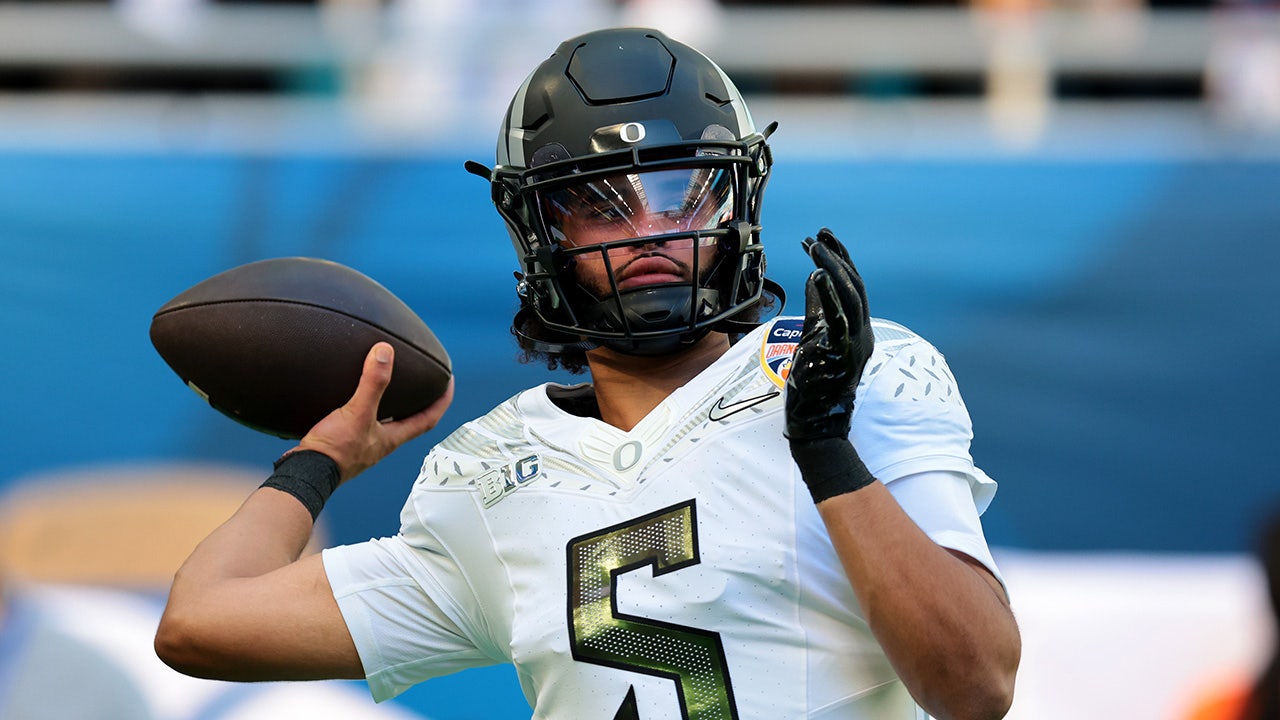
Oregon Ducks star quarterback Dante Moore, a prominent figure on the college football scene, is extending his impact beyond the gridiron, courageously using his platform to advocate for enhanced mental health services in Oregon. In a deeply personal and impactful letter penned on March 3rd to Oregon Governor Tina Kotek, the 20-year-old signal-caller revealed his own struggles with depression, offering a candid glimpse into the immense pressures faced by elite athletes.
Moore’s revelation, shared with The Oregonian, detailed the overwhelming weight of expectations that accompanied his role as a high-level quarterback at just 18 years old. "Early in my college career, I found myself struggling deeply: I was depressed," Moore stated in his letter. This personal battle was compounded by a deeply distressing family crisis: the diagnosis of his mother with cancer around the same time. The dual challenges of athletic pressure and a loved one’s serious illness created a profound emotional and mental toll. "Watching her endure chemotherapy while I tried to stay focused on school and football challenged me mentally and emotionally. It was heavy in ways that are difficult to put into words," Moore confessed.
The journey of Moore’s mother, Jera Bohlen-Moore, adds significant context to his advocacy. She was diagnosed with breast cancer during Dante’s freshman season at UCLA in the spring of 2023. The arduous process of her treatment, including chemotherapy, coincided with his initial collegiate football endeavors. It wasn’t until the summer of 2024, following his transfer to the University of Oregon and after his mother was declared cancer-free, that Moore felt he could more fully address his own mental health challenges and channel his experiences into action. This period of remission for his mother offered him a crucial window to confront his own internal struggles.
Moore’s letter highlights a critical barrier to mental well-being: the difficulty in seeking and receiving support. He emphasized the vital role of external assistance in his recovery. "In my life, what made the difference was support," Moore wrote. "Support from my friends, love from my family, and access to the resources I needed to get better." He particularly underscored the unique challenges faced by young Black men and athletes in reaching out for help, describing it as an "uphill battle" that requires immense vulnerability and trust. Fortunately, Moore was able to access the necessary care, a privilege he acknowledges not everyone may have.
To bolster his appeal to Governor Kotek, Moore presented compelling data underscoring the severity of the mental health crisis in Oregon. He cited that suicide ranks as the second leading cause of death for young adults in the state, a statistic that underscores the urgency of his plea for increased access to mental health services. This inclusion of statistical evidence lends significant weight to his personal narrative, transforming his individual experience into a call for systemic change.

Beyond advocating for policy changes, Moore has also turned his attention inward, challenging his own teammates to become better leaders and allies. "I recently challenged my teammates to lead beyond the field and use our platform to support people who feel voiceless," he stated. Moore reframed the concept of leadership, asserting that it extends far beyond game-day performance. "Leadership is not just about what we do on Saturdays — it is about who we stand up for every day." He drew a parallel between his role as a quarterback and the broader responsibility of leadership: "As a quarterback, I am expected to lead, stay composed, and carry responsibility for my team." This philosophy translates to a broader understanding of leadership as being accountable not only for on-field outcomes but also for the well-being and support of others.
Moore’s personal growth and resilience are evident in his reflections on how his own mental health journey has shaped him. "Learning how to care for my own mental health made me a better leader, teammate, and student," he affirmed. His message is one of profound hope and recovery: "I know what it feels like to struggle in silence. I also know what it feels like to be supported and to come back stronger. That support saved me." This powerful testament underscores the transformative impact of accessible and effective mental health care.
His athletic achievements serve as a backdrop to his advocacy. Last season marked Moore’s debut as a starting quarterback for the Oregon Ducks, a role he embraced with remarkable success. He demonstrated exceptional skill, completing an impressive 71.8% of his passes for 3,565 yards, throwing 30 touchdowns against just 10 interceptions, and contributing an additional 156 rushing yards and two touchdowns. These statistics reflect not only his talent but also his ability to perform under pressure, a testament to his mental fortitude, which he credits, in part, to the support systems he accessed.

Moore’s stellar performance was instrumental in leading the Ducks to a formidable 13-2 record. His collegiate success had positioned him as a highly touted prospect, widely projected as a top selection in the NFL Draft. However, in a move that underscored his commitment to his personal growth and his desire to continue advocating for mental health initiatives, Moore opted to return to Oregon for another season, prioritizing his development and his platform over an immediate transition to professional football. This decision speaks volumes about his character and his dedication to causes beyond individual accolades.
The narrative of Dante Moore’s journey is a powerful illustration of the interconnectedness of athletic performance, personal well-being, and civic engagement. His courage in sharing his story and his proactive approach to advocating for systemic change offer a beacon of hope and inspiration, particularly for young people and athletes who may be grappling with similar challenges. His efforts serve as a critical reminder that mental health is not a sign of weakness, but rather a fundamental aspect of overall health and resilience, deserving of open discussion, robust support, and accessible resources for all. The statistics he cited regarding youth mental health in Oregon, coupled with his personal account, create a compelling case for increased investment in mental health services, aiming to provide the kind of support that "saved him" to countless others. His leadership extends beyond the huddle, fostering a culture of care and understanding within his team and, hopefully, across the state.
