
 By admin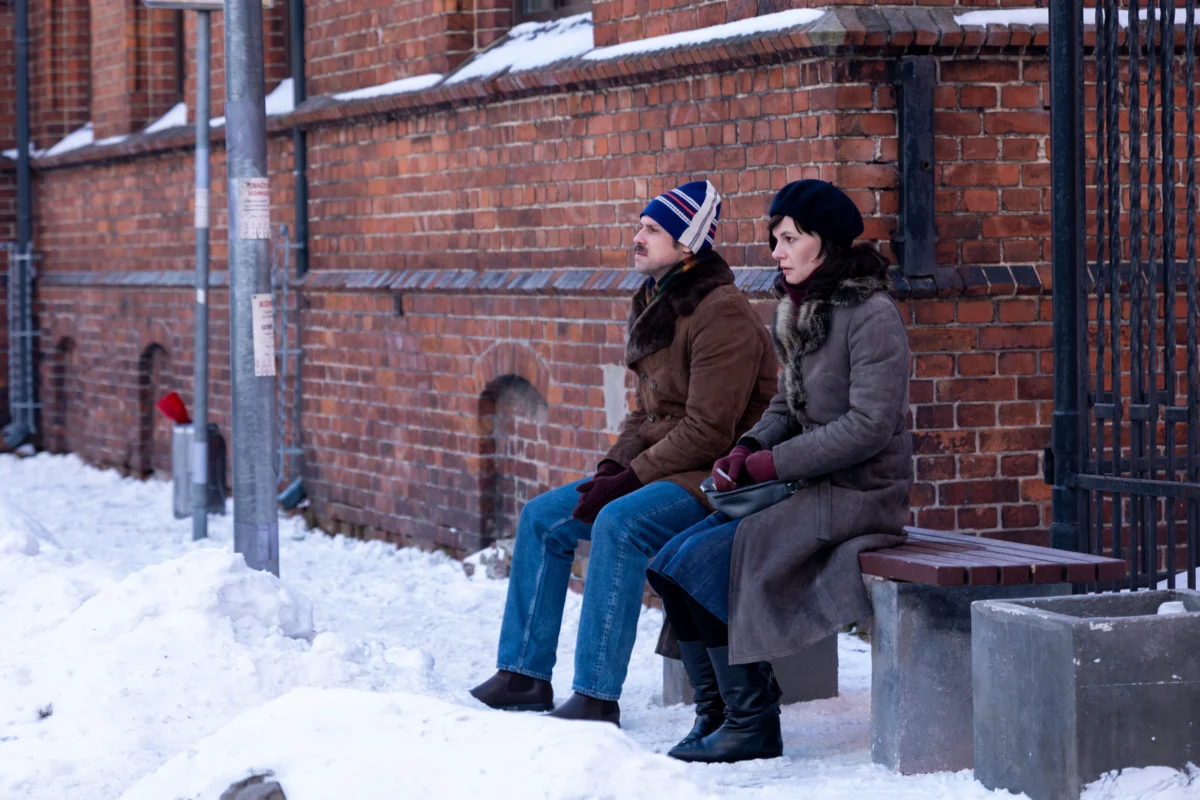
The acclaimed creative minds behind the breakout hit "Soviet Jeans," which captivated audiences and garnered significant awards at Series Mania in 2024, are set to return with their ambitious new project, "The Last Divorce of Communism." This six-part period drama, currently entering production, plunges viewers into the tumultuous Latvian landscape of 1988, a year poised on the precipice of profound societal change and the impending dissolution of the Soviet Union. The series promises a poignant and intimate look at ordinary lives navigating extraordinary circumstances, offering a compelling narrative of love, resilience, and the quiet acts of defiance that defined an era.
At the heart of "The Last Divorce of Communism" is an unassuming Latvian couple driven to an ingenious, albeit risky, stratagem to protect their most cherished possession: their apartment. In a society where the state held immense power over private property, the USSR’s rigid real-estate policies presented a constant threat of nationalization. To circumvent these draconian measures and secure their home, the couple orchestrates a seemingly convincing fake divorce. This elaborate deception, however, forces them into a precarious existence under the ever-watchful eyes of state informants and suspicious neighbors. The narrative will meticulously trace their efforts to conceal their enduring love and commitment from a watchful populace, all while grappling with the seismic shifts occurring around them – a society teetering on the brink of collapse, and the tantalizing, yet uncertain, promise of newfound freedom.
The production itself is a testament to the dedication to historical authenticity. Filming is slated to span multiple seasons across Latvia and Lithuania, utilizing a powerful blend of archival footage and newly shot material to meticulously recreate the atmosphere of late-Soviet Riga, the vibrant capital of Latvia. This dual approach aims to transport viewers directly into the heart of a city undergoing a profound transformation, capturing the nuances of daily life, the architectural landscape, and the palpable tension of a nation in flux. The series is slated for a premiere in 2027, allowing ample time for post-production and the careful crafting of this immersive historical experience.
The creative architects of this compelling drama are Teodora Markova and Stanisļavs Tokalovs, the visionary duo who previously joined forces on "Soviet Jeans." Their collaborative success at Series Mania, where "Soviet Jeans" secured both the audience award and the best actor prize in the International Panorama Competition, cemented their reputation for insightful storytelling and a unique ability to find humor and humanity amidst challenging historical backdrops. "Soviet Jeans," an offbeat drama that resonated deeply with critics and viewers alike, is reportedly gearing up for a second season, underscoring the duo’s growing influence in the international television landscape. Their return with "The Last Divorce of Communism" signals a continued exploration of the Soviet experience through a deeply personal and relatable lens.

The production is spearheaded by Aija Bļrziņa of the Latvian outfit Tasse Film, a producer known for her commitment to authentic and impactful storytelling. Bļrziņa eloquently articulated the creative team’s vision: "Teodora and Stanisļavs have the rare gift of finding comedy in the cracks of history. ‘The Last Divorce of Communism’ is our love letter to everyone who’s ever bent the rules for the people they love – a fake divorce, a real love story, and the full weight of the Soviet Union standing in the way. What more could you ask for?" This statement perfectly encapsulates the series’ core themes: the enduring power of love, the ingenuity born of necessity, and the formidable obstacles posed by oppressive regimes.
The ambitious scope of "The Last Divorce of Communism" is further bolstered by a robust international co-production. Greta AkcijonaitÄÄ at Lithuania’s Magic Films and Martichka Bozhilova at Bulgaria’s Agitprop are co-producing, bringing diverse regional expertise and resources to the project. Danna Stern of In Transit Productions is serving as executive producer, lending her considerable experience to guide the series’ development and international reach. The project has received crucial financial backing from the Lithuanian Film Centre and the Bulgarian National Film Center, underscoring the regional significance and artistic merit attributed to the series.
Even in its pre-production phase, "The Last Divorce of Communism" has generated considerable anticipation and industry buzz. It has been a notable presence at several prominent European co-production markets, including TV Days at the Serial Killer festival in Brno. Its compelling premise and the proven track record of its creators earned it the best pre-development award in the scripted series category at NEM Zagreb and the best fiction series pitch award at the Heart of Europe TV Festival in Warsaw. These accolades highlight the project’s strong potential and its ability to capture the attention of industry professionals seeking innovative and engaging content. The series is also slated for further showcasing at Media Play in Sofia in May, providing another platform for its burgeoning international profile.
The directorial vision for "The Last Divorce of Communism" is shared by Stanisļavs Tokalovs, who also co-directs alongside Teodora Markova and acclaimed Lithuanian filmmaker Tomas Vengris. This collaboration of directorial talent promises a rich and multifaceted approach to the storytelling, blending distinct artistic sensibilities to create a cohesive and visually compelling narrative. The ensemble cast features a talented roster of actors poised to bring these complex characters to life. Leading the charge are Ieva Segliņa and Edgars SamÄ«tis, who will portray the central couple. Joining them are the internationally renowned Chulpan Khamatova, alongside Ieva Estere BarkÄne, Kaspars Znotiņš, and Vilis Daudziņš. The inclusion of such a distinguished cast suggests a commitment to nuanced performances that will explore the emotional depths of characters living under immense pressure.
The historical context of 1988 Latvia is crucial to understanding the stakes of "The Last Divorce of Communism." The late 1980s marked a period of profound political and social upheaval across the Soviet bloc. Mikhail Gorbachev’s policies of Glasnost (openness) and Perestroika (restructuring) had begun to loosen the Kremlin’s grip, fostering a growing sense of national identity and a yearning for independence in the Baltic states, including Latvia. However, the Soviet apparatus remained a formidable force, and daily life was still heavily influenced by its pervasive bureaucracy and surveillance. The economic realities were often stark, with shortages and a lack of personal freedoms being commonplace. Housing was a particularly sensitive issue, often allocated by the state and subject to strict regulations, making any attempt to secure personal property a significant challenge.

The series’ focus on a fake divorce as a means of retaining an apartment speaks volumes about the ingenuity and desperation that characterized life under such a regime. Beyond the legal and bureaucratic hurdles, the act of maintaining a semblance of normalcy while living a lie would have been emotionally taxing. The constant threat of exposure, the need to be vigilant about who to trust, and the internal conflict of maintaining a loving relationship under the guise of separation would have created immense personal strain. This internal drama, set against the backdrop of impending national liberation, offers fertile ground for compelling character development and thematic exploration.
The creators’ previous success with "Soviet Jeans" provides a valuable insight into their approach. That series, characterized by its darkly comedic tone and focus on the absurdities of Soviet life, suggests that "The Last Divorce of Communism" will likely balance moments of levity and human connection with the inherent seriousness of the political and social context. The "cracks of history" that producer Aija Bļrziņa refers to are precisely where the most compelling human stories often lie – in the everyday struggles, the small rebellions, and the enduring bonds that help people navigate oppressive systems.
The meticulous recreation of late-Soviet Riga is not merely a stylistic choice but a narrative imperative. The visual landscape of the city in 1988 would have been a tangible manifestation of the era’s contradictions: aging Soviet architecture juxtaposed with hints of burgeoning Western influence, the drabness of officialdom contrasted with the vibrancy of individual expression. The use of archival materials alongside newly filmed footage suggests a commitment to verisimilitude, allowing audiences to viscerally experience the environment in which these characters lived and loved. This attention to detail will be crucial in immersing viewers in the specific historical moment and understanding the challenges faced by the protagonists.
"The Last Divorce of Communism" is poised to be more than just a historical drama; it is a story about the universal human desire for security, connection, and autonomy. By focusing on the intimate struggles of an ordinary couple, the series has the potential to illuminate the broader sweep of history from a deeply personal perspective. The impending collapse of the Soviet Union represented not just a political shift but a profound reimagining of identity and future for millions. The characters’ struggle to save their apartment becomes a microcosm of a nation’s struggle for self-determination, a deeply personal fight for a future free from external control. The series promises to be a compelling and emotionally resonant exploration of love, resilience, and the human spirit’s enduring capacity to find hope and freedom even in the most challenging of times. The anticipation for its 2027 premiere is well-justified, given the pedigree of its creators, the strength of its international backing, and the inherent drama of its historical setting.
