
 By admin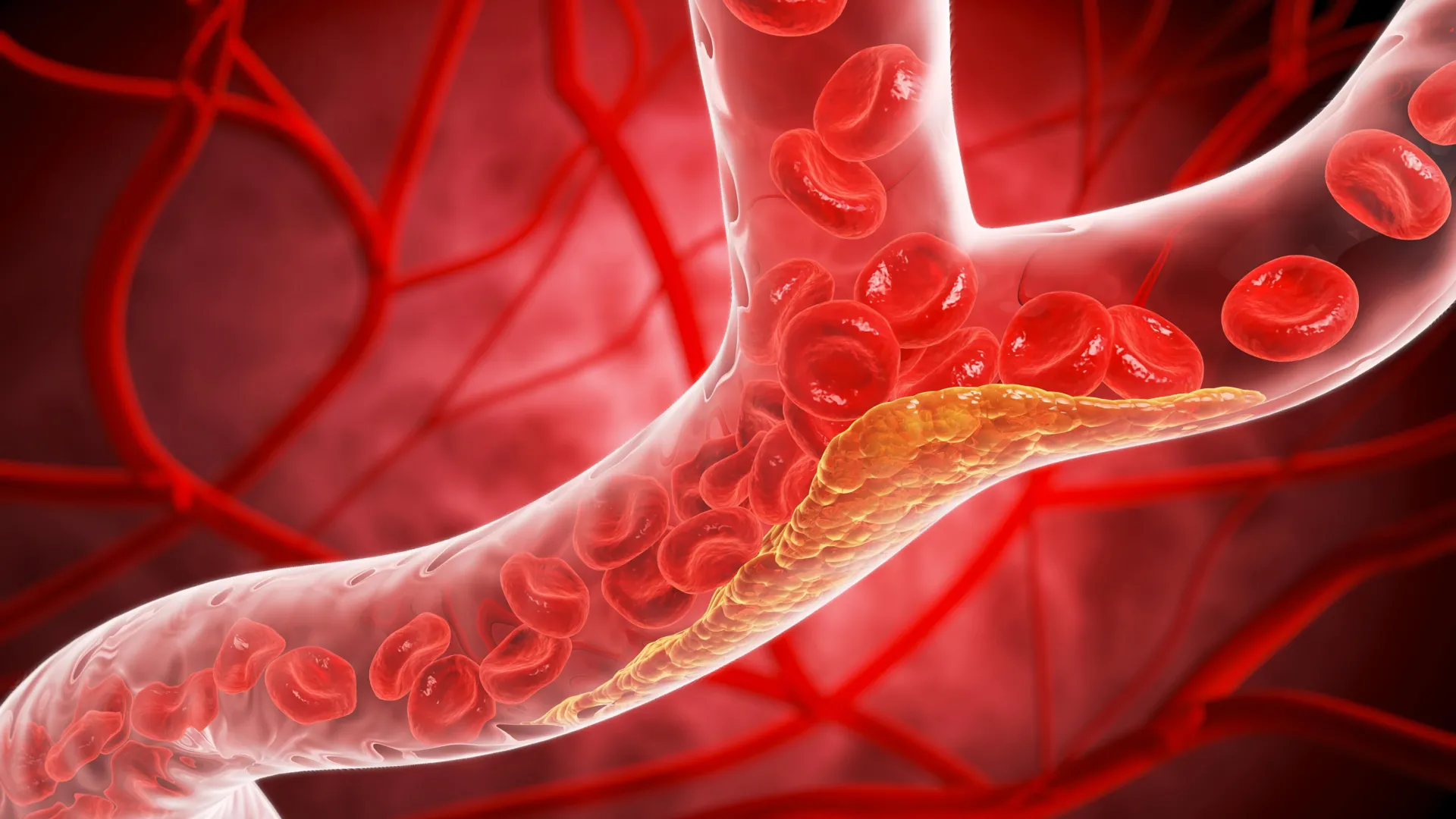
The clinical landscape for managing high LDL cholesterol is complex, with many patients struggling to reach optimal levels despite existing treatments. "Fewer than half of patients with established atherosclerotic cardiovascular disease currently reach LDL cholesterol goals. An oral therapy this effective has the potential to dramatically improve our ability to prevent heart attacks and strokes on a population level," stated Ann Marie Navar, M.D., Ph.D., a distinguished cardiologist and Associate Professor of Internal Medicine and in the Peter O’Donnell Jr. School of Public Health at UT Southwestern Medical Center. Dr. Navar spearheaded the pivotal study, which received sponsorship from the pharmaceutical giant Merck & Co. Inc., highlighting the collaborative effort between academic research and industry innovation.
The Enduring Challenge of LDL Cholesterol and Cardiovascular Disease
For decades, the scientific community has unequivocally recognized the central and insidious role that elevated LDL cholesterol plays in the genesis and progression of cardiovascular disease (CVD). These specific cholesterol particles, when present in excess, initiate a perilous process known as atherosclerosis. This involves the gradual accumulation of fatty plaques within the inner walls of arteries, a process that hardens and narrows these vital blood vessels. Over time, these plaques can grow, restrict blood flow, or, more dangerously, rupture, triggering the formation of blood clots that can completely block an artery. Such blockages in the coronary arteries lead to heart attacks, while blockages in arteries supplying the brain result in strokes. Given this well-established pathophysiology, rigorous reduction of LDL cholesterol stands as a cornerstone strategy, both for primary prevention in individuals at risk and for secondary prevention in those who have already experienced cardiovascular events. The global burden of CVD remains staggering, accounting for approximately 17.9 million deaths each year, making it the leading cause of mortality worldwide. In the United States alone, nearly half of all adults have some form of CVD, and millions struggle with elevated LDL cholesterol, underscoring the urgent need for more effective and accessible therapeutic interventions.
A Legacy of Discovery: From Nobel Prize to Novel Treatments
The journey to enlicitide is deeply rooted in a rich history of groundbreaking scientific inquiry, particularly at UT Southwestern Medical Center. Dr. Navar emphasized that enlicitide’s development is a testament to "decades of scientific work at UT Southwestern." This legacy began profoundly with the pioneering research of Michael Brown, M.D., and Joseph Goldstein, M.D. In a seminal discovery, they identified the LDL receptor on liver cells, elucidating its crucial role in actively removing LDL cholesterol from the bloodstream. This monumental insight, which illuminated the fundamental mechanisms of cholesterol metabolism, earned them the Nobel Prize in Physiology or Medicine in 1985. Their work not only revolutionized our understanding of cholesterol but also directly paved the way for the development of statins, which remain the most widely prescribed and effective class of cholesterol-lowering drugs globally. Statins work by inhibiting an enzyme involved in cholesterol production in the liver, thereby increasing the number of LDL receptors and enhancing LDL clearance.
Building upon this foundation, subsequent research at UT Southwestern continued to push the boundaries of lipidology. Findings from the landmark Dallas Heart Study, meticulously led by Helen Hobbs, M.D., and Jonathan Cohen, Ph.D., unveiled another critical piece of the puzzle. This study revealed that certain individuals naturally exhibit exceptionally low LDL cholesterol levels due to specific genetic variations that reduce the production of a protein called PCSK9 (Proprotein Convertase Subtilisin/Kexin type 9). The PCSK9 protein, it was discovered, plays a regulatory role: it binds to LDL receptors on liver cells, leading to their degradation and thus limiting the liver’s capacity to remove LDL cholesterol from circulation. This profound insight into the PCSK9 pathway provided a novel therapeutic target and rapidly led to the development of a new class of injectable PCSK9 inhibitors. These include monoclonal antibodies like evolocumab (Repatha) and alirocumab (Praluent), as well as more recently, RNA-based therapies such as inclisiran (Leqvio). These injectable drugs have demonstrated remarkable efficacy, capable of lowering LDL cholesterol by approximately 60%, often in patients whose cholesterol levels remain high despite maximal statin therapy.
Addressing the Unmet Need: The Challenge of Adherence and Access
Despite the undeniable efficacy of existing injectable PCSK9 inhibitors, their widespread adoption in routine clinical care has been notably limited. Dr. Navar highlighted several factors contributing to this "underuse." Initially, significant barriers included their exorbitant costs and complex insurance approval processes, which often placed them out of reach for many patients. While these financial and access issues have seen some improvement over time due to negotiation and increased awareness, another critical hurdle persists: the mode of administration. The requirement for patients to self-administer these medications via injection, whether bi-weekly or less frequently, represents a significant deterrent for both patients and prescribing physicians. Many patients express a strong preference for oral medications, finding injections inconvenient, uncomfortable, or even anxiety-inducing. This preference often translates into lower adherence rates, even for highly effective therapies, undermining their potential public health benefit. Physicians, too, may hesitate to prescribe injectables due to concerns about patient compliance or the additional counseling required. This gap between therapeutic potential and real-world utilization has underscored the urgent need for equally potent, but more patient-friendly, oral alternatives.
Enlicitide: A New Oral Frontier in PCSK9 Inhibition
Enlicitide emerges as a potential solution to this critical unmet need. It directly targets the very same PCSK9 pathway that existing injectable inhibitors address. However, its groundbreaking differentiator lies in its oral formulation. Enlicitide functions by attaching to the PCSK9 protein in the bloodstream, effectively neutralizing its ability to bind to and degrade LDL receptors on liver cells. By doing so, it preserves these receptors, allowing them to remain active on the liver cell surface for longer, thereby enhancing the body’s natural capacity to efficiently remove LDL cholesterol from circulation. The profound simplicity of its administration—a once-daily oral pill—is anticipated to significantly improve patient adherence and facilitate broader integration into clinical practice, potentially unlocking the full therapeutic potential of PCSK9 inhibition for a wider patient population. This oral delivery mechanism represents a significant leap forward, making high-level LDL reduction accessible without the need for needles.
Robust Evidence from the Phase 3 Clinical Trial
The efficacy and safety profile of enlicitide were rigorously evaluated in a comprehensive phase three clinical trial. The study enrolled 2,909 participants, carefully selected to reflect real-world clinical scenarios. This cohort included individuals with established atherosclerotic cardiovascular disease (such as a history of heart attack, stroke, or peripheral artery disease) or those deemed at high risk due to significant comorbidities like type 2 diabetes, chronic kidney disease, or multiple risk factors. Participants were randomized, with approximately two-thirds receiving enlicitide and the remaining third assigned to a placebo group. Notably, the vast majority of participants were already receiving optimal, high-intensity statin therapy, yet their baseline average LDL cholesterol level remained elevated at 96 milligrams per deciliter (mg/dl). This figure is significantly above the recommended targets of less than 70 mg/dl for those with established atherosclerosis and even stricter targets of less than 55 mg/dl for individuals at very high risk of atherosclerotic cardiovascular disease, highlighting the persistent challenge in achieving aggressive lipid goals with current standard of care.
"The study population reflects what we see in clinical practice," Dr. Navar commented, underscoring the trial’s relevance. "Even the highest intensity statins are often not enough to get people to their cholesterol goals."
The results were compelling. After a 24-week treatment period, patients receiving enlicitide experienced an extraordinary reduction in their LDL cholesterol levels, averaging approximately 60% when compared to the placebo group. Beyond LDL cholesterol, the drug also demonstrated favorable effects on several other crucial lipid markers linked to cardiovascular risk. These included significant reductions in non-HDL lipoprotein cholesterol (which encompasses all "bad" cholesterol particles), apolipoprotein B (a measure of the total number of atherogenic particles), and lipoprotein(a) – an independent, often genetically determined, and notoriously difficult-to-treat risk factor for CVD. Crucially, these profound improvements in lipid profiles were not transient; they were sustained over a full year of follow-up, indicating long-term efficacy.
"These reductions in LDL cholesterol are the most we have ever achieved with an oral drug by far since the development of statins," Dr. Navar asserted, emphasizing the unprecedented magnitude of effect for an oral agent. This statement positions enlicitide as a potential game-changer, offering an oral therapy with efficacy comparable to the most potent injectable drugs currently available.
What Comes Next: Towards Clinical Integration and Public Health Impact
The impressive lipid-lowering results from this phase three trial represent a crucial step, but the journey to widespread clinical use involves further rigorous evaluation. Another large-scale clinical outcomes trial is already underway. This vital study is designed to determine whether these substantial reductions in LDL cholesterol and other atherogenic lipoproteins will definitively translate into a reduced incidence of major adverse cardiovascular events, such as heart attacks, strokes, and cardiovascular death. While lipid lowering is a well-established surrogate endpoint for cardiovascular benefit, regulatory bodies like the FDA typically require evidence of hard clinical outcomes for broad approval, particularly for novel drug classes.
If the outcomes trial confirms a significant reduction in cardiovascular events, and the safety profile remains favorable, enlicitide could gain FDA approval, potentially transforming the treatment paradigm for dyslipidemia. The widespread availability of an effective oral PCSK9 inhibitor could lead to a dramatic improvement in patient adherence, allowing more individuals to reach their LDL cholesterol targets and significantly lower their cardiovascular risk. This could have profound public health implications, potentially averting countless heart attacks and strokes.
The intellectual foundation for enlicitide’s development is deeply embedded within the scientific excellence of UT Southwestern Medical Center. Dr. Brown, a Regental Professor, holds the Paul J. Thomas Chair in Medicine and the W.A. (Monty) Moncrief Distinguished Chair in Cholesterol and Arteriosclerosis Research. Dr. Goldstein, also a Regental Professor, holds the Julie and Louis A. Beecherl, Jr. Distinguished Chair in Biomedical Research and the Paul J. Thomas Chair in Medicine. Dr. Hobbs holds the Dallas Heart Ball Chair in Cardiology Research and is a member of the Harold C. Simmons Comprehensive Cancer Center. Dr. Cohen holds the C. Vincent Prothro Distinguished Chair in Human Nutrition Research. These distinguished researchers represent a lineage of innovation that continues to shape cardiovascular medicine.
This pivotal study was funded by Merck Sharp & Dohme, a subsidiary of Merck, highlighting the essential partnership between pharmaceutical companies and academic research institutions in bringing novel therapies to fruition. Dr. Navar disclosed that she received consulting fees from Merck for part of the work on this study, in addition to fees for other consulting work from Merck and from other pharmaceutical companies that manufacture lipid-lowering drugs, as fully detailed in the study publication. Such disclosures are standard practice and ensure transparency in medical research.
In conclusion, enlicitide represents a monumental advancement in the fight against cardiovascular disease. Its ability to achieve profound reductions in LDL cholesterol through an oral, once-daily regimen addresses critical limitations of current therapies. As the scientific community awaits the results of the outcomes trial and the subsequent regulatory review, the prospect of this new pill offers a beacon of hope for millions of patients and their healthcare providers striving to conquer the persistent challenge of high "bad" cholesterol.
