
 By admin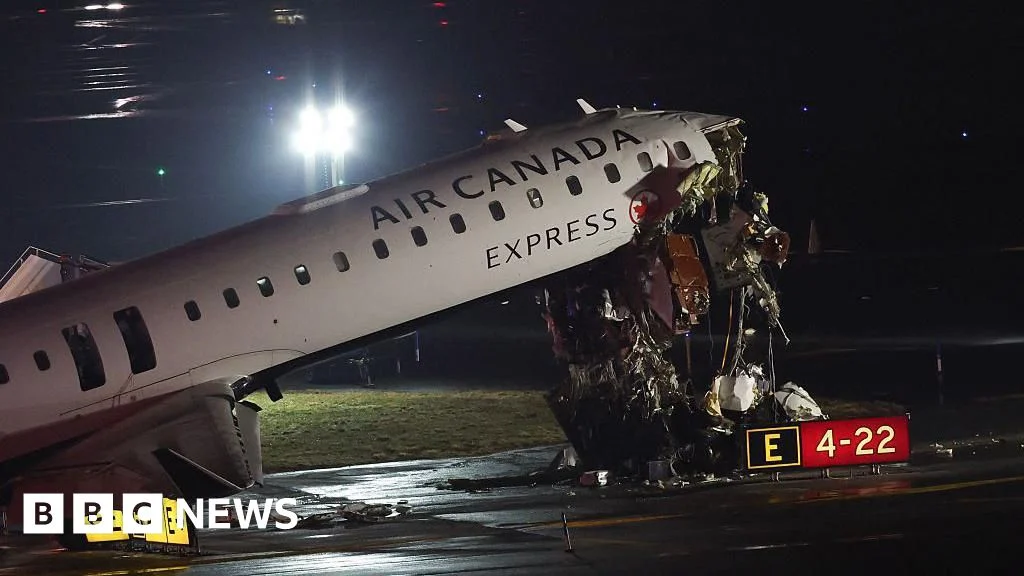
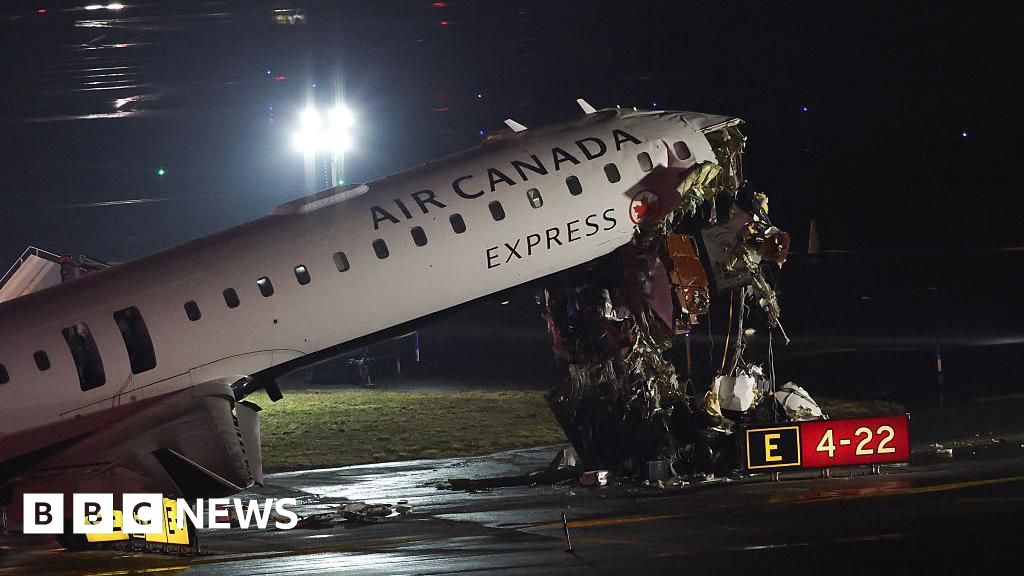
A harrowing scene unfolded at New York’s LaGuardia Airport late Sunday night when Air Canada flight AC8646, an Embraer E190 en route from Toronto, collided violently with a fire truck on the runway during its landing. The catastrophic impact resulted in the tragic deaths of two pilots and left dozens of passengers and crew with injuries, some critical. The incident, which occurred at approximately 11:40 PM local time on Sunday, March 10th, brought operations at one of the nation’s busiest airports to a standstill, triggering widespread flight disruptions and prompting an immediate investigation into the circumstances surrounding the fatal crash.
Eyewitness accounts paint a vivid and terrifying picture of the moments leading up to and immediately following the collision. Leo Medina, a 23-year-old passenger on another aircraft positioned on the tarmac, described the scene with chilling clarity. "We were literally like 100 metres away," Medina recounted to the BBC, his voice still tinged with disbelief. "It was like the plane got cut in half." He elaborated on the immediate aftermath, detailing how his own flight was forced to return to the gate, leaving him stranded at the airport for over 12 hours, resorting to sleeping on the floor amidst a makeshift bed of jackets. This prolonged delay, coupled with the distressing events he witnessed, underscored the significant operational and emotional toll the crash had on those present.
Rebecca Liquori, a passenger on the ill-fated Air Canada flight, shared her harrowing experience with News12 Long Island. She described a jarring sequence of events beginning with significant turbulence during the descent. "As we were descending, we hit a lot of turbulence," Liquori stated. "Then we landed very roughly… Everyone felt it. It was like the plane jolted and you heard the pilot try to brake trying to prevent the collision." The chilling detail of the pilot’s apparent attempt to avert disaster only heightened the tension. "As you heard the brake, a couple seconds later it was just a very loud boom," she continued, her voice trembling. "Everybody jolted out of their seats." This visceral description of the physical impact resonated with the shared trauma of the survivors.
The grim statistics of the crash underscore its severity. In addition to the two pilots who tragically lost their lives, 41 other individuals were transported to area hospitals. The nature of their injuries varied, with some sustaining serious conditions, necessitating immediate medical attention. The precise number of passengers and crew aboard the flight was initially reported as 69 individuals, although official figures were being confirmed in the immediate aftermath.
Adding a layer of profound distress to the unfolding tragedy, audio recordings from the LaGuardia air traffic control tower captured the frantic final moments before the collision. In the seconds leading up to impact, a controller’s voice can be heard issuing an urgent warning: "’Truck One, stop, stop, stop!" This desperate plea, captured in the audio, highlights the critical and likely unavoidable nature of the impending disaster, suggesting a sudden and unforeseen development on the runway.
The fire truck, identified as "Truck One," had been dispatched to the scene minutes prior to the collision in response to a separate, unrelated incident. According to Port Authority executive director Kathryn Garcia, the truck was responding to another aircraft that had "reported an issue with odour." This detail adds a layer of tragic coincidence to the event, as a routine response to a minor aircraft issue inadvertently placed the fire truck in the path of a landing passenger jet. The investigation would undoubtedly focus on the communication protocols and operational procedures that allowed for such a confluence of events.
Survivors, grappling with the shock and trauma, recounted acts of remarkable courage and resilience amidst the chaos. Liquori described how passengers assisted each other in evacuating the damaged aircraft. "I’m just happy to be alive," she stated, her voice filled with a profound sense of gratitude. "I would have never pictured a one-hour flight that I’ve done countless times… ending like this." Her words encapsulated the surreal and life-altering nature of the experience for many.
Jack Cabot, another passenger on the crashed Air Canada flight, shared his perspective with CNN, describing scenes of utter pandemonium. "We went down for a regular landing," Cabot recalled. "We immediately hit something and it was just chaos from there… Everybody was hunkered down and everybody was screaming." His description emphasized the abruptness of the event and the immediate fear that gripped the passengers.
The repercussions of the crash extended far beyond the immediate vicinity of the runway. LaGuardia Airport, a vital hub for air travel in the densely populated New York metropolitan area, was forced to suspend all operations following the incident. This closure resulted in hundreds of flight delays and cancellations, impacting thousands of travelers who were left stranded or forced to make alternative arrangements. The economic and logistical impact of such a prolonged airport shutdown is substantial, highlighting the critical infrastructure role LaGuardia plays.
For those on the ground, waiting to depart, the incident was a stark reminder of the inherent risks of air travel. Katie Rojas, a 26-year-old traveler whose flight to Chicago was on the runway and ready for departure at the time of the crash, expressed her fear and apprehension. "It’s scary," Rojas admitted. "You never know if it could have been one of us." Her sentiment was likely shared by many passengers who witnessed the event or were directly affected by the subsequent airport closure.
The investigation into the crash has been immediately launched, involving the National Transportation Safety Board (NTSB) and other relevant aviation authorities. Key areas of focus will include air traffic control communications, the operational status and positioning of the fire truck, the flight path and landing procedures of Air Canada flight AC8646, and the mechanical condition of both the aircraft and the emergency vehicle. The NTSB’s meticulous process involves analyzing flight data recorders, cockpit voice recorders, radar information, and conducting extensive interviews with witnesses, survivors, and airport personnel.
This incident also brings to the forefront the critical importance of robust safety protocols and clear communication channels within airport environments, particularly at large, complex facilities like LaGuardia. The simultaneous presence of a landing aircraft and emergency response vehicles on an active runway is a scenario that demands stringent oversight and failsafe mechanisms. The report from air traffic control audio, suggesting a breakdown in communication or a failure to heed warnings, will be a central element of the NTSB’s inquiry.
The history of LaGuardia Airport, while largely safe, has seen its share of incidents. Its geographical constraints and proximity to densely populated areas present unique operational challenges. This crash, however, stands out due to its severity and the direct collision between two critical operational entities on the runway itself. The investigation will undoubtedly examine whether existing protocols were adequate or if new measures are required to prevent similar tragedies in the future.
In the aftermath, the aviation industry will be scrutinizing the findings of the NTSB investigation closely. The recommendations that emerge from this tragedy will likely have far-reaching implications for airport safety procedures, air traffic control practices, and emergency response protocols across the globe. The human cost of this accident is immeasurable, with the loss of two lives and the physical and emotional scars left on dozens of others. The pursuit of answers and the implementation of preventative measures are paramount to honoring the memory of those lost and ensuring the safety of future air travel. The extended delays and cancellations at LaGuardia served as a tangible, albeit inconvenient, reminder of the profound impact such events have on the broader transportation network and the lives of countless individuals.
