
 By admin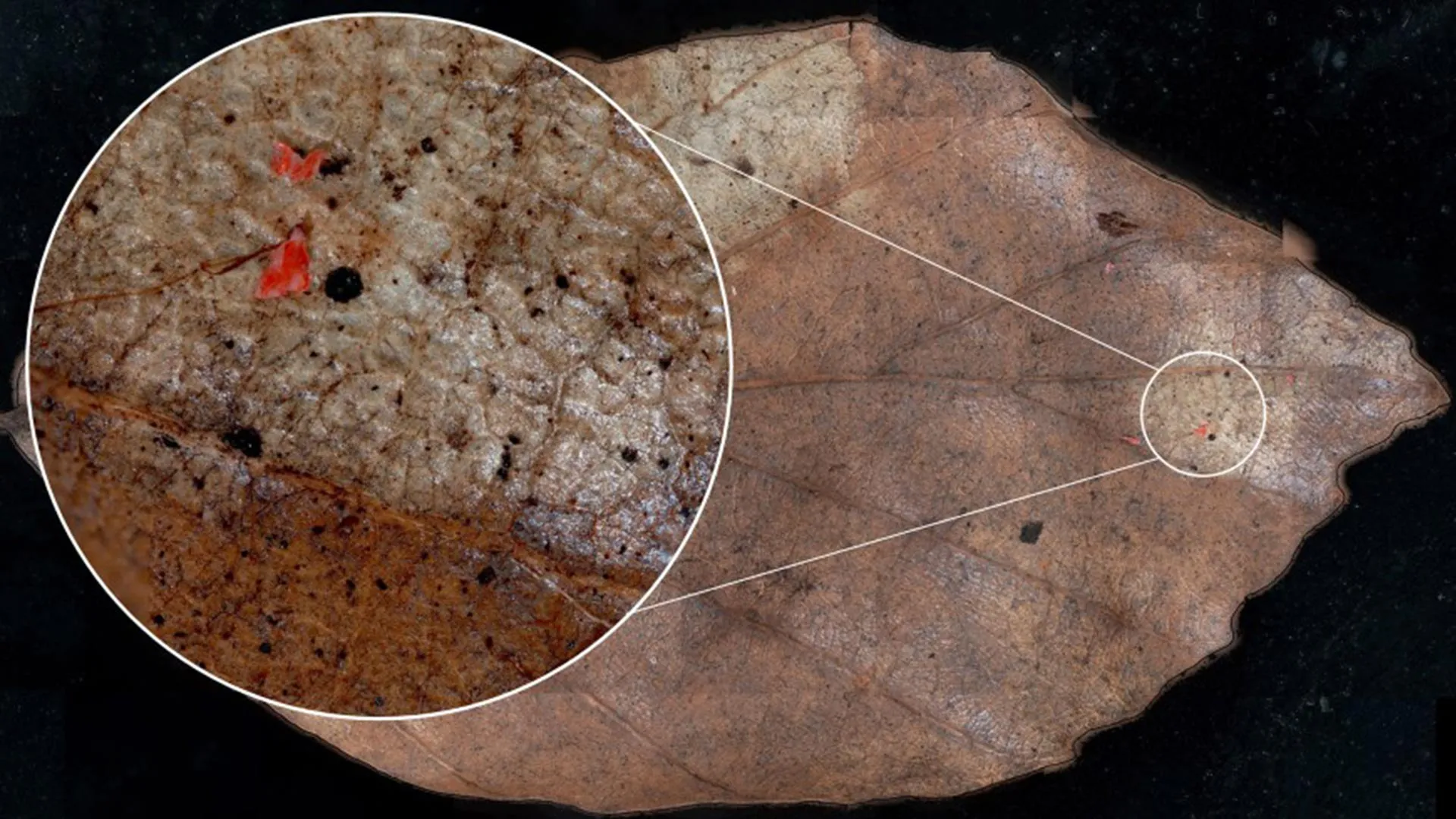
The sheer scale of global plastic production, which has surged exponentially since the mid-20th century, reaching over 400 million tonnes annually, inevitably leads to a massive amount of plastic waste entering the environment. For decades, the primary focus of plastic pollution research has been on marine environments, where iconic images of plastic islands and marine life entangled or ingesting plastic fragments have galvanized public attention. Rivers, lakes, and agricultural soils have also been identified as significant reservoirs for microplastics, often originating from sources like wastewater treatment plant effluent, agricultural sludge used as fertilizer, plastic mulches, and urban runoff. However, the role of forests as major sinks for these tiny plastic particles remained largely unexplored, primarily due to their perceived remoteness from direct anthropogenic sources and the complexity of studying such diffuse contamination pathways.
The TU Darmstadt study, spearheaded by geoscientists, now definitively establishes forests as crucial accumulators of microplastics and nanoplastics, with a primary pathway being atmospheric transport. This revelation challenges the traditional view of forests as relatively untouched havens, positioning them instead as active filters and long-term storage sites for airborne particulate matter, including plastic. The research moves beyond mere detection, providing a robust framework for understanding the mechanisms by which these particles are deposited, integrated into the ecosystem, and potentially redistributed.
The Atmospheric Pathway: Forests as Filters
The study reveals that forests are not just affected by local pollution sources. Instead, most microplastics arrive through the air and gradually build up in forest soils. According to the researchers, these tiny plastic particles first land on the leaves in the upper canopy. This process, termed the "comb-out effect," is a critical discovery that highlights the unique filtering capacity of forest canopies. As air masses, laden with microscopic plastic particles, move through a forest, the extensive surface area of leaves, needles, and branches acts as a natural sieve. Particles collide with these surfaces and adhere, much like dust settling on a filter. This effect is particularly pronounced in dense forest canopies, which present a formidable barrier to airborne contaminants.
"The microplastics from the atmosphere initially settle on the leaves of the tree crowns, which scientists refer to as the ‘comb-out effect’," explains lead author Dr. Collin J. Weber from the Institute of Applied Geosciences at TU Darmstadt. "Then, in deciduous forests, the particles are transported to the forest soil by rain or the autumn leaf fall, for example." This explanation elucidates a two-step process: initial capture followed by downward transport. In deciduous forests, the seasonal shedding of leaves in autumn serves as a highly efficient conveyor belt, transferring the accumulated microplastics from the canopy directly to the forest floor. Rain also plays a significant role, washing particles from the leaf surfaces down to the soil, a process known as wet deposition. In coniferous forests, where needles persist for several years, the accumulation might be more gradual, but continuous, with particles eventually reaching the soil through needle fall or persistent washing by precipitation. This continuous filtering action over decades contributes to a substantial accumulation of microplastics in forest soils, making forests not just passive recipients but active integrators of atmospheric plastic pollution.
From Canopy to Soil: A Journey of Integration
Once on the forest floor, natural processes take over, playing a key role in trapping and storing microplastics in the soil. The researchers found the highest concentrations in the top layer of leaf litter, where decomposition has just begun. This organic-rich layer, often referred to as the O-horizon, acts as an initial sink, holding onto the newly deposited plastic particles alongside decomposing plant matter. This layer is a hive of biological activity, where fungi, bacteria, and a myriad of soil invertebrates begin the process of breaking down organic material.
However, significant amounts were also detected deeper underground. This movement into lower soil layers is linked not only to the decomposition of organic material but also to biological activity, such as organisms that help break down leaves and redistribute particles. Earthworms, for instance, are known to ingest soil and organic matter, creating burrows and mixing layers. As they consume leaf litter containing microplastics, these particles pass through their digestive systems and are excreted deeper within the soil profile. Other soil invertebrates, such as collembola (springtails) and mites, also contribute to the fragmentation and redistribution of organic matter, potentially carrying microplastics along. The physical breakdown of leaf litter, facilitated by these organisms and microbial action, gradually integrates the plastic fragments into the soil matrix, making them a persistent component of the forest soil ecosystem. Over time, these particles can migrate further down through the soil profile via water infiltration and the continued activity of burrowing organisms, reaching mineral soil layers where they can remain sequestered for extended periods.
Unraveling the Microplastic Signature: Methodology and Modeling
To better understand how microplastics accumulate, the research team collected samples from four forest sites east of Darmstadt in Germany. This choice of location is critical; Darmstadt, a city with a population over 160,000, and its surrounding region represent a typical Central European landscape with both urban and agricultural influences, providing a relevant proxy for broader continental trends in atmospheric pollution. They meticulously analyzed soil, fallen leaves (litterfall), and atmospheric deposition (the transport of substances from the Earth’s atmosphere to the Earth’s surface) using a newly developed method combined with advanced spectroscopic techniques.
The development of a "newly developed method" for microplastic analysis is particularly significant. Extracting and quantifying microplastics from complex organic matrices like soil and leaf litter is notoriously challenging. Traditional methods often involve physical separation (density flotation), chemical digestion of organic matter (using strong acids or bases), and then filtration. The "new method" likely incorporates refinements to improve efficiency, reduce contamination, and enhance the recovery of a wide range of plastic types and sizes, including smaller microplastics and potentially nanoplastics.
Once isolated, the particles were subjected to spectroscopic techniques, such as Fourier-transform infrared (FTIR) spectroscopy or Raman spectroscopy. These techniques work by shining infrared light or laser light onto the particles and analyzing how the light interacts with the material. Different plastic polymers (e.g., polyethylene, polypropylene, PVC, polystyrene) have unique spectral "fingerprints," allowing researchers to identify the type of plastic present and often its size. This robust identification is crucial for confirming that the detected particles are indeed plastics and not natural organic or inorganic debris.
In addition, the scientists created a sophisticated model to estimate how much microplastic has entered forests from the atmosphere since the 1950s. This specific timeframe is critical, as it coincides with the dramatic increase in global plastic production and consumption. Such a model would typically integrate historical data on plastic production and waste generation, atmospheric transport patterns (wind speeds, air currents), deposition rates, and forest growth dynamics. By back-casting the accumulation of microplastics over several decades, the model helped them assess how much of the total pollution stored in forest soils can be traced back to airborne sources versus other, more direct inputs. This modeling approach provides a powerful tool for understanding long-term trends and attributing sources, strengthening the conclusion that atmospheric deposition is the predominant pathway.
Forests as Sentinels: Indicators of Diffuse Pollution
"Our results indicate that microplastics in forest soils originate primarily from atmospheric deposition and from leaves falling to the ground, known as litterfall. Other sources, on the other hand, have only a minor influence," explains Weber. "We conclude that forests are good indicators of atmospheric microplastic pollution and that a high concentration of microplastics in forest soils indicates a high diffuse input — as opposed to direct input such as from fertilizers in agriculture — of particles from the air into these ecosystems." This statement encapsulates one of the study’s most profound implications.
The relative absence of direct local plastic inputs in many forest areas, compared to agricultural fields that might receive plastic-contaminated sewage sludge or urban areas with direct littering, makes forests ideal "sentinels" or bioindicators for atmospheric pollution. Their undisturbed nature allows for a clearer signal of diffuse, airborne contamination. If forests, which are generally considered removed from immediate human activities, are accumulating significant amounts of microplastics, it strongly suggests a widespread and pervasive atmospheric transport mechanism originating from diverse and often distant sources. These sources can include tire wear from roads, synthetic textile fibers released during laundry, industrial emissions, plastic fragmentation in urban environments, and even long-range transport from marine environments.
A New Environmental and Potential Health Concern
This research is the first to clearly show how forests become contaminated with microplastics and to directly connect that contamination to particles transported through the air. Until now, this pathway had not been thoroughly studied, leaving a significant blind spot in our understanding of global plastic pollution cycles. The comprehensive methodology, combining field measurements with advanced analytical techniques and historical modeling, provides an undeniable link between atmospheric microplastics and their accumulation in forest soils.
The findings provide an important foundation for evaluating the environmental risks of microplastics in both air and soil. "Forests are already threatened by climate change, and our findings suggest that microplastics could now pose an additional threat to forest ecosystems," says Weber. The ecological risks are manifold and potentially far-reaching. Microplastics in soil can alter its physical properties, such as water retention and aeration, potentially impacting root growth and nutrient uptake by trees. They can also affect soil microbial communities, which are essential for nutrient cycling and overall soil health. Soil invertebrates, critical decomposers and ecosystem engineers, may ingest microplastics, leading to physical damage, reduced feeding, altered reproductive success, or transfer of associated toxins up the food chain. Furthermore, microplastics are known to sorb other environmental pollutants like heavy metals and persistent organic pollutants, potentially acting as vectors for these harmful substances within the forest ecosystem. The long-term impact on forest biodiversity, resilience, and carbon sequestration capacity remains an urgent area for further investigation.
Moreover, the results may also have implications for human health, as they underscore how microplastics travel globally through the atmosphere and may be present in the air we breathe. The revelation that forests are accumulating airborne microplastics strengthens the evidence for widespread atmospheric transport, implying that these particles are ubiquitous in the air column, including in urban and rural areas where humans reside. Inhaling microplastics and nanoplastics is a growing concern, with potential health effects ranging from respiratory irritation and inflammation to more systemic impacts, given their ability to cross biological barriers and potentially reach various organs. Studies have already detected microplastics in human lungs, blood, and even placentas, highlighting the pervasive nature of this exposure. The Darmstadt study serves as a stark reminder that even a stroll through a "pristine" forest might expose individuals to these microscopic plastic contaminants.
The Urgent Call for Action and Future Research
The TU Darmstadt study marks a significant milestone in environmental science, but it also opens up a vast new frontier for research. Future studies need to quantify the precise ecological impacts of microplastics on forest health, including their effects on tree physiology, soil biota, and nutrient cycling. Long-term monitoring programs are essential to track accumulation rates and understand the dynamics of microplastic movement within different forest types and climates. Investigating the chemical degradation of plastics in forest environments, and the potential release of plastic additives, is another critical area. Furthermore, research into nanoplastics, which are even smaller and more challenging to detect, is paramount, given their potentially higher mobility and bioavailability.
From a policy perspective, these findings necessitate a re-evaluation of global plastic pollution strategies. Reducing plastic production, improving waste management and recycling infrastructure, and controlling emissions of microplastics from industrial processes, tire wear, and synthetic textiles are more critical than ever. The study emphasizes the need for a holistic approach that recognizes the interconnectedness of environmental compartments – oceans, rivers, soil, and now the atmosphere and forests – in the global plastic cycle. Ultimately, this research underscores the urgent need for a societal shift away from our reliance on single-use plastics and towards more sustainable material cycles to protect the very ecosystems that sustain life on Earth.
