
 By admin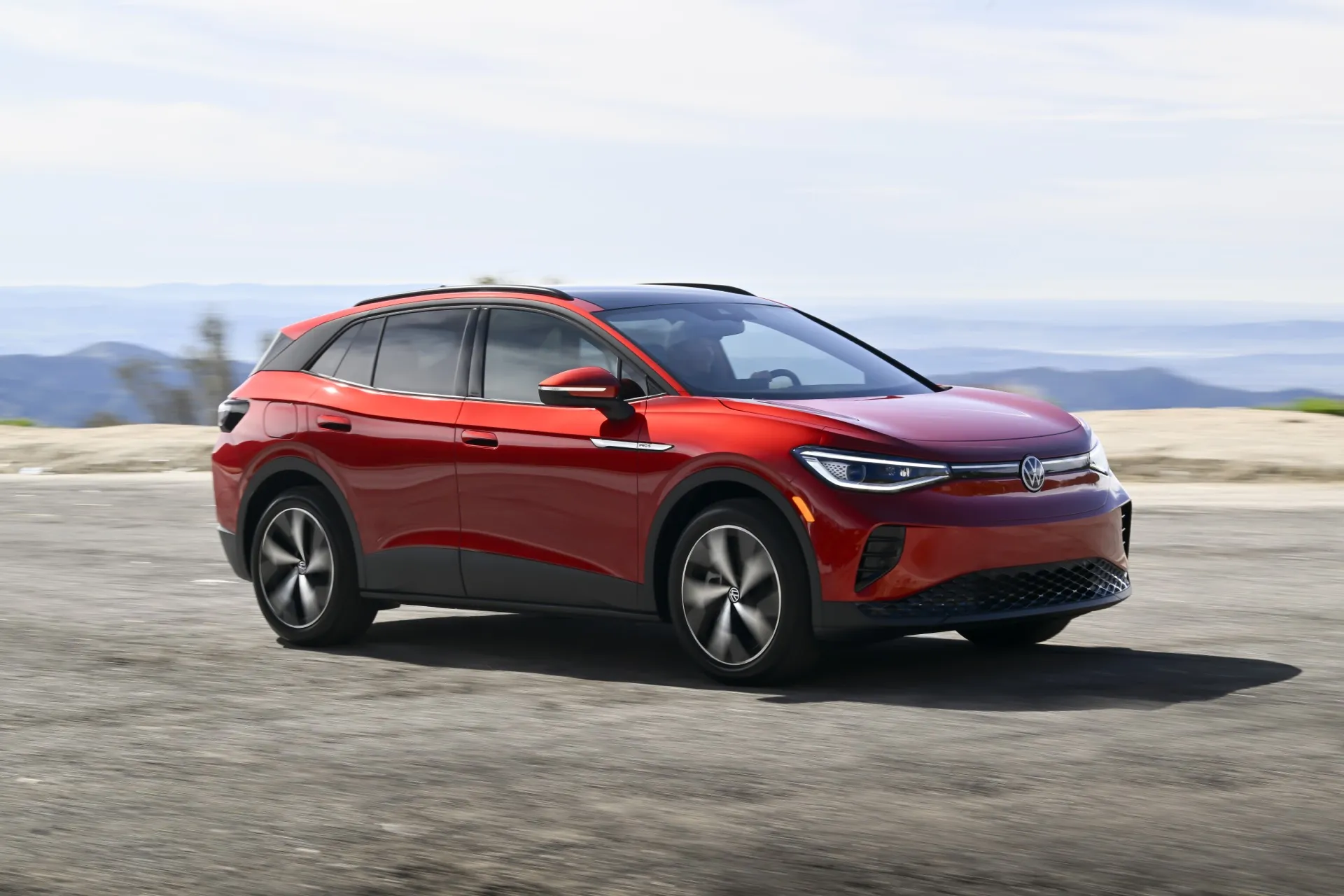
Volkswagen Group of America has initiated a significant recall affecting 13,769 electric vehicles across its Volkswagen and Audi brands, specifically targeting a critical vulnerability within their auxiliary power systems. This latest action, announced on March 18, 2025, addresses a battery issue that, while not involving the primary high-voltage battery packs responsible for propulsion, can nonetheless lead to a complete loss of vehicle functionality and potentially strand drivers.
The recall encompasses 2024 Volkswagen ID.4 models, alongside 2024-2025 Audi Q4 E-Tron and Q4 E-Tron Sportback variants. At the heart of the problem lies the charging system for the vehicles’ 12-volt battery. This often-overlooked component is vital for powering a myriad of essential electrical systems not directly related to the vehicle’s motive power, including headlights, infotainment, power steering, brake-by-wire systems, airbags, and even the crucial low-voltage systems required to "boot up" the vehicle’s entire electrical architecture before the high-voltage system can be engaged. A malfunction in this charging system can prevent the 12-volt battery from recharging, even when the main high-voltage battery pack holds ample energy. The consequences are severe, ranging from a complete loss of power and various electronic system failures to the inability to restart the car once it has been shut off, as detailed in documents filed with the National Highway Traffic Safety Administration (NHTSA).
Even in advanced electric vehicles, the humble 12-volt battery remains an indispensable part of the electrical ecosystem. Unlike internal combustion engine vehicles where a failing 12-volt battery might only prevent engine cranking, in an EV, its failure can render the entire vehicle inoperable, as it powers the relays and contactors that connect the high-voltage battery to the drivetrain. The specific defect identified in this recall pertains to the onboard charger designed to replenish the 12-volt battery. Investigations have revealed that the printed circuit board (PCB) within this charger may have an insufficient protective coating. A PCB, the foundational component for most electronic devices, relies on such coatings (often conformal coatings) to shield its delicate circuitry from environmental contaminants like moisture, dust, and chemicals. In this instance, the inadequate coating leaves the PCB vulnerable to condensation ingress, which can lead to short circuits, corrosion, and ultimately, a malfunction of the charger.
The NHTSA report outlines the potential cascading effects of such a malfunction. Should the onboard 12-volt charger fail, the vehicle’s sophisticated diagnostic systems are designed to detect it. Upon detection, "the vehicle will provide several, major warnings to the driver, and the vehicle will experience reduced driving functions," the NHTSA stated. These "major warnings" would likely include prominent dashboard alerts, audible chimes, and possibly messages displayed on the infotainment screen, urging the driver to pull over safely. "Reduced driving functions" could manifest in various ways, from a noticeable decrease in acceleration capability (a "limp home" mode) to the complete cessation of power steering or power braking assistance, making the vehicle difficult and potentially dangerous to control. In the worst-case scenario, the vehicle could lose power entirely while in motion, posing a significant safety risk to occupants and other road users. This situation underscores the intricate interdependencies within modern vehicle architectures, where a seemingly minor component failure can have far-reaching and critical implications.
The prescribed remedy for this issue is a straightforward but essential component replacement. Authorized Audi and Volkswagen dealerships will replace the faulty onboard 12-volt charger free of charge to the owners. Given that all affected vehicles are from the 2024 and 2025 model years, they are still well within their original factory warranty periods. Consequently, both Audi and Volkswagen do not anticipate having to reimburse customers for any related repair costs that might have been incurred prior to the recall, as all repairs will be covered under warranty. The repair process is expected to be relatively quick, typically involving a few hours at the dealership, minimizing inconvenience for owners. However, the sheer volume of vehicles affected means dealerships will need to manage parts inventory and scheduling efficiently to expedite the process.
To ensure timely notification and facilitate the repair process, both Volkswagen and Audi plan to mail owner notification letters by April 29. In the interim, and for ongoing support, owners of affected vehicles are encouraged to proactively check for recall information. Volkswagen owners can contact the brand’s customer service department directly at 1-800-893-5298 or visit its dedicated recall website for more detailed information and to check their vehicle’s specific recall status by VIN. Volkswagen’s internal reference number for this recall is 93CJ. Similarly, Audi owners have access to their own dedicated recall site and customer service department, reachable at 1-800-253-2834. Audi’s reference number for this particular recall is 93FR. Additionally, owners can always verify if their vehicle is subject to any open recalls by entering their Vehicle Identification Number (VIN) on the NHTSA’s official recall website.
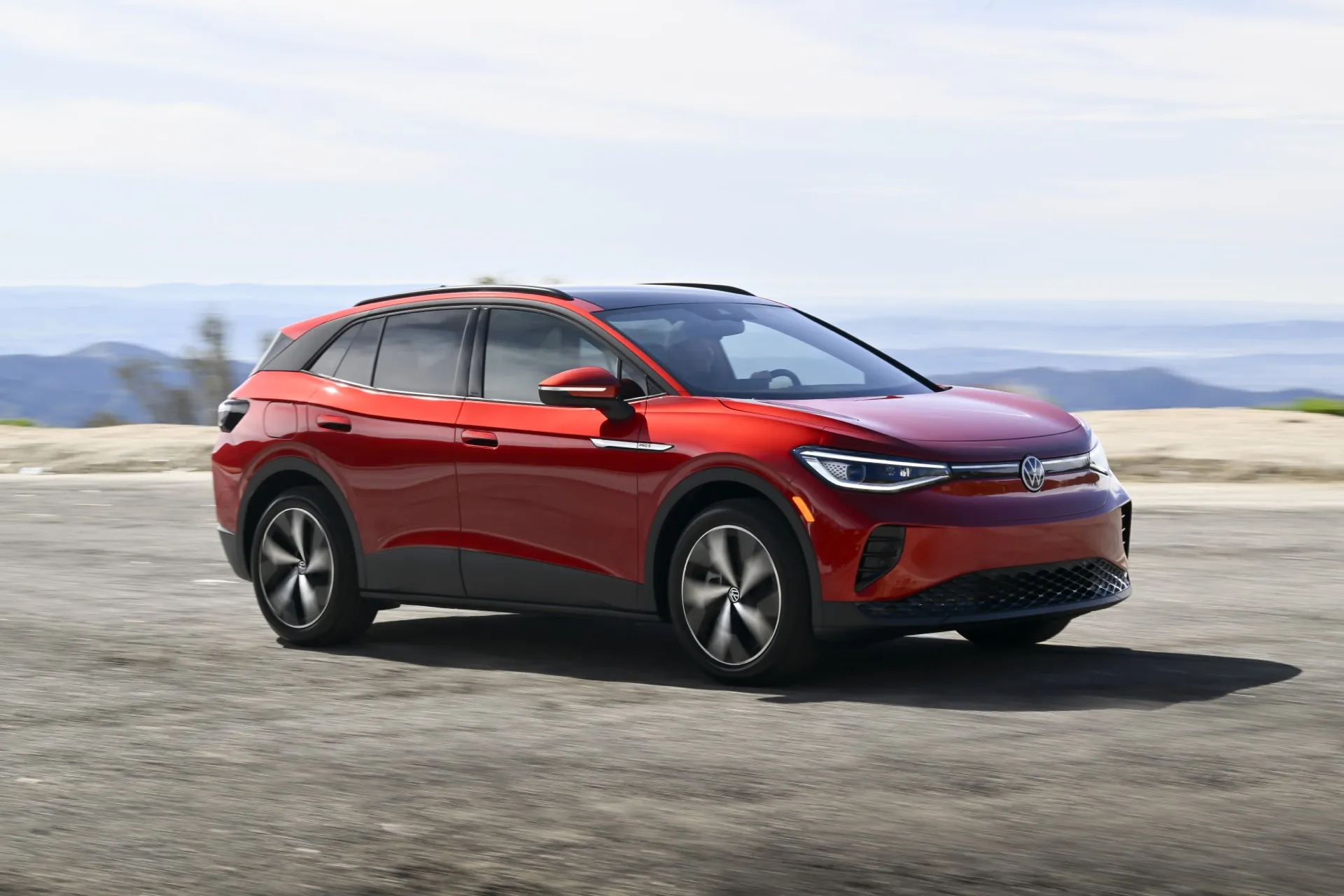
This recent recall is not an isolated incident for these specific models. It marks the second significant recall in recent months affecting both the Volkswagen ID.4 and Audi Q4 E-Tron, two closely-related electric vehicles that share the Volkswagen Group’s highly versatile MEB (Modular Electric Drive Matrix) platform. The MEB platform is a cornerstone of VW Group’s ambitious electrification strategy, designed to underpin a wide range of electric vehicles across its brands. While offering significant economies of scale and development efficiencies, sharing a common architecture also means that a design or manufacturing flaw can propagate across multiple models and brands, as evidenced by these repeated recalls.
Earlier this month, the two brands announced a separate recall impacting a larger fleet of 60,490 vehicles—again, including ID.4 and Q4 E-Tron models—due to a software error. That particular issue could prevent mandatory gear indicators from displaying correctly, posing a safety risk as drivers might not be aware of the selected drive mode (e.g., Drive, Reverse, Park). Accurate gear indication is not only a matter of convenience but also a critical safety feature, preventing inadvertent movements and ensuring proper vehicle operation. A lack of clear indication could lead to confusion, especially during parking maneuvers or low-speed operations, increasing the risk of accidents.
Furthermore, Volkswagen has only recently restarted sales of the ID.4 in some markets following a prior recall for faulty door handles. This earlier issue was severe enough to warrant a temporary stop-sale and production halt for the ID.4, highlighting significant quality control challenges. Faulty door handles, especially if they impair the ability to open doors from the inside or outside, present a serious safety hazard in emergency situations, such as a collision or fire, where rapid egress is paramount. The cumulative effect of these repeated recalls—from mechanical components to software glitches and now a fundamental electrical system issue—raises questions about the initial quality and robustness of these relatively new EV offerings from the Volkswagen Group.
From a broader industry perspective, these recalls underscore the inherent complexities and challenges in developing and mass-producing electric vehicles, particularly on new, dedicated platforms like MEB. While EVs promise simpler powertrains, the integration of high-voltage systems, intricate software, and sophisticated auxiliary electronics introduces new potential points of failure. Automotive industry analysts often point out that early models built on new platforms, regardless of the powertrain type, tend to experience more recalls as manufacturers iron out design and production kinks. However, the frequency and nature of these issues for the ID.4 and Q4 E-Tron are noteworthy.
The importance of the 12-volt battery in an EV cannot be overstated, and its charging system is a critical link. While much public and media attention focuses on the range and charging speed of the main high-voltage battery, the 12-volt system is the silent workhorse that enables the vehicle to function. A failure here is not about "range anxiety" but about fundamental operational capability. Experts in battery technology and automotive electronics emphasize the need for robust environmental sealing and protective coatings for all electronic components, especially those exposed to potential moisture or temperature fluctuations. The discovery of "insufficient protective coating on a printed circuit board" points to a potential lapse in manufacturing quality control or design specifications for a crucial, albeit low-voltage, component.
The impact of such repeated recalls on brand reputation and consumer confidence is a significant concern for both Volkswagen and Audi, particularly as they strive to establish themselves as leaders in the highly competitive global EV market. Building trust in new technologies is paramount, and a string of recalls, regardless of their specific nature, can erode that trust. Consumers expect new vehicles, especially those positioned at premium price points like the Audi Q4 E-Tron, to be reliable and free from such fundamental flaws. In a market where Tesla, Hyundai, Kia, and a growing number of domestic and international players are vying for EV market share, quality and reliability are increasingly important differentiators.
Moving forward, the Volkswagen Group will need to demonstrate a proactive and comprehensive approach to quality assurance, from design and engineering to manufacturing and supply chain management. While recalls are a standard part of the automotive industry’s commitment to safety and continuous improvement, their frequency and severity for new EV models can hinder adoption rates and impact long-term sales projections. The swift and efficient execution of this latest recall, alongside robust future quality control measures, will be crucial for Volkswagen and Audi to maintain their ambitious electrification roadmap and solidify their standing as trusted manufacturers in the evolving landscape of electric mobility.
