
 By admin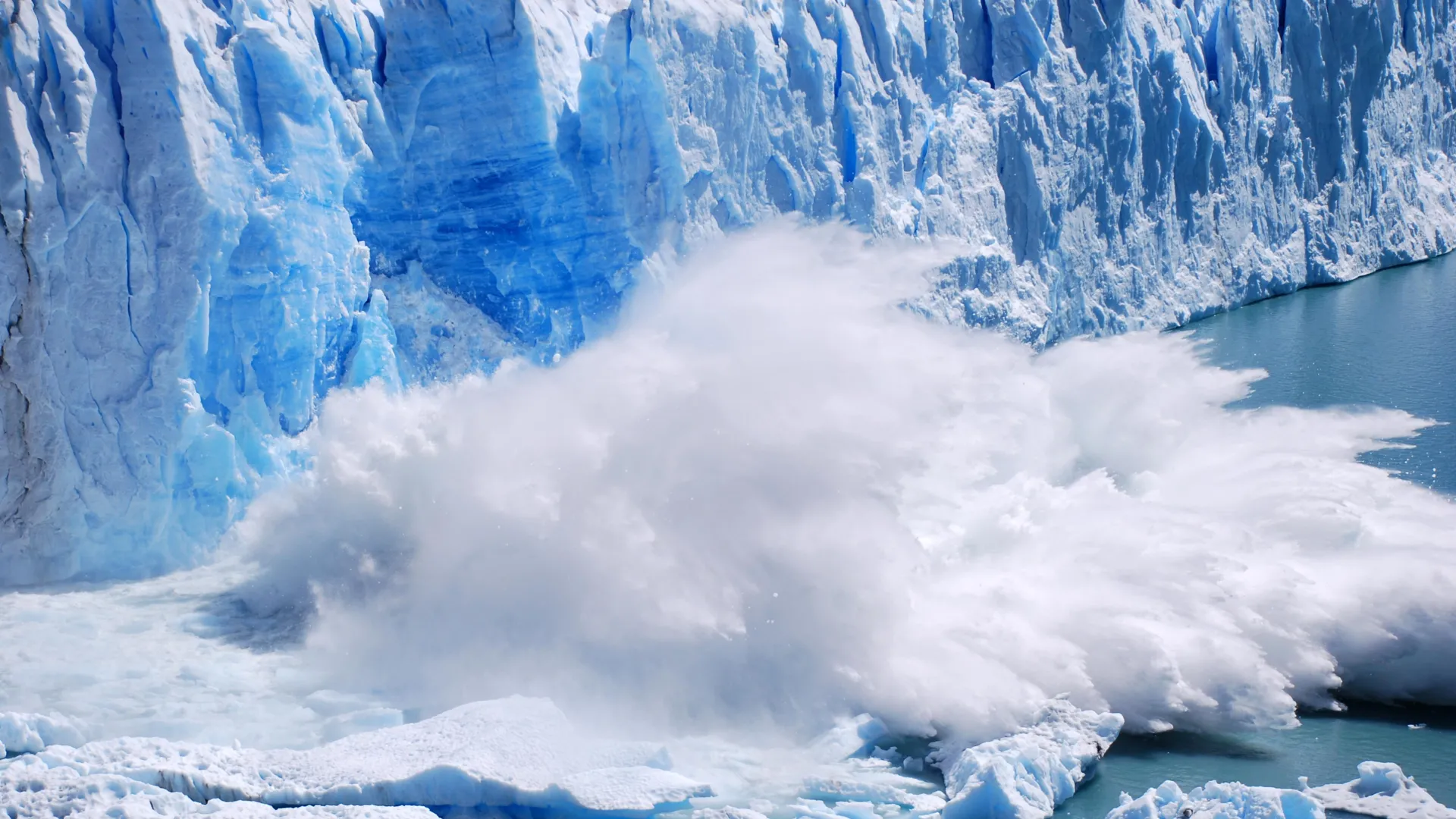
An international team of scientists led by the University of Portsmouth has recently completed a comprehensive global study of these so-called surging glaciers, shedding critical light on their mechanics, distribution, and the escalating risks they pose in an era of rapid climate change. The groundbreaking research, published in Nature Reviews Earth and Environment, not only maps their global presence but also investigates how warming temperatures are fundamentally reshaping when and where these sudden, powerful events occur, making accurate prediction more challenging than ever.
Understanding the Enigma of Glacier Surges
At its core, a glacier surge is a dramatic departure from the typical slow, steady creep of ice that defines most glaciers. Under normal circumstances, glaciers flow at speeds ranging from a few meters to a few hundred meters per year. However, during a surge, the ice that has accumulated over decades or even centuries suddenly speeds up, often by orders of magnitude, moving kilometers in a matter of months or years. This rapid acceleration pushes vast amounts of ice quickly toward the glacier’s terminus, frequently causing a significant and often destructive advance. These periods of accelerated flow can last for several years, sometimes even a decade, and are typically followed by much longer quiescent or "quiescent" phases, during which the glacier essentially recharges its ice reservoir. Many surging glaciers exhibit these repeated cycles, making their long-term behavior inherently episodic and challenging to forecast.
The exact mechanisms triggering a surge are complex and multifaceted, often involving a delicate interplay of thermal conditions, subglacial hydrology, and bedrock topography. Scientists believe that surges are primarily driven by changes in the basal thermal regime (whether the ice is frozen to its bed or sliding on a thin layer of meltwater) and the efficiency of the subglacial drainage system. A build-up of water pressure beneath the glacier, for instance, can reduce friction and allow the ice to slide much faster. Conversely, a reduction in the ability of water to drain away can lead to a sudden increase in basal lubrication, initiating a surge.
The recent study, a monumental undertaking, synthesized data on more than 3,100 glaciers that have exhibited surging behavior across the globe. Rather than being uniformly distributed, these dynamic ice bodies are concentrated in specific, geologically and climatically distinct regions. Key hotspots include the Arctic (particularly Alaska, Svalbard, and parts of Greenland), High Mountain Asia (including the Karakoram, Pamir, and Tien Shan ranges), and segments of the Andes in South America. The research meticulously analyzed the unique characteristics of these glaciers, the specific conditions that precipitate surges, and the geographical and climatic factors that explain their clustering in these particular areas.
Dr. Harold Lovell, the lead author of the study and a Senior Lecturer and glaciologist from the University of Portsmouth’s School of the Environment and Life Sciences, provided a vivid analogy to describe their unique behavior. "Surge-type glaciers are very unusual and can be troublesome," Dr. Lovell explained. "As a friend and fellow glaciologist once put it, they save up ice like a savings account and then spend it all very quickly like a Black Friday event." This analogy perfectly encapsulates the episodic nature of surges: long periods of ice accumulation followed by sudden, rapid discharge. While these glaciers constitute only about 1 percent of all glaciers worldwide, their disproportionate impact is undeniable. They affect just under one-fifth of the global glacierized area, and their unpredictable behavior can result in serious, and at times catastrophic, natural disasters that threaten the lives and livelihoods of thousands of people in downstream communities.
Surging Glaciers and the Climate Crisis: A Double-Edged Sword
A critical finding of the study challenges a common misconception: that surging glaciers might somehow be more resilient or less affected by climate change due to their dynamic nature. On the contrary, the research unequivocally demonstrates that these glaciers are far from protected from rising global temperatures. In fact, their inherent surging activity can actually render them more sensitive to climatic shifts. During these periods of rapid acceleration, surging glaciers can lose massive amounts of ice in a short timeframe, contributing significantly to regional ice loss and, consequently, to global sea-level rise. This heightened sensitivity means that while the majority of glaciers are shrinking due to increased melt, surging glaciers add another layer of complexity and risk, as their accelerated ice discharge can exacerbate the overall rate of ice depletion in certain regions.
Six Major Hazards Linked to Glacier Surges
The unpredictable and powerful nature of glacier surges translates directly into a range of severe hazards for nearby communities, particularly those nestled in the valleys and foothills of mountainous regions. The study highlighted six primary dangers that surging glaciers can unleash:
-
Glacial Lake Outburst Floods (GLOFs): As a surging glacier advances rapidly, it can block natural drainage channels, damming rivers and creating large, unstable proglacial lakes. These lakes are often impounded by ice or moraine (debris deposited by the glacier) that is inherently unstable. If these natural dams fail suddenly, they can release enormous volumes of water and debris in a catastrophic flood wave that travels rapidly downstream, destroying everything in its path. GLOFs are among the most destructive glacier-related hazards, with documented events causing widespread death and destruction in regions like the Himalayas and the Andes.
-
Ice Avalanches and Landslides: The rapid movement and destabilization of a surging glacier’s terminus can trigger massive ice avalanches or ice-rock landslides. These events can occur without warning, burying entire valleys, blocking roads, and posing an immediate threat to anyone in their trajectory. The sheer volume and momentum of these slides can be devastating.
-
River Blockage and Diversion: A surging glacier’s snout can advance directly into a river valley, completely blocking the river’s flow and creating new, temporary lakes. These impounded lakes can inundate existing settlements, agricultural land, and infrastructure. When the ice dam eventually breaks or the river finds a new course, it can lead to severe erosion, new flood risks, or changes in water availability for downstream users.
-
Damage to Infrastructure: The sheer force of an advancing glacier can directly destroy critical infrastructure such as roads, bridges, power lines, pipelines, and communication networks. In mountainous regions, where infrastructure is often scarce and difficult to rebuild, such damage can isolate communities, disrupt trade, and severely hamper rescue efforts.
-
Disruption to Hydropower Generation: Many mountainous regions rely heavily on hydropower. Surging glaciers can impact hydropower schemes in several ways: by blocking water intake systems, increasing sediment load in rivers (which can damage turbines), or altering water flow regimes, leading to unpredictable fluctuations in power generation.
-
Changes in Water Resources: The dynamic behavior of surging glaciers can lead to erratic water discharge patterns. During a surge, increased melt and ice discharge can temporarily boost water availability, but this is often followed by prolonged periods of reduced flow as the glacier enters its quiescent phase. Such unpredictability makes water resource management incredibly challenging for agricultural communities, urban centers, and industries that depend on consistent water supply.
Using the comprehensive data compiled, scientists were able to identify 81 glaciers that currently present the greatest threat when they surge. A significant concentration of these high-risk glaciers is located in the Karakoram Mountains within High Mountain Asia. This region is particularly vulnerable due to its dense population, the presence of critical infrastructure (such as the Karakoram Highway), and the fact that many populated valleys and vital communication routes sit directly below these large, repeatedly surging ice masses. The combination of glacier size, proximity to human activity, and a documented history of repeated surging makes these specific glaciers priority areas for monitoring and risk mitigation.
Climate Change Is Increasing Uncertainty
Perhaps one of the most concerning conclusions drawn from the study is the stark realization that warming temperatures are fundamentally altering how glacier surges behave. This makes them increasingly harder to predict at a time when accurate forecasts are absolutely critical for safeguarding vulnerable populations. The delicate balance of thermal and hydrological conditions that govern surge initiation is being disrupted by a warming climate, introducing new variables and complexities.
Dr. Lovell elaborated on this alarming trend: "By drawing on previous studies, we have been able to piece together the growing body of evidence that shows how climate change is affecting glacier surges, including where and how often they happen." He highlighted specific instances where "extreme weather such as heavy rainfall events or very warm summers triggering earlier than expected surges, suggesting an increasing unpredictability in their behavior." This indicates a shift from historical patterns, where surges might have followed more regular cycles, to a future where external climatic stressors can act as sudden, unforeseen triggers.
The overall picture is undeniably complex and varies significantly by region. In some areas, such as parts of Alaska and Svalbard, surges appear to be happening more frequently than in the past, potentially linked to increased meltwater lubrication. Conversely, in other regions, surges may be becoming less frequent as glaciers thin and retreat so significantly that they may no longer be able to build up enough ice mass or maintain the specific thermal conditions required to initiate a surge cycle. The possibility exists that some glaciers, once prone to surging, may lose this characteristic entirely if current warming trends continue unabated.
Shifting Patterns Around the World
Historically, surging glaciers have been concentrated in the Arctic and sub-Arctic regions, accounting for approximately 48 percent of the global total, and in High Mountain Asia, which harbors about 50 percent. These regions possess the unique climate and topographic conditions—such as cold-based upper reaches and temperate-based lower reaches, or specific bedrock configurations—that support this episodic behavior. However, the study projects that continued warming could drastically alter this distribution.
In regions like Iceland, where glaciers are shrinking at an exceptionally rapid pace, surges may largely disappear as the ice masses become too small or too warm to sustain the necessary conditions for accumulation and rapid discharge. In stark contrast, parts of High Mountain Asia and the Canadian and Russian Arctic could experience more frequent surges. This is because warmer conditions might lead to increased meltwater production, which, under certain circumstances, could act as a more consistent lubricant at the glacier bed, facilitating more frequent rapid movements. There is even the unprecedented possibility that surging glaciers could emerge in entirely new areas, such as the Antarctic Peninsula, where rapid warming is leading to significant changes in ice dynamics previously unseen in that region.
Professor Gwenn Flowers, a co-author from Simon Fraser University in Canada, underscored the profound challenge presented by these shifting dynamics. "The challenge we face is that just as we’re starting to develop a more comprehensive understanding of the mechanisms behind glacier surges, climate change is rewriting the rules," Professor Flowers stated. "Extreme weather events that might have been rare even 50 years ago could become triggers for unexpected surges. Given that surges cause hazards in some settings, this makes protecting vulnerable communities much more difficult." Her comments highlight the urgent need to adapt monitoring and prediction strategies to account for these rapidly evolving conditions.
The Indispensable Need for Better Monitoring and Forecasting
The implications of this research are clear and urgent. Dr. Lovell emphasized the critical importance of the findings: "This research is extremely important because understanding which regions have concentrations of surging glaciers helps us plan monitoring efforts and understand future behavior. Knowing which specific glaciers pose the greatest risks can help protect communities, especially those most at risk." He concluded with a stark warning: "But the increasing unpredictability means we need much better surveillance and forecasting capabilities."
To address this escalating challenge, the researchers stress that a concerted, multi-pronged approach is essential. This includes:
- Ongoing Satellite Monitoring: Leveraging advanced satellite remote sensing techniques, such as Synthetic Aperture Radar (SAR) interferometry (InSAR) and high-resolution optical imagery, is crucial for tracking glacier surface velocities, terminus positions, and changes in ice thickness across vast, often inaccessible regions. Missions like Sentinel-1 and Landsat provide invaluable data for identifying surge initiation and progression.
- More Field Observations During Surges: While satellite data is powerful, direct ground-based observations during surge events provide invaluable insights into the specific mechanisms at play, including subglacial hydrology, thermal conditions, and ice rheology. This data is vital for refining predictive models.
- Improved Modeling: Developing more sophisticated glaciological models that can accurately simulate the complex thermal-hydrological-mechanical feedbacks that drive surges is paramount. These models need to incorporate the effects of climate change more realistically to provide better future projections.
- Better Projections: Integrating improved models with climate change scenarios will enable scientists to make more robust projections about where, when, and how frequently surges might occur in the future, including the potential for new surge zones.
These integrated efforts will not only enhance scientists’ understanding of how surging glaciers will respond to continued climate warming but, more importantly, will provide the necessary tools and information to reduce the risks they pose to communities around the world, transforming scientific insight into tangible protective measures.
Key Points
- Unique Threat: Surging glaciers are a small but dangerous subset of glaciers that undergo periods of rapid, unpredictable acceleration, posing significant risks.
- Global Study: An international team led by the University of Portsmouth analyzed over 3,100 surging glaciers, mapping their distribution and understanding their mechanics.
- Concentrated Hotspots: Surging glaciers are not evenly distributed but concentrated in regions like the Arctic, High Mountain Asia (e.g., Karakoram), and the Andes.
- Climate Sensitivity: Surging glaciers are highly sensitive to climate change; surges can accelerate ice loss, contributing to regional ice depletion.
- Major Hazards: Surges can trigger glacial lake outburst floods (GLOFs), ice avalanches, river blockages, infrastructure damage, hydropower disruption, and erratic water supply.
- High-Threat Glaciers: 81 glaciers, particularly in the Karakoram Mountains, were identified as posing the greatest threat due to their size, proximity to populations, and repeated surging.
- Increased Uncertainty: Warming temperatures are making surge behavior more unpredictable, with extreme weather events acting as new triggers.
- Shifting Patterns: Surges may disappear in rapidly warming regions (e.g., Iceland) but become more frequent in others (e.g., parts of High Mountain Asia, Arctic), and could even emerge in new areas like the Antarctic Peninsula.
- Urgent Need: Better satellite monitoring, field observations, improved modeling, and more accurate projections are crucial for understanding and mitigating the escalating risks to vulnerable communities.
