
 By admin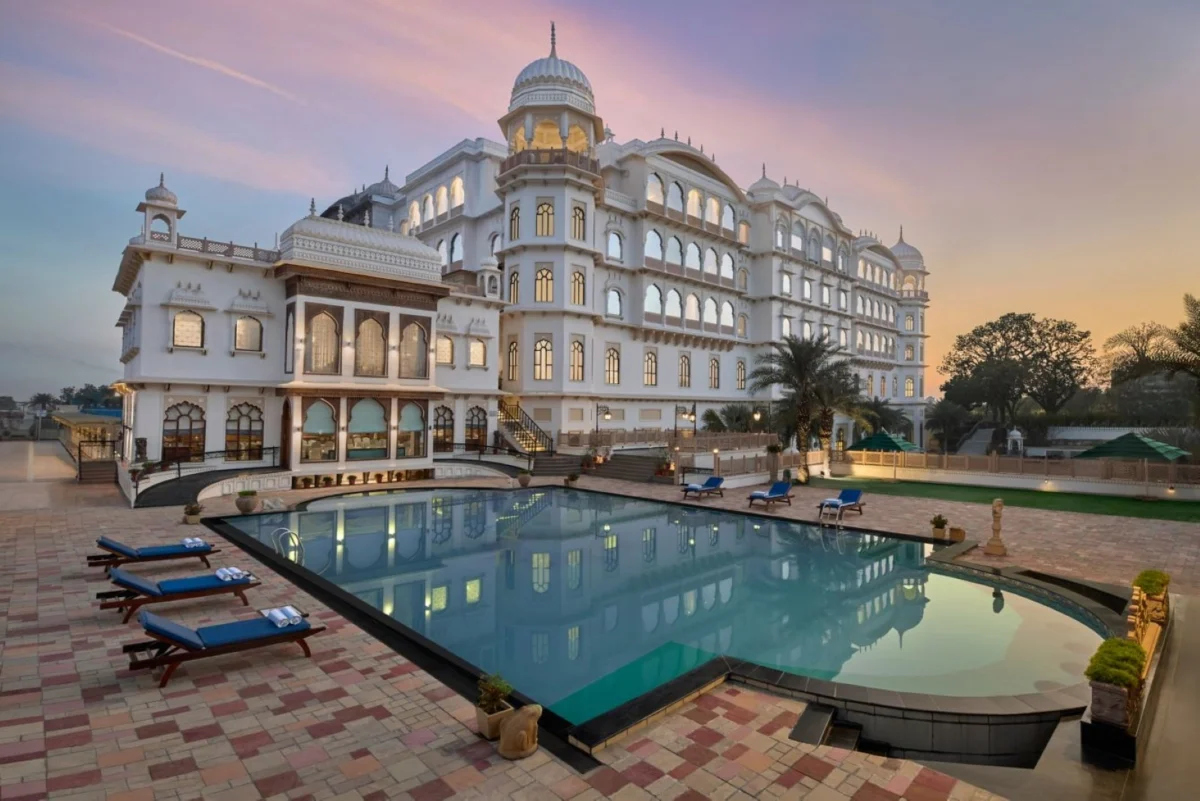
The arrival of the Autograph Collection in India represents a broader trend in the global travel industry where major hotel conglomerates seek to capture the "heritage" and "boutique" markets without sacrificing the consistency and loyalty benefits of a massive rewards program. For members of the Marriott Bonvoy program, this debut offers a rare opportunity to experience the grandeur of Indian royalty while utilizing a familiar digital ecosystem for bookings and redemptions. The Noormahal is not merely a hotel; it is a sprawling architectural tribute to the various dynasties that have shaped the Indian subcontinent, blending Rajputana and Mughal styles into a cohesive, high-luxury experience.
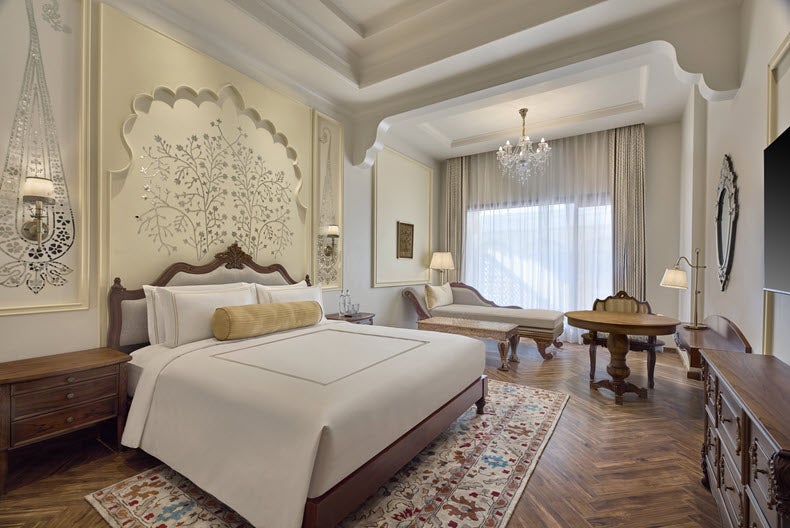
Envisioned and developed by the descendants of a Maharaja, the Noormahal is designed to serve as a living museum of India’s regal past. The architecture is a masterclass in traditional craftsmanship, featuring intricate jaali work (latticed screens), expansive courtyards, majestic domes, and hand-painted frescoes that evoke the atmosphere of a bygone era. The property comprises 176 guest rooms and suites, each meticulously curated to reflect the aesthetic sensibilities of ancient Indian royalty. For those seeking the pinnacle of luxury, the hotel offers two exclusive penthouses. These "palaces in the sky" feature expansive private terraces, opulent living areas, and dedicated butler service, aiming to redefine royal living for the modern, discerning traveler. According to a statement released by Marriott, these accommodations are intended to provide an immersive experience that transports guests back to the time of the Maharajas while ensuring every contemporary convenience is at their fingertips.
The historical significance of the hotel’s location cannot be overstated. Situated along the legendary Grand Trunk Road—one of Asia’s oldest and longest major roads—the Noormahal occupies a site that has been a crossroads of culture for millennia. The Grand Trunk Road served as a vital trade artery connecting the Indian subcontinent with Central Asia, facilitating the exchange of goods, ideas, and art between Mughal, Rajput, Punjabi, and Persian civilizations. This rich tapestry of history is reflected in the hotel’s extensive on-site collection of authentic art and artifacts. Guests can wander through corridors that serve as galleries, showcasing everything from antique weaponry to royal portraiture and centuries-old tapestries.
Mahesh Singh Jasrotia, the General Manager of Noormahal, Delhi NCR Karnal, Autograph Collection, emphasized the hotel’s deep roots in the local environment. "Our vision is for Noormahal to be intimately connected to North India’s surroundings," Jasrotia stated. This connection is visible in the hotel’s commitment to preserving regional traditions while offering a world-class hospitality platform. The property aims to be more than just a place to sleep; it is positioned as a destination in its own right, catering to history buffs, luxury seekers, and families alike.
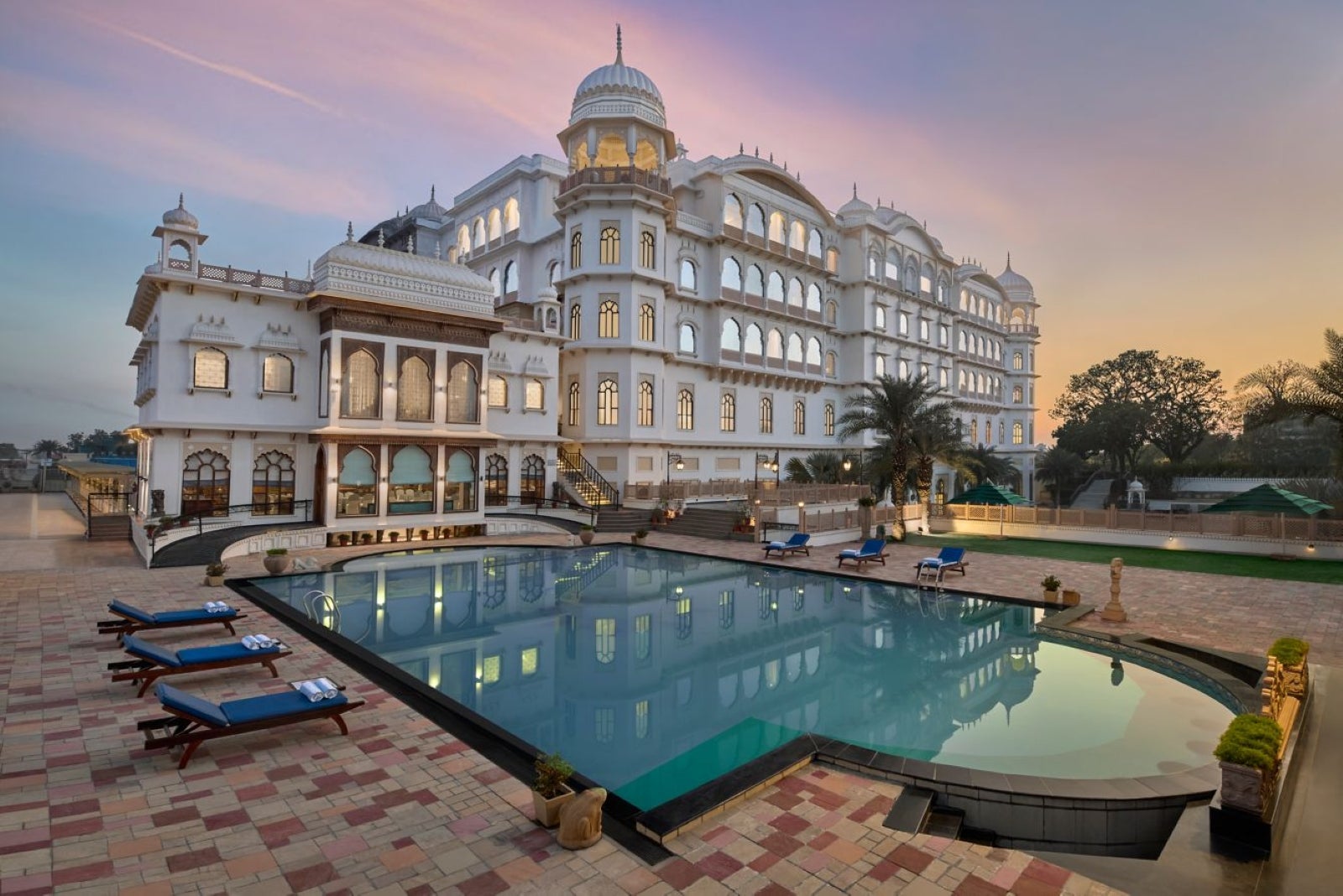
Beyond its historical allure, the Noormahal offers a comprehensive suite of modern amenities designed to rival the world’s top resorts. The wellness facilities include a state-of-the-art spa offering traditional Ayurvedic treatments alongside modern therapies, a fully equipped fitness center, and a sprawling outdoor swimming pool set against the backdrop of the palace’s ornate facade. Recognizing the shift toward active luxury and wellness tourism, the property also features specialized relaxation spaces and an array of sporting facilities. Guests can engage in tennis or the increasingly popular sport of pickleball. For those seeking more adrenaline-fueled activities, the hotel provides on-site ziplining and rock climbing, a rare find for a heritage-style property. Families are also well-catered to with a dedicated Kids Play Zone, ensuring that the "royal treatment" extends to guests of all ages.
The culinary offerings at the Noormahal are a central part of the guest experience, with four distinct dining venues that showcase the diversity of regional and international flavors. The Frontier Mail, the hotel’s flagship restaurant, takes its name and inspiration from the legendary train that ran between Bombay and Peshawar during the pre-partition era. The menu focuses on authentic recipes from the Northwestern frontier, offering a nostalgic journey through the flavors of undivided India. For a more contemporary take on the classics, Colonel Saab provides modern interpretations of Indian staples alongside international favorites, catering to a global palate. The Polo Bar, themed after the "Sport of Kings" which has deep roots in Indian history, offers a sophisticated environment for handcrafted cocktails and fine spirits. Finally, The Cake Factory provides a sweet conclusion to the day with a selection of artisanal desserts and pastries.
Strategically, the Noormahal serves as an ideal gateway for travelers looking to explore the broader wonders of Northern India. While Karnal itself is a city steeped in history—often associated with the Mahabharata and the legendary warrior Karna—it also sits at a convenient midpoint between several major tourist hubs. From here, guests can easily plan excursions to the Golden Temple in Amritsar (Punjab), the tiger-rich wilderness of Jim Corbett National Park in Uttarakhand, or the scenic hill stations and adventure sports hubs of Himachal Pradesh. Its proximity to the national capital makes it an attractive option for "staycations" for the Delhi-NCR elite, as well as a convenient stopover for international tourists arriving in India.
In terms of accessibility, the property is well-positioned for both domestic and international arrivals. It is located approximately a two-hour drive from Delhi’s Indira Gandhi International Airport (DEL), one of the busiest aviation hubs in the world, and roughly the same distance from Chandigarh’s Shaheed Bhagat Singh International Airport (IXC). For those traveling by rail, the Karnal Railway Station is a mere 15-minute drive from the palace gates, providing easy connections to the extensive Indian Railways network.
From a value perspective, the inclusion of Noormahal into the Marriott Bonvoy portfolio is a major win for points enthusiasts. Currently, room rates at the property start at approximately 19,000 Indian rupees (roughly $204) per night. While the property’s booking engine currently shows limited or no availability for points redemptions in the immediate wake of the rebranding, industry analysts expect this to change as the integration with Marriott’s global systems is finalized. The ability to redeem Bonvoy points for a palace stay in India is a high-value proposition, especially given the typically high cost of heritage luxury in the region. For travelers who have accumulated points through Marriott-branded credit cards or frequent stays at more utilitarian properties, the Noormahal represents an aspirational "burn" opportunity.
The rebranding of Noormahal as an Autograph Collection property is also a testament to the resilience and growth of the Indian luxury travel market. As India continues to develop its tourism infrastructure, the demand for "authentic" and "experiential" luxury has skyrocketed. Travelers are no longer satisfied with standard five-star hotels; they seek properties with a soul, a story, and a sense of place. By partnering with the Autograph Collection, Noormahal gains access to Marriott’s powerful marketing engine and a global audience of over 200 million Bonvoy members, while Marriott strengthens its footprint in a key growth market.
As the travel world looks toward 2026 and beyond, the Noormahal, Delhi NCR Karnal, Autograph Collection, stands as a beacon of cultural synthesis. It successfully bridges the gap between the ancient traditions of the Grand Trunk Road and the modern expectations of global loyalty program members. Whether one is visiting for a grand Indian wedding, a corporate retreat, or a quiet weekend of royal pampering, the Noormahal promises an experience that is, in the spirit of the Autograph Collection, "exactly like nothing else." The prospect of waking up in a palace, surrounded by the echoes of history, and paying for it with points earned on business trips, is a compelling new chapter in the story of Indian hospitality.
