
 By admin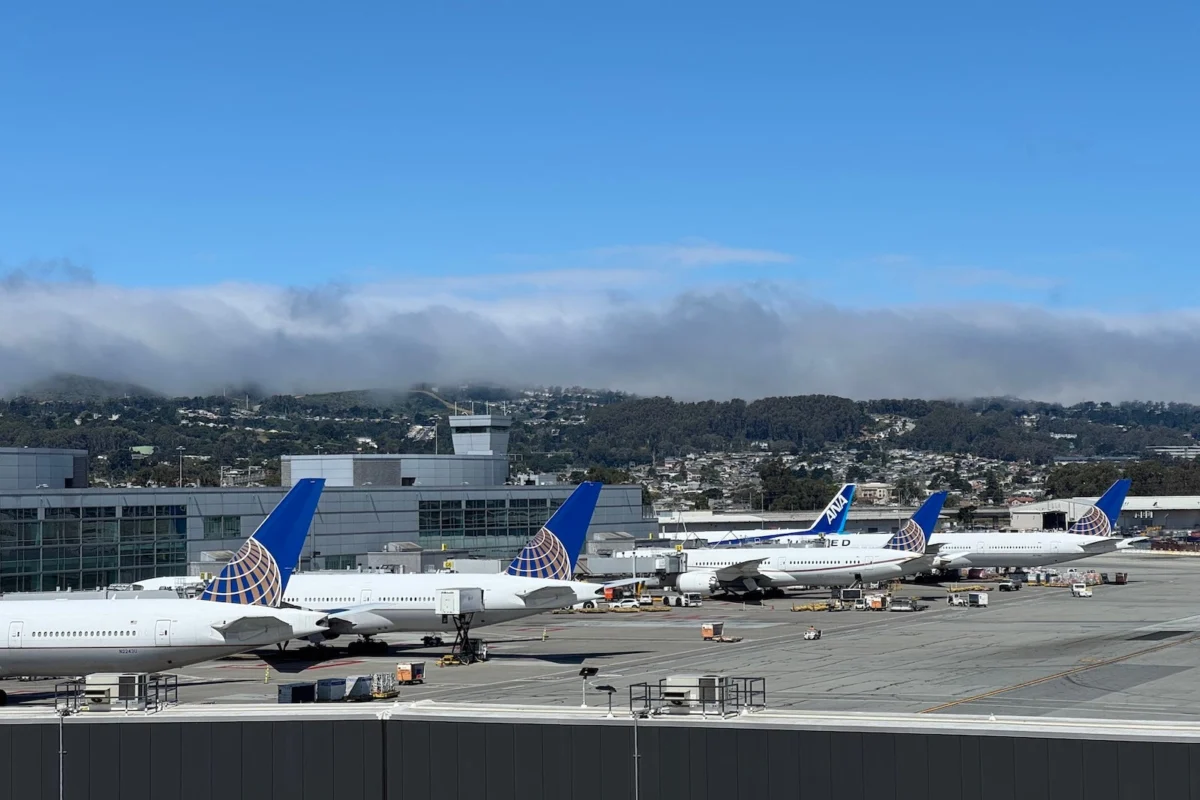
The operational gridlock that has defined the travel experience at San Francisco International Airport (SFO) for much of the spring and summer may finally be nearing an inflection point, according to recent executive commentary from United Airlines. On Thursday, leadership at the Chicago-based carrier expressed cautious optimism that a collaborative effort with the Federal Aviation Administration (FAA) will soon alleviate the chronic delays that have plagued one of the nation’s most critical international gateways. For months, SFO has been a focal point of traveler frustration, caught in a perfect storm of essential infrastructure maintenance, stringent new safety protocols, and the relentless demand of the peak summer vacation season.
The scale of the disruption at SFO has been significant, according to recent data analyzed by aviation analytics firm Cirium. Throughout the month of June, approximately one out of every three flights arriving at the Bay Area hub reached the gate at least 15 minutes behind schedule. This represents a staggering decline in operational reliability. Furthermore, Cirium’s data indicates that over the past quarter, the rate of significant flight delays at SFO spiked by 60% compared to the first three months of the year. The ripple effects of these delays have been felt across the global aviation network, as SFO serves as a primary jumping-off point for transpacific routes and a major node for domestic West Coast travel.
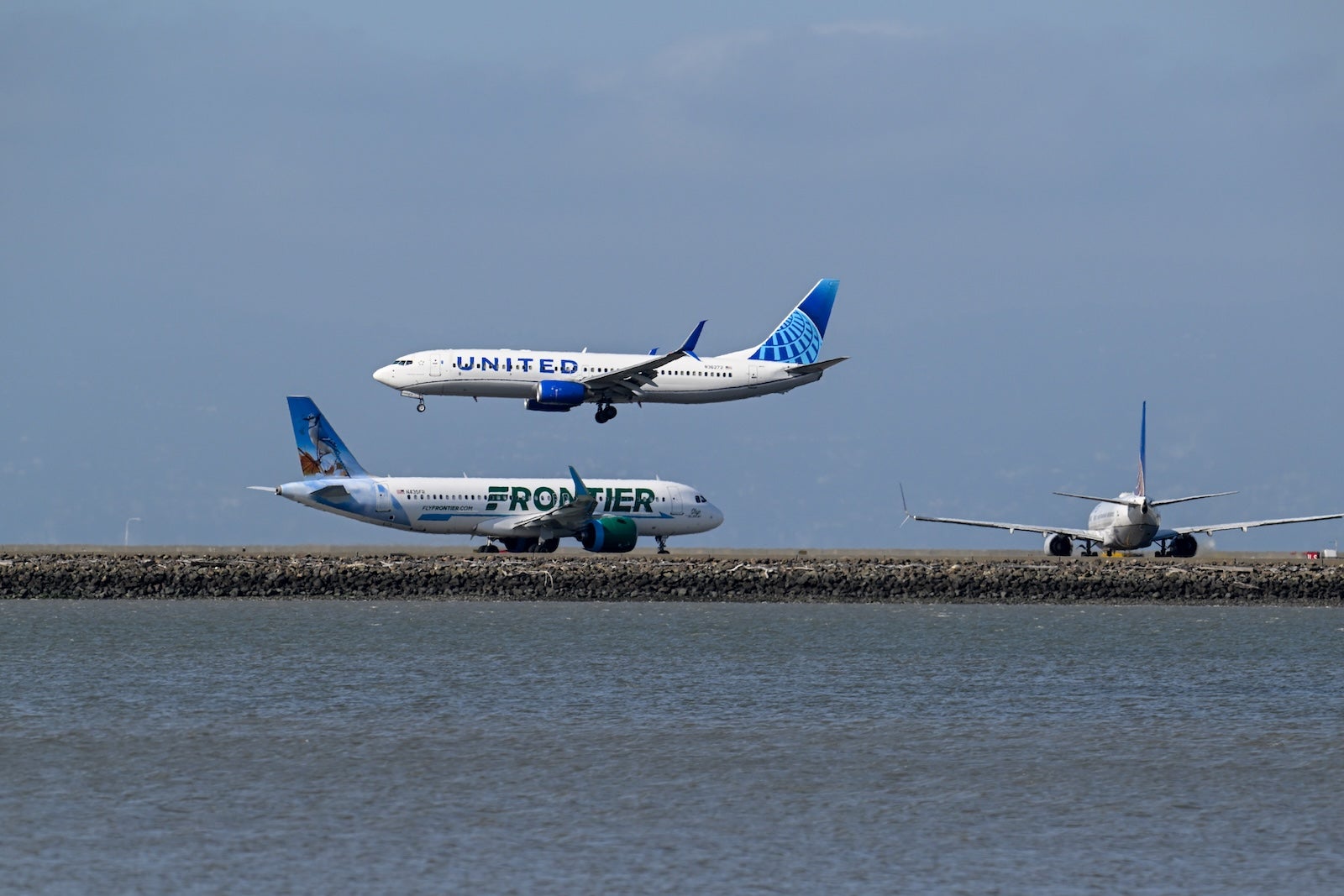
The root causes of this summer’s "travel woes" are twofold, involving both physical infrastructure and regulatory changes. Since April, SFO has been operating with a reduced runway capacity as its two primary north-south runways undergo a massive repaving project. These runways are vital for managing the airport’s throughput, and their temporary decommissioning has forced air traffic controllers to funnel all arrivals and departures onto a limited amount of pavement. This construction, while necessary for the long-term safety and integrity of the airfield, is scheduled to continue through the fall, with a projected completion date in October.
Compounding the physical constraints of the runway work is a significant regulatory shift implemented by the FAA in late March. The agency issued a safety directive that effectively banned the iconic side-by-side, or simultaneous parallel, landings that SFO is famous for. Under normal conditions, SFO’s closely spaced parallel runways allow two aircraft to land nearly simultaneously, a maneuver that maximizes the number of arrivals the airport can handle per hour. However, citing safety concerns and the need for increased separation buffers, the FAA restricted these arrivals, significantly lowering the "landing rate"—the number of planes allowed to touch down in a given hour. This "ground delay program" has become a daily reality for travelers, often resulting in planes being held at their origin airports for hours or forced into holding patterns over Northern California, leading to missed connections and stranded passengers.
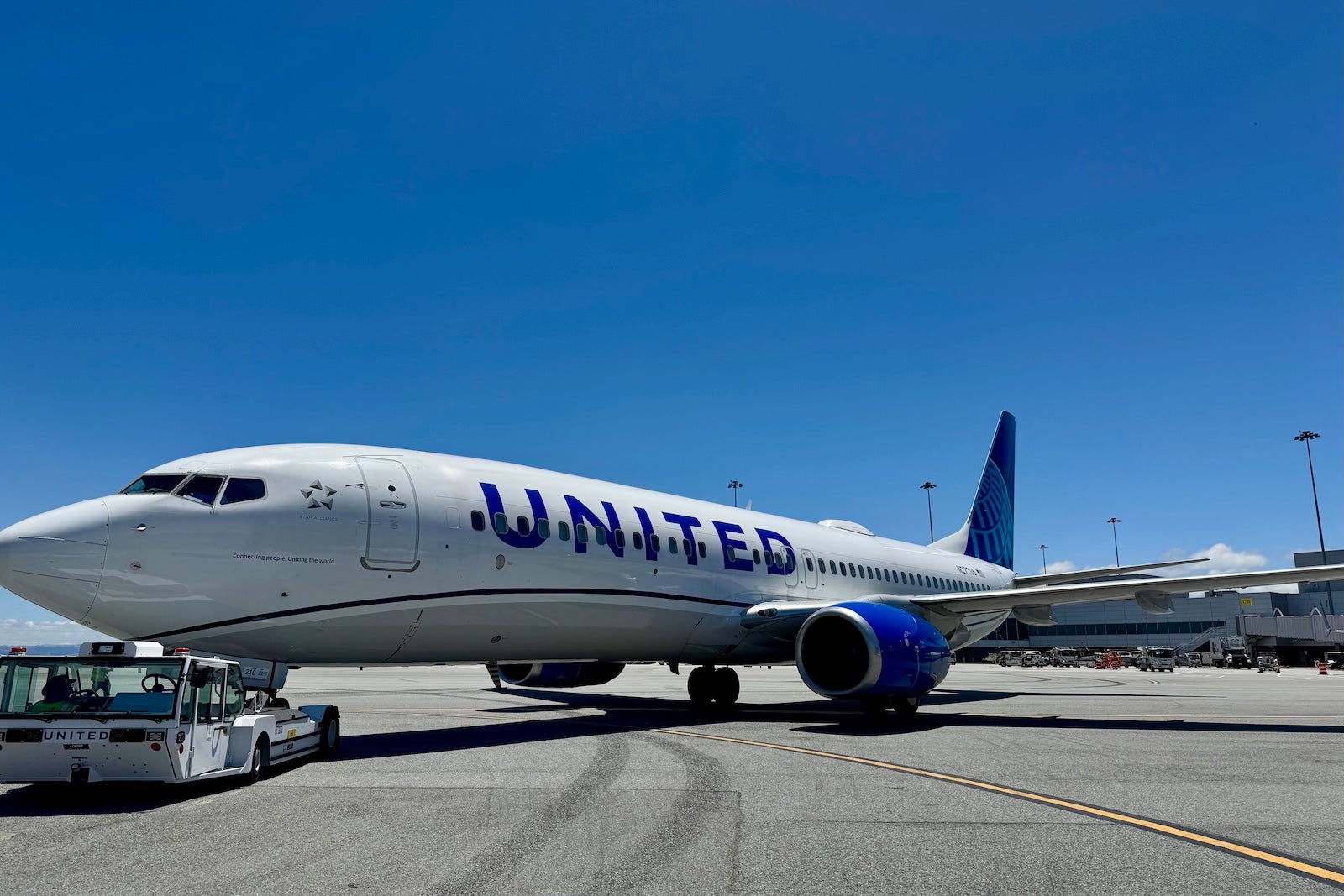
United Airlines, which maintains its primary West Coast hub at SFO and controls a dominant share of the airport’s traffic, has been the carrier most acutely impacted by these restrictions. During an earnings-related call on Thursday, United’s Chief Operating Officer, Toby Enqvist, revealed that the airline has been working "hand-in-hand" with the FAA to develop a "new approach" to air traffic management at the hub. While Enqvist stopped short of guaranteeing a total return to pre-restriction capacity, he noted that travelers should see tangible improvements in landing rates within the next two to three weeks. "I’m not 100% sure yet that we can get back to 100% where we were, but we should see improvements," Enqvist told analysts, signaling that the most restrictive phase of the FAA’s safety measures may be adjusted to better balance safety with operational efficiency.
The urgency of these fixes cannot be overstated. Real-time tracking data from FlightAware highlighted the severity of the situation just this week. On Monday, 45% of all flights destined for SFO were delayed. By Wednesday, that figure remained high at 40%. On Thursday afternoon—a day typically characterized by high volume as weekend travelers begin their journeys—the FAA reported ground delays at SFO averaging 55 minutes, with some flights facing much longer wait times. United CEO Scott Kirby emphasized that the conclusion of the runway repaving project in October remains the ultimate light at the end of the tunnel, calling the construction a "big driver" of the recent operational instability.
To understand why SFO is so susceptible to these types of delays, one must look at the airport’s unique geography and the broader context of American aviation infrastructure. SFO is frequently cited as one of the most "capacity-constrained" airports in the United States. Unlike many modern airports built on vast tracts of flat land, SFO is hemmed in by the San Francisco Bay, and its runway configuration is compact. This makes it particularly vulnerable to weather conditions, specifically the famous San Francisco fog. When visibility drops, the airport often loses the ability to use its parallel runways for simultaneous landings even under normal regulations, cutting capacity by nearly half. The current combination of construction and FAA-imposed separation requirements has essentially created a "permanent fog" scenario regardless of the actual weather.
Furthermore, SFO belongs to an elite and troubled group of airports that the FAA classifies as having "tightly managed" schedules due to chronic congestion. While SFO does not use a strict "slot" system like New York’s John F. Kennedy International (JFK) or LaGuardia (LGA), it is one of four major hubs where the FAA closely monitors and facilitates schedules to prevent total systemic collapse. Interestingly, all four of these hubs—SFO, Chicago’s O’Hare (ORD), Los Angeles International (LAX), and Newark Liberty (EWR)—are primary fortresses for United Airlines. This concentration of congestion at its major hubs puts United in a precarious position, requiring constant coordination with federal regulators to maintain a semblance of a schedule.
The situation at Chicago O’Hare (ORD) provides a cautionary tale for SFO. O’Hare has also faced FAA-mandated flight restrictions this summer due to a combination of ongoing construction and a contentious "turf war" over gate access and scheduling between United and American Airlines. In a move that signaled long-term concerns about capacity, the FAA recently extended flight limitations at O’Hare through October 2027. While SFO’s current issues are largely tied to temporary construction, the FAA’s willingness to impose long-term restrictions at major hubs suggests that the "new approach" mentioned by United executives will need to be robust to avoid a similar fate in California.
For the average traveler, the technicalities of runway separation and landing rates translate into personal and economic costs. A 55-minute ground delay in San Diego or Los Angeles can mean a missed connection to an international flight in San Francisco, potentially stranding a family for 24 hours or more. The economic impact on airlines is also substantial; every minute an aircraft spends idling on a taxiway or circling in a holding pattern consumes thousands of dollars in fuel and adds to the "duty time" of flight crews, which can lead to further cancellations if pilots or flight attendants exceed their legal working hours.
As the industry looks toward the end of the summer season, the focus remains on the "two to three-week" window mentioned by Enqvist. If the FAA and United can successfully implement a more flexible arrival procedure—perhaps by utilizing satellite-based navigation or more precise spacing technology—the late-summer travel period may be significantly smoother than the chaotic spring. However, the long-term solution remains the completion of the physical airfield upgrades. The repaving of runways 1R/19L and 1L/19R is a critical investment in the airport’s future, ensuring that the pavement can handle the weight of the next generation of long-haul aircraft, such as the Boeing 777X and the Airbus A350, which are vital for SFO’s role as a global transit point.
In the interim, aviation experts suggest that travelers flying into or through SFO should remain vigilant. Checking flight statuses early and often, opting for morning flights when the "marine layer" fog is less likely to have triggered a ground delay program, and allowing for longer-than-usual connection times are the best strategies for navigating the current environment. While United Airlines and the FAA are working to clear the metaphorical and literal clouds over SFO, the recovery of the airport’s operational rhythm will likely be a gradual process rather than an overnight fix. For now, the promise of relief is a welcome development for a traveling public that has grown weary of the tarmac views at San Francisco International.
