
 By admin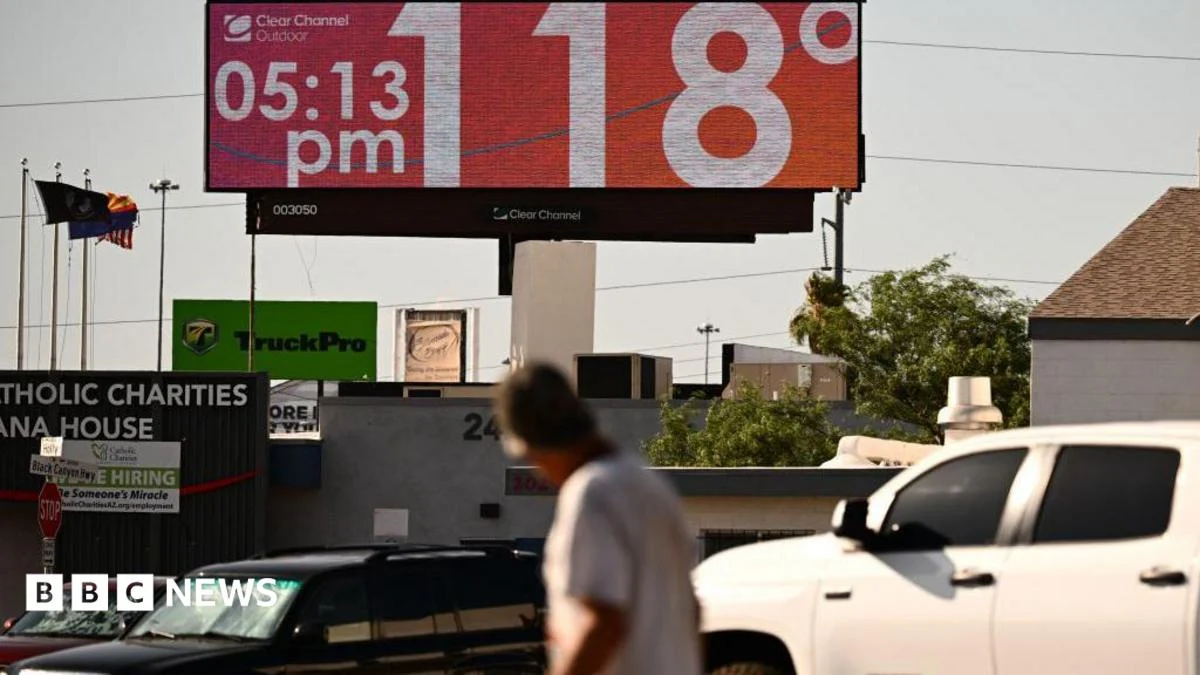
The summer of 2024 has etched itself into the collective memory of the United States and Europe as a period of unprecedented and often brutal heat. Record-breaking temperatures have not only tested the resilience of communities but have also served as a stark, undeniable testament to the escalating impacts of climate change. Scientists are issuing increasingly urgent warnings: these extreme heat events are no longer anomalies but the unsettling "new normal" that populations must prepare to endure.
The human cost of this relentless heat has been tragically evident. In late June, France reported a staggering increase of over 2,000 deaths attributed to a severe heatwave that shattered previous records. Similarly, in England and Wales, a series of intense heatwaves since May are estimated by scientists to have claimed more than 2,700 lives due to heat-related causes. The United States has also witnessed a grim toll, with at least 44 heat-related fatalities reported across the nation during the busy July 4th holiday weekend alone, a grim consequence of the extreme weather gripping the country.
For countless individuals, these soaring temperatures have been a profound shock, forcing a drastic recalibration of daily life. The increasing frequency and intensity of such extreme weather events, driven by human-induced climate change, have ushered in a challenging new reality. "People don’t realize this is not the same heat that we were experiencing 10 years ago; it is actually worse, because in many cases nighttime temperatures are not cooling off," explained Jennifer Marlon, a researcher at Yale University specializing in the impacts of extreme heat. This lack of nocturnal respite is critical, as our bodies rely on cooler nighttime temperatures to adequately recover from the day’s thermal stress. Without this crucial recovery period, the cumulative impact of heat on human health is significantly amplified, leading to a higher risk of heatstroke, dehydration, and exacerbation of pre-existing medical conditions.
However, amidst this widespread vulnerability, one American city stands out as a beacon of proactive adaptation and resilience. Phoenix, Arizona, a metropolis accustomed to blistering heat, has been diligently working for years to implement strategies aimed at reducing heat-related mortality. These sustained efforts appear to be yielding tangible results, potentially offering a vital blueprint for cities and regions worldwide grappling with similar challenges.
Maricopa County, the administrative and population center where Phoenix is located, consistently experiences some of the highest temperatures in the United States. This places the county at the vanguard of the global effort to enhance heat safety. The county has pioneered a multi-pronged approach, investing in programs designed to provide residents with crucial access to cooling centers and free air conditioning, particularly for those most at risk.
The success of Maricopa County’s initiatives in mitigating heat-related deaths is demonstrably evident in recent years’ statistics. After reaching a peak of 645 heat-related deaths in 2023, the number tragically declined to 405 in 2025. Numerous experts attribute a significant portion of this reduction to the policy changes and enhanced programs implemented by the county. A cornerstone of this strategy has been the unwavering focus on expanding access to air conditioning. This emphasis stems from the stark reality that many heat-related fatalities occurred among individuals with low incomes or those experiencing homelessness, populations often lacking adequate means to cool their living spaces.
The county’s commitment to providing consistent, open access to cool spaces has been instrumental. By extending the operating hours of these public cooling centers, in some instances to 24 hours a day, the county actively facilitates getting vulnerable individuals off the scorching streets and into environments where they can safely escape the heat. Furthermore, a targeted program offers eligible residents assistance with the repair or replacement of their malfunctioning air conditioning systems, addressing a critical gap in essential home infrastructure. "The world has a lot to learn from Maricopa County," acknowledged Marlon, underscoring the significance of their pioneering work.
Yet, the downward trend in heat-related deaths is not a guaranteed, permanent victory. The data from the current year, as of July 11, indicates a concerning uptick: Maricopa County has already recorded 23 heat-related deaths, with an additional 282 cases under investigation. If these numbers hold, they would surpass the figures from the previous year, serving as a stark reminder that the battle against extreme heat is ongoing and requires continuous vigilance and adaptation.
Ladd Keith, director of the Heat Resilience Initiative at the University of Arizona, emphasized the importance of dedicated leadership in tackling this complex issue. He suggests that other jurisdictions could emulate Phoenix by appointing a dedicated "heat officer." This individual would be tasked with overseeing heat-related initiatives, fostering collaboration, and ensuring effective communication among various government departments. "It’s incredibly important to make someone responsible for heat because the problem is, if it’s no one’s responsibility, then no one will address it," Keith stated, highlighting the critical need for clear accountability.
With coordinated efforts and effective communication strategies, facilities such as cooling centers can be established and replicated in regions across the United States that are not traditionally accustomed to such scorching temperatures, according to Marlon. However, she stresses that this requires a widespread societal acknowledgment and a deep understanding of the severity of heat as a threat, not as a temporary inconvenience.
The scientific consensus is unequivocal: heatwaves have become more frequent, more intense, and longer-lasting due to human-induced climate change. The Earth’s temperature has already risen by more than 1.1 degrees Celsius since the beginning of the industrial era, and even with aggressive global efforts to curb emissions, temperatures are projected to continue their upward trajectory for some time. This persistent warming trend necessitates a fundamental shift in how we perceive and prepare for heat.
Experts also highlight the critical need for cities and jurisdictions to recognize that heat is not solely a public health concern but also an infrastructure and economic issue. The tangible impacts are already being felt: roads are buckling under the extreme temperatures, and flights are experiencing significant delays, as Marlon warns. These disruptions underscore the pervasive influence of heat on the fabric of modern life and the economy.
Most crucially, Keith reiterates, is the imperative for people to grasp that this oppressive heat is here to stay and will likely intensify. "We have to shift away from planning for the historic heat we’ve experienced and start to plan for the heat we’re going to experience in the next five to 10 years," he urged. His sobering prognosis serves as a wake-up call: "If people think it’s bad now, it’s going to be hotter, and it’s going to be hotter longer. The records are going to be broken, you can almost guarantee, year after year across the world." This stark reality demands a paradigm shift in our approach, moving from reactive measures to proactive, long-term strategies that embrace the inevitability of a hotter future and build resilience accordingly. The lessons learned in the heat-beaten streets of Phoenix offer a vital starting point for a world urgently seeking to adapt to its warming climate.
