
 By admin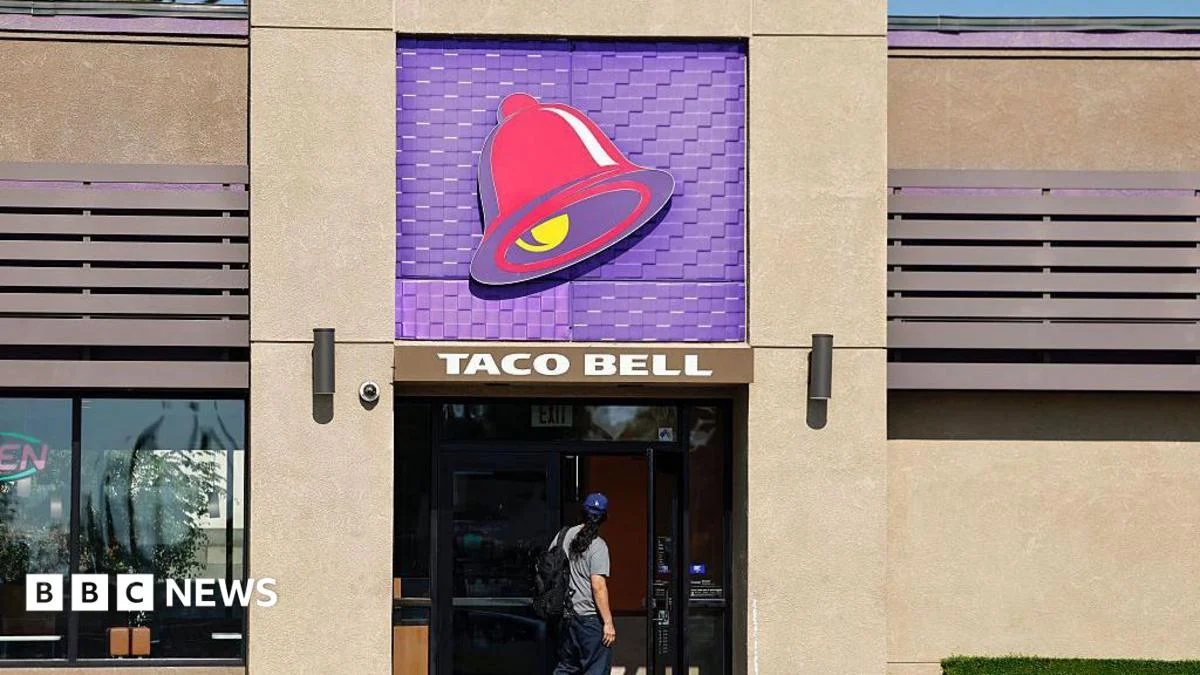
In a decisive move driven by public health concerns, the popular American fast-food chain Taco Bell has initiated the removal of lettuce from its menu offerings in several states, following investigations that have linked the ingredient to a troubling outbreak of cyclosporiasis, a parasitic infection characterized by severe, explosive diarrhea. This precautionary measure, described by the company as being taken "out of an abundance of caution," was implemented after extensive discussions with health officials, signaling a proactive approach to safeguarding its customers.
The Centers for Disease Control and Prevention (CDC) has reported a significant number of infections, with 1,645 individuals across five states exhibiting symptoms of cyclosporiasis. These states have been identified as having had "exposure" to Taco Bell establishments, underscoring the potential nexus between the restaurant’s supply chain and the widespread illness. Cyclosporiasis, a debilitating gastrointestinal ailment, is known to spread through the consumption of contaminated food or water, making the integrity of food preparation and sourcing paramount. While fortunately, no fatalities have been reported thus far, the severity of the infections is highlighted by the fact that 94 individuals have required hospitalization due to cyclosporiasis, according to the U.S. Food and Drug Administration (FDA). The first detection of these infections dates back to May 13th, indicating a period of concern that has now escalated to direct action by the fast-food giant.
The U.S. Food and Drug Administration (FDA) has issued a clear warning to consumers, specifically advising them to "Do not eat food items with shredded iceberg lettuce from Mexico served at Taco Bell locations in Indiana, Kentucky, Michigan, Ohio, and West Virginia." This targeted advisory pinpoints the affected states and the specific ingredient, providing consumers with critical information to avoid potential exposure. Taco Bell, in its statement, confirmed that lettuce from one of its suppliers is being indefinitely removed from its operations and will be replaced, a testament to the seriousness with which the company is treating the situation. The company emphasized its commitment to public health, stating, "While no official advisory has been issued, we believe public health is a shared responsibility among restaurants, their suppliers, and authorities." This sentiment highlights a broader understanding of the interconnectedness of the food industry’s various stakeholders in ensuring consumer safety.
While Taco Bell has not publicly disclosed the specific states where lettuce has been removed from menus, the concentration of reported infections points towards Michigan as a particularly hard-hit area. Over 3,300 cases have been detected in Michigan alone, suggesting a disproportionately high impact in this state. The company has also remained tight-lipped about the exact origin of the lettuce implicated in the outbreak, but U.S. media reports have identified Taylor Farms, a prominent produce supplier with operations in Mexico, as the potential source. U.S. health officials have corroborated these reports, stating that the FDA has traced the outbreak to a lettuce supplier located in Mexico.
In response to the unfolding crisis, Taylor Farms issued a statement to the BBC, confirming its decision to "voluntarily removing all iceberg lettuce sourced from central Mexico from the U.S. market." The company acknowledged that tracking efforts by FDA officials indicated one of its independent farms as the potential origin of the outbreak. This voluntary action, taken in conjunction with official investigations, demonstrates a willingness within the supply chain to address issues proactively.
The insidious nature of cyclosporiasis lies in its incubation period. Symptoms of infection can take approximately two weeks to manifest after exposure, meaning individuals may have consumed contaminated food days or even weeks before realizing they are ill. The symptoms themselves can be severe and debilitating. The most common presentations include watery diarrhea that can persist for days, often leading to significant dehydration and discomfort. Accompanying symptoms can include sudden, unexplained weight loss and a marked loss of appetite, further contributing to the overall malaise experienced by infected individuals. These symptoms can significantly disrupt daily life and necessitate medical attention.
Experts in the field have highlighted the considerable challenges inherent in tracing the source of cyclosporiasis outbreaks. Steven Manderach, executive director of the Association of Food and Drug Officials, offered a stark analogy to illustrate the difficulty, stating, "This isn’t like detecting a needle in a haystack. It’s like detecting a microscopic portion of a needle in a haystack." This underscores the complexity of identifying the precise point of contamination within extensive agricultural and distribution networks. Manderach also alluded to potential contributing factors to these tracing difficulties, suggesting that cuts to federal health agencies may have hampered their investigative capabilities. Such a statement raises broader questions about the adequacy of resources allocated to public health surveillance and food safety enforcement, particularly in an era of increasingly globalized food supply chains.
The current outbreak serves as a potent reminder of the delicate balance required to ensure food safety. The journey of a single ingredient, like iceberg lettuce, from a farm in Mexico to a fast-food restaurant in the United States, involves numerous stages of cultivation, harvesting, processing, packaging, transportation, and distribution. Each of these stages presents potential points of vulnerability where contamination can occur, whether through contaminated water used for irrigation, unsanitary harvesting practices, or cross-contamination during processing. The parasitic nature of Cyclospora cayetanensis, the causative agent of cyclosporiasis, makes it particularly adept at surviving in certain environmental conditions and spreading through contaminated produce.
The role of regulatory bodies like the FDA and CDC is crucial in monitoring food safety and responding to outbreaks. Their investigations, which involve epidemiological studies, laboratory testing, and traceback efforts, are essential for identifying the source of contamination and preventing further spread. However, as indicated by expert commentary, the effectiveness of these agencies can be influenced by their funding and staffing levels. In an era of increasing globalization and complex supply chains, robust public health infrastructure is more vital than ever.
For consumers, the outbreak highlights the importance of staying informed about food safety advisories and exercising vigilance. While fast-food chains and regulatory bodies work to ensure the safety of the food supply, consumers also play a role in being aware of potential risks and making informed choices. The information provided by the FDA regarding specific ingredients and locations serves as a critical tool for consumers to protect themselves and their families.
The incident also brings into focus the responsibility of food suppliers. Taylor Farms’ voluntary action to remove lettuce from the U.S. market demonstrates a commitment to addressing the issue, even before a definitive regulatory mandate. This type of proactive engagement from suppliers is essential in building trust and ensuring the safety of the food consumed by millions. The company’s willingness to cooperate with FDA investigations and acknowledge the potential source of the outbreak is a positive step in the right direction.
The broader implications of this outbreak extend beyond Taco Bell and its customers. It serves as a case study for the entire food industry, underscoring the need for continuous improvement in food safety protocols, rigorous supplier vetting, and robust traceability systems. The challenge of identifying and mitigating foodborne illness risks is an ongoing one, requiring collaboration and transparency among all stakeholders, from farmers to consumers and the regulatory agencies that oversee them. The current situation, while concerning, also presents an opportunity for reflection and enhancement of the systems in place to protect public health from the threat of contaminated food. The continued cooperation between Taco Bell, Taylor Farms, and health authorities will be key to resolving this outbreak and preventing future occurrences, ensuring that the public can continue to enjoy their favorite fast-food options with confidence. The extended timeline for symptoms to appear further complicates the public health response, necessitating sustained vigilance and communication. The potential for widespread impact, even with a single ingredient, emphasizes the interconnectedness of global food systems and the critical importance of rigorous safety standards at every step of the supply chain. The public health community will undoubtedly be monitoring the situation closely to ensure that all necessary steps are taken to contain and eradicate this particular outbreak, while also drawing lessons to strengthen food safety practices for the future.
