
 By admin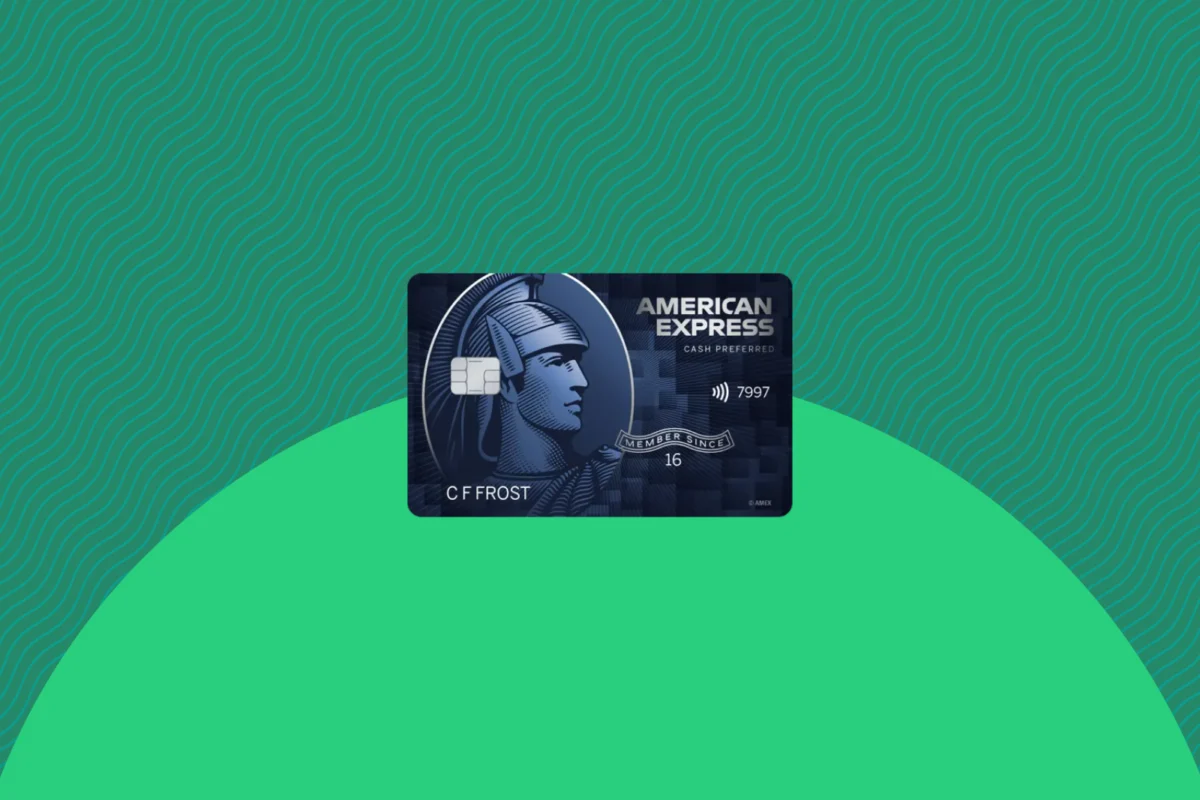
For those who have spent years in the points and miles ecosystem, there often comes a "season of life" where the complexity of travel loyalty programs becomes a burden rather than a hobby. Whether you are saving for a home renovation, managing the costs of a growing family, or simply prefer the ease of statement credits, the current market for cash-back cards is more competitive than ever. Furthermore, many of the top-tier cash-back cards now offer a hybrid functionality, allowing cardholders to earn cash back today while retaining the option to convert those rewards into high-value travel points later if they pair them with the right premium credit cards.

The Power of Category Bonuses: Amex Blue Cash Preferred
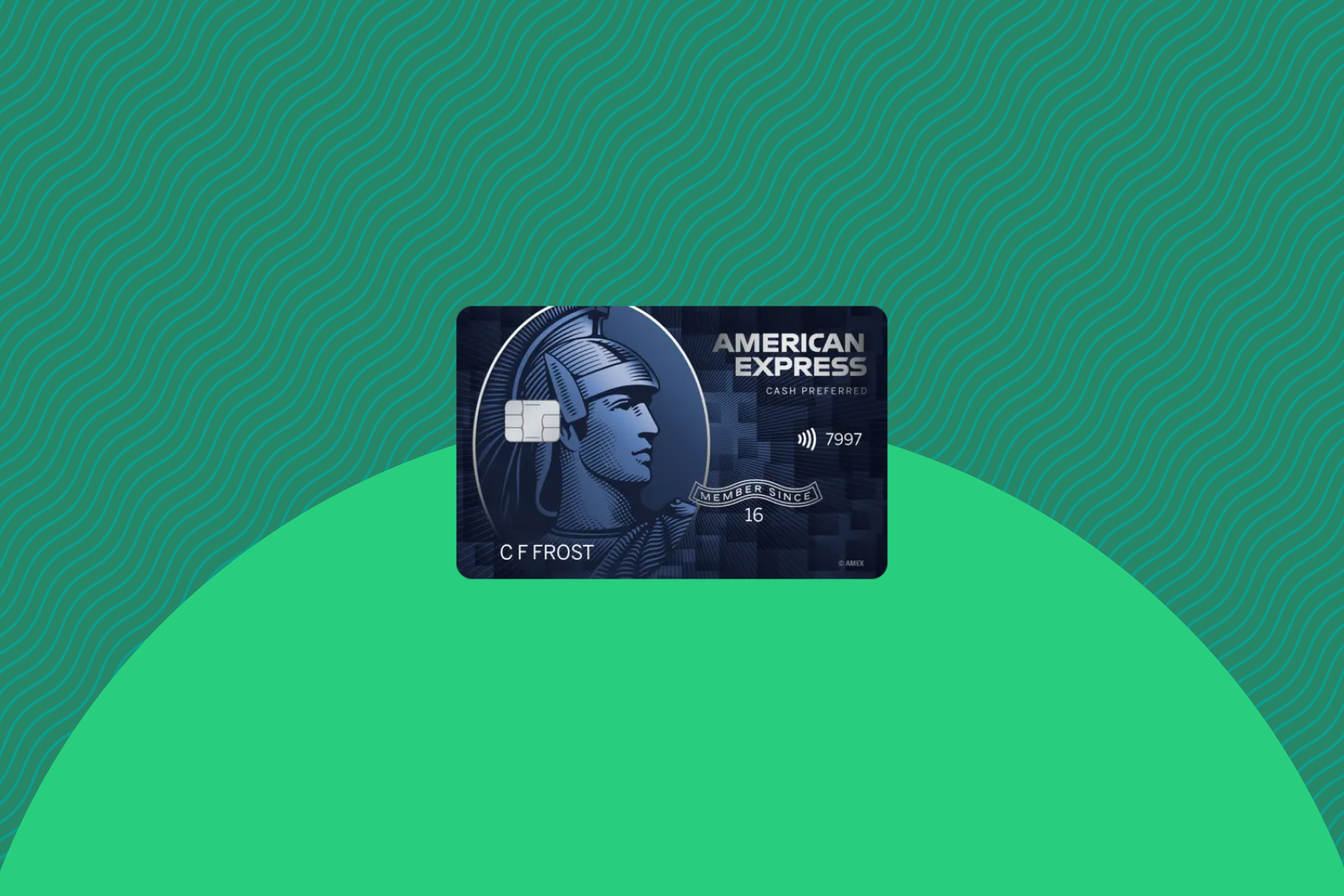
When analyzing the landscape of "supermarket cards," the Blue Cash Preferred® Card from American Express consistently sits at the top of the list. It is designed specifically for the modern household that spends significantly on groceries and digital media. The card offers a staggering 6% cash back at U.S. supermarkets on up to $6,000 in purchases per year (then 1%), and an unlimited 6% back on select U.S. streaming subscriptions. For a family spending the full $6,000 annually on groceries, that equates to $360 in cash back from that single category alone.
Beyond the kitchen and the living room, the card provides 3% cash back at U.S. gas stations and on transit—including taxis, rideshares, parking, tolls, and trains—making it an excellent companion for commuters. While the card carries a $95 annual fee ($0 introductory annual fee for the first year), it offers an annual $120 Disney Bundle credit (up to $10 per month in statement credits for eligible subscriptions). If a consumer already pays for Disney+, Hulu, or ESPN+, this credit effectively wipes out the cost of the annual fee, making the high-percentage rewards pure profit. It is important to note that rewards are received in the form of Reward Dollars, which can be redeemed for statement credits or used at Amazon.com checkout.
The Versatile Daily Drivers: Chase Freedom Unlimited and Chase Freedom Flex
Chase has mastered the art of the "entry-level" card that packs a professional-grade punch. The Chase Freedom Unlimited is often cited by financial experts as one of the best "all-around" cards on the market. It features a unique tiered earning structure: 5% back on travel booked through Chase Travel, 3% on dining (including takeout and eligible delivery services), 3% at drugstores, and a base rate of 1.5% on all other purchases. This 1.5% "floor" is significantly better than the 1% offered by many competitors, ensuring that even un-categorized spending earns a respectable return.
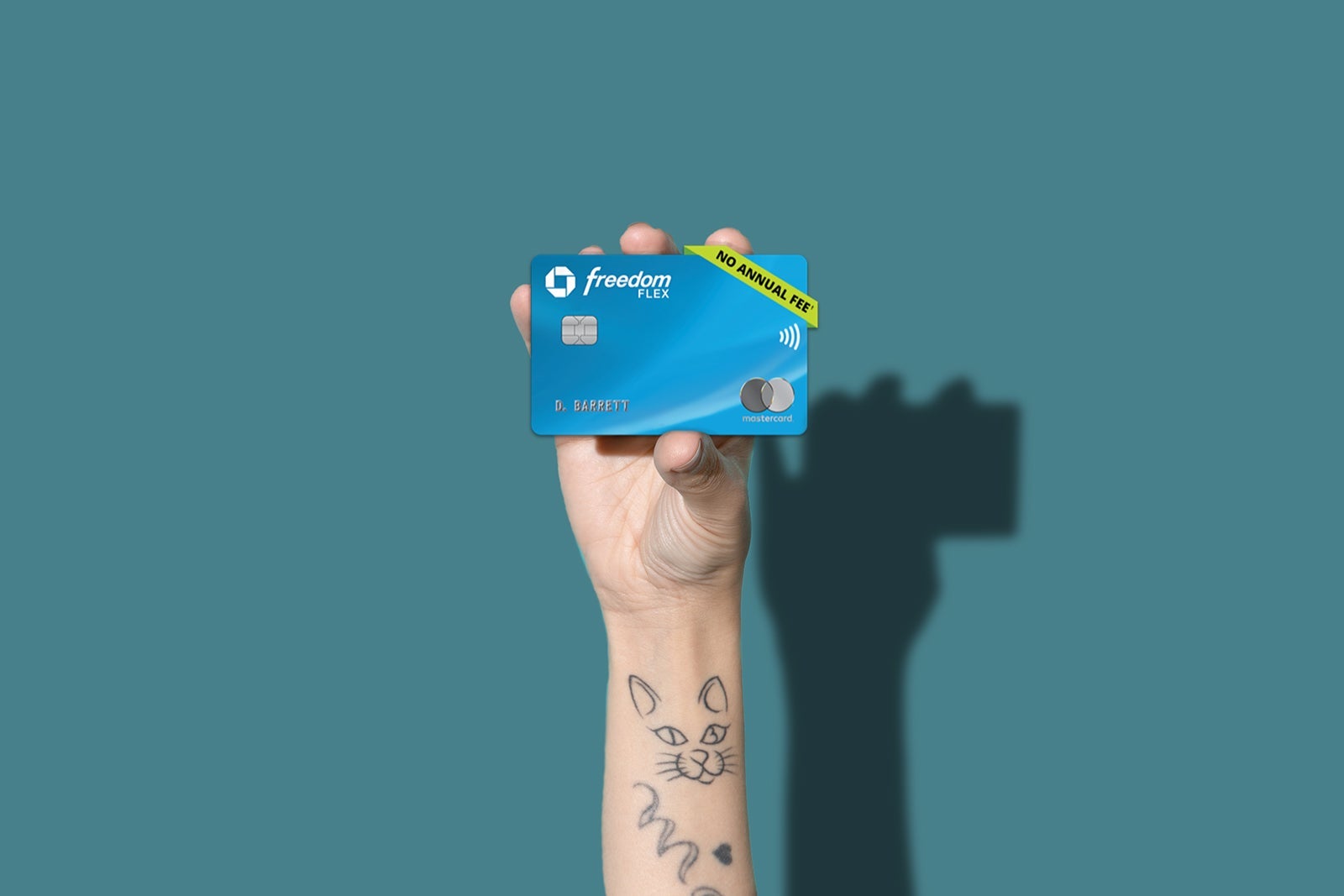
Its sibling, the Chase Freedom Flex, offers a different strategic advantage through rotating quarterly categories. By "activating" these categories each quarter, cardholders can earn 5% back on up to $1,500 in combined purchases in areas like Amazon, grocery stores, or wholesale clubs. When the $1,500 limit is reached, or for non-category spend, the card earns 1% back, though it shares the 5% travel and 3% dining/drugstore bonuses with the Unlimited version.
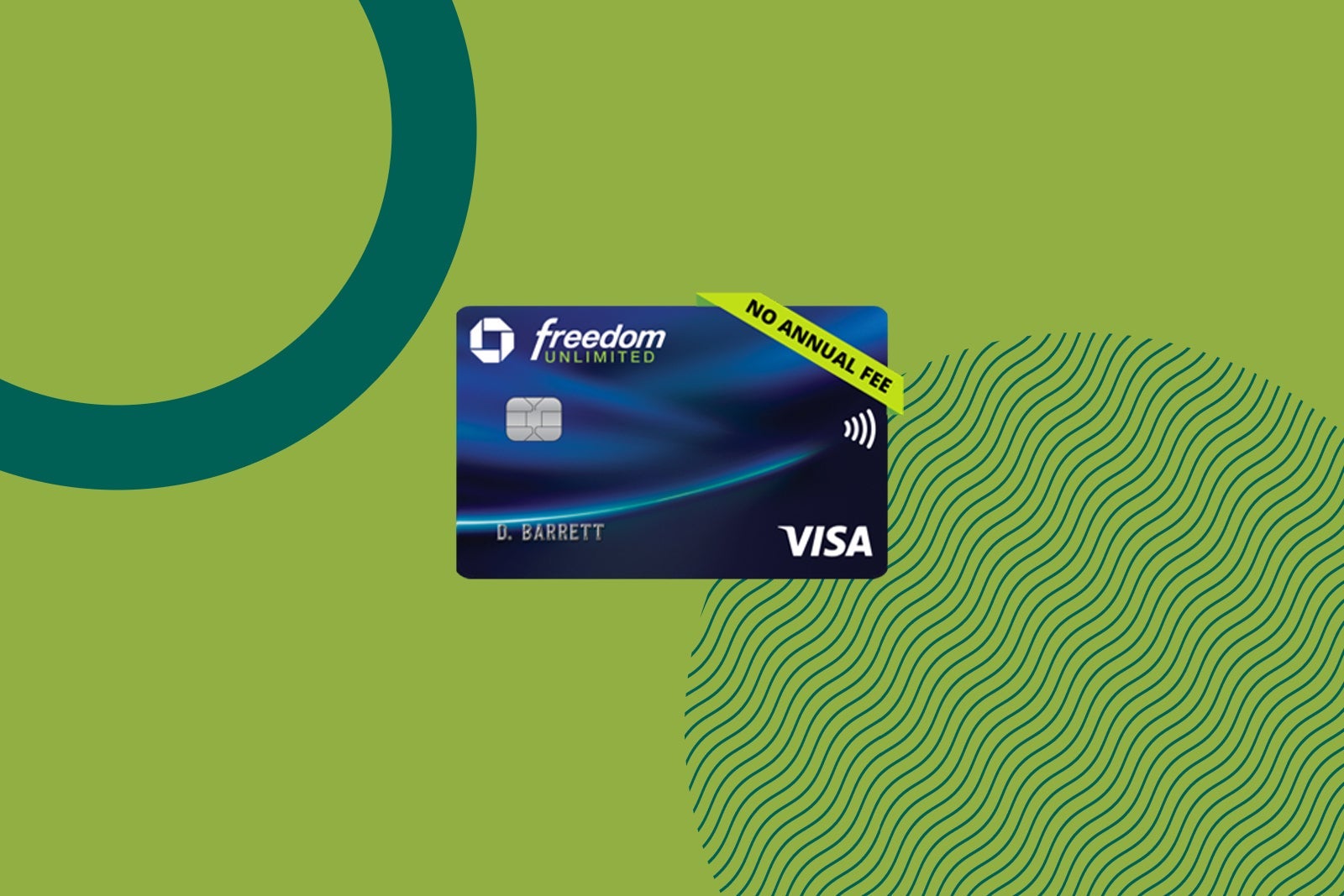
The true "pro tip" for these Chase cards involves the "Chase Trifecta." While marketed as cash-back cards, the rewards are actually earned as Ultimate Rewards points. If you also hold a premium card like the Chase Sapphire Preferred® Card or Chase Sapphire Reserve®, you can move your points from the Freedom cards to the Sapphire cards. This allows you to transfer them to airline and hotel partners like United Airlines, British Airways, or Hyatt, potentially doubling or tripling the value of your "cash back."
The Simplicity of the 2% Flat-Rate: Wells Fargo and Citi
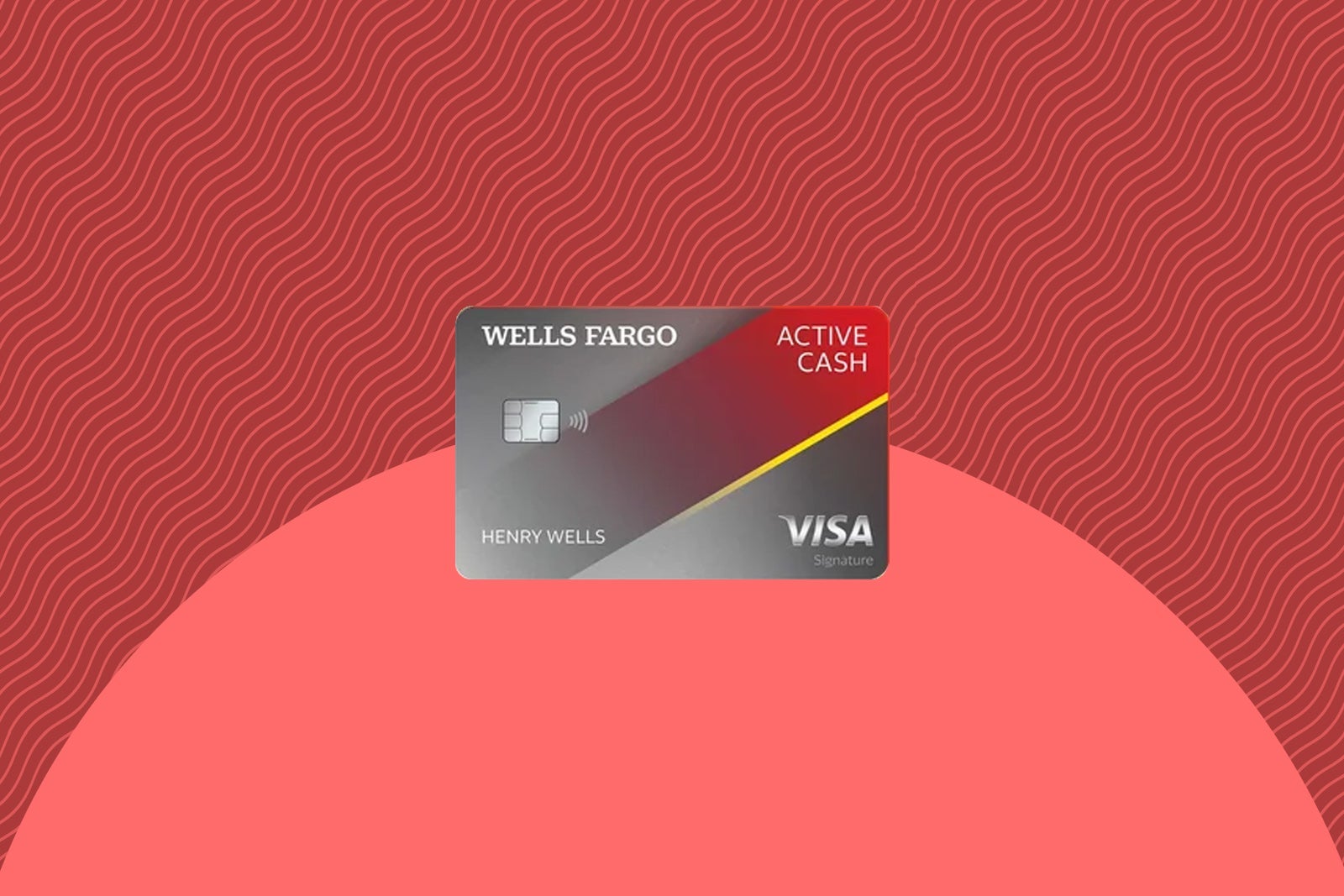
For consumers who find category tracking tedious, the 2% flat-rate card is the gold standard of simplicity. The Wells Fargo Active Cash® Card offers an unlimited 2% cash rewards on all purchases with no annual fee. It is a "set it and forget it" tool that ensures you never earn less than a 2% return on your spending. A notable value-add for this card is the $600 cellphone protection benefit, which covers damage or theft of your phone as long as you pay your monthly bill with the card (subject to a $25 deductible).

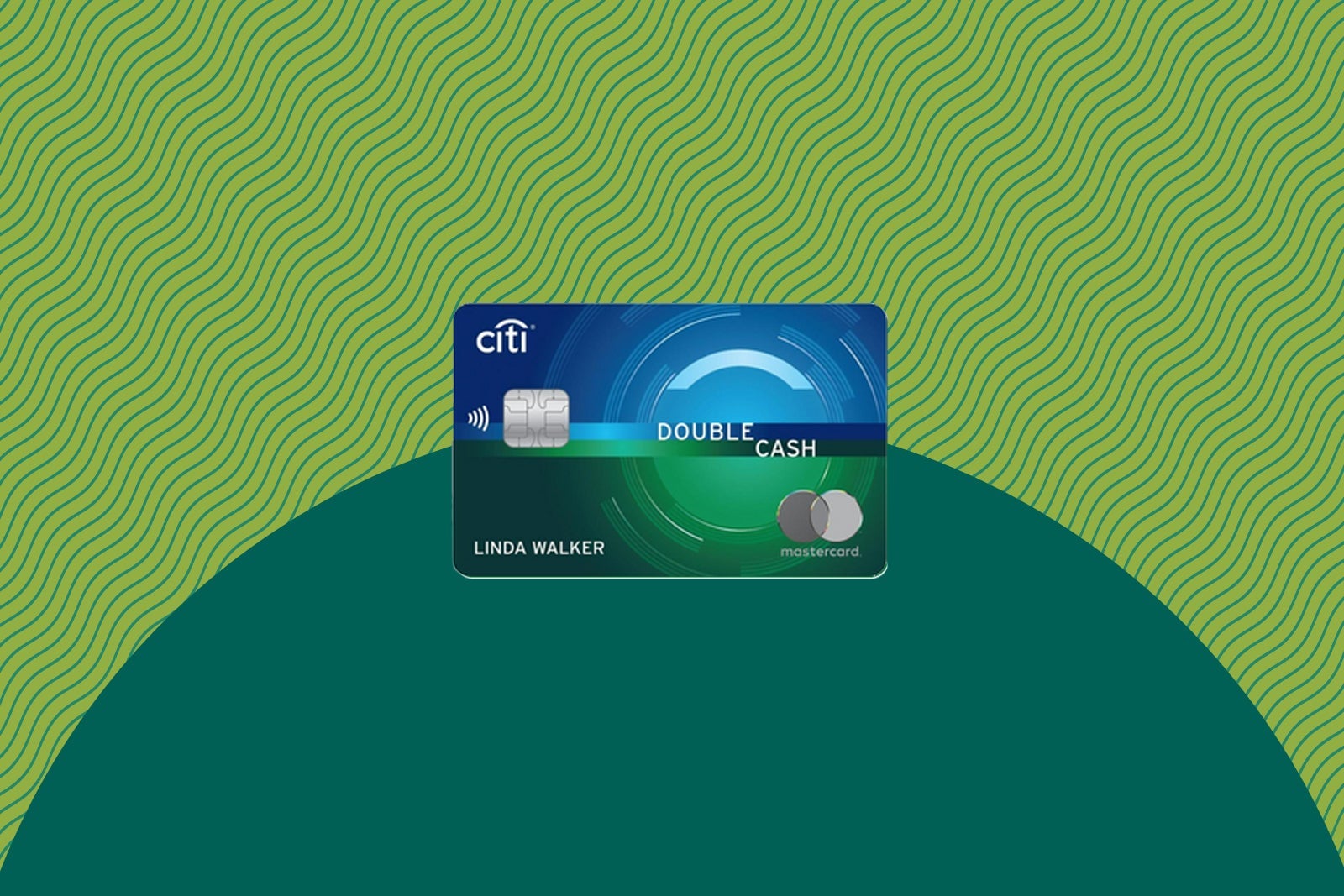
Similarly, the Citi Double Cash® Card has been a fan favorite for years. It earns 2% back—1% when you buy and 1% as you pay your bill. This structure encourages responsible financial habits by rewarding the act of paying off the balance. Like the Chase ecosystem, the Citi Double Cash rewards can be converted into Citi ThankYou Points. If paired with the Citi Strata Premier℠ Card, these points can be transferred to travel partners, providing a path from simple cash back to global travel.
Lifestyle and Entertainment: Capital One Savor and Quicksilver
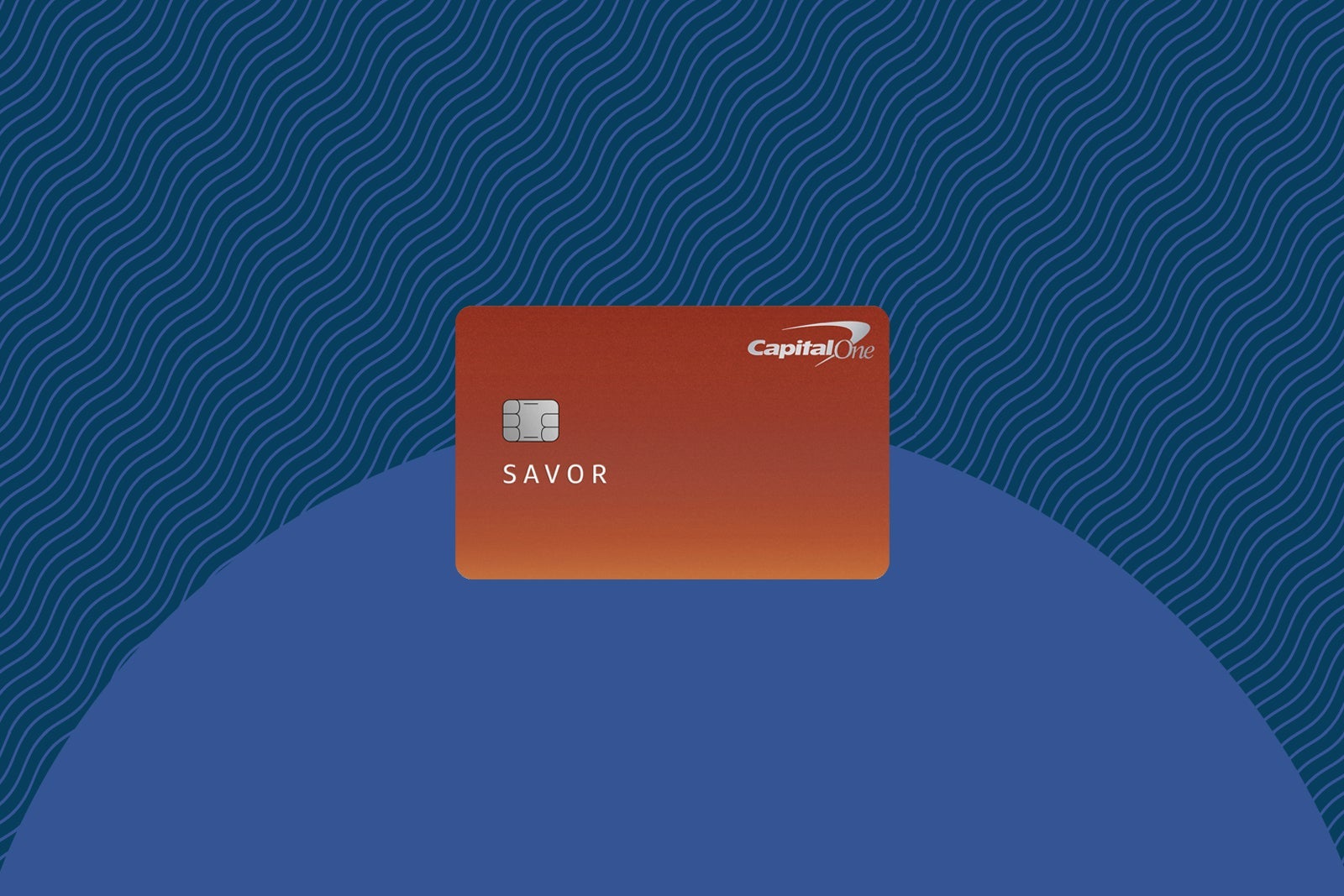
Capital One has carved out a niche for the "experience-focused" spender. The Capital One Savor Cash Rewards Card is tailored for those who spend heavily on dining and entertainment. It offers 3% back at grocery stores (excluding superstores like Walmart and Target), on dining, entertainment, and popular streaming services. Furthermore, it offers an elevated 8% back on Capital One Entertainment purchases and 5% on travel booked through Capital One Travel. With no annual fee, it is a powerhouse for social butterflies.
For a simpler approach, the Capital One Quicksilver Cash Rewards Credit Card provides a flat 1.5% back on all purchases. While slightly lower than the 2% offered by Wells Fargo or Citi, it remains a strong contender due to Capital One’s user-friendly interface and the 5% back on hotels and rental cars booked through their travel portal. Both cards allow rewards to be converted into Capital One miles if the user also holds a Venture-series card, adding another layer of redemption flexibility.
Small Business Solutions: The Spark and Ink Series
Small business owners often have higher expenses and different needs than individual consumers. The Capital One Spark Cash Plus is a heavy-hitting "pay-in-full" card that earns an unlimited 2% cash back on every purchase. Because it is a charge card with no preset spending limit, it offers the purchasing power businesses need for large inventory or equipment buys. It currently features a massive welcome offer of up to $2,000 in cash bonuses, though it requires significant spend to achieve. For smaller businesses, the Ink Business Unlimited® Credit Card from Chase provides a no-annual-fee alternative, earning 1.5% back on all business purchases and offering a $1,000 sign-up bonus after spending $8,000 in the first four months.
Strategic Analysis: How to Choose Your Card
When selecting a cash-back card, the first step is a "budget audit." Consumers should look at their last three to six months of credit card statements to identify where the bulk of their money is going. If groceries and gas dominate, a tiered card like the Amex Blue Cash Preferred is the logical choice. If spending is fragmented across niche categories, a flat-rate 2% card will likely yield a higher total return.
Annual fees are another critical consideration. While many of the best cash-back cards have $0 annual fees, some—like the Amex Blue Cash Preferred or the Capital One Spark Cash—carry fees around $95. To determine if these are worth it, you must calculate the "break-even point." For example, with a $95 fee, you must earn at least $95 more in rewards than you would on a free card to justify the cost. In the case of the Blue Cash Preferred, the 6% grocery rate is so high that many families surpass the break-even point within the first few months of the year.
Expert perspectives, such as those from TPG founder Brian Kelly, emphasize that the best strategy often involves a "multi-card approach." By using a 5% or 3% category card for specific purchases and a 2% flat-rate card for everything else, a consumer can effectively push their average cash-back rate toward 3% or 4% across their entire budget. This "optimization" requires more effort but results in significantly more money back in the pocket.
The Economic Context of Cash Back
In an era of economic uncertainty and inflation, the value of liquid cash cannot be overstated. While travel points can be devalued overnight by an airline changing its award chart, a dollar of cash back retains its face value. Moreover, many consumers use cash-back rewards as a psychological "forced savings" plan. By letting rewards accumulate throughout the year, cardholders can use the lump sum to fund holiday shopping, pay for an annual insurance premium, or contribute to an emergency fund.
Ultimately, the "best" card is the one that aligns with your lifestyle and financial goals. Whether you are a business owner looking to maximize a $500,000 spend or a student looking to get 3% back on your Friday night dinner, the current cash-back market offers a solution. The simplicity of these cards—no charts, no transfers, no stress—proves that sometimes, the most valuable reward is the one you can spend anywhere.
