
 By admin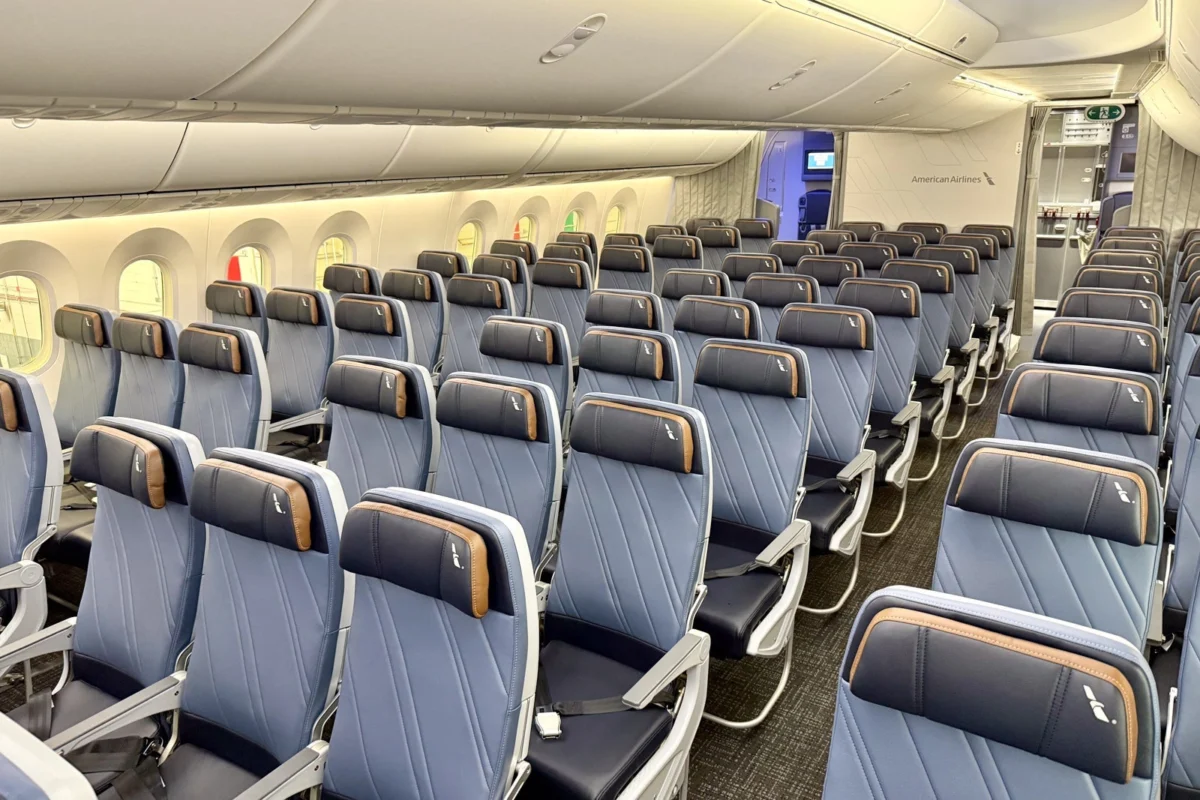
American Airlines has officially confirmed a significant upgrade to its international long-haul fleet, announcing plans to install its state-of-the-art Flagship Suite business-class product on its Boeing 787-8 Dreamliner aircraft. This move represents a pivotal shift in the carrier’s premium strategy, aiming to standardize its high-end offerings across its wide-body fleet and better compete in an increasingly aggressive global market for premium travelers. The Fort Worth-based airline, which has been incrementally rolling out this new product on its larger Boeing 787-9 aircraft, is now extending the luxury "suite with a door" experience to its 37 smaller Dreamliner variants, ensuring that the next generation of American’s onboard experience is no longer a "unicorn" find for frequent flyers but a staple of its long-haul network.
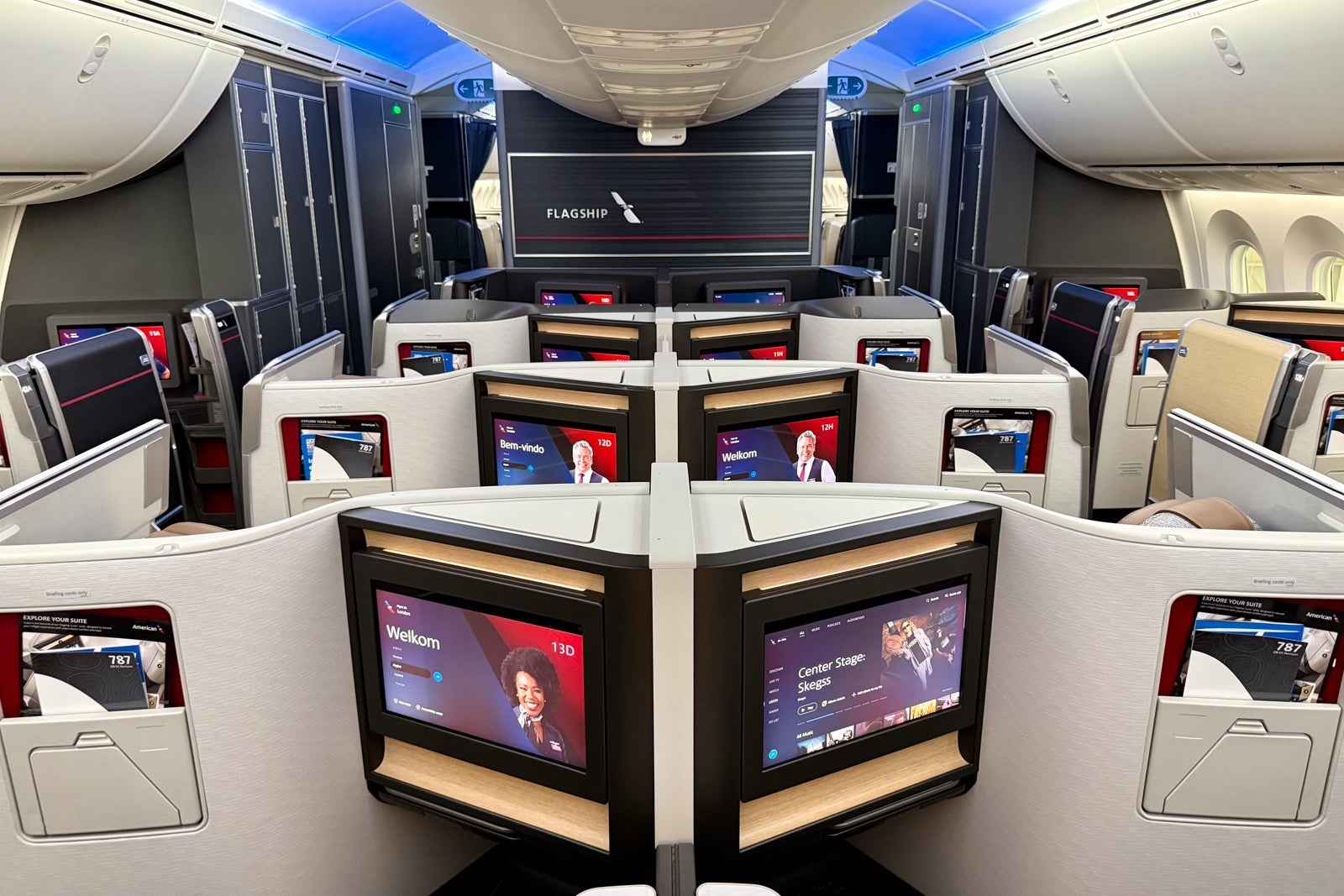
The centerpiece of this fleet-wide transformation is the Flagship Suite, a product that first debuted just over a year ago on newly delivered Boeing 787-9s. Unlike the current business-class configuration on the 787-8, which features a 1-2-1 layout of lie-flat pods with direct aisle access but lacks physical privacy barriers, the new suites will feature sliding privacy doors. This design choice aligns American with global leaders like Qatar Airways and British Airways, as well as domestic rivals Delta and United, all of whom have recognized that privacy is the most sought-after luxury in modern aviation. The suites are built on the Adient Aerospace Ascent platform, a modular seat design that allows for significant customization, including the ability for middle seats to be combined into a "honeymoon" configuration for couples traveling together.
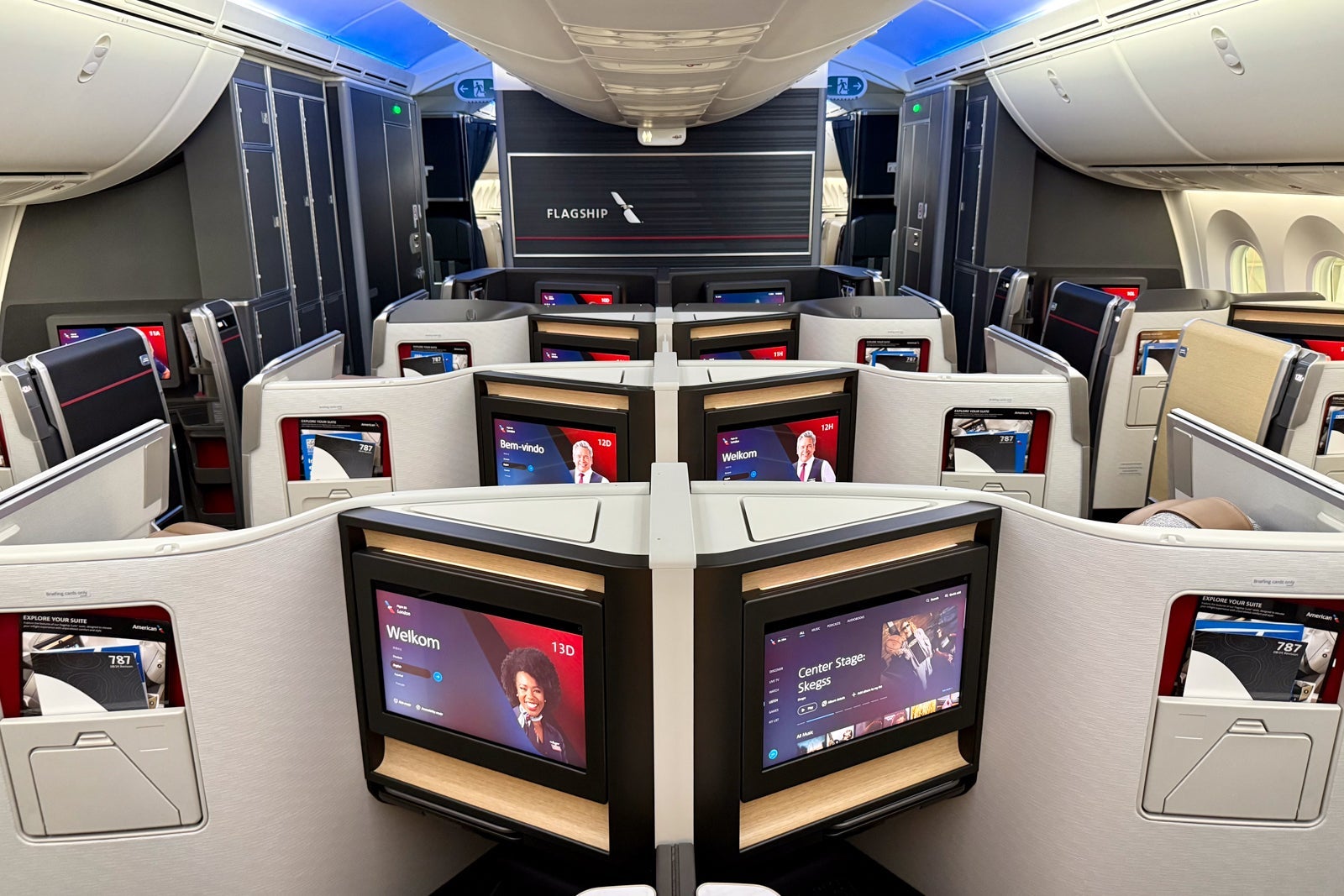
The decision to retrofit the Boeing 787-8 is particularly noteworthy because of the aircraft’s role in American’s network. Often used on "long and thin" routes where demand might not justify a larger 777 or 787-9, the 787-8 is a workhorse for transatlantic and South American missions. By upgrading these cabins, American is ensuring that premium passengers on secondary routes—such as those flying from Dallas/Fort Worth to Madrid or Chicago to Athens—receive the same level of comfort as those on flagship routes like New York to London.
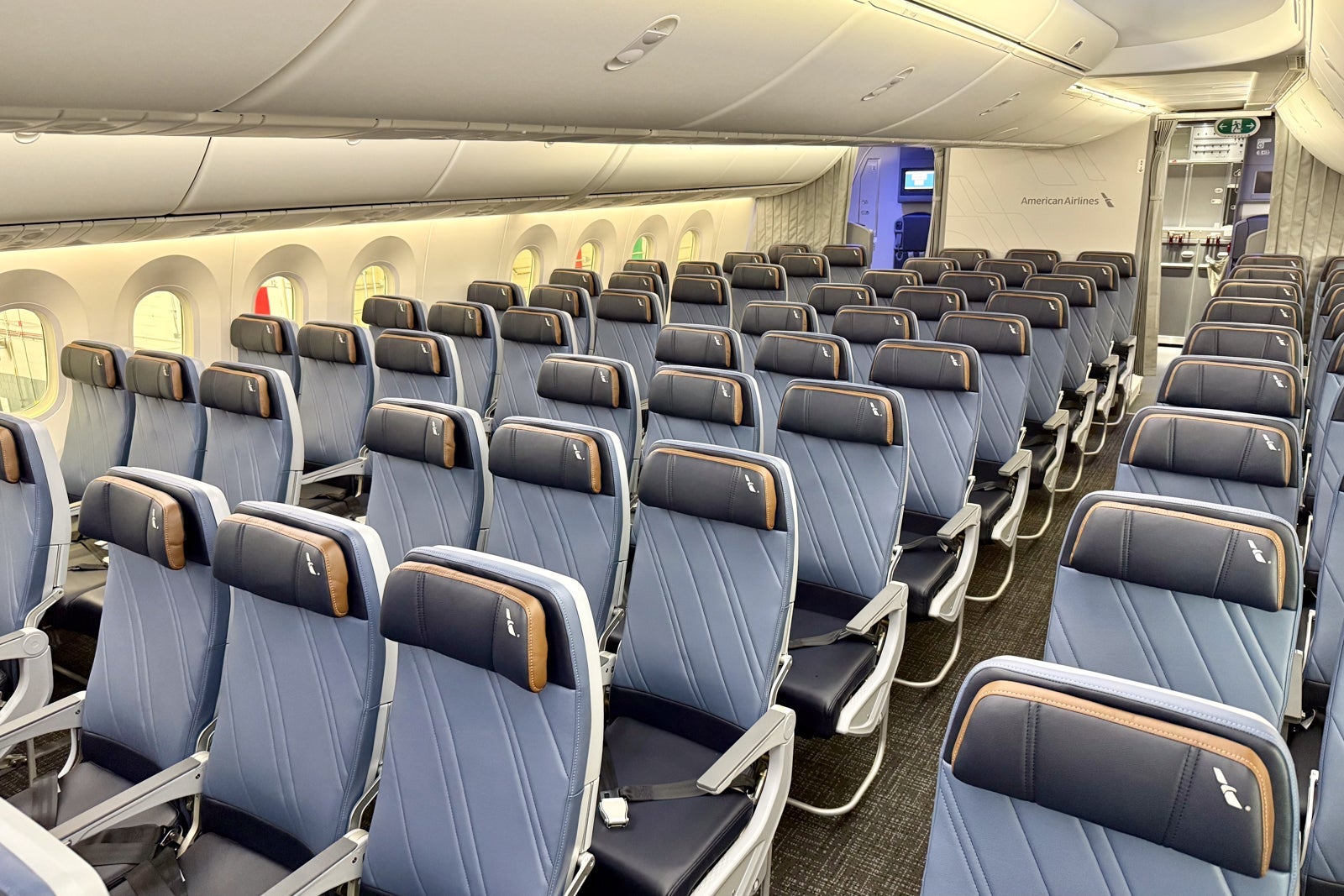
However, the "glow-up" for the 787-8 fleet extends far beyond the business-class cabin. American Airlines is planning a comprehensive interior refresh that will touch every corner of the aircraft. This includes a transition to a sleeker, more modern interior aesthetic characterized by a revised color palette and improved materials. Economy class passengers can expect a more vibrant cabin with brighter blue seat covers and enhanced ergonomics. The airline has also signaled that these retrofits will include upgraded in-flight entertainment (IFE) systems featuring 4K screens, Bluetooth audio connectivity, and an abundance of power options, including USB-C ports and wireless charging pads in the premium cabins.
One of the most anticipated features of the new layout is the introduction of the "Flagship Suite Preferred" seat. In the newest configurations seen on the 787-9, American has utilized the extra space in the front bulkhead rows to create an even more exclusive experience. These "Preferred" seats offer significantly more surface area, additional storage compartments, and a more expansive footwell, essentially creating a "Business Plus" tier. While American has not yet released the specific seat map for the 787-8 retrofits, industry analysts expect the carrier to follow this trend, maximizing the utility of the bulkhead space to offer a premium-within-a-premium experience that can be monetized through higher fares or elite status upgrades.
This fleet modernization comes at a time when the "premium arms race" among U.S. carriers has reached a fever pitch. United Airlines recently made waves with its "United Polaris" expansion, unveiling a massive premium cabin on its own 787 fleet that includes nearly 100 premium seats on some configurations. Meanwhile, Delta Air Lines is preparing to debut a refreshed version of its Delta One suite on the Airbus A350-1000, scheduled to join its fleet next year. For American, the 787-8 retrofit is a necessary defensive and offensive maneuver. Currently, American’s 787-8s feature 20 business-class seats. While the airline has not confirmed the new seat count, it is widely expected that they will increase the density of the premium cabin, sacrificing a few rows of economy or "Main Cabin Extra" to make room for more high-margin business-class and premium economy seating.
The shift toward higher premium density is supported by recent financial data. Since the pandemic, the demand for premium leisure travel has remained resilient, often outpacing the recovery of traditional corporate travel. Travelers are increasingly willing to pay a premium for space, privacy, and better service. By retrofitting the 37 Boeing 787-8s, alongside the planned retrofits of 20 Boeing 777-300ERs and 47 Boeing 777-200ERs, American is betting heavily on this trend. By the time the project is complete, American expects to have increased the number of premium seats across its long-haul fleet by more than 45% compared to 2021 levels.
The transition is not without its challenges. The aviation industry continues to grapple with supply chain bottlenecks that have delayed seat deliveries and aircraft maintenance schedules. Boeing, in particular, has faced a series of production hurdles with the 787 program, which has at times slowed American’s ability to take delivery of new aircraft already equipped with the Flagship Suites. By focusing on retrofitting existing airframes like the 787-8, American can take greater control over its product consistency, though the timeline for these upgrades remains fluid. An airline spokesperson noted that while they are eager to provide the elevated experience, the specific schedule for the 787-8 retrofits will be shared at a later date.
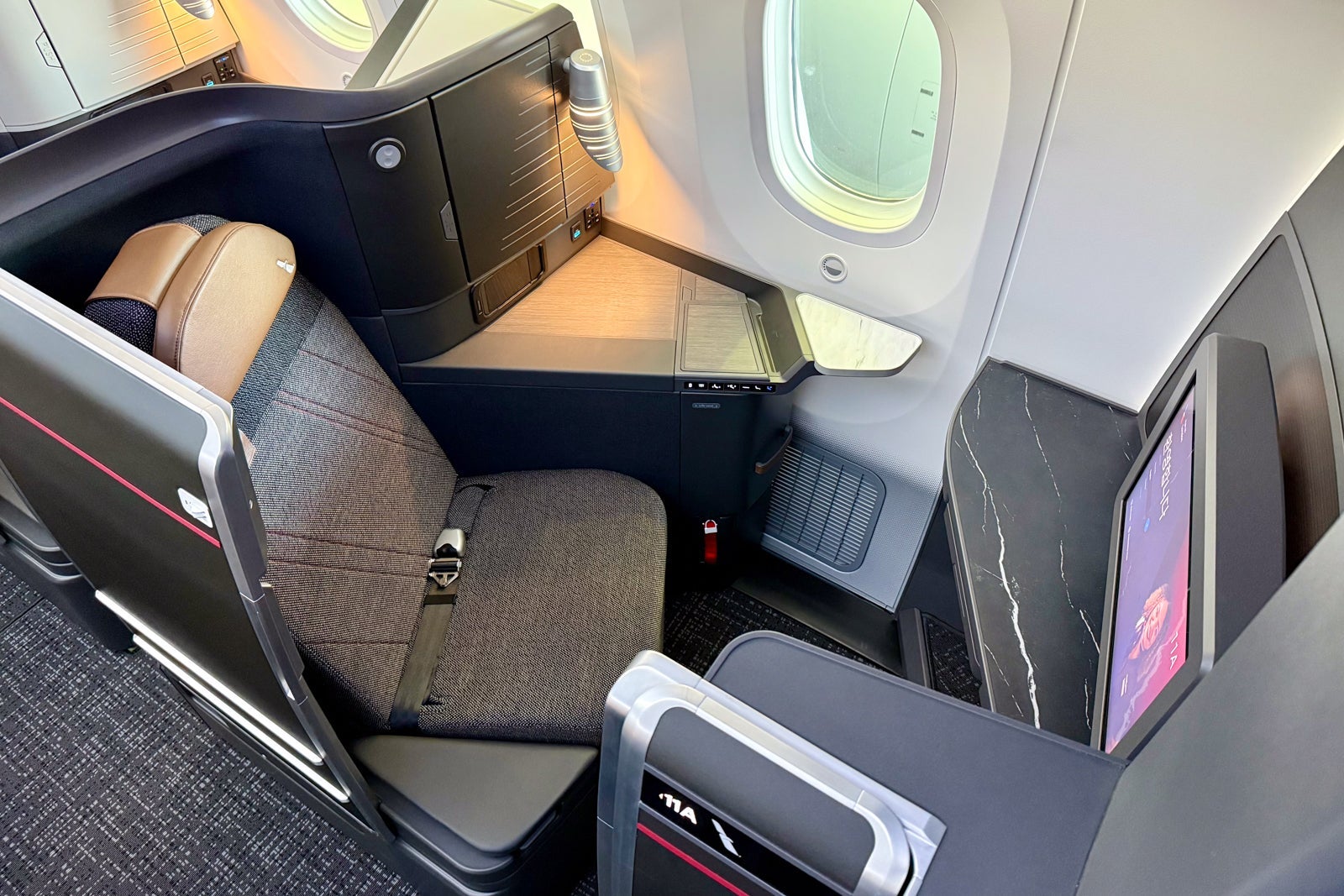
From a technical perspective, the Boeing 787-8 remains an ideal platform for these upgrades. The "Dreamliner" is celebrated for its passenger-friendly features, including larger windows with electronic dimming, lower cabin altitude settings, and higher humidity levels, all of which reduce jet lag and fatigue. Combining these physiological benefits with a world-class hard product like the Flagship Suite creates a formidable offering. Furthermore, the 787-8’s fuel efficiency—driven by its composite-material construction and GEnx or Trent 1000 engines—ensures that even with the added weight of suite doors and advanced electronics, the aircraft remains economically viable in an era of high fuel costs and sustainability mandates.
For the AAdvantage loyalty member, this news is a double-edged sword. On one hand, the increased number of premium seats across the fleet theoretically makes it easier to find award availability or clear a systemwide upgrade (SWU). On the other hand, the high demand for these suites and the "Preferred" bulkhead seats may lead to higher dynamic pricing for miles and more competition for upgrades. Furthermore, as American moves toward this unified "Flagship Suite" branding, it is also phasing out its traditional "Flagship First" product on the 777-300ER. The new strategy is to offer a top-tier business class that rivals the first-class products of yesteryear, simplifying the service model while elevating the baseline for luxury.
As American Airlines embarks on this ambitious fleet overhaul, the aviation world will be watching closely to see how the 787-8’s interior is reconfigured. The move signals a clear message: American is no longer content with a "middle of the road" long-haul product. By investing in the 787-8, the carrier is doubling down on its commitment to providing a consistent, high-privacy, and technology-forward experience across its entire wide-body network. Whether flying from a major hub or a secondary international gateway, the goal is for the passenger to know exactly what to expect—a Flagship experience that starts with a closed door and ends with a rested arrival.
In the broader context of American’s corporate strategy, these upgrades are part of a multi-billion dollar investment in the customer journey, which also includes the opening of new Flagship Lounges and the reimagining of the Admirals Club aesthetic. By synchronizing the ground experience with the onboard product, American is attempting to build a seamless luxury ecosystem. As the first 787-8s enter the hangar for their transformation, the airline moves one step closer to a future where the sliding door is not just an occasional perk, but the standard for American excellence in the skies.
