
 By Lina Irawan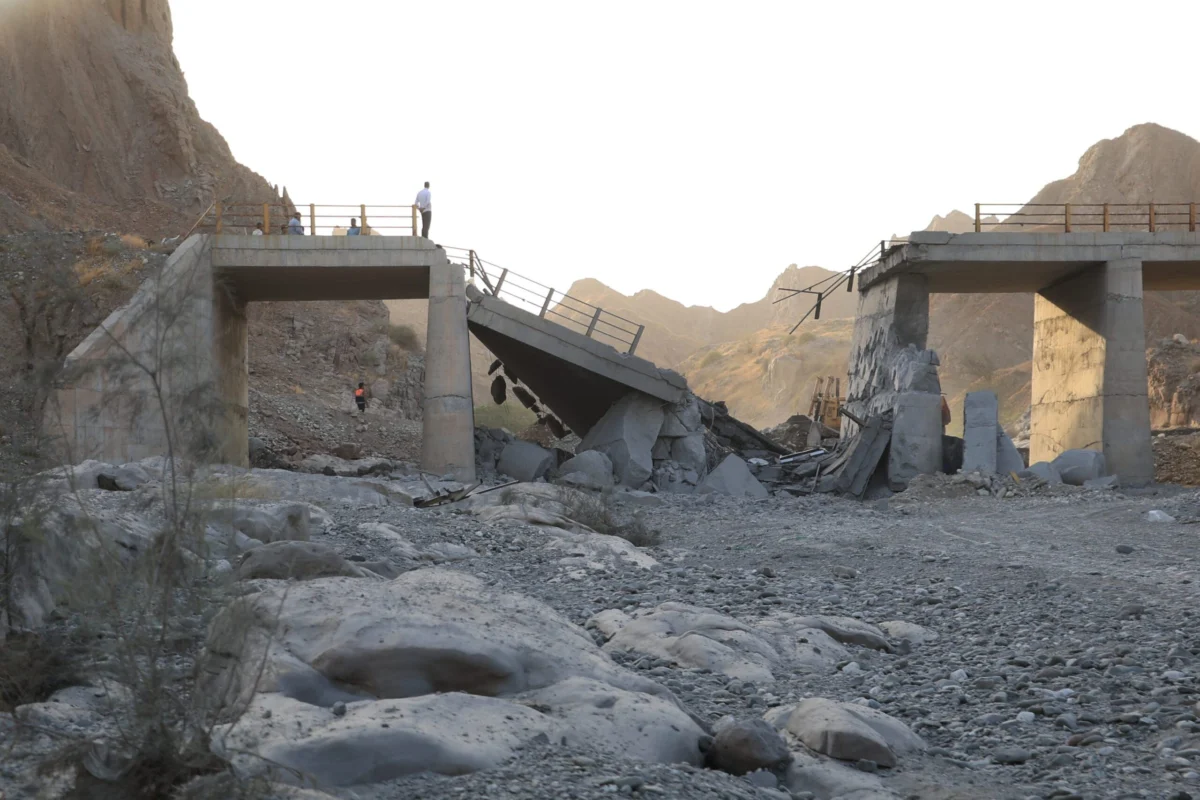
U.S. Central Command (CENTCOM), responsible for American military operations in the Middle East, confirmed the ongoing offensive via social media, stating unequivocally that the latest strikes "are designed to further degrade Iranian military capabilities used to attack commercial shipping" in the Strait of Hormuz. This vital maritime choke point, through which approximately one-fifth of the world’s oil supply typically transits, has seen shipping largely stall amidst the escalating hostilities, threatening global energy security and economic stability. The concerted U.S. effort aims to reassert freedom of navigation and dismantle Iran’s capacity to disrupt international trade.
Even as the United States and Iran appear to inch closer to an all-out war, with both sides intensifying military actions and rhetoric, faint glimmers of hope emerged on the diplomatic front. In a potentially crucial development, Iran’s interior minister traveled to Pakistan, a nation recognized as a key mediator in the intricate regional conflict, for a series of high-stakes talks. This diplomatic overture, however fragile, offers a stark contrast to the rapidly deteriorating military situation.
The current conflagration represents the dramatic unraveling of an "interim deal" signed just last month, which had been optimistically intended to de-escalate the fighting and pave the way for a more comprehensive peace. That agreement, designed to resolve outstanding issues within 60 days, quickly crumbled under renewed attacks from both sides. Beyond the Strait of Hormuz, the conflict’s reach has expanded, with both U.S. and Iranian forces increasingly targeting civilian infrastructure, impacting millions of lives and raising concerns about potential war crimes and the humanitarian consequences of the protracted struggle.
A new and alarming potential threat to world energy markets materialized on Monday. Iran-backed Houthi rebels in Yemen declared their intention to prevent Saudi Arabia from shipping oil through the Red Sea, an alternate route that has become crucial for Riyadh’s crude exports since the Strait of Hormuz became largely impassable. This declaration by the Houthis, who previously demonstrated their capacity to disrupt Red Sea shipping during the Israel-Hamas conflict by attacking over 100 vessels, could further constrict global oil supplies and exacerbate the ongoing energy crisis.
The intensified conflict and the mounting threats to maritime trade routes have predictably pushed oil prices significantly higher in recent weeks. Benchmark Brent crude, a global indicator, traded Monday above $88 a barrel, a level that analysts suggest could trigger further inflationary pressures worldwide. Domestically in the U.S., regular gasoline prices climbed to an average of $4 a gallon, placing increasing pressure on American consumers’ wallets just ahead of midterm elections scheduled for this fall. The economic repercussions are becoming a tangible political liability for the incumbent administration.
The latest U.S. military actions are directly linked to recent American casualties. The U.S. military officially identified two soldiers who were tragically killed in Jordan in recent attacks attributed to Iranian-backed militias, with a third service member reported missing. Separately, the military confirmed another death in Iraq on Saturday during the "controlled detonation" of a downed Iranian drone, underscoring the pervasive and diverse threats faced by U.S. personnel in the region. President Donald Trump, known for his direct and often confrontational approach, took to social media on Monday to issue a stark warning to Tehran: "Every time Iran kills an American Soldier they will pay for that killing many times over!" This declaration signals a firm commitment to a punitive response for any further American losses. In a somber reflection of the human cost of the conflict, President Trump was scheduled to attend a ceremony on Tuesday evening at Dover Air Force Base, where at least one service member’s remains were due to arrive, offering a poignant reminder of the sacrifices being made.
US Targets Strategic Sites in Iran
Sunday’s airstrikes, as detailed by U.S. Central Command, systematically targeted a broad array of critical Iranian military infrastructure. The list of objectives included "Iranian military command centers, air defense and coastal surveillance sites, maritime capabilities, missile and drone launch sites and communications networks." This comprehensive targeting strategy indicates a deliberate effort to dismantle Iran’s capacity for both offensive operations and the disruption of maritime trade. Last week, preceding this latest wave, U.S. forces had already struck bridges and a tower at an Iranian port, demonstrating a focus on crippling logistical and strategic assets.
Iran’s state-run IRNA news agency, while often viewed through the lens of state propaganda, reported that the American strikes had resulted in at least one fatality around Tabriz, a significant northwestern city located approximately 520 kilometers (325 miles) from the capital, Tehran. Tabriz is widely believed to house crucial underground missile bases operated by Iran’s paramilitary Revolutionary Guard Corps (IRGC), a powerful and influential arm of the Iranian military responsible for projecting its influence across the region. The targeting of Tabriz suggests an intent to degrade Iran’s ballistic missile capabilities. IRNA further reported that U.S. strikes likely also hit other strategic locations, including Bandar Imam Khomeini in Khuzestan province, Sirik and Jask in Hormozgan province, and Konarak and Chahbahar in Sistan and Baluchistan province. These locations are critical for Iran’s naval operations, port access, and potential missile launch sites along its southern coast.
The escalating maritime conflict was underscored by a report from the British military’s United Kingdom Maritime Trade Operations (UKMTO) center on Monday evening. UKMTO confirmed that a second ship had been attacked just a day earlier in the Strait of Hormuz, this time off the coast of the United Arab Emirates, a close U.S. ally. The previous incident involved another vessel catching fire in the Strait after being hit by a projectile near the coastline of Oman. The crew of that vessel was forced to abandon ship, leaving the vessel adrift and ablaze for hours, according to UKMTO. This specific route around Oman had been actively encouraged by the U.S. military as a safer alternative for commercial shipping to bypass areas under direct Iranian control. However, the IRGC later brazenly claimed responsibility for targeting tankers in the Strait, openly challenging international maritime law and freedom of navigation.
Tehran, for its part, has not confined its retaliatory actions solely to the Strait or direct engagements with U.S. forces. It has also launched attacks against U.S.-allied countries throughout the wider Middle East, demonstrating a willingness to broaden the conflict geographically. Kuwait reported that its air defenses successfully intercepted an incoming barrage, preventing damage. Jordan’s armed forces stated on Monday evening that they had shot down three Iranian missiles, confirming no material damage or casualties, a testament to the effectiveness of their air defense systems. There was no immediate official word or claim of responsibility from Iran regarding these specific attacks, although the modus operandi strongly suggested Iranian involvement. Bahrain’s Foreign Ministry condemned Iranian drone strikes targeting the country’s air traffic systems, expressing grave concerns that such actions endanger civilian air travel and disrupt essential regional connectivity.
The Strait of Hormuz Remains Key to the Conflict
The Strait of Hormuz, a narrow waterway connecting the Persian Gulf to the Arabian Sea, remains undeniably central to the ongoing conflict. Its strategic importance as a global energy artery cannot be overstated, and its closure or significant disruption carries immense implications for the world economy. The recent escalation has, as predicted, led to substantial delays and increased risks for commercial shipping, with many vessels opting for longer, more expensive routes or suspending operations altogether.
A new and highly concerning pressure point for world energy markets emerged with Yemen’s Houthi rebels’ announcement on Monday of a maritime embargo against Saudi Arabia. The Houthis, who receive significant backing and arms from Iran, declared their intention to block shipping between the Red Sea and the Gulf of Aden. This aggressive move was presented as a direct response to an attack on Sanaa International Airport last week, which they blamed squarely on Saudi Arabia. With the Strait of Hormuz heavily contested and largely blocked, Saudi Arabia has been critically relying on a pipeline to the Red Sea to transport millions of barrels of oil to international markets. The Houthis have a proven track record of disrupting shipping in this area, having targeted over 100 vessels for months during the Israel-Hamas war in Gaza, demonstrating a clear capability to execute such threats. There was no immediate response from Saudi Arabia to this latest Houthi declaration.
The U.S. administration, under President Trump, has explicitly threatened to target Iran’s power stations and bridges in an effort to compel Tehran to relinquish its grip on the Strait of Hormuz. The recent patterns of U.S. strikes, focusing on military command centers, infrastructure, and maritime capabilities, suggest that the U.S. military is actively implementing this strategic plan to dismantle Iran’s ability to project power and disrupt shipping. In the past week, the U.S. has also reimposed a naval blockade on Iranian ports, aiming to halt its shipments of crude oil. The military reports considerable success in this effort, claiming to have redirected seven ships and disabled one since the blockade’s re-establishment.
A Glimmer of Hope for Diplomacy
Despite the grim military reality, Pakistan has intensified its diplomatic efforts in recent days, striving to resuscitate the "interim ceasefire" reached last month. This truce, which aimed to resolve remaining issues tied to the conflict within 60 days, offered a brief period of reduced hostilities before both sides resumed attacks on each other’s military installations and other critical infrastructure. Pakistan, with its long-standing ties to both the U.S. and various Middle Eastern nations, including Iran, sees itself as uniquely positioned to mediate.
Iranian Interior Minister Eskandar Momeni’s arrival in Islamabad on Monday for two days of talks with Prime Minister Shehbaz Sharif and other senior officials is a tangible sign of these diplomatic endeavors. Momeni’s Pakistani counterpart, Interior Minister Mohsin Naqvi, expressed cautious optimism regarding the prospects for these discussions, stating, "God willing, we will have good news." This sentiment, however guarded, suggests that channels for communication, however tenuous, remain open between the warring factions through third-party intermediaries.
On Sunday, U.S. Secretary of State Marco Rubio reiterated the U.S. position, telling reporters that Washington remains open to negotiating with Iran, but emphasized that any such diplomatic engagement "has to be real." Rubio elaborated on the conditions for a successful diplomatic path: "If the door opens to diplomacy — if the guys that want to do something productive for Iran win and take control of that system, or take control of the negotiations — that’ll be a very positive development." However, he quickly tempered this hope with a dose of realism, adding, "That’s not where we are tonight, unfortunately." His remarks underscore the U.S. skepticism about the current Iranian leadership’s genuine willingness to de-escalate and engage constructively.
The human toll of the conflict continues to mount on both sides. Iranian authorities reported on Sunday that at least 50 people have been killed and 517 wounded in the latest rounds of U.S. strikes, highlighting the devastating impact on the Iranian populace. For the United States, the loss of life has been significant, with 17 U.S. service members killed since the war officially began on February 28, a stark reminder of the sacrifices and dangers faced by American personnel deployed in the volatile region. The confluence of escalating military action, severe economic repercussions, and the desperate, yet fragile, attempts at diplomacy paints a grim picture of a region teetering on the brink of a broader, more devastating conflict.
