
 By Titik Puspa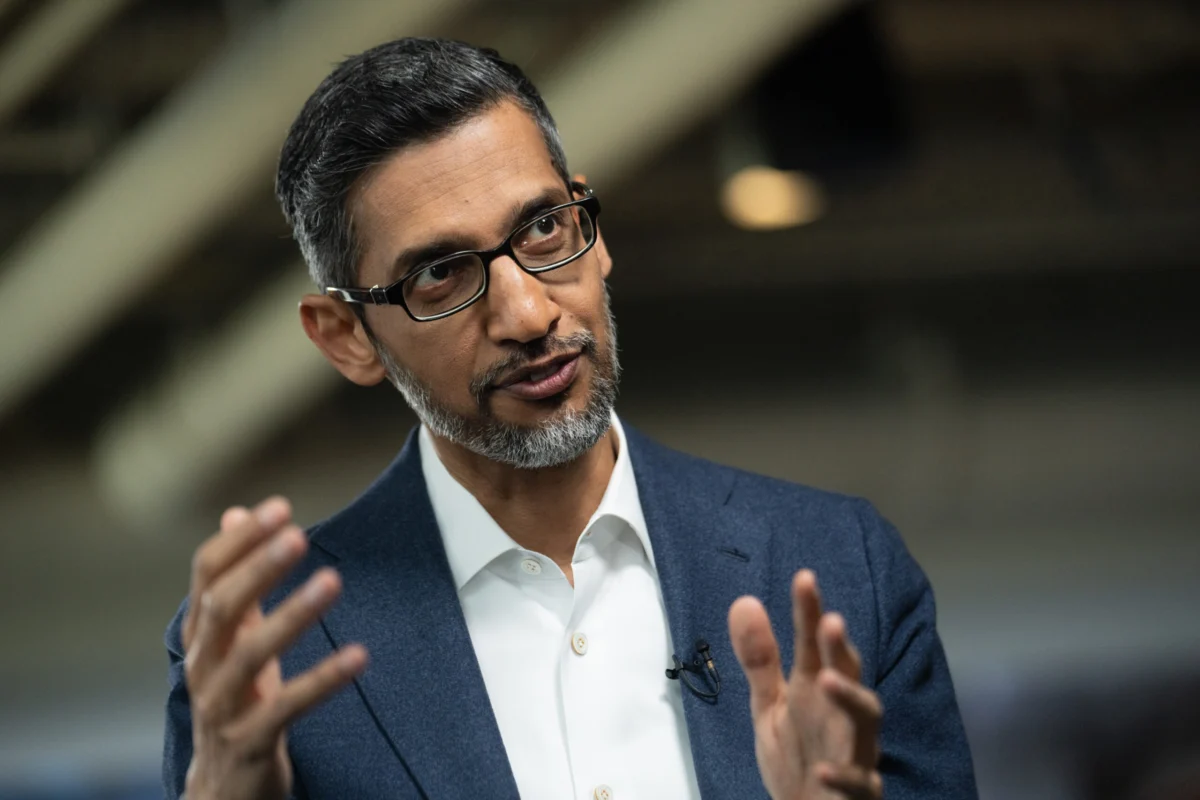
Alphabet, the parent company of Google, has long been under the intense scrutiny of its investors, many of whom harbored significant anxieties about the colossal sums the tech giant was pouring into artificial intelligence development. The prevailing sentiment among a vocal segment of shareholders was that these massive AI investments might not yield a proportional return, raising fears of an impending "AI bubble" and potential tech sell-offs. However, the company’s latest quarterly earnings report has provided a substantial dose of reassurance, signaling that the tide may be turning and that the substantial capital expenditure on AI is beginning to bear significant fruit.
The most compelling takeaway from Alphabet’s recent financial disclosures is the explosive growth of its cloud business, Google Cloud. This surge is overwhelmingly attributed to the widespread adoption of enterprise-grade AI solutions and the underlying infrastructure required to support them. In the most recent quarter, Google Cloud revenue experienced a remarkable year-over-year increase of 82%, reaching an impressive $24.8 billion. This performance significantly outpaced the already robust growth seen in the previous quarter, which recorded a 63% year-over-year revenue jump to $20 billion. Furthermore, Alphabet’s cloud performance handily surpassed the expectations of Wall Street analysts, who had projected a more modest growth to $22.46 billion. This substantial beat indicates a stronger-than-anticipated demand for Google’s cloud services, particularly among businesses looking to leverage the power of AI.
The driving force behind this cloud business boom is undeniably the increasing integration of AI technologies within enterprises. Companies are actively seeking out and investing in AI solutions to enhance their operations, from automating complex tasks and personalizing customer experiences to deriving deeper insights from vast datasets. Google Cloud, with its comprehensive suite of AI tools, machine learning platforms, and robust infrastructure, has positioned itself as a leading provider in this rapidly expanding market. The company’s own commentary on the earnings call emphasized that these gains were "driven largely by enterprise AI solutions and enterprise AI infrastructure adoption." This strategic focus on AI has clearly resonated with the market, translating into tangible revenue growth.
Adding to the positive outlook is the significant expansion of Google Cloud’s backlog of contracted work, which represents revenue that has been committed by clients but not yet recognized. This backlog has surged to an astounding $514 billion. This colossal figure is a powerful indicator of future revenue streams and underscores the long-term commitment businesses are making to Google Cloud’s AI capabilities. It suggests that the demand for these services is not a fleeting trend but a sustained and growing commitment, providing Alphabet with a strong foundation for continued growth in the coming years.
Beyond the impressive performance of Google Cloud, Alphabet’s overall financial health paints a similarly encouraging picture. The company reported a staggering profit of $112.1 billion, a dramatic leap from the $28.1 billion in profit recorded during the same period last year. This substantial increase in profitability is a testament to the company’s ability to effectively monetize its diverse range of products and services. Alphabet’s overall revenue also demonstrated healthy growth, climbing 24% year-over-year in the past quarter to reach $119.8 billion. Within this overall growth, Google Services, which includes its core search, advertising, and other consumer-facing products, saw its revenue jump by 15% to $94.5 billion, further solidifying its position as a dominant force in the digital landscape.
Sundar Pichai, CEO of Google and Alphabet, articulated the company’s optimistic outlook during the recent earnings call, stating, "Our AI investments are redefining what’s possible across every part of our business. We have exciting momentum across the board." This sentiment reflects a company that is not only investing heavily in AI but is also witnessing the tangible benefits of these investments materialize across its entire portfolio. The CEO’s assertion of "exciting momentum" is supported by the robust financial results and the increasing adoption of Google’s AI technologies by both enterprises and consumers.
The consumer adoption of Google’s AI chatbot, Gemini, further underscores this momentum. The company revealed that Gemini now boasts an impressive 950 million monthly active users. This represents a significant increase from the 750 million monthly active users reported in the fourth quarter of 2025, demonstrating a rapid and widespread embrace of Google’s advanced AI capabilities by individuals. The growing user base for Gemini not only indicates the product’s appeal but also provides Google with valuable data and feedback loops that can be used to further refine and enhance its AI offerings. This consumer engagement is crucial for building a loyal user base and fostering a rich ecosystem around Google’s AI initiatives.
It’s important to contextualize Alphabet’s revenue growth within its historical performance. This latest quarter marks the company’s 12th consecutive quarter of double-digit revenue growth, a remarkable feat in the highly competitive tech industry. However, even by this exceptionally high standard, the recent period stands out as a particularly bountiful one for the tech giant. This sustained growth trajectory suggests that Alphabet has successfully navigated various market challenges and continues to find new avenues for expansion and profitability.
Despite the positive financial results and the clear signs of AI-driven growth, Alphabet’s substantial capital expenditures remain a focal point for investors and analysts. The company’s investment in infrastructure – including the construction of data centers, the acquisition of cutting-edge chips, and the expansion of its global network – is projected to be between $180 billion and $190 billion for the current year. This hefty spending, while crucial for fueling AI advancements, naturally prompts questions about the timeline and magnitude of the returns on these investments. During the earnings call, several analysts pressed Pichai for clarity on when and how these investments would translate into further profitability.
Pichai addressed these concerns with a forward-looking perspective, specifically highlighting the company’s compute capacity investments planned for 2027. He stated, "I think our compute capacity investments in ’27. We are seeing strong demand indicators, including long-term deals." His confidence was further bolstered by the observation that, "I think, if anything, the dynamics look healthier than where we were about a year ago, so that’s what gives us the confidence to undertake those investments." This statement suggests that Alphabet’s strategic planning for future AI infrastructure is based on a thorough analysis of current market trends and projected demand, providing a solid rationale for its continued aggressive investment strategy. The company appears to be confident that the substantial upfront costs will ultimately lead to significant long-term gains.
The robust performance of Google Cloud, fueled by the escalating demand for enterprise AI solutions, offers a compelling counter-argument to the concerns about Alphabet’s AI spending. The substantial increase in cloud revenue, the impressive backlog of future work, and the growing adoption of consumer AI products like Gemini all point towards a successful realization of the company’s AI strategy. While the capital expenditures remain high, the recent earnings report provides strong evidence that these investments are not only justified but are actively driving significant growth and profitability. As Alphabet continues to push the boundaries of AI innovation, its investors can likely find renewed confidence in the company’s ability to translate cutting-edge technology into sustained financial success. The company’s consistent double-digit revenue growth, coupled with its strategic foresight in AI infrastructure development, positions it favorably to capitalize on the transformative potential of artificial intelligence in the years to come. The narrative around Alphabet’s AI investments is shifting from one of concern to one of burgeoning success, driven by tangible market adoption and strong financial performance.
