
 By Titik Puspa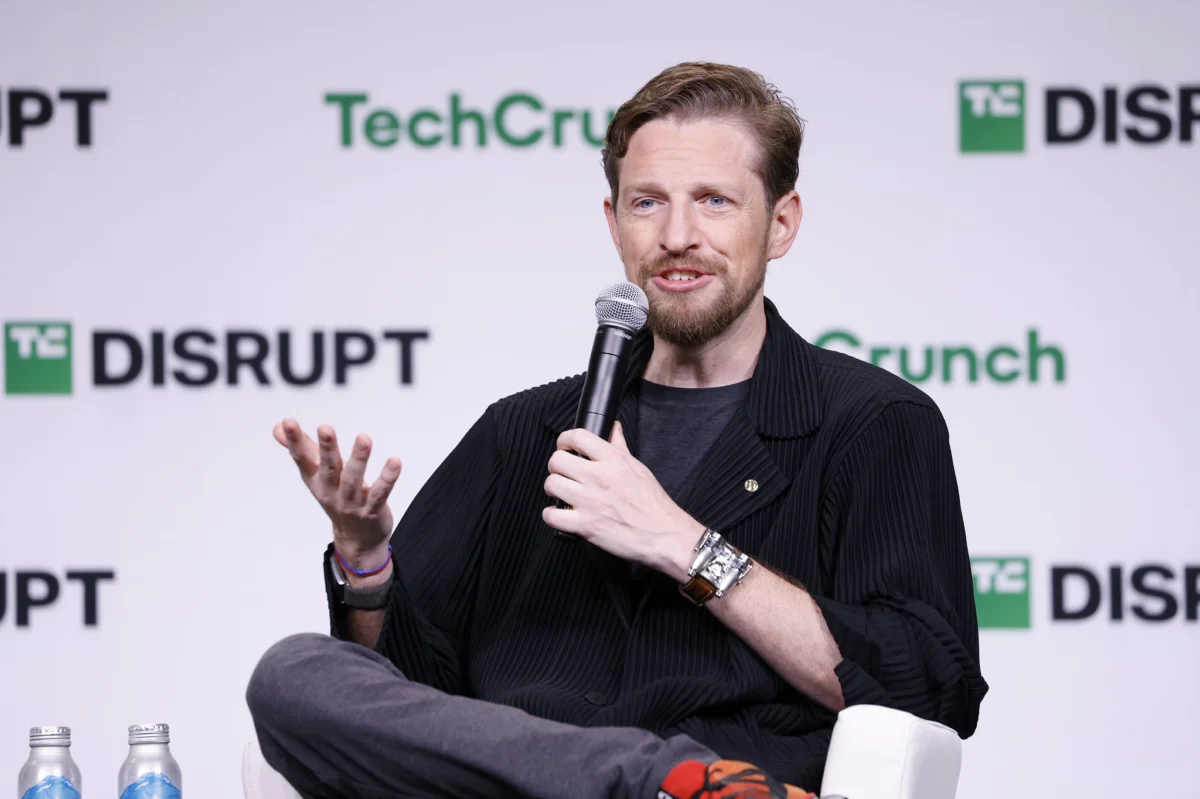
In a dramatic turn of events that has sent shockwaves through the tech industry, Matt Mullenweg, the visionary founder and CEO of Automattic, the parent company behind the ubiquitous WordPress.com, has been placed on a paid leave of absence by the company’s board of directors, a move he claims was made against his will. The startling revelation emerged from a candid Slack message penned by Mullenweg himself, a copy of which was obtained by TechCrunch.
The internal communication, disseminated to all Automattic employees, detailed a clandestine operation orchestrated by Chief Financial Officer Mark Davies and board members Ann Dunwoody, Toni Schneider, and Sue Decker. Mullenweg alleges that this group "conspired" behind his back to vote him out of his operational leadership role. "And the biggest news: I won’t be able to make the [meeting] tomorrow. @Mark Davies has conspired with @Ann Dunwoody, @Toni, and @Sue Decker behind my back and they voted to put me on a paid leave of absence. I voted against that. Wishing Mark and all of you the very best," Mullenweg wrote, his words echoing a deep sense of betrayal and disbelief.
Adding further detail to the swift and unexpected ousting, Mullenweg clarified in his message that Mark Davies had been appointed interim CEO. He recounted receiving the resolution document a mere 50 minutes before the board meeting commenced, and that his repeated requests for even a few hours to consult with independent legal counsel were summarily denied. This lack of due process, he implied, underscores the board’s determined effort to remove him from his day-to-day command.
The ripple effect of this internal upheaval was felt beyond Automattic’s corporate walls. Mary Hubbard, the executive director of the open-source WordPress.org project, also confirmed Mullenweg’s altered status at the commercial entity in a separate Slack message to the community. Crucially, Hubbard sought to reassure the vast open-source community that this development would not impact the core WordPress project. "Matt remains the leader of the WordPress project and I remain Executive Director of WordPress. Our teams, priorities, and work continue as planned," she stated, drawing a clear distinction between the company’s leadership and the project’s enduring governance.
Despite Mullenweg’s direct accusations of conspiracy, the precise reasons behind the board’s drastic action remain shrouded in ambiguity. While Mullenweg’s message did not explicitly cite any specific grievances, sources speaking to 404 Media, the publication that first broke the news, indicated that Toni Schneider, a former CEO of Automattic from 2006 to 2014, confirmed the board’s initiative. Schneider’s confirmation lends credence to the board’s collective decision-making process, though it does little to illuminate the underlying motivations. For his part, Davies also communicated to employees that Mullenweg would retain his seat on the board of directors, a gesture that, while potentially intended to soften the blow, does little to assuage the sting of his removal from operational control.
Automattic, in an official emailed statement to TechCrunch, confirmed the leadership change. "Matt Mullenweg is currently on leave from Automattic," the statement read. "Mark Davies, Automattic’s CFO, will lead the company as interim CEO. The Board has full confidence in Mark’s leadership and in the team’s ability to execute against the company’s priorities." This terse confirmation, while official, offers no insight into the internal deliberations or the specific catalysts that precipitated this seismic shift.
Automattic, a sprawling digital empire founded by Mullenweg in 2003, is far more than just the parent company of WordPress.com. Its portfolio boasts a diverse range of prominent digital brands, including the microblogging platform Tumblr, the e-commerce powerhouse WooCommerce, and the popular podcast app Pocket Casts. The company’s genesis is intrinsically linked to the co-creation of the world’s most dominant open-source content management system, WordPress, a platform that has democratized web publishing for millions globally.
However, the past few years have seen Automattic and its charismatic, often polarizing, founder entangled in a series of high-profile lawsuits and persistent controversies. A particularly protracted legal battle has been waged against WP Engine, a significant competitor in the WordPress web hosting arena. This dispute ignited when Mullenweg publicly accused WP Engine of unfairly profiting from the open-source WordPress project without making commensurate contributions back to the community. He escalated his demands by asserting WP Engine should pay an 8% royalty on its monthly gross revenue for utilizing the WordPress brand.
The conflict escalated dramatically in October 2024 when WP Engine filed a lawsuit, accusing Automattic and Mullenweg of defamation and abuse of power. Automattic subsequently filed counterclaims last year, alleging trademark misuse. The legal wrangling intensified in February when WP Engine revealed court filings suggesting Automattic harbored intentions to target an additional ten competitors with similar royalty demands, painting a picture of a company aggressively seeking to monetize the WordPress ecosystem.
The high-stakes legal battles and Mullenweg’s often confrontational leadership style have undeniably cast a long shadow over Automattic. In a stark demonstration of his uncompromising stance, Mullenweg famously instructed employees in 2024 to resign with severance if they disagreed with his leadership or company direction. This directive resulted in 159 employees departing the company, a significant exodus that underscored the intense internal pressures and the founder’s unwavering, and at times autocratic, vision.
Further illustrating the volatile nature of Mullenweg’s leadership within the open-source community, last year he threatened to deactivate the accounts of several prominent members of the WordPress.org community. This drastic measure was reportedly a response to their expressed intention to spearhead a new "forked" version of the open-source WordPress project, a move that could potentially dilute the influence of the original project and Automattic’s stake in it.
The internal turbulence at Automattic has not been confined to legal disputes and leadership confrontations. In April 2025, the company implemented a significant layoff, impacting 16% of its workforce. This round of cuts, according to sources speaking to TechCrunch, included some long-tenured employees who had dedicated over a decade to the company, adding a layer of human cost to the ongoing organizational challenges.
The news of Mullenweg’s leave of absence has elicited a complex range of reactions from current and former Automattic employees. Some alumni have reportedly been reaching out to current staff to gauge their feelings, with some employees expressing sentiments of exhilaration and relief. However, others have voiced mixed emotions, recognizing that such a significant leadership upheaval inevitably introduces further instability into an already dynamic environment.
The precise timing of the board’s decision remains a subject of speculation. One theory posits that the timing may be linked to Mullenweg’s annual pilgrimage to the Burning Man festival, an event he often returns from "with ideas." This year’s festival concluded on September 7th, suggesting a potential correlation between his post-festival mindset and the board’s subsequent action.
Mullenweg himself has not yet responded to direct requests for comment regarding this developing story. The future trajectory of Automattic, its flagship products, and its complex relationship with the open-source community now hangs in the balance, awaiting further clarity on the motivations and implications of this unprecedented leadership transition.
