
 By Lina Irawan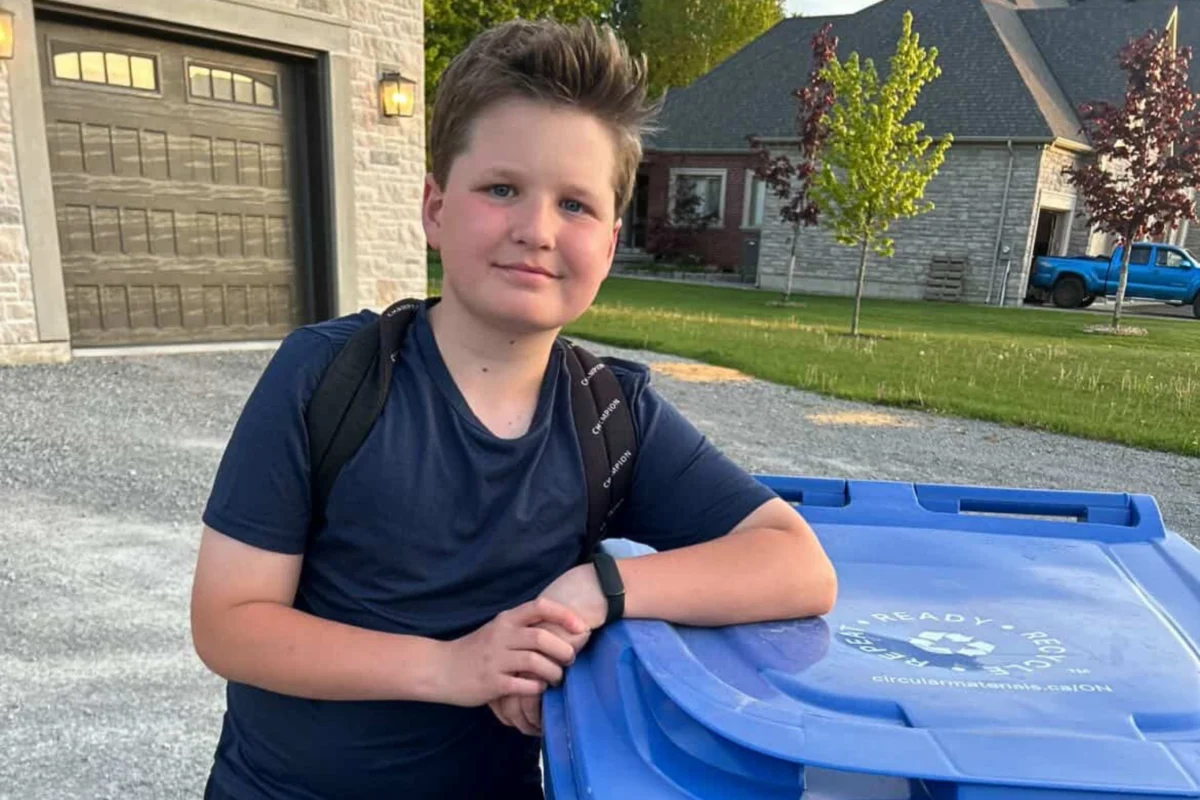
The summer of 2026 casts a long, foreboding shadow over the aspirations of millions of teenagers across North America, presenting an employment landscape described by economists as the most challenging since the immediate post-World War II era. As traditional summer roles – from lifeguarding to retail assistance – dwindle, driven by a confluence of persistent inflation, a soaring cost of living, and the increasing integration of artificial intelligence into the workforce, young people are finding the usual pathways to independence and experience severely constricted. In this bleak environment, where even securing a few shifts at a local ice cream parlor feels like a victory, an 11-year-old Canadian boy has not only carved out his own opportunity but has also ignited a social media phenomenon, inspiring a new generation of micro-entrepreneurs.
The Unprecedented Challenge: A Summer Job Market in Crisis
The statistics paint a stark picture. For teenagers aged 16-19, the national unemployment rate has seen a troubling uptick, while the number of available summer positions has plummeted, reaching lows not observed since 1948. Dr. Eleanor Vance, a labor economist at the University of Toronto, explains the phenomenon: "We’re witnessing a perfect storm. Inflation, while showing signs of cooling, has significantly eroded consumer purchasing power, making households more cautious about discretionary spending. This directly impacts sectors that typically employ a large number of teens, such as hospitality, food service, and entertainment."
Beyond consumer belt-tightening, the specter of technological displacement looms large. Experts like Sarah Jenkins, a youth career development specialist, highlight how advancements in AI and automation are redefining entry-level positions. "Tasks previously handled by new hires – inventory management, customer service inquiries, even some basic food preparation – are increasingly being automated or streamlined by AI. This makes employers hesitant to invest in training temporary, first-time workers when technology offers a more consistent and potentially cost-effective alternative." The retail sector, for instance, has seen a rise in self-checkout kiosks and AI-driven inventory systems, reducing the need for sales associates and stockroom staff. Similarly, the administrative tasks often delegated to summer interns are now frequently managed by sophisticated software.
The soaring cost of living, coupled with stagnant real wages for many families, further exacerbates the issue. "When families are struggling to afford groceries and rent, luxuries like hiring a babysitter become unaffordable," Jenkins notes. "This eliminates another traditional avenue for teen employment, pushing more young people into an already saturated market for fewer jobs." The economic squeeze means that not only are there fewer jobs, but the competition for those that remain is fiercer than ever, with older, more experienced candidates often vying for the same entry-level roles.
Ashton Meyer: Innovating Against the Odds
Amidst this challenging backdrop, 11-year-old Ashton Meyer of East Gwillimbury, Canada, embodies a spirit of proactive entrepreneurship. When his school broke for summer in May, Ashton, like many kids his age, wanted to earn some pocket money. However, instead of fruitlessly searching for non-existent shifts at local establishments, he decided to create his own. His venture: a trash can cleaning service, offered to neighbors for $10 a bin.
The idea, a collaborative effort with his parents, was simple yet ingenious. His father initially suggested taking out neighbors’ trash cans on garbage day. Ashton, however, envisioned a more comprehensive service. "My dad came up with the idea of taking the neighbors’ trash cans out on garbage day and cleaning them," Meyer recounts. "But I had the idea of going door to door to see if he could drum up more business for cleaning garbage bins." His mother, recognizing the unique narrative unfolding, encouraged him to document his door-to-door efforts on social media platforms like Instagram and TikTok. This decision proved pivotal, transforming a local endeavor into a viral sensation.
Armed with a cheerful disposition and a well-rehearsed pitch, Ashton began knocking on doors. "My name is Ashton, and I’m doing a service to clean out all of your bins—that includes your garbage, your green bin, and your recycling," he announces on camera, his youthful enthusiasm infectious even in the face of frequent rejections. His videos capture the raw reality of entrepreneurship: the countless "noes" for every "yes," the skeptical glances, and the occasional breakthrough. Yet, Ashton’s persistence is unwavering. He smiles, hands over his contact information, and assures potential clients, "Take it, and if you need me you can call me. I’ll be here all summer."
From Neighborhood Hustle to Social Media Sensation
Ashton’s authentic, unvarnished approach resonated deeply online. In just two months, his Instagram following surged past 111,000, his videos racking up millions of views. His "Bin Cleaning Business" wasn’t just a local service; it became a symbol of resourcefulness and determination in an era of economic uncertainty. He now boasts 40 regular clients, a testament to both the demand for the service and the effectiveness of his direct marketing strategy.
His success is a case study in leveraging digital platforms for micro-businesses. Dr. Anya Sharma, a digital marketing strategist, observes, "Ashton’s story is powerful because it’s real. In an age of curated content, his raw, unscripted interactions with neighbors, showing both success and rejection, built immediate trust and relatability. It’s an organic form of marketing that larger brands often struggle to replicate." The viral nature of his content amplified his reach far beyond East Gwillimbury, turning him into an accidental ambassador for youth entrepreneurship.
Ashton’s advice to other aspiring young entrepreneurs is grounded in his direct experience: "The first no is the hardest. Keep going." He emphasizes the importance of identifying unmet needs within a community. "Try and find a need that no one is filling and see if you can do it. Ask your neighbors if they need any help—maybe it’s bin cleaning or weeding or watering their plants." Crucially, he advises competitive pricing, especially when starting out: "Offer a good price when you are a kid because you are still learning." This blend of resilience, market insight, and strategic pricing underscores a maturity beyond his years.
Parental Guidance: The Unsung Heroes
While Ashton is the face of his burgeoning enterprise, his parents play a crucial supporting role. Beyond the initial idea and the encouragement to document his journey, they provide the logistical and emotional backbone necessary for an 11-year-old to run a business. This includes transportation, help with supplies, and undoubtedly, guidance through the inevitable challenges. This parental mentorship is vital in fostering not just an entrepreneurial spirit but also crucial life skills like financial literacy, customer service, and problem-solving. It highlights the importance of family support in navigating a challenging economic landscape, transforming obstacles into opportunities for growth.
Building a Seasonal Empire: A Glimpse into the Future
Ashton’s entrepreneurial vision extends beyond the summer. With the leaves beginning to turn brown, he plans to pivot his services seasonally, expanding into leaf raking. As the colder months approach, he envisions offering snowplowing. This adaptability and foresight are hallmarks of successful business owners. "I will definitely keep up washing bins as the weather allows," he affirms. "My plan is to work after school and Saturdays." His long-term aspiration is clear: "I want to be an entrepreneur who owns his own business."
This proactive approach to seasonal demand demonstrates a sophisticated understanding of market dynamics. It’s a pragmatic response to the transient nature of certain services and a strategic move to ensure year-round income streams. This early exposure to business planning, resource allocation, and market adaptation is invaluable, laying a strong foundation for future ventures.
The Deeper Impact: Inspiring a Generation
Ashton’s journey isn’t just about earning pocket money; it’s about redefining the possibilities for young people in a tough economy. He’s already earned a total of $700 (approximately $500 USD), a significant sum for an 11-year-old. His story resonates with the ethos of many successful entrepreneurs who started small and young. Consider Chase Gallagher, who began mowing lawns in Chester County, Pennsylvania, at age 12 in 2013 for $35 a pop. Over a decade later, his landscaping company employs 10 people and generated over $1.5 million in revenue last year. Ashton’s initial earnings, coupled with his massive social media following, provide him with two critical assets that often take years to build: a customer base and an audience.
"I enjoy everything about my job. Going door to door is fun because I get to meet new people," Meyer says, highlighting the intrinsic rewards beyond financial gain. "It might be weird, but I actually enjoy cleaning the garbage bins. It’s satisfying to see them totally clean." This joy in his work, combined with the satisfaction of providing a valuable service, underscores the profound benefits of early entrepreneurship: fostering independence, developing problem-solving skills, and instilling a strong work ethic.
His viral success has also created a ripple effect. "I’m mind blown, it’s been so crazy, and I feel grateful," Meyer shares about his newfound fame. "We have heard from people all around the world. Many parents have shown the video to their kids and it has inspired them to start businesses, which is so cool." This "inspiration factor" is perhaps Ashton’s most significant contribution. In a landscape where traditional jobs are scarce, he has demonstrated that innovation, persistence, and a willingness to embrace unconventional solutions can unlock opportunities. He is not just cleaning bins; he is cleaning the slate for how young people perceive work and wealth creation in the 21st century, proving that even in the toughest job market, the entrepreneurial spirit can thrive.
