
 By admin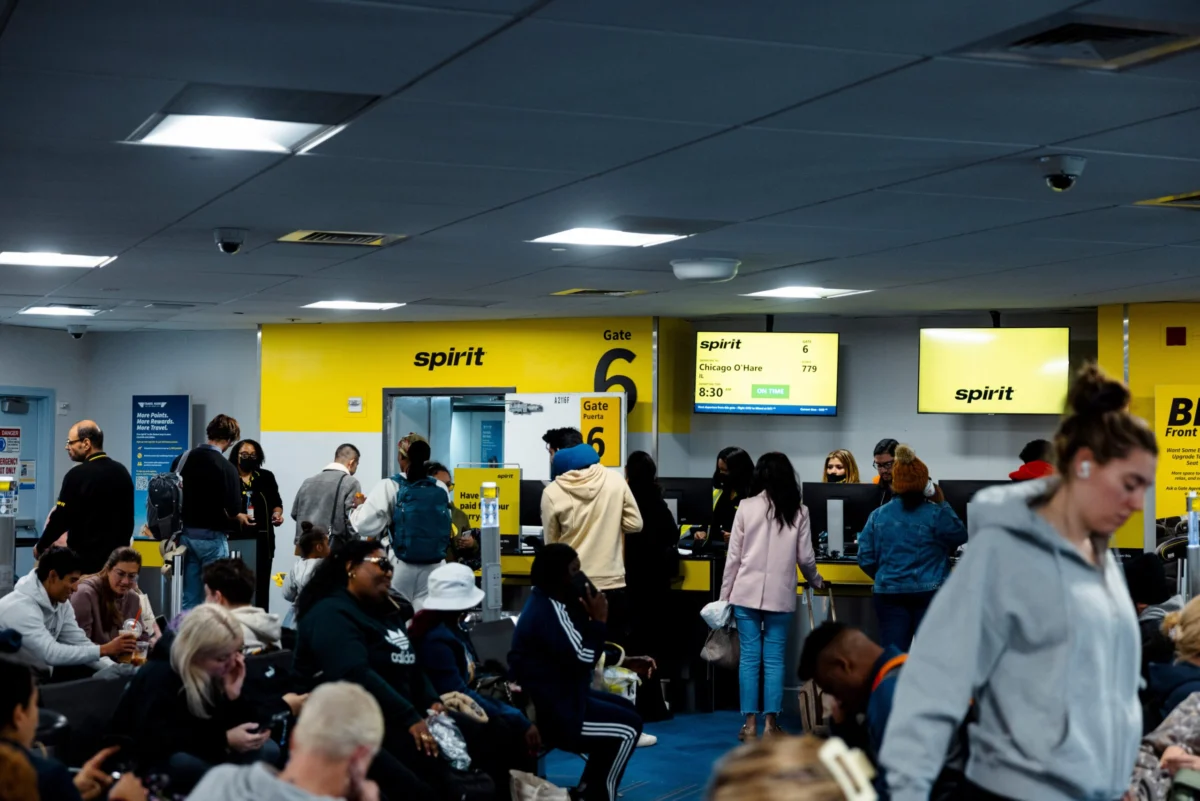
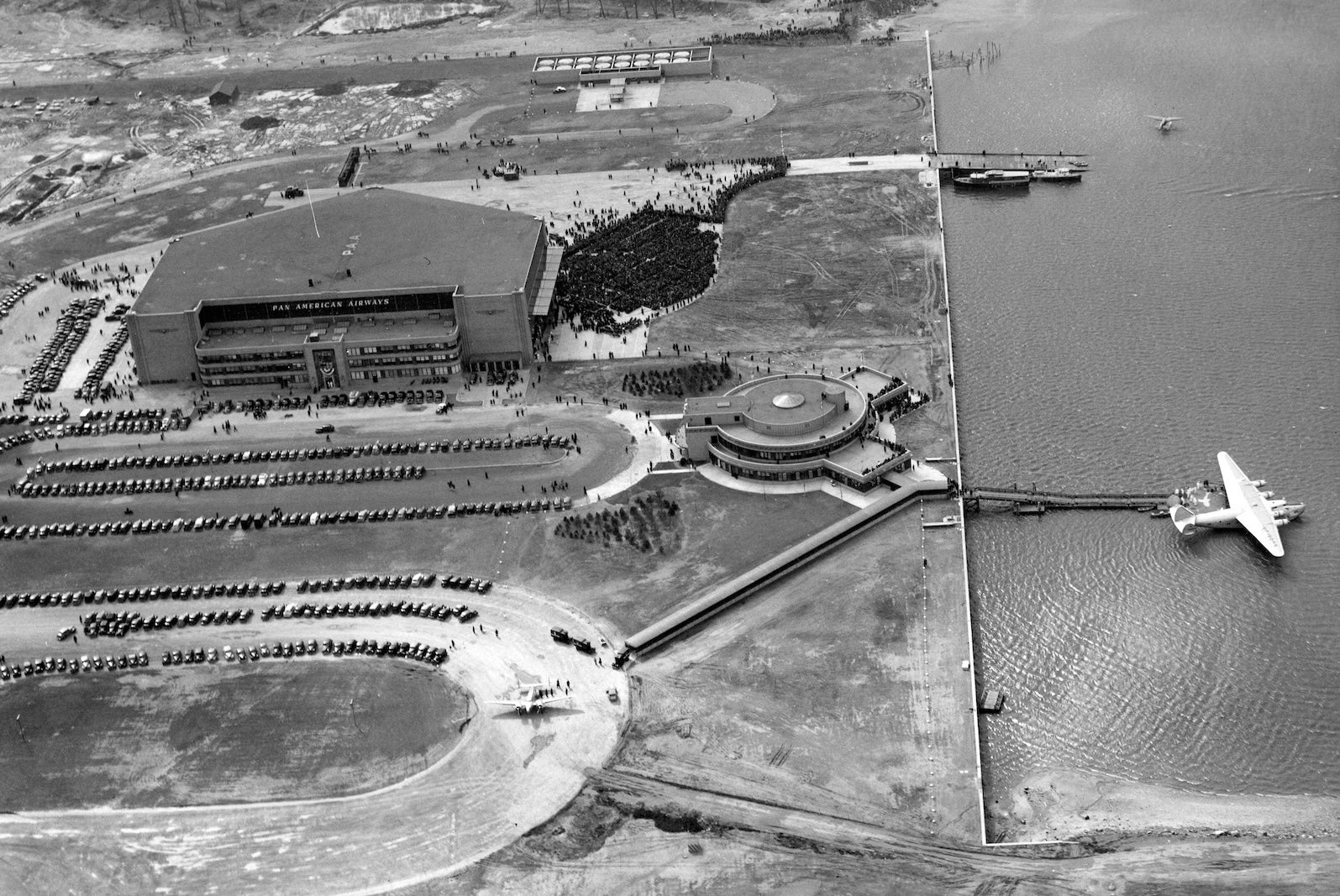
The aviation industry is often a theater of contradictions, where the pursuit of the "premium" experience frequently clashes with the cold, hard reality of operational overhead. Nowhere is this more evident than at New York’s LaGuardia Airport (LGA), where JetBlue Airways is currently signaling a desire to retreat from the lap of luxury in favor of historical pragmatism. Terminal B at LaGuardia is widely considered the crown jewel of the airport’s recent $8 billion transformation. Less than a decade old, it is a state-of-the-art, airy facility that houses three premium credit card lounges, high-end retail, and a signature multi-sensory water feature. Yet, JetBlue is looking to trade these modern "digs" for the airport’s 80-year-old Marine Air Terminal, an Art Deco relic that predates the jet age.
The motivation behind this potential migration can be distilled into a single word: money. During a recent call with analysts, JetBlue CEO Joanna Geraghty was blunt about the airline’s priorities. "While people love fountains and artwork, at the end of the day, we need to make sure that these airports are really providing what matters most to people," Geraghty stated. She argued that what matters most to the modern traveler—especially in a post-pandemic economy characterized by fluctuating ticket prices—is paying less to fly. By moving to a lower-cost terminal, JetBlue hopes to reduce its overhead and, by extension, offer more competitive fares in the cutthroat New York market.

The proposal to exit Terminal B in favor of Terminal A, also known as the Marine Air Terminal (MAT), represents a significant shift in JetBlue’s New York strategy. Terminal B, with its natural-lit concourses and world-class amenities, was instrumental in helping LaGuardia shed its long-standing reputation as a "third-world" facility, a label famously applied by then-Vice President Joe Biden in 2014. However, the prestige of Terminal B comes with a steep price tag. LaGuardia is consistently ranked as one of the most expensive airports in the United States for airlines to operate in, largely due to the high debt-service costs associated with its massive redevelopment projects. For an airline like JetBlue, which is currently undergoing a rigorous cost-cutting initiative known as "JetForward" to return to profitability, these high operating costs have become a strategic liability.
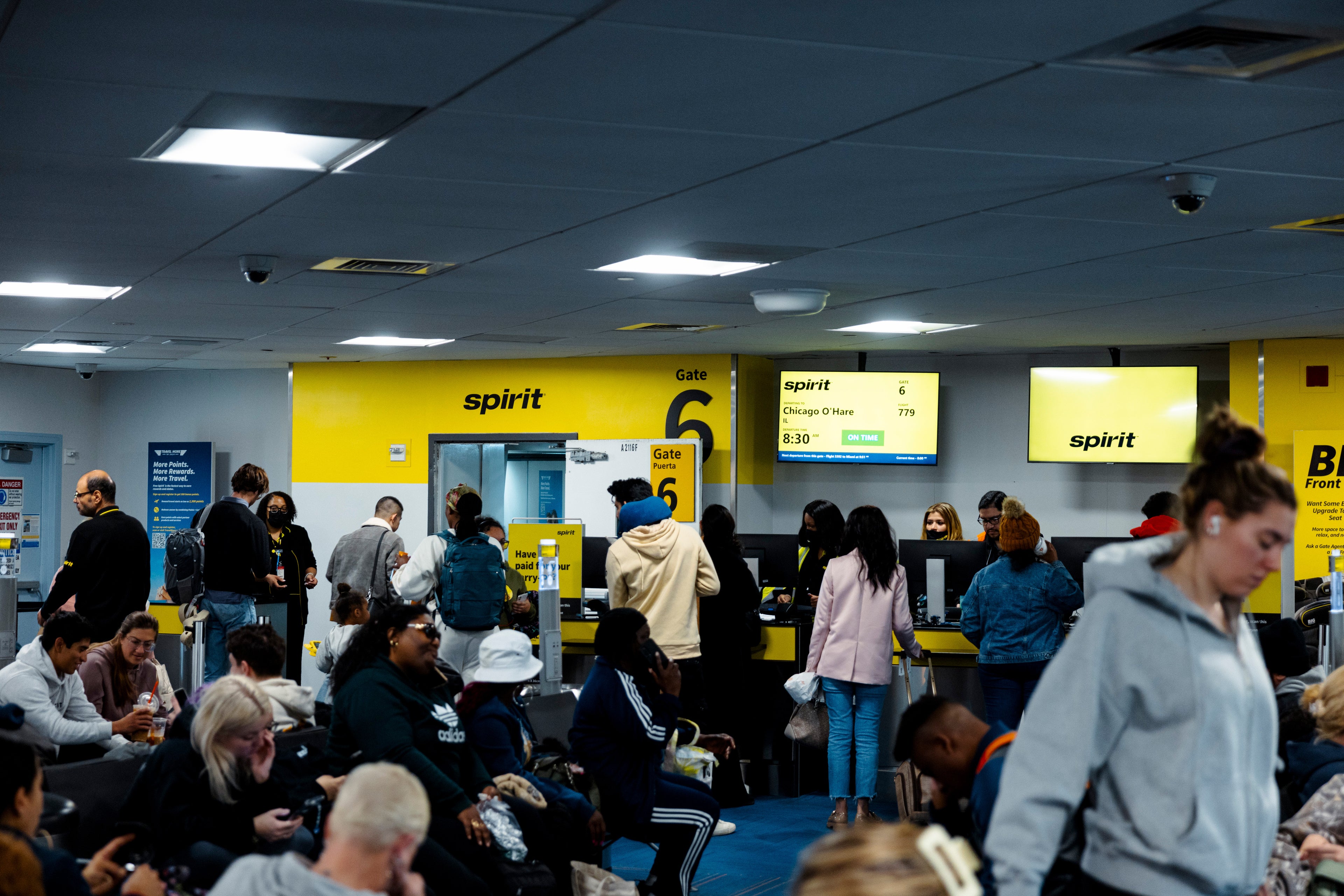
The opportunity to move back to Terminal A arose from the unfortunate demise of Spirit Airlines. Prior to its financial collapse in May, Spirit was the sole commercial tenant of the Marine Air Terminal. Following Spirit’s exit, JetBlue successfully won the airline’s coveted "slots"—the specific takeoff and landing rights required to operate at congested airports like LaGuardia. This month, JetBlue executives confirmed that their interest extended beyond Spirit’s flight schedules; they also hope to take over the gates Spirit left behind.
For the average passenger, a move to the Marine Air Terminal would fundamentally alter the airport experience. Terminal A is a far cry from the "shopping mall" atmosphere of Terminal B. It lacks the expansive food courts, the sprawling duty-free shops, and the sophisticated lounge network that many business travelers have come to expect. However, Terminal A offers a "boutique" experience that some frequent flyers actually prefer. Because of its small footprint, the distance from the curb to the gate is among the shortest in the country. There are no long walks across massive terminals or complex security bottlenecks; it is an "in-and-out" facility designed for efficiency.
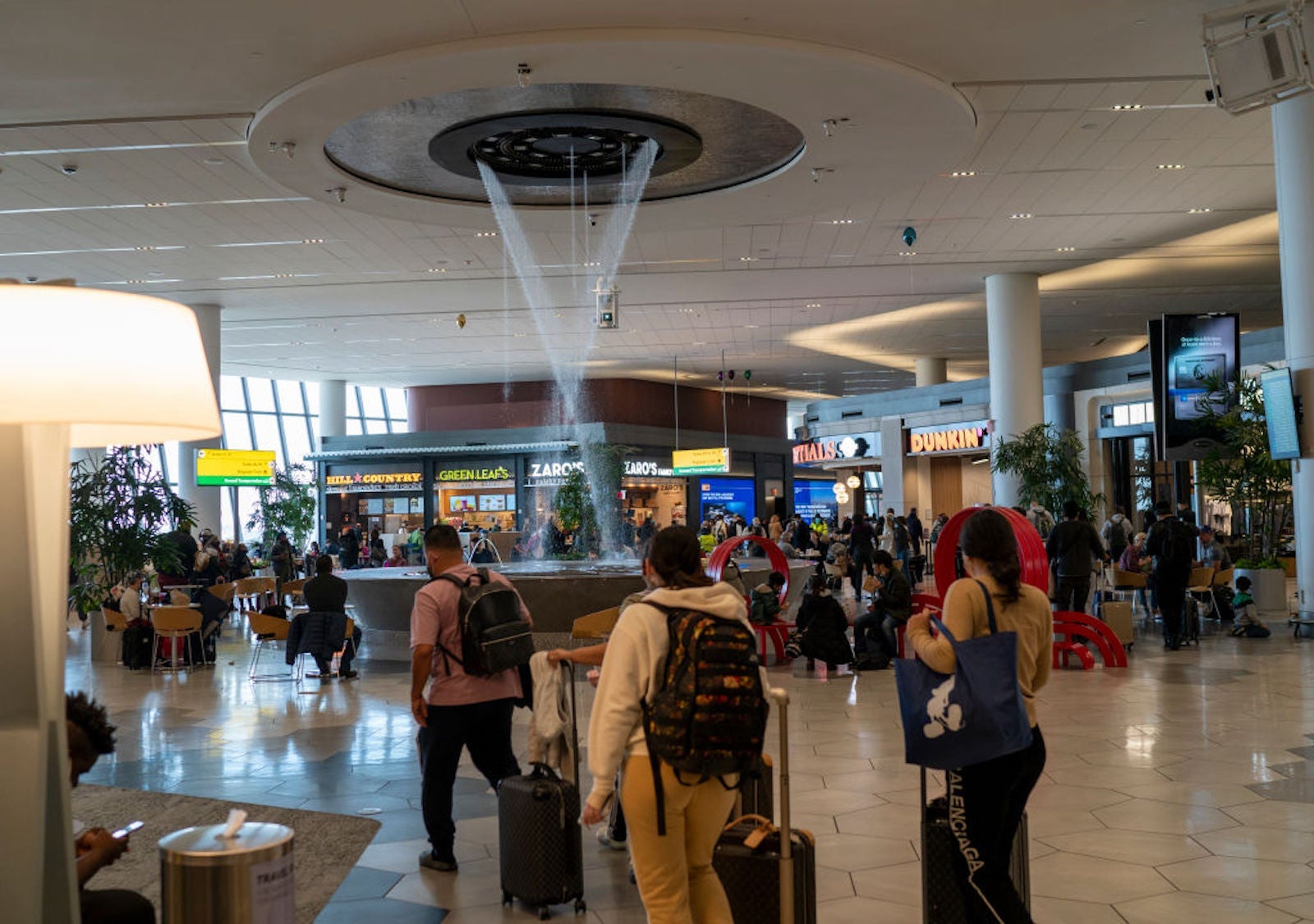
Industry analyst Bob Mann noted the unique nature of the facility in an interview with TPG. "It’s a good insular facility," Mann said. "No waterfalls. No shopping malls. There’s a great old diner, though." That diner, the Yankee Clipper, is a local favorite that captures the nostalgic essence of the terminal. The building itself is a National Historic Landmark, featuring a famous 235-foot-long mural titled "Flight" by James Brooks, which depicts the history of human aviation from Daedalus to the Pan Am Clippers.
The economics of the move are the primary driver for JetBlue’s leadership. JetBlue President Marty St. George emphasized that Terminal A is "significantly cheaper" than Terminal B. "Definitely lower-cost, which means, hopefully, better fares for our customers," St. George remarked. By reducing the "cost per enplaned passenger"—a key metric for airline profitability—JetBlue can better compete with ultra-low-cost carriers and the dominant legacy hubs of Delta and American Airlines.
JetBlue is no stranger to the Marine Air Terminal. In fact, the airline previously operated out of the historic facility for years. It only completed its move to Terminal B in 2022 as part of the "Northeast Alliance" (NEA) with American Airlines. That partnership was designed to allow the two carriers to coordinate schedules and share gates to better compete against Delta. However, after the U.S. Department of Justice successfully sued to block the alliance on antitrust grounds, the strategic necessity of being co-located with American in Terminal B vanished. Now, as an independent carrier once again, JetBlue is free to seek out the most cost-effective real estate available.
The Port Authority of New York and New Jersey, which oversees the airport, will ultimately decide if JetBlue can make the switch. In a statement, the agency confirmed it is in "dialogue with JetBlue regarding their space needs at LaGuardia" following the Spirit slot acquisition. While the Port Authority has invested billions in Terminal B, it also has a vested interest in ensuring that Terminal A does not sit vacant. The agency noted it looks forward to working with JetBlue as the carrier expands its footprint at LGA. Terminal A is slated for renovations in the coming years, particularly its 1980s-era concourse, though the historic 1940s rotunda will remain untouched due to its landmark status.
Beyond the real estate, the acquisition of Spirit’s slots allows JetBlue to significantly bolster its flight schedule. The airline now has permission to add roughly 12 additional daily round-trip flights from LaGuardia. When asked where these new flights would go, JetBlue executives pointed directly to the Sunshine State. Florida has long been the "bread and butter" of JetBlue’s network, serving as a vital link for New Yorkers with second homes or vacation plans. Currently, three of the four cities JetBlue serves from LaGuardia are in Florida: Fort Lauderdale, Orlando, and West Palm Beach.
"We have a very successful franchise from LaGuardia to Florida, and obviously Florida is a very important destination for metro New York customers," St. George said. The additional capacity will likely be used to increase the frequency of existing routes, providing "shuttle-like" service that appeals to both business and leisure travelers. By offering more flights at lower prices—enabled by the lower overhead of Terminal A—JetBlue aims to solidify its position as the preferred carrier for the New York-to-Florida corridor.
The competitive landscape at LaGuardia remains intense. Last year, JetBlue had the sixth-highest number of departures at the airport, trailing behind Delta and American—both of which maintain major hubs there—as well as Southwest, United, and Air Canada. To move up the ranks, JetBlue must balance its desire for growth with the necessity of fiscal discipline. The airline’s recent financial performance has been under scrutiny by investors, and the "JetForward" plan is a direct response to the need for a leaner, more focused operation.
The potential move to the Marine Air Terminal is a microcosm of the broader shifts occurring in the airline industry. As the "revenge travel" surge of the early 2020s levels off, airlines are refocusing on operational efficiency and core markets. While the glitz of Terminal B represents the aspirations of a modernizing airport, Terminal A represents the functional reality of a carrier trying to survive and thrive in a high-cost environment.
For JetBlue, the "Marine Air" experience is a return to a simpler era of aviation—one where the speed of the transaction and the price of the ticket outweigh the availability of a luxury lounge or a digital waterfall. If the Port Authority approves the move, passengers may soon find themselves walking through a 1940s rotunda to board a 21st-century Airbus A220, proving that in the airline business, sometimes the best way forward is to go back to where you started. This strategic pivot highlights a growing trend where "value" is being redefined not by the amenities on the ground, but by the savings passed on to the passenger in the air. As JetBlue prepares to ramp up its Florida service, the historic halls of the Marine Air Terminal may once again hum with the energy of a bustling New York gateway, serving a new generation of travelers who value their wallets as much as their time.
