
 By admin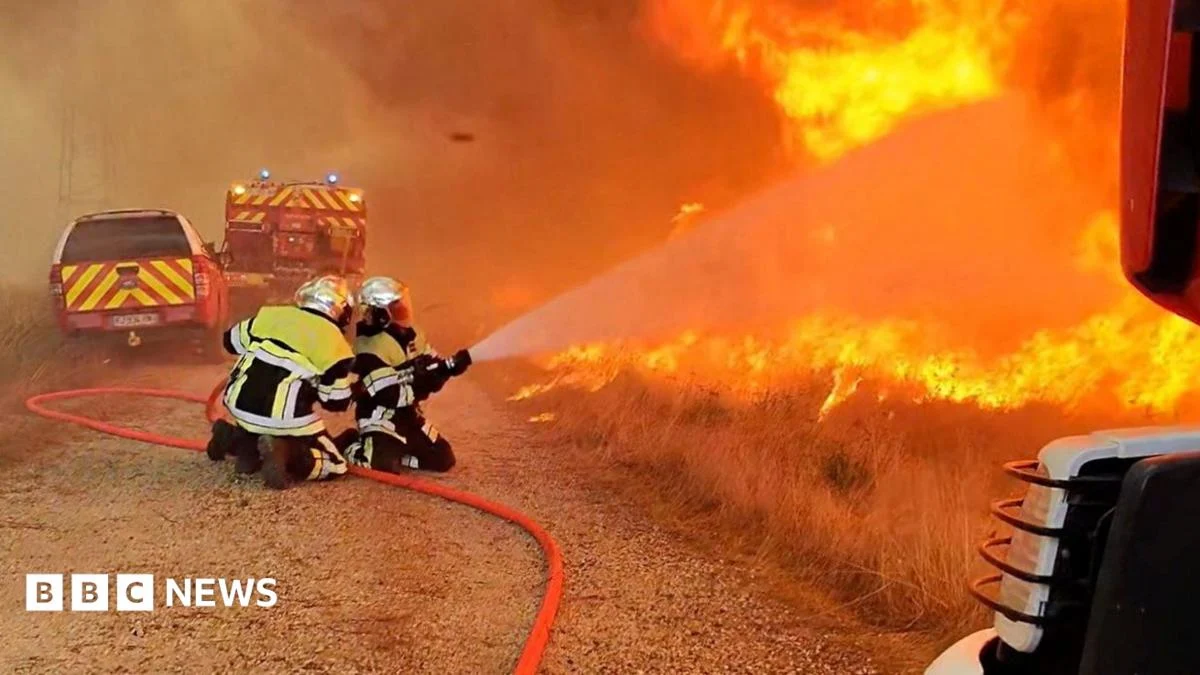
This summer’s fourth heatwave was expected to begin by Wednesday, bringing scorching temperatures in the region to an alarming 40 degrees Celsius, a stark indicator of the intensifying climate crisis gripping Europe. This extreme heat is not an isolated phenomenon; similar temperatures are anticipated across Spain, a nation already grappling with a relentless onslaught of wildfires. The dual threat of extreme heat and uncontrolled infernos has plunged communities into chaos, forcing mass evacuations and raising fears for the future of urban centers and vital agricultural regions.
The devastating impact of these fires is evident in the sheer scale of displacement. Dozens of communities remain under the shadow of impending destruction, with over 70,000 individuals forced to abandon their homes in the preceding week alone. This mass exodus underscores the severity of the situation, transforming summer holidays and daily routines into desperate struggles for survival. While Spain has begun to ease some evacuation orders, allowing approximately 44,000 people to return to their residences or emerge from confinement, the relief is tempered by the lingering threat of reignition and the immense task of rebuilding.
The Madrid region has borne a particularly heavy burden, witnessing the destructive power of the wildfires firsthand. Despite the immense challenges, Prime Minister Pedro Sánchez offered a glimmer of hope, acknowledging the "highly challenging hours and days ahead" but asserting that "light was beginning to appear at the end of the tunnel." This sentiment, while aimed at bolstering public morale, is underscored by the persistent reality of the crisis unfolding across the Iberian Peninsula.
Across the border in Portugal, the situation is equally dire. A formidable force of 400 firefighters is engaged in a desperate battle against a large blaze that has erupted on three active fronts in the eastern Guarda region. The sheer number of personnel deployed highlights the magnitude of the inferno and the critical need for international cooperation and resource allocation in combating these escalating natural disasters.
The specter of wildfire has also loomed large over France, with the city of Bordeaux narrowly avoiding direct threat, according to officials. However, the proximity of a wildfire on Monday, which came within a mere 15 kilometers (9 miles) of the city’s periphery, served as a chilling reminder of the encroaching danger. Commander Rémi Lassoureille, leading the firefighting efforts in the Gironde region, expressed palpable concern. "We are frightened about the impact on Bordeaux and the metropolitan area," he stated, articulating the anxiety felt by many as the flames crept closer. The threat extended beyond immediate physical danger, as air quality in the city deteriorated significantly, impacting the health and well-being of residents and visitors alike.
The tangible effects of the smoke and ash were vividly described by a holidaymaker from Essex who spoke to the BBC. "By Sunday evening, everything had really begun to empty out," she recounted, painting a picture of an unsettling quietude. "The air was ‘really smoky’ with bits of ash. People were staying indoors, so it was eerie, and very sad." This poignant observation captures the profound disruption to daily life, turning vibrant tourist destinations into somber, smoke-filled landscapes. The pervasive smell of smoke clung to clothing for days, a constant reminder of the environmental and psychological toll. The resilience of the human spirit was evident, however, as she described a firefighter receiving a round of applause in the Marché des Chartrons, a gesture of gratitude for their tireless efforts. Yet, even in moments of solidarity, the economic impact was undeniable, with restaurants forced to close their doors due to the pervasive ash.
Graham White, president of the Bordeaux British Community, corroborated this sentiment, describing the city as "very quiet." He noted the stark emptiness of shops, restaurants, and cafes. "Interestingly on Sunday when there was still smoke, there were people brave enough to sit outside on terraces," he observed, highlighting a defiant spirit amidst the adversity. White, a long-term resident, emphasized the unprecedented nature of the event, cautioning against sensationalist comparisons. While acknowledging the severity, he clarified that news reports suggesting the situation was "akin to being the next Great Fire of London" were an exaggeration.
The French government’s response has been characterized by a heightened sense of vigilance. Health Minister Stéphanie Rist stated that the government was "very vigilant" regarding air pollution and strongly urged individuals in affected areas to remain indoors. This advisory reflects the public health concerns associated with prolonged exposure to smoke and particulate matter.
The economic ramifications of the wildfires extend beyond the immediate disruption. Peggy Plouhinec, the general director of Château Picque Caillou, a wine estate located on the west side of Bordeaux, shared her experience. Her business opted to close over the weekend due to the smoke, though she noted an improvement since then, attributing some of the respite to a bout of rain on Sunday night. While her vineyards were not directly threatened, she lamented the exodus of tourists. "The hospitality sector will be impacted this summer, that’s for sure," she stated, underscoring the vulnerability of a region heavily reliant on tourism. "What is happening is unprecedented. We’re lucky that we haven’t been too affected yet, but the business will still suffer from the lower numbers of tourists." Her words serve as a stark reminder of the cascading economic consequences, impacting not only immediate businesses but also the broader tourism and hospitality industries.
Plouhinec’s empathy extended to those who have suffered far greater losses. "But many people have lost their homes or their businesses, not to mention the firefighters who have been hard at work for weeks now and who must be exhausted," she added, acknowledging the immense sacrifices made by emergency responders and the profound personal tragedies experienced by those displaced.
The discourse surrounding the fires has also highlighted differing perspectives on the true nature of the threat. One resident of Cap Ferret, a peninsula evacuated late last week, voiced a sentiment that resonated with many living in more rural, heavily forested areas. Speaking to French media, his primary concern was for his peninsula, not the urban center of Bordeaux. "Everyone talks about saving Bordeaux, but in Bordeaux there’s nothing but concrete. Have you ever seen concrete burn?" he questioned, implying that the focus on protecting urban infrastructure might be misplaced. "Here, there are only trees… and when you see all that has burned, it’s a catastrophe." This perspective underscores the ecological devastation wrought by the fires, particularly in areas with high concentrations of flammable vegetation, and the irreplaceable loss of natural landscapes.
The current situation in Europe is a complex interplay of meteorological factors, climate change impacts, and human vulnerability. The persistent heatwaves, exacerbated by a changing climate, create ideal conditions for wildfires to ignite and spread with unprecedented ferocity. The lack of adequate rainfall further compounds the problem, turning dry vegetation into a tinderbox. The response to these infernos requires a multi-faceted approach, encompassing immediate firefighting efforts, long-term climate mitigation strategies, and robust support for affected communities.
Scientific consensus points to a clear link between rising global temperatures and the increased frequency and intensity of extreme weather events, including heatwaves and wildfires. The Intergovernmental Panel on Climate Change (IPCC) has repeatedly warned of these escalating risks, urging global action to curb greenhouse gas emissions. The events unfolding in Europe this summer serve as a stark empirical validation of these scientific projections.
The economic consequences of these wildfires are far-reaching. Beyond the immediate costs of firefighting and disaster relief, there are long-term impacts on agriculture, tourism, and infrastructure. The destruction of forests has implications for biodiversity, carbon sequestration, and water resources. The smoke pollution poses significant public health risks, leading to respiratory problems and exacerbating existing health conditions.
The psychological toll on individuals and communities cannot be overstated. The trauma of evacuation, the loss of homes and livelihoods, and the constant threat of danger can have lasting effects. Support services, including mental health counseling and financial assistance, are crucial for helping affected populations recover and rebuild.
The international dimension of this crisis is also significant. Wildfires do not respect national borders, and cross-border cooperation in firefighting, resource sharing, and early warning systems is essential. European nations have a history of collaborating on disaster response, and this crisis demands an intensified and coordinated effort.
Looking ahead, the lessons learned from this summer’s events must inform future policy and preparedness. Investing in climate change adaptation and mitigation measures is paramount. This includes developing more resilient infrastructure, promoting sustainable land management practices, and accelerating the transition to renewable energy sources. Early warning systems and evacuation plans need to be continuously reviewed and improved to ensure the safety of vulnerable populations.
The current crisis is a stark reminder that climate change is not a distant threat but a present reality. The scorching temperatures, raging infernos, and widespread displacement demand immediate and sustained action from governments, businesses, and individuals alike. The future of Europe’s landscapes, economies, and communities hinges on the collective will to address the root causes of this escalating environmental emergency. The arduous work of recovery and rebuilding will undoubtedly be a long and challenging process, but it is a necessary undertaking to safeguard against future catastrophes. The echoes of roaring flames and the pervasive scent of smoke serve as a powerful and urgent call to action, urging a fundamental shift in our relationship with the planet.
