
 By admin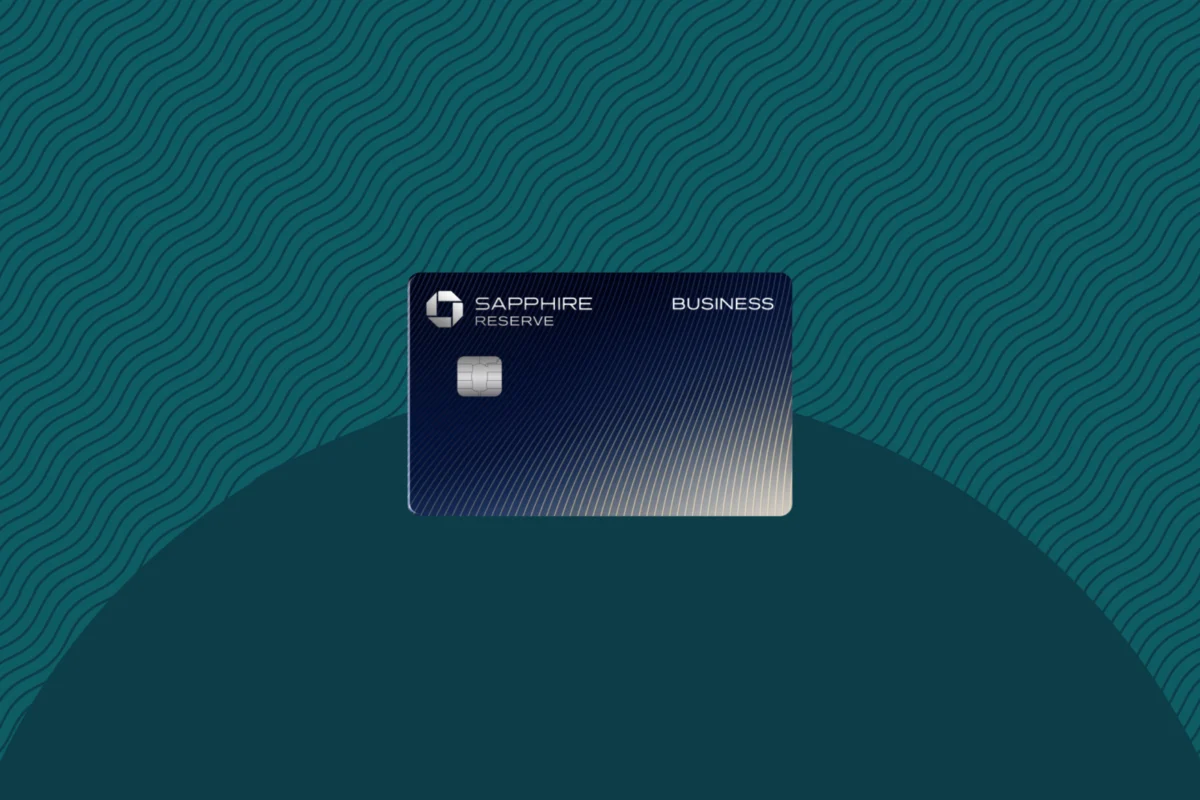
Choosing the ideal card requires a deep dive into your company’s specific spending patterns. Some businesses find the most value in straightforward cash-back rewards to bolster their bottom line, while others leverage high-value transferable points to offset the costs of international business travel. To navigate this complex market, we have analyzed the top-tier offerings from major issuers like American Express, Chase, and Capital One. These cards have been selected based on their welcome bonuses, ongoing rewards structures, and the lifestyle benefits they provide to the busy professional.

The American Express Business Ecosystem
American Express has long been the gold standard for business products, offering a range of cards that cater to different stages of business growth. Their Membership Rewards program is widely considered one of the most valuable loyalty currencies due to its 1:1 transfer ratio to 19 airline and hotel partners, including Delta Air Lines, British Airways, and Hilton.
American Express Blue Business Plus
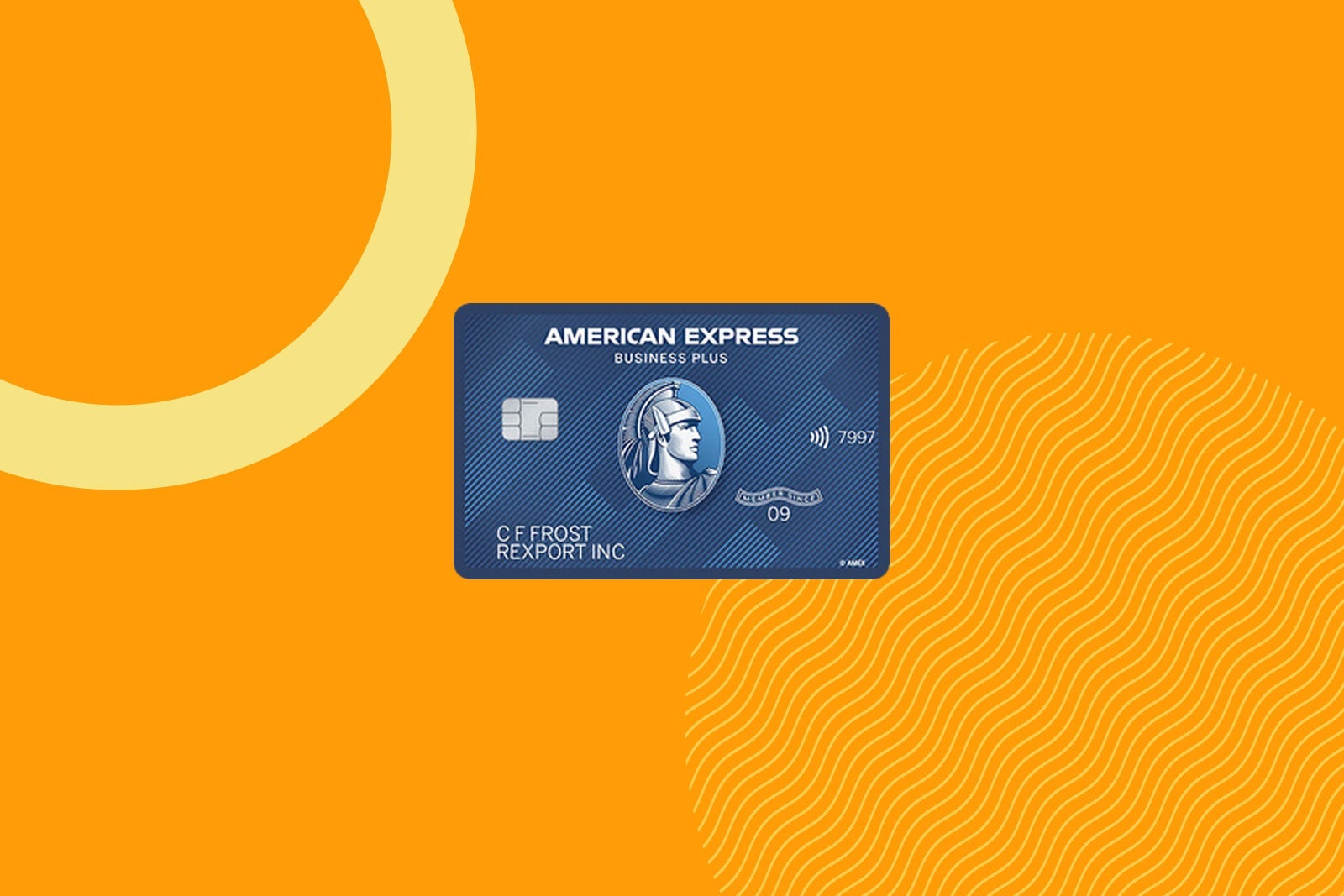
The Blue Business Plus is often cited by financial experts as the ultimate "catch-all" card for small businesses. With a $0 annual fee (see rates and fees), it offers a refreshing simplicity: 2 Membership Rewards points per dollar on the first $50,000 spent each year, and 1 point per dollar thereafter. For businesses with modest overhead or those looking for a secondary card to handle non-category spending, this card provides an effective 4% return when points are redeemed for high-value travel. The current welcome offer allows new members to earn 15,000 points after spending $3,000 on eligible purchases within the first three months.
American Express Business Gold
For businesses with fluctuating monthly expenses, the Business Gold Card offers an automated optimization feature. It earns 4 points per dollar in the two categories where your business spends the most each billing cycle, from a list including U.S. restaurants, gas stations, transit, and advertising. This cap applies to the first $150,000 in combined purchases annually. With a $375 annual fee (see rates and fees), the card justifies its cost through up to $240 in annual statement credits for office supply stores, FedEx, and Grubhub. Currently, applicants may be eligible for welcome offers as high as 200,000 bonus points after a $15,000 spend in the first three months, though offers vary by user.
American Express Business Platinum
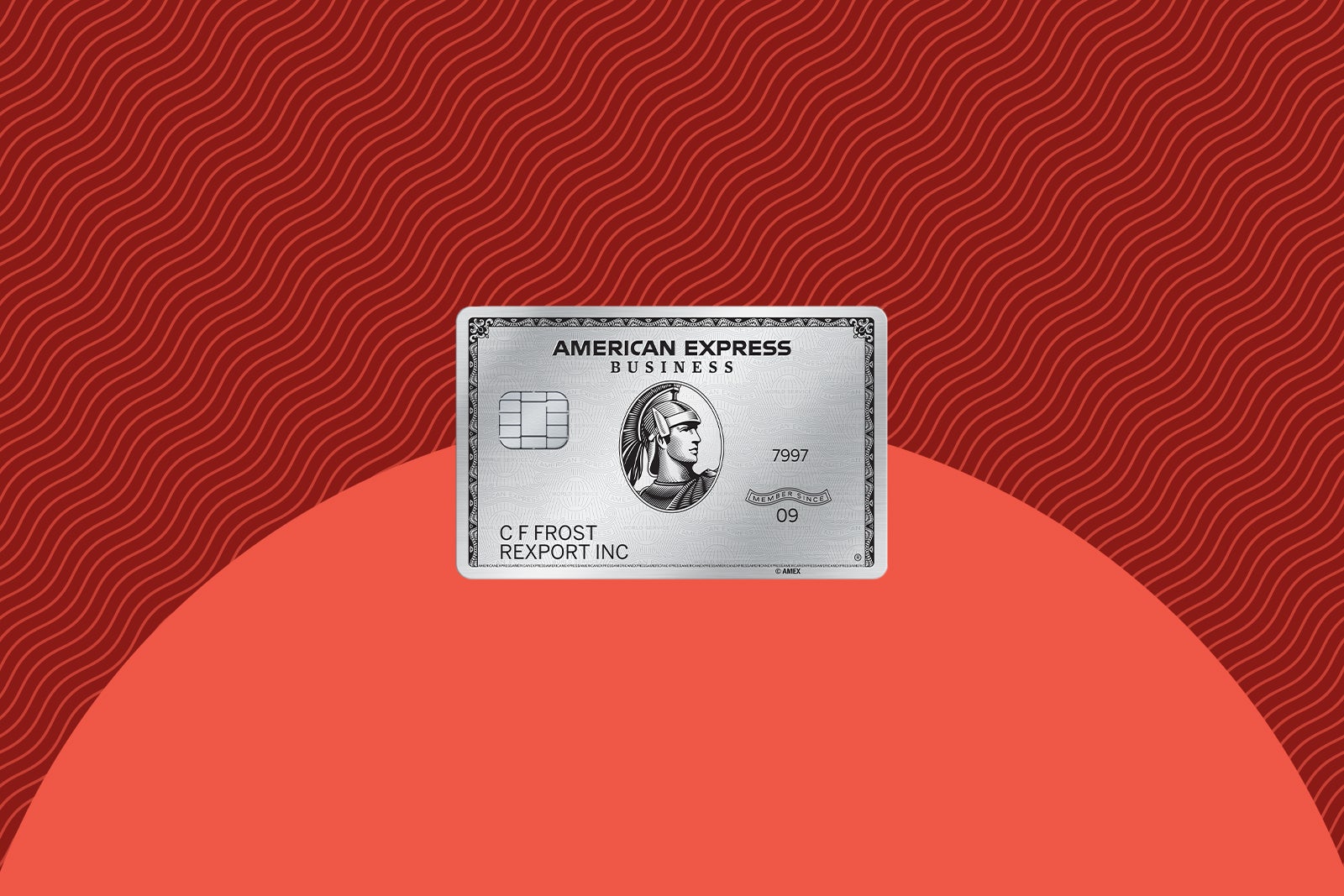
The Business Platinum Card is designed for the high-flying executive who demands luxury and efficiency. While the $695 annual fee (see rates and fees) is among the highest in the market, the suite of credits—including up to $200 for airline incidentals, $400 for Dell technologies, and $189 for CLEAR Plus—can technically bring the net cost of the card to near zero. The standout feature is the unparalleled lounge access, covering the Centurion Lounge network, Delta Sky Clubs (when flying Delta), and Priority Pass. Business owners can earn 5 points per dollar on flights and prepaid hotels booked through Amex Travel. The current welcome offer is massive, with potential for up to 300,000 bonus points after a $20,000 spend in the first three months.

The Chase Ink and Sapphire Suite
Chase’s "Ink" lineup is a favorite among rewards enthusiasts because of the ability to "stack" cards. By pairing a no-annual-fee card with a premium one, businesses can maximize every cent spent.
Ink Business Cash
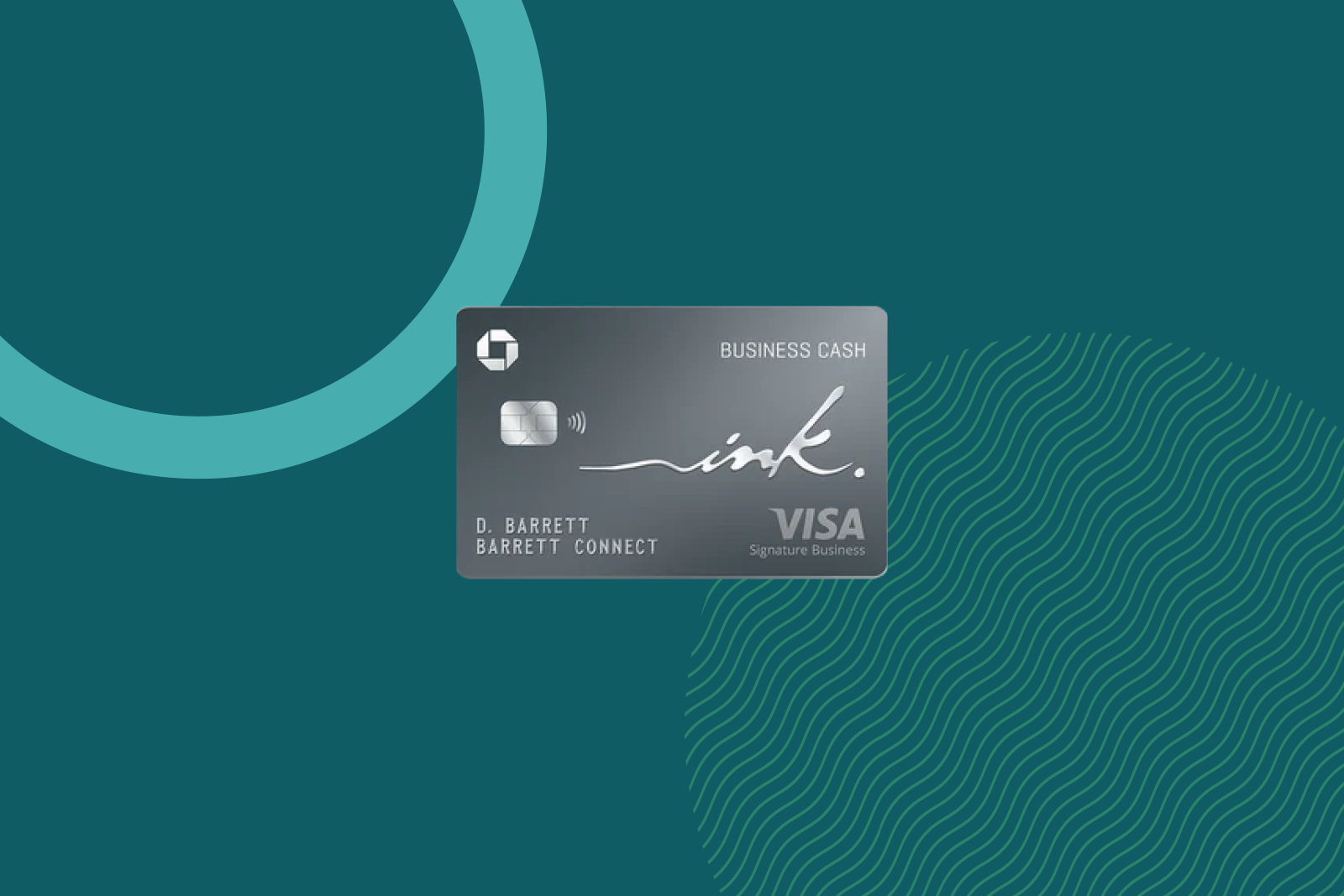
This no-annual-fee workhorse is legendary for its 5% cash back (or 5 points per dollar) at office supply stores and on internet, cable, and phone services, capped at $25,000 in combined purchases per year. It also offers 2% back at gas stations and restaurants. For a business that manages heavy utility and supply costs, the Ink Business Cash can generate significant rewards. New cardholders can earn $1,000 cash back (or 100,000 points) after spending $8,000 in the first four months.
Ink Business Unlimited
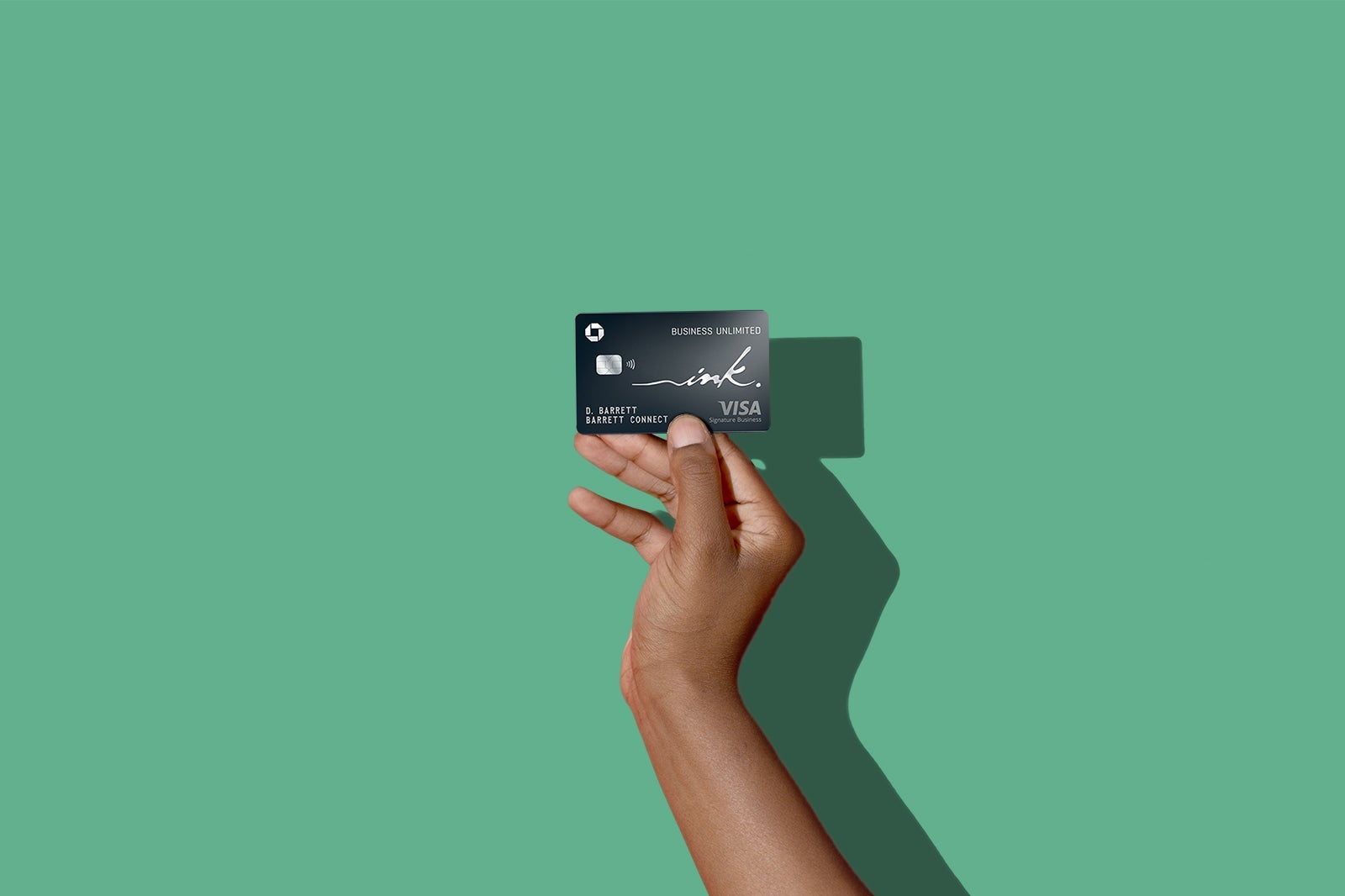
If tracking categories feels like a distraction from your core mission, the Ink Business Unlimited offers a flat 1.5% cash back on every purchase. Like the Cash version, it has no annual fee and currently offers a $1,000 cash back bonus after an $8,000 spend in four months. When paired with a premium card like the Ink Preferred or Sapphire Reserve, that 1.5% "cash" can be converted into transferable Ultimate Rewards points, significantly increasing their value.
Ink Business Preferred
The Ink Business Preferred is arguably the best "middle-ground" card. For a $95 annual fee, it earns 3 points per dollar on the first $150,000 spent in categories including travel, shipping, and social media/search engine advertising. It also provides essential cell phone protection and primary rental car insurance for business trips. The current welcome offer of 100,000 points after an $8,000 spend in three months is one of the most efficient ways to jumpstart a travel fund.

Chase Sapphire Reserve for Business
The newest premium entrant from Chase, this card mirrors the popular personal version but is tailored for corporate use. With a $795 annual fee, it offers a $300 annual travel credit and 3 points per dollar on travel and advertising. Its most powerful feature is the 1.5-cent-per-point redemption value when booking through the Chase Travel portal, or the ability to transfer 1:1 to World of Hyatt—often cited as the most valuable hotel loyalty program. The welcome offer is currently 200,000 points after a $30,000 spend in six months.
Capital One’s High-Volume Solutions
Capital One has disrupted the market by offering cards with no preset spending limits, which is vital for businesses making large inventory or equipment purchases.

Capital One Spark Cash Plus
This is a pure cashback play for high-spending businesses. It earns an unlimited 2% cash back on all purchases, with no categories to track. The $150 annual fee is refunded every year you spend $150,000 or more. The current bonus structure is tiered: earn a $2,000 cash bonus and a $500 travel credit after spending $30,000 in three months, with the potential to earn more based on annual spend.
Capital One Venture X Business
This card combines the simplicity of 2 miles per dollar on all spending with premium perks like a $300 annual travel credit and unlimited access to Capital One and Priority Pass lounges. With a $395 annual fee and no preset spending limit, it is built for the business that wants to earn 150,000 bonus miles (after a $30,000 spend in three months) without managing complex bonus categories.
Airline Specificity: The United Business Card
For those whose business travel frequently takes them through United Airlines hubs like Chicago, Newark, or Houston, the United Business Card is an essential tool. For a $150 annual fee, cardholders receive a free checked bag, priority boarding, and two United Club one-time passes annually. A unique feature is the 5,000-mile "better together" bonus awarded each anniversary to those who hold both a personal and business United card. The current offer provides up to 110,000 miles and 2,000 PQPs, making it a fast track toward United Premier status.
Analytical Framework for Card Selection
When deciding which of these ten cards belongs in your wallet, you must analyze four critical variables:
- Rewards Structure: Do you value the liquidity of cash back or the outsized value of travel points? Cash back is safer in a volatile economy, but travel points offer a much higher ceiling for luxury redemptions.
- Spending Alignment: A card that offers 5% at office supply stores is useless if your business is primarily digital. Conversely, if you spend $10,000 a month on Google Ads, the Amex Business Gold or Ink Business Preferred are your best friends.
- The "Net" Annual Fee: Never look at the annual fee in isolation. Subtract the value of the credits you will actually use. If a $695 card gives you $700 in value through CLEAR, Dell, and airline credits, the card is paying you to hold it.
- Credit Score and Liability: Most business cards require a personal guarantee, meaning your personal credit score (typically 690+) is required for approval. Furthermore, understand if the card reports to personal credit bureaus; most Amex and Chase business cards do not, which helps keep your personal credit utilization low even if your business carries a balance.
Final Perspective on Business Growth
The right business credit card acts as a silent partner in your enterprise. By automating the tracking of expenses and providing a "rebate" on every dollar spent, these cards allow owners to focus on what matters most: innovation and customer service. Whether you are using a 300,000-point welcome bonus to fly your team to a conference in business class or using 2% cash back to fund a new marketing campaign, the strategic use of business credit is a hallmark of a savvy entrepreneur. In 2025 and beyond, the integration of these financial tools into your daily operations is not just a perk—it is a competitive necessity.
