
 By admin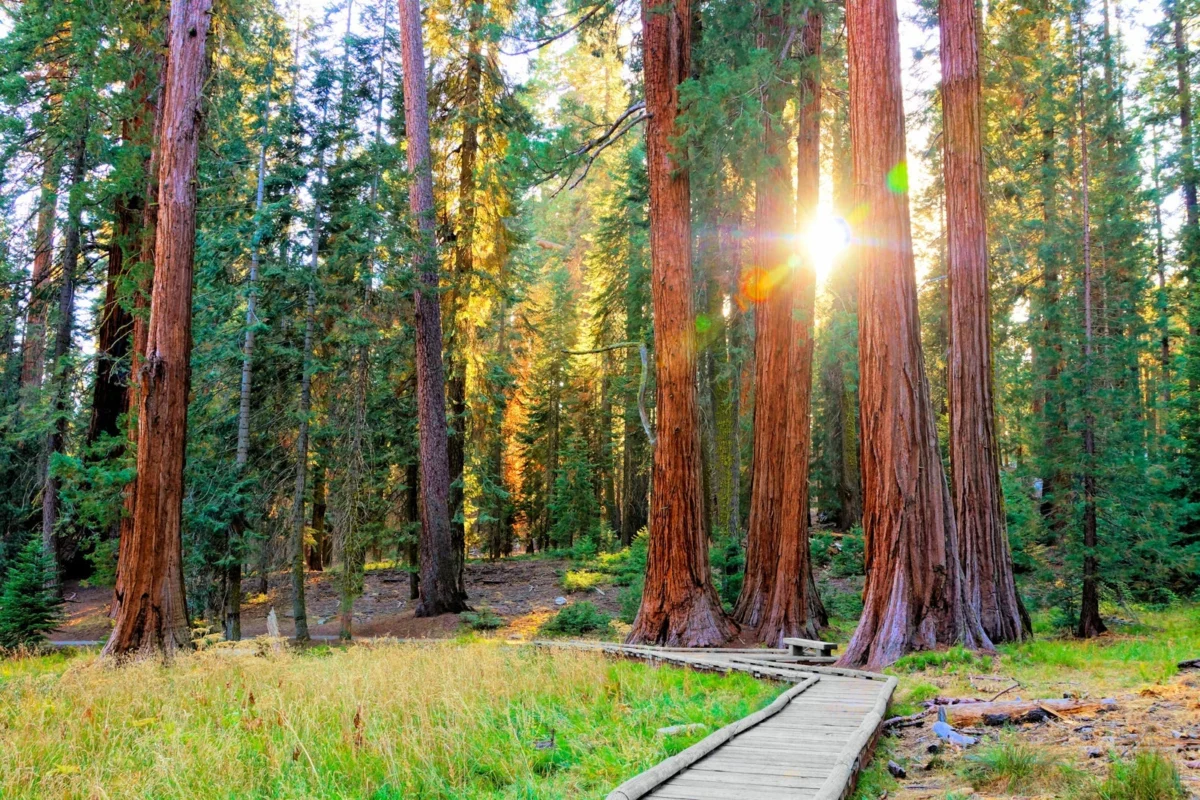
As the modern workforce increasingly grapples with the phenomenon of "burnout," the travel industry has noted a significant shift toward the "micro-cation"—shorter, more frequent trips designed to provide maximum rejuvenation without the logistical strain of a week-long odyssey. For many, the ultimate antidote to a grueling 40-hour workweek is the serenity of the American wilderness. However, a common misconception persists that the United States National Park System, which manages over 84 million acres of land, is composed exclusively of remote, impenetrable landscapes like the Alaskan backcountry or the depths of the Grand Canyon. In reality, several of the nation’s 63 congressionally designated national parks are remarkably accessible, situated within striking distance of major metropolitan hubs and regional airports. By strategically selecting parks with manageable trail systems and efficient transportation links, travelers can experience the majesty of the outdoors within the confines of a standard 48-hour weekend.
1. Saguaro National Park, Arizona: The Urban Desert Sanctuary
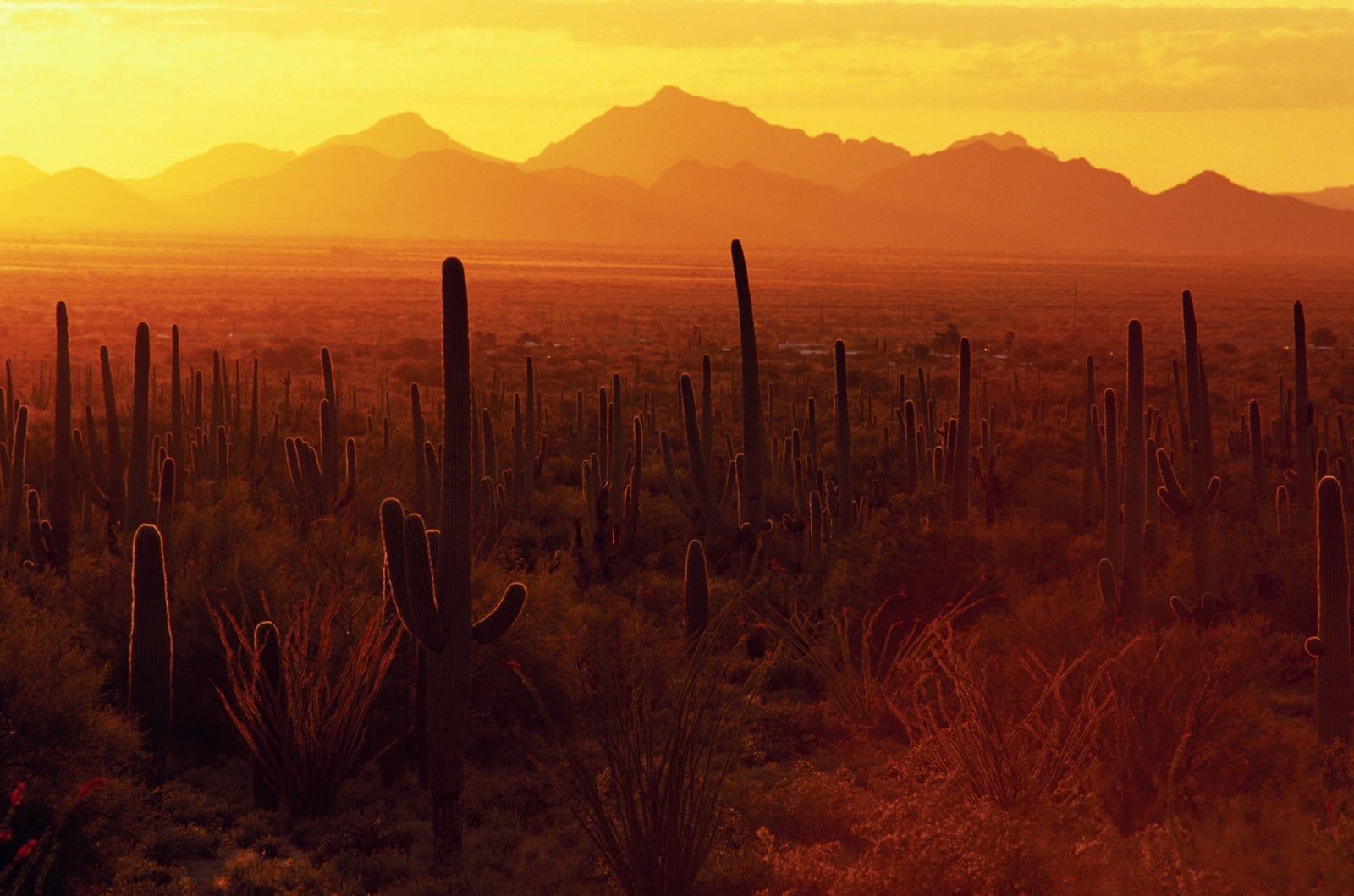
For those seeking an "otherworldly" experience without the hassle of a long-haul expedition, Saguaro National Park offers a seamless blend of convenience and surrealism. Located on the fringes of Tucson, this park is unique because it is split into two distinct districts—the Tucson Mountain District (West) and the Rincon Mountain District (East)—separated by the city itself. The park is named for the giant saguaro, a symbol of the American West that can grow up to 50 feet tall and live for over 200 years.
The Western District is celebrated for its dense "forests" of cacti and lower elevation, providing the iconic silhouette of the Sonoran Desert. Conversely, the Eastern District offers more rugged, mountainous terrain and a higher density of hiking trails that lead into the pine-topped peaks of the Rincons. Because each district is less than a 45-minute drive from downtown Tucson, a weekend visitor can easily conquer both. Logistics are further simplified by the proximity of Tucson International Airport (TUS), which hosts major carriers like Delta, United, and American, alongside low-cost options like Southwest and Frontier. For accommodation, travelers can utilize points at properties like the Graduate by Hilton Tucson or the Hyatt Place Tucson Central, keeping the trip budget-friendly and efficient.
2. Great Smoky Mountains National Park, Tennessee and North Carolina: The Road Tripper’s Dream
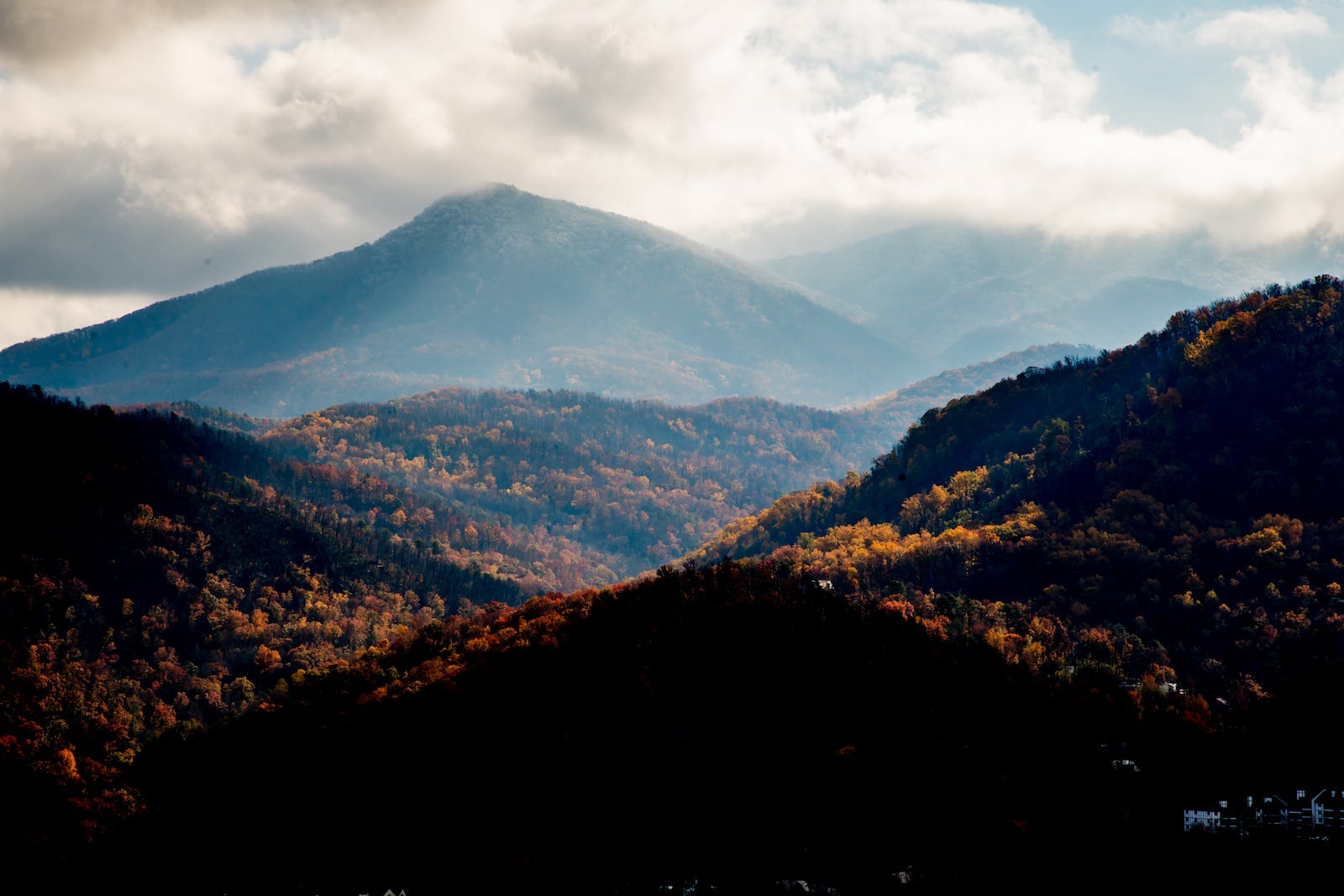
Great Smoky Mountains National Park holds the title of the most visited national park in the United States, welcoming over 13 million visitors annually. Its popularity is due in part to its accessibility to the Eastern Seaboard and its stunning biodiversity. For a weekend getaway, the park is best experienced as a scenic road trip. Travelers can fly into Asheville Regional Airport (AVL) in North Carolina, pick up a rental car, and enter the park via the Oconaluftee Visitor Center.
The centerpiece of a short visit is Newfound Gap Road (U.S. Highway 441), which crests the center of the park at 5,046 feet. This drive offers a vertical cross-section of the park’s ecosystems, ranging from cove hardwood forests to spruce-fir forests reminiscent of Canada. To maximize the experience, one can spend a night at the LeConte Lodge—the only permanent lodging inside the park, accessible only by foot—or stay in the gateway town of Gatlinburg, Tennessee. Gatlinburg provides a stark contrast to the park’s wilderness, offering high-end points hotels and a bustling tourist corridor. With Knoxville’s McGhee Tyson Airport (TYS) just over an hour away, the return trip is as effortless as the arrival.
3. Mammoth Cave National Park, Kentucky: The Ultimate "Coolcation"
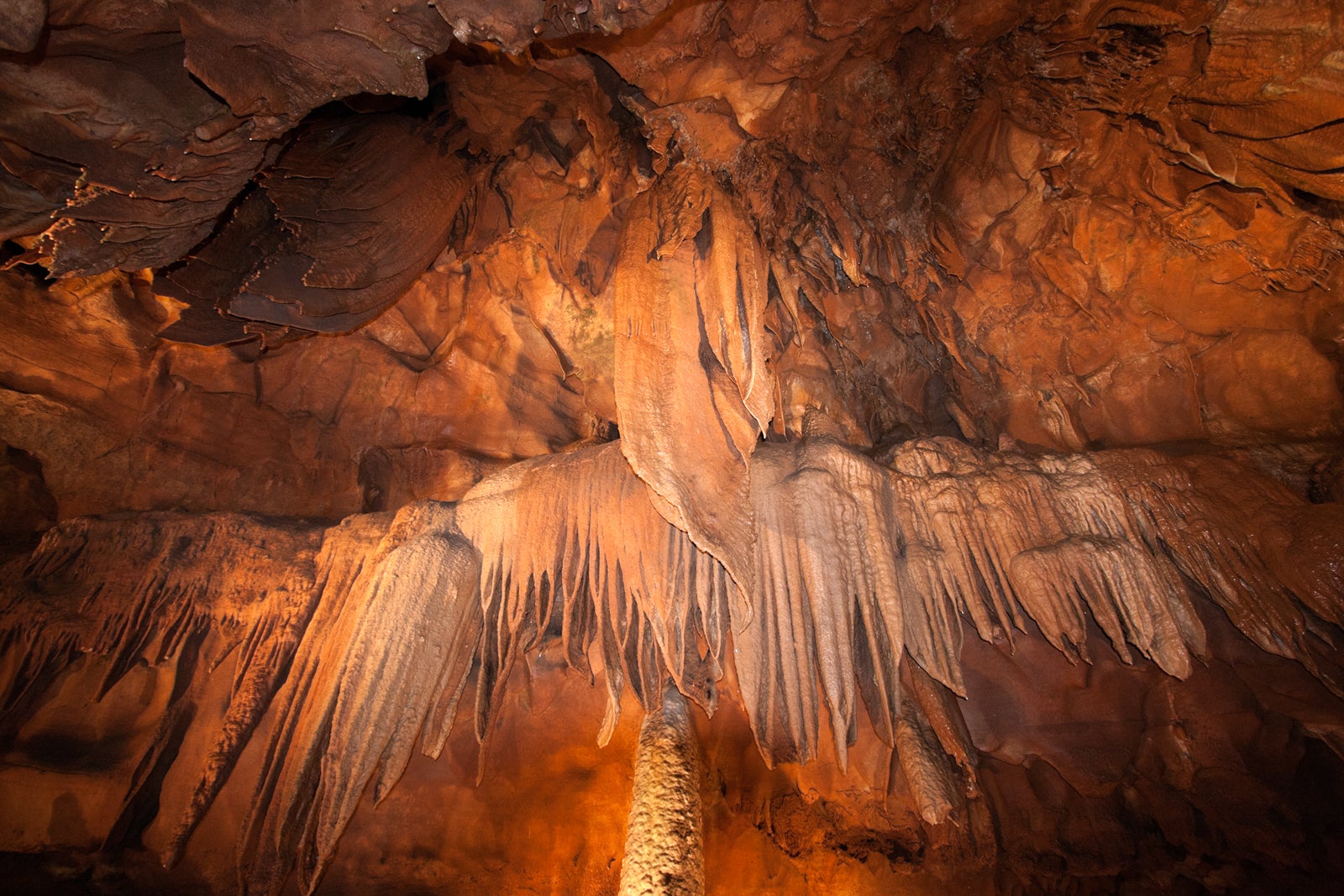
As global temperatures rise, "coolcations"—trips specifically designed to escape the heat—have become a major travel trend. Kentucky’s Mammoth Cave National Park is the world’s longest known cave system, with over 426 miles of surveyed passageways. The subterranean environment maintains a constant temperature of around 54 degrees Fahrenheit, making it a literal refuge from the summer sun.
A weekend here is highly structured, as most cave access requires a guided tour. These range from the accessible "Frozen Niagara" tour to the "Wild Cave" tour for those seeking a more strenuous, mud-caked adventure. Beyond the geology, the surface of the park offers 80 miles of hiking trails and kayaking opportunities on the Green River. The park’s location is a logistical win, situated roughly 90 minutes from Louisville Muhammad Ali International Airport (SDF). With expanded service from carriers like Breeze and Allegiant, reaching this UNESCO World Heritage site has never been more affordable.
4. Sequoia and Kings Canyon National Parks, California: The Land of Giants
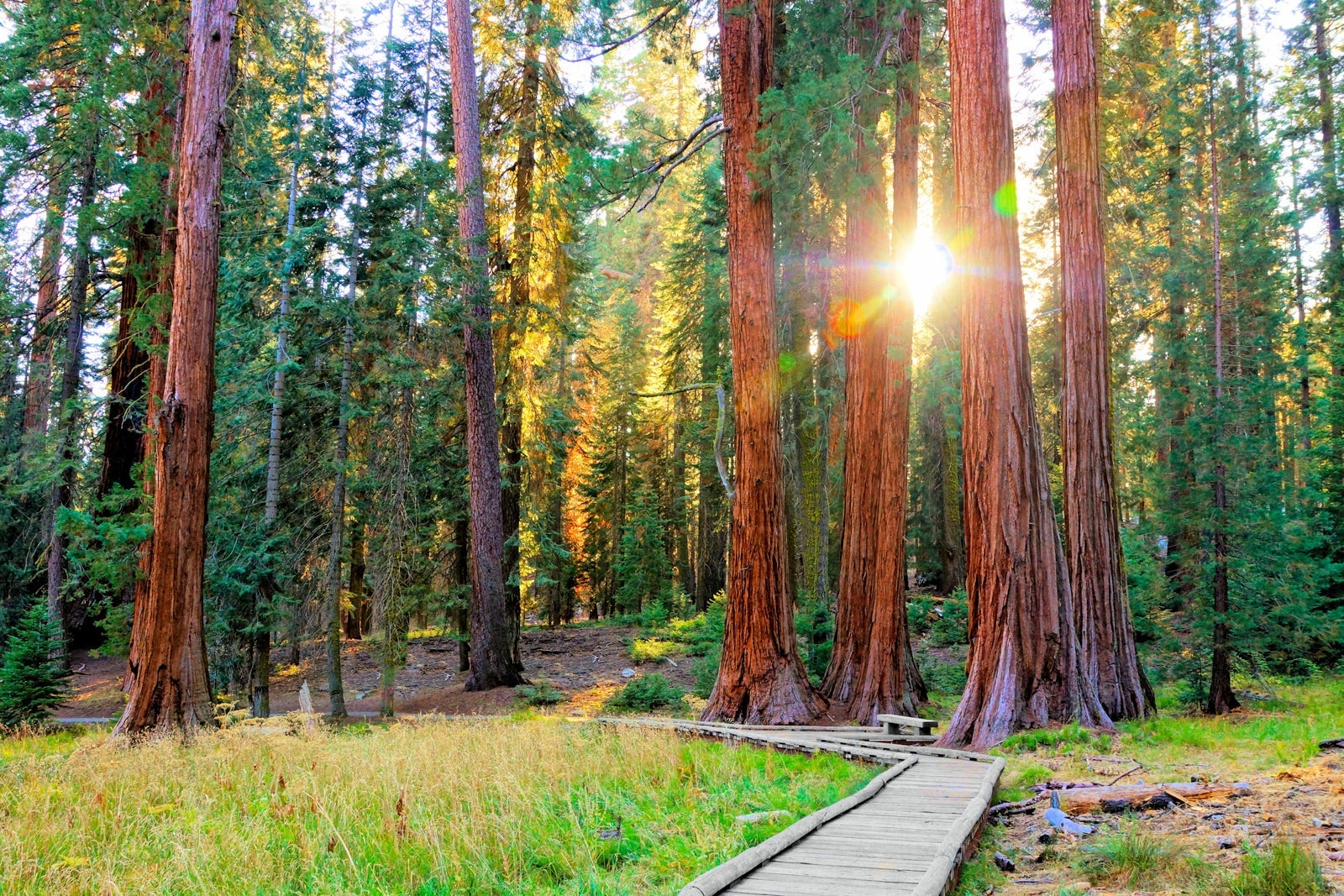
While many travelers flock to Yosemite, its neighbors to the south—Sequoia and Kings Canyon—offer equally breathtaking vistas with often fewer crowds. These "twin" parks are managed as a single unit and are home to the General Sherman Tree, the largest living organism on Earth by volume.
A weekend itinerary can comfortably cover the highlights of both. Starting at the Ash Mountain entrance of Sequoia, visitors can wind up the Generals Highway, passing through the Giant Forest. A must-see is "Tunnel Log," a fallen sequoia that was hollowed out in 1937 to allow cars to drive through. Transitioning into Kings Canyon, the landscape shifts from ancient groves to one of the deepest canyons in North America. Access is facilitated by Fresno Yosemite International Airport (FAT), which is less than 90 minutes from the park gates. This proximity allows for a full Saturday of exploration and a leisurely Sunday hike before an evening flight home.
5. Rocky Mountain National Park, Colorado: Car-Free Conservation
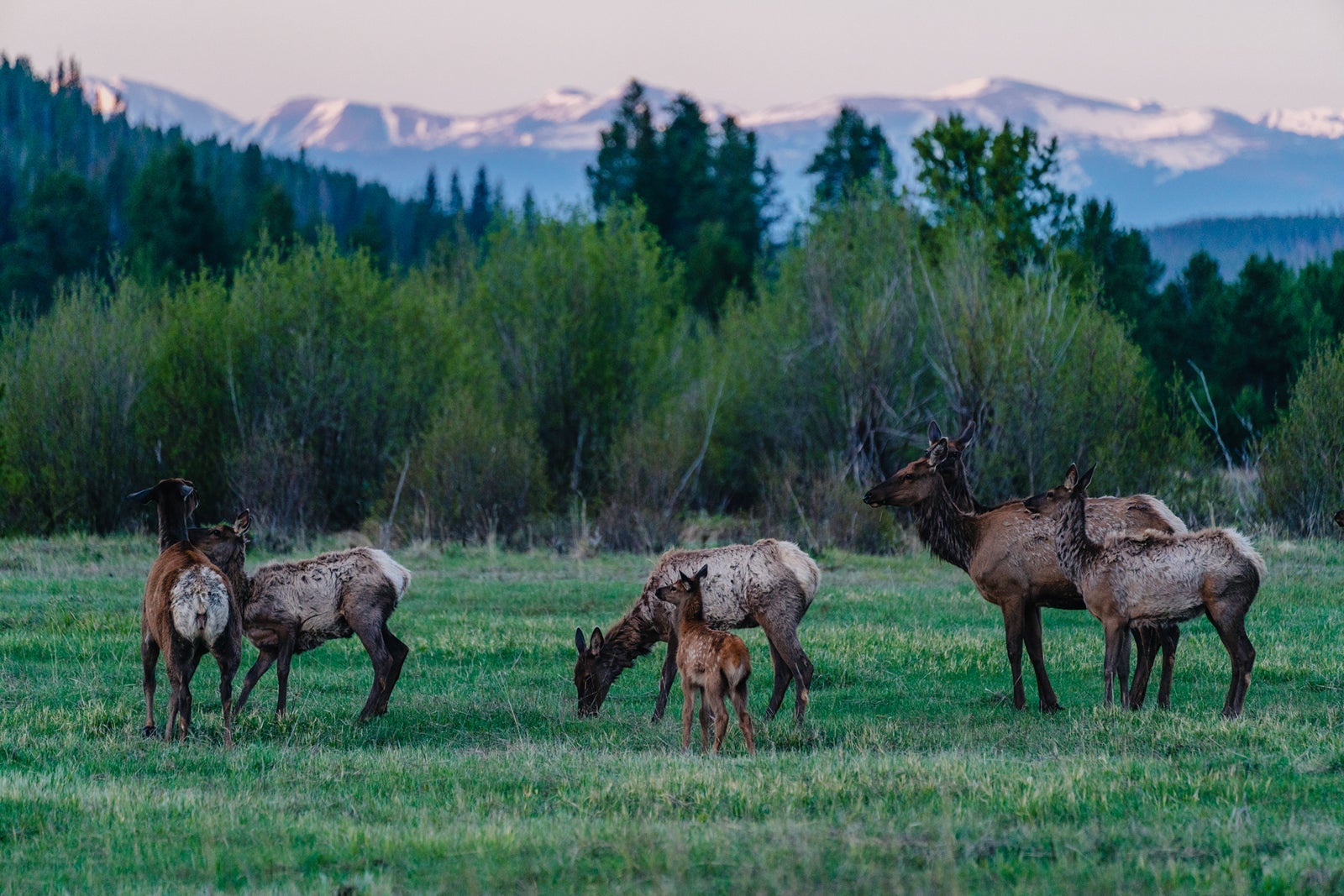
Rocky Mountain National Park (RMNP) is one of the few parks where a rental car is entirely optional, making it ideal for the environmentally conscious or budget-wary traveler. From Denver International Airport (DEN), the Estes Park Shuttle provides direct transit to the gateway town of Estes Park. Once there, the National Park Service operates a robust, free shuttle system that transports visitors to the most popular trailheads, including Bear Lake and the Glacier Gorge.
For those who do choose to drive, the Trail Ridge Road is a feat of engineering, reaching elevations of 12,183 feet and providing panoramic views of the Continental Divide. However, visitors should be aware of the park’s "Timed Entry Permit System," a data-driven approach to managing over-tourism. Planning ahead is essential, as permits for peak hours often sell out weeks in advance. The ability to move from a major international airport to a 12,000-foot peak in under three hours makes RMNP a premier candidate for a 48-hour escape.
6. North Cascades National Park, Washington: The Hidden Alpine Gem
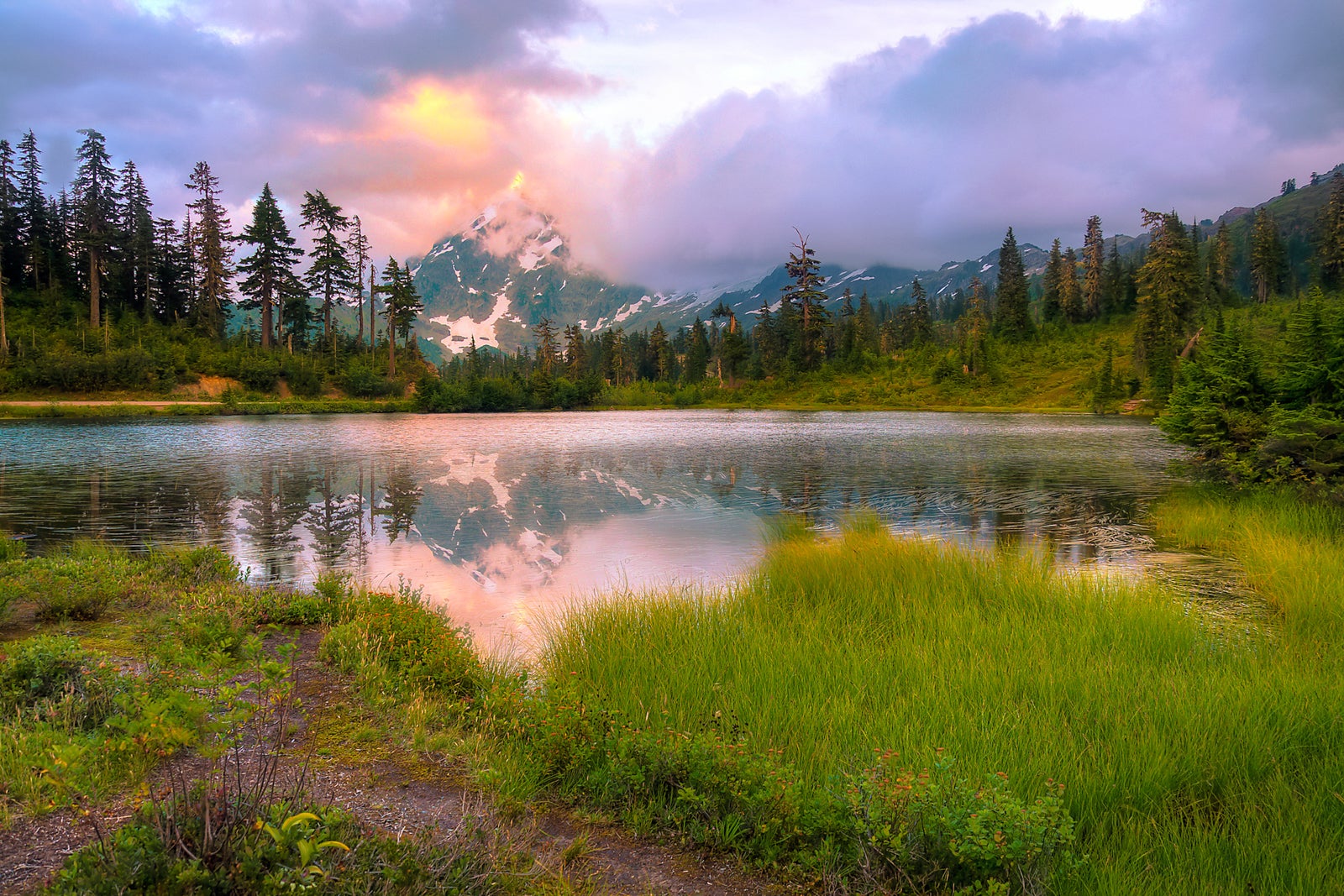
For the traveler whose goal is to "beat the crowds," North Cascades National Park is the ultimate destination. Despite being only three hours from Seattle-Tacoma International Airport (SEA), it is one of the least visited parks in the lower 48 states. In 2025, the park saw fewer than 50,000 visitors, a fraction of the millions who descended upon the nearby Olympic National Park.
Known as the "American Alps," the North Cascades feature over 300 glaciers and jagged peaks that remain snow-capped well into the summer. The North Cascades Highway (State Route 20) offers stunning overlooks, such as the turquoise waters of Diablo Lake, which gets its color from finely ground "glacial flour" suspended in the water. Because the park has limited lodging, staying in the nearby town of Marblemount or utilizing the park’s pristine campgrounds allows for an immersive, quiet weekend that feels a world away from the tech hubs of Seattle.
7. Hot Springs National Park, Arkansas: The Intersection of History and Nature
Hot Springs National Park is an anomaly within the NPS. It was the first piece of land to be set aside by the federal government for protection (in 1832, 40 years before Yellowstone), and it is located almost entirely within an urban environment. This makes it perhaps the most "accessible" park on this list for those who enjoy city amenities alongside their nature.
The park is famous for its 47 thermal springs and the historic Bathhouse Row, a collection of grand, early 20th-century buildings. Visitors can still "take the waters" at the Buckstaff or Quapaw bathhouses. For the outdoor enthusiast, the park is surrounded by the Ouachita Mountains, featuring miles of interconnected trails that offer views of the Arkansas landscape. Just an hour from Little Rock’s Bill and Hillary Clinton National Airport (LIT), Hot Springs allows for a sophisticated weekend of spa treatments, fine dining, and mountain hiking.
8. Cuyahoga Valley National Park, Ohio: Rails and Recovery
Cuyahoga Valley National Park is a testament to environmental restoration. Located between Cleveland and Akron, the park protects the winding Cuyahoga River—a river that famously caught fire in the 1960s due to industrial pollution, sparking the modern environmental movement. Today, it is a lush sanctuary of forests, waterfalls (like the stunning Brandywine Falls), and the historic Ohio & Erie Canal Towpath Trail.
What makes Cuyahoga unique for a weekend visitor is the Cuyahoga Valley Scenic Railroad. This heritage railway allows visitors to experience the park’s beauty from a vintage railcar. The "Explorer" program even allows cyclists and hikers to trek in one direction and catch the train back for a nominal fee. Located just 20 minutes from Cleveland Hopkins International Airport (CLE), the park is exceptionally easy to reach, especially with new service expansions from United and JetBlue.
9. Everglades and Biscayne National Parks, Florida: The Marine Double-Feature
South Florida offers the rare opportunity to visit two distinct national parks in a single weekend. Everglades National Park, a sprawling 1.5-million-acre wetland, is best explored via airboat or the Shark Valley tram tour, where alligators and rare bird species are common sights. Just a short drive away lies Biscayne National Park, which is 95% underwater.
Biscayne is a paradise for snorkelers and divers, protecting a portion of the third-largest offshore reef in the world. By basing themselves in Miami, travelers can spend Saturday morning airboating through the "River of Grass" in the Everglades and Sunday morning snorkeling through shipwrecks and coral gardens in Biscayne. With Miami International Airport (MIA) serving as a global hub, this "watery wonders" weekend is accessible from almost anywhere in the country.
Conclusion: Maximizing the Weekend
The success of a national park weekend getaway hinges on two factors: proximity and planning. By leveraging regional airports and utilizing the growing infrastructure of gateway towns, these nine parks prove that one does not need a two-week sabbatical to reconnect with the natural world. Whether it is the subterranean depths of Kentucky or the towering giants of California, the National Park Service offers a diverse portfolio of landscapes that are as manageable as they are magnificent. As the NPS continues to implement reservation systems and improved transit options, the "weekend warrior" is better positioned than ever to explore America’s greatest treasures.
