
 By admin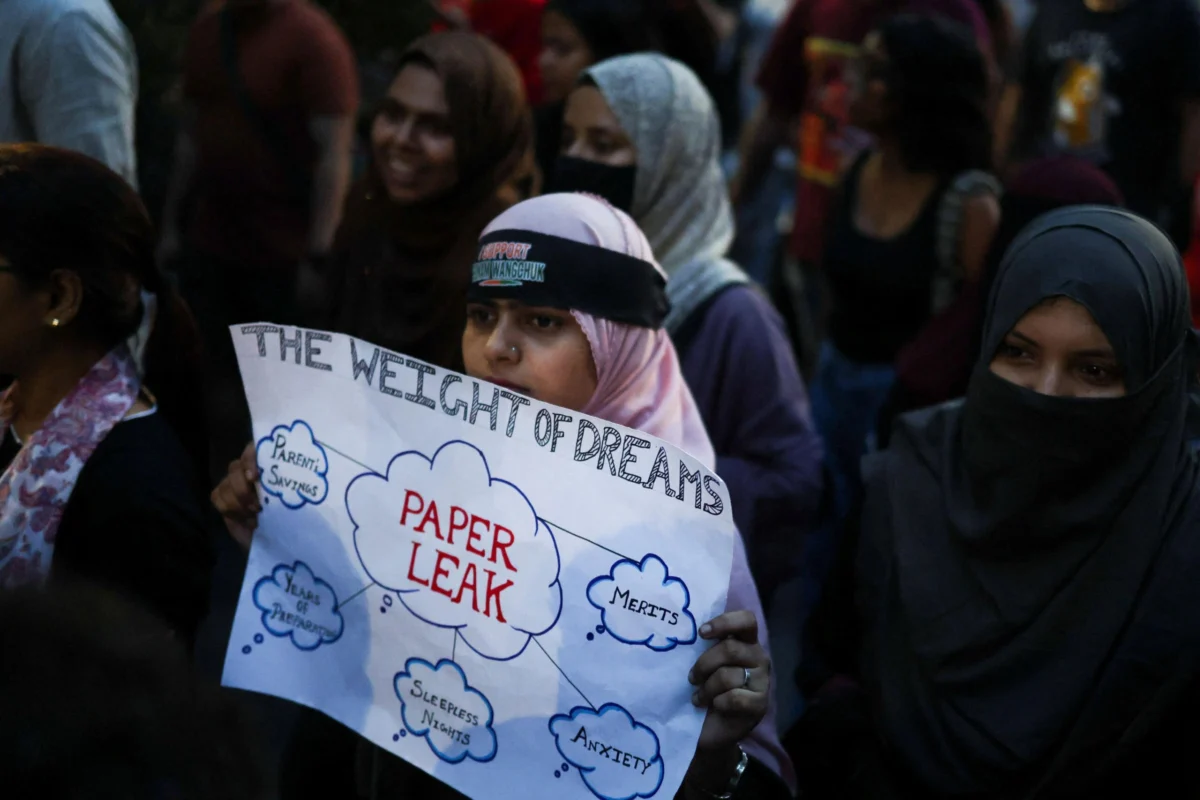
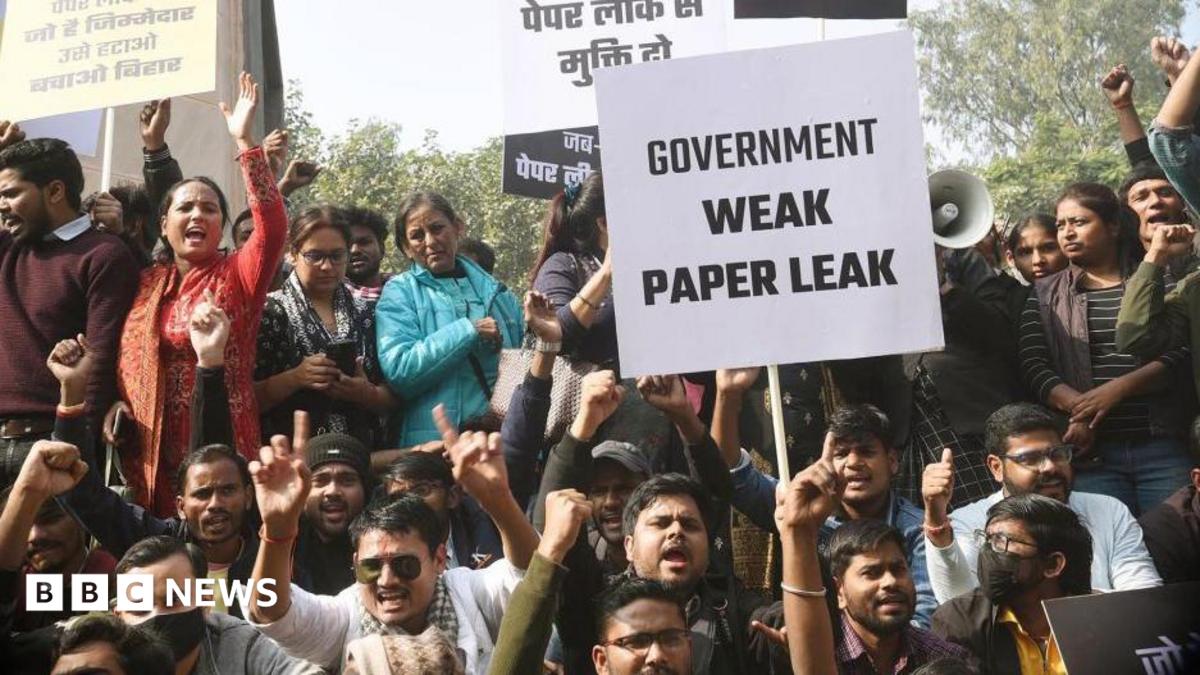
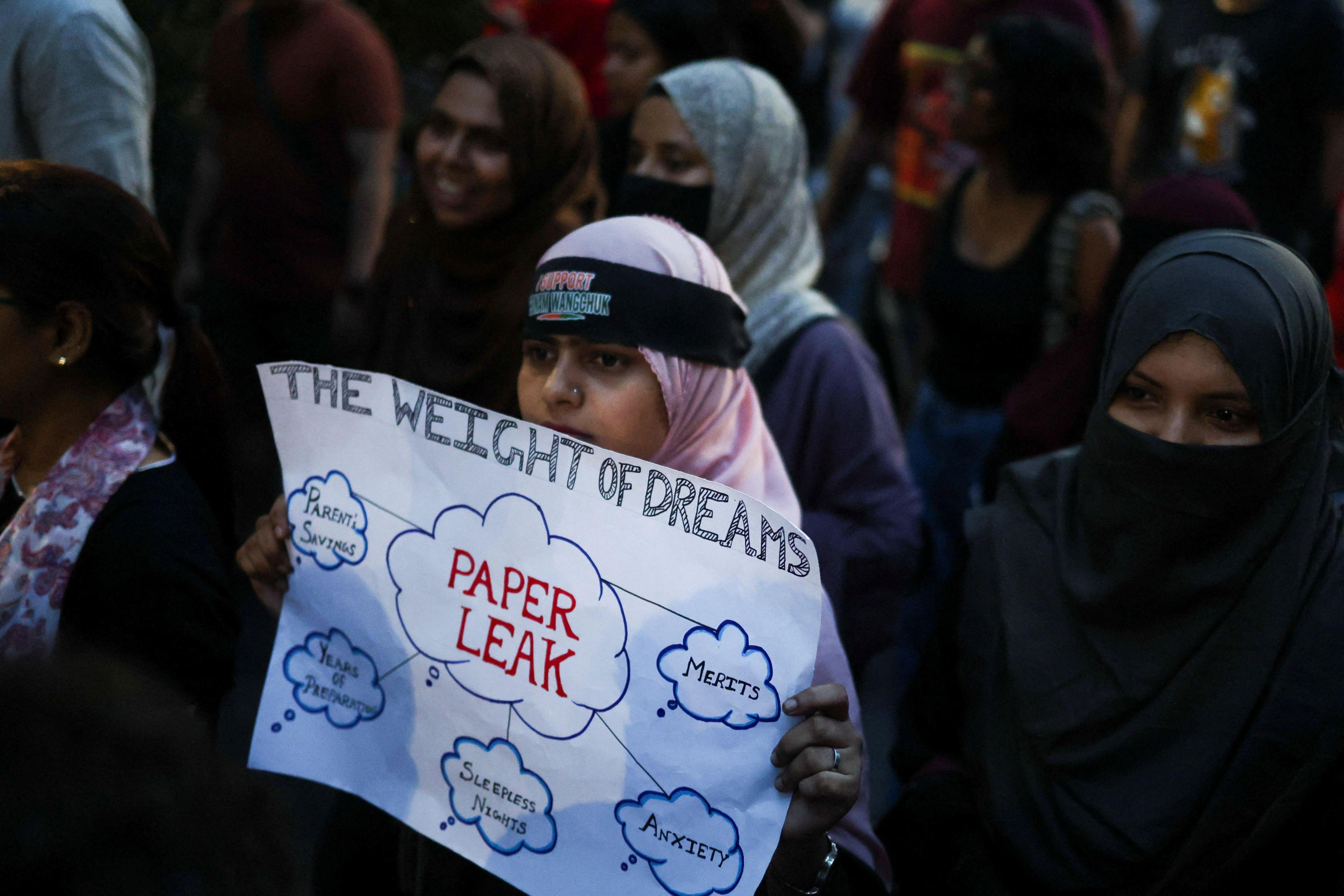
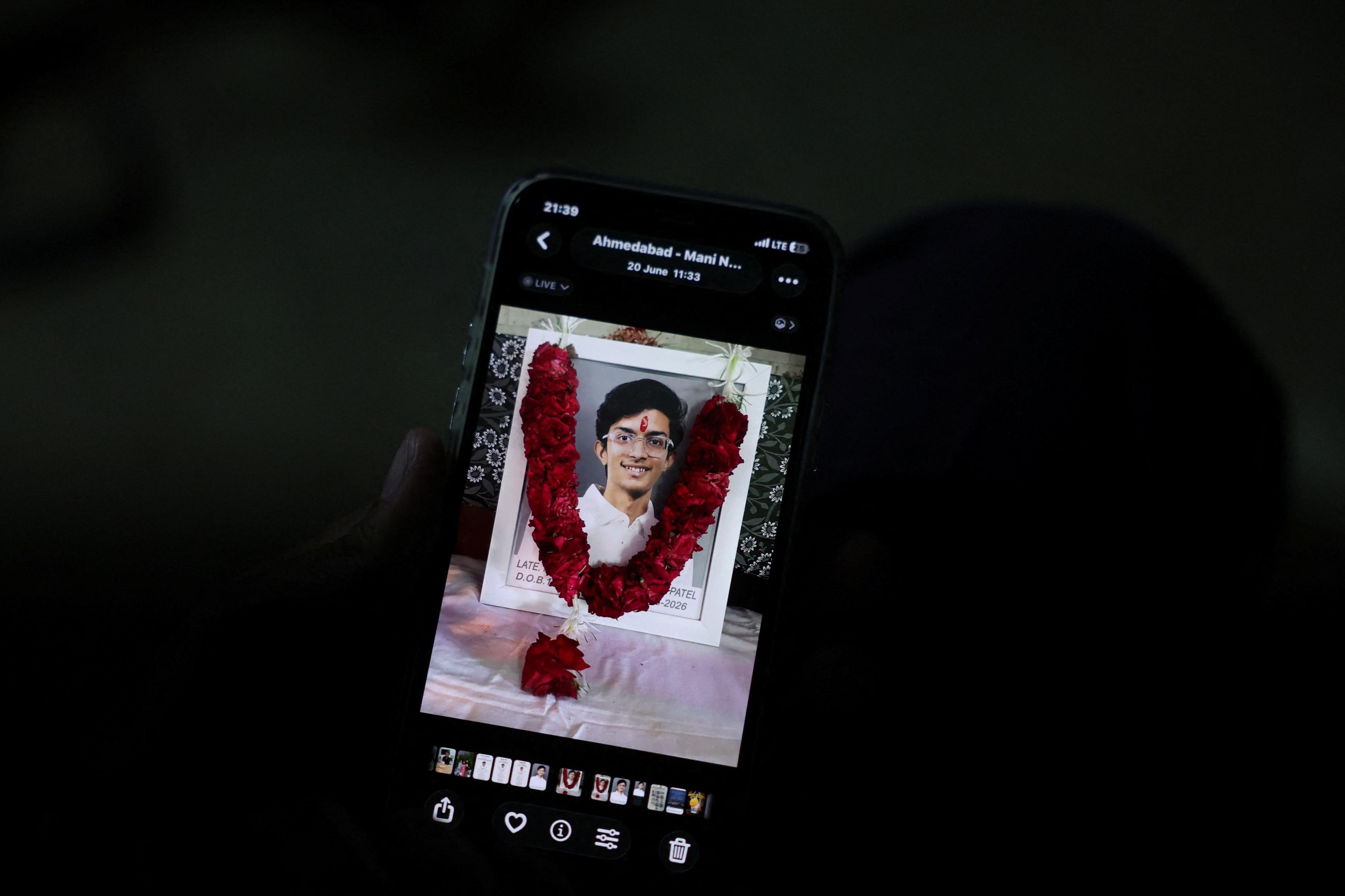
The question echoes with a newfound urgency following weeks of widespread protests that have convulsed India’s education sector. The National Eligibility cum Entrance Test (NEET) medical entrance exam, a gateway to the country’s coveted medical colleges, has become the focal point of national outrage. The sheer scale of alleged irregularities led to the resignation of Education Minister Dharmendra Pradhan, a significant political development. More tragically, the scandal has been linked to the suicides of over 20 students, with grieving families attributing their children’s deaths to the immense pressure and despair caused by the exam’s compromised integrity.
In response to this crisis, Prime Minister Narendra Modi has taken decisive action, appointing an expert task force to spearhead a comprehensive overhaul of the National Testing Agency (NTA), the body responsible for conducting these high-stakes examinations. The task force is headed by Nandan Nilekani, a luminary of India’s IT industry and co-founder of the tech giant Infosys. Prime Minister Modi has explicitly recommended a shift towards computer-based testing (CBT) as a key strategy to enhance the security of these examinations. This endorsement from the highest office signals a potential paradigm shift in how India assesses its future professionals.
However, the Supreme Court, while acknowledging the government’s proactive efforts, has sounded a note of caution. Hearing petitions related to these proposed reforms, the apex court has rightly pointed out that computer-based testing, while a significant technological advancement, may not be a panacea for the deeply entrenched problem of exam paper leaks. This judicial observation underscores the complex nature of the challenge, prompting a deeper examination of whether technology alone can rectify issues rooted in trust, governance, and systemic incentives.
The contrasting scenarios of the NEET paper leaks in 2024 and 2026 serve as a stark illustration of why a simple digitization of exams might not be the ultimate solution. The NEET exam itself is a monumental undertaking, comprising 180 compulsory questions across physics, chemistry, and biology, presented in four distinct versions to maintain fairness. The alleged leaks in these two years occurred at different junctures of the examination process, revealing distinct vulnerabilities within the system.
In 2024, the paper was reportedly leaked after the printing stage, during its transit to examination centers. The breach was allegedly confined to the period when sealed trunks were opened. Investigators indicated that the extent of the compromise was limited, involving approximately 40-50 individuals. Following a thorough review, the Supreme Court concluded that the overall integrity of the examination remained intact and consequently rejected calls for a complete re-test.
The 2026 leak, however, presented a more alarming picture, allegedly occurring even before the question papers left the NTA’s premises. Teachers within the system were accused of being involved in leaking the exam content. While officials maintained that the safeguards governing printing, transportation, and distribution held firm, the vulnerability was exposed at the very origin of the process, prior to the initiation of any secure chain of custody.
Professor V. Kamakoti, Director of the Indian Institute of Technology (IIT) Madras and a distinguished member of the task force, articulates a crucial insight derived from these two incidents. He emphasizes that the foundation of trust in any examination system rests on two critical pillars: the integrity of the teachers who meticulously craft the question papers and the vigilance of the invigilators who oversee the candidates during the examination. Any compromise in either of these roles, he posits, renders the entire system susceptible to breaches.
To bolster the security of the examination process, officials are contemplating the implementation of extensive CCTV surveillance. These live feeds are envisioned to be monitored in real-time from central control rooms. Professor Kamakoti further suggests that artificial intelligence (AI) could play a more proactive role, capable of automatically flagging suspicious interactions, such as prolonged conversations between invigilators and candidates. This would enable swift intervention by authorities, thereby mitigating potential malpractices. "At least the invigilator part we can certainly handle," he assured, highlighting the tangible improvements that can be achieved in this domain.
However, Professor Kamakoti strongly advocates for a more significant leap in security through the adoption of online examinations. He believes that computer-based testing (CBT) has the potential to dramatically enhance the security of India’s examinations. With over a decade of experience in managing large-scale computer-based assessments, he is confident that "compromising the technology would be extremely difficult."
IIT Madras, renowned for its academic excellence, already manages Swayam, the Indian government’s flagship online learning platform. This experience has provided the institution with invaluable expertise in conducting large-scale computer-based examinations. These include prestigious tests such as the Graduate Aptitude Test in Engineering (GATE) and the advanced Joint Entrance Examination (JEE), which are critical for admission to the country’s premier engineering institutions. Professor Kamakoti elaborates on the robust security protocols employed in these systems, which include "red teaming" – a strategy involving dedicated teams that continuously probe for system weaknesses – and the use of "air-gapped" networks. These networks are physically isolated from the internet, rendering them virtually impenetrable to external cyber threats. "No one can hack into that network," he asserts with conviction. Furthermore, these systems are engineered to withstand technical disruptions. In the event of a computer crash or power outage, the examination timer automatically pauses and seamlessly resumes on an alternative machine, ensuring an uninterrupted testing experience for the candidates.
Despite the technological advancements, the human element remains a persistent challenge. For Professor Kamakoti, the "root of trust" in the examination system is inextricably linked to the individuals involved. "The biggest challenge is to get trusted question setters," he states, underscoring the critical need for individuals with unimpeachable integrity to be involved in the creation of examination content.
The process of preparing a NEET question paper is an intricate and multi-faceted undertaking. The examination is administered in 13 languages, including English, making it one of the largest multilingual entrance examinations globally. This requires the collaboration of a diverse team of subject matter experts, skilled translators, meticulous reviewers, and experienced moderators. Professor Kamakoti estimates that approximately 50 individuals may be involved in the entire paper-setting process. "If even one person in that entire set is compromised, we are gone," he warns, highlighting the extreme vulnerability inherent in such a large human chain. Computer-based testing, by eliminating the need for the printing, transportation, and secure storage of millions of physical question papers, effectively removes a significant point of vulnerability.
The question then arises: why has NEET, despite its recurring paper leak issues, predominantly remained a paper-based examination? Professor Kamakoti explains that NEET is currently conducted in a single session for all candidates simultaneously. This format is crucial for ensuring fairness and comparability across the vast number of participants. The current technological infrastructure in India, he notes, can accommodate only about 300,000 candidates in a single computer-based testing session. This capacity falls far short of NEET’s staggering 2.2 million test-takers. Consequently, a transition to CBT would necessitate either a massive expansion of testing infrastructure or the adoption of a multi-session examination format, both of which present significant logistical and financial hurdles.
However, not all experts share the view that a digital transition alone will resolve the deep-seated issues. Dr. Debananda Misra, associated with the School of Public Policy at IIT Delhi, concurs that CBT can indeed substantially reduce the opportunities for paper leaks. Yet, he cautions that the current discourse risks becoming excessively fixated on technology. "CBT is not a silver bullet," he emphasizes, suggesting that while it can enhance exam security and operational efficiency, it does not address the underlying incentives that fuel malpractice.
These incentives are indeed formidable, driven by the immense stakes associated with NEET. Nearly two million students aspire to secure a seat in India’s medical colleges each year, with more than half achieving the qualifying marks. However, the number of seats in heavily subsidized government medical colleges, where the entire medical degree can cost less than ₹30,000 (approximately $313; £235), accounts for fewer than 6% of the qualified candidates, or less than 3% of all exam-takers. Students who do not secure admission to these government institutions often face the daunting prospect of exorbitant fees at private medical colleges, which can range from tens to hundreds of thousands of rupees.
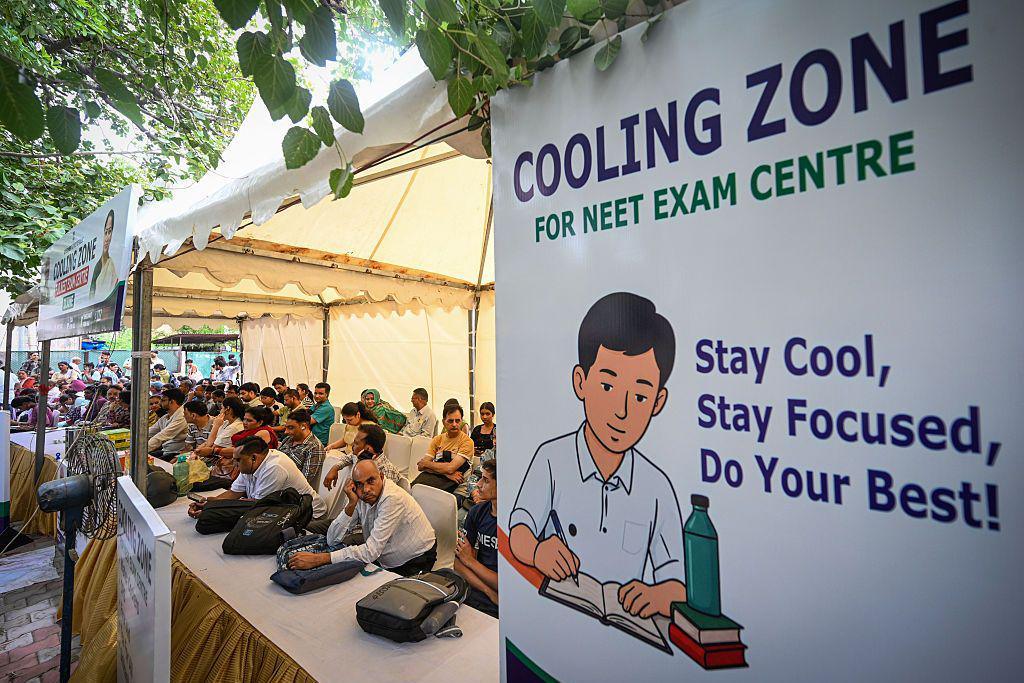
This stark disparity in access and cost has, according to investigators, fueled increasingly sophisticated paper-leak rackets. These operations often involve intricate networks connecting teachers, middlemen, and exam-center staff. While computer-based testing can effectively neutralize some of these vulnerabilities, it simultaneously introduces new potential points of failure. Dr. Misra points out that even minor technical glitches can have a disproportionate impact on candidates, disrupting their concentration and affecting their performance in ways that are difficult to quantify. "A non-functional mouse is not just about pausing the timer," he argues. "It is also about disruption to concentration."
Furthermore, Dr. Misra raises concerns about equity in the context of CBT. He posits that success in computer-based tests increasingly depends not only on subject knowledge but also on digital literacy and familiarity with simulated testing environments. These advantages, he notes, are not uniformly distributed and tend to favor students from privileged backgrounds or those attending expensive coaching institutes, potentially disadvantaging students from less-resourced schools.
On a more fundamental level, Dr. Misra argues that India’s examination system places an undue emphasis on a single, high-stakes test. "As long as a single test determines access to scarce opportunities, there will be strong incentives for exam malpractice, regardless of the testing format," he asserts. He advocates for a multi-pronged approach to reform, emphasizing the need for stronger governance within examination agencies. This includes implementing tighter procedures, conducting regular audits, ensuring greater accountability, and enforcing stricter penalties for malpractices. He also suggests the adoption of multiple equivalent question papers allocated randomly, or the development of localized papers, to mitigate the impact of a leak in one specific location on the entire national examination.
Looking towards the future, Dr. Misra believes that India should gradually reduce its reliance on "single, high-stakes entrance tests." This could be achieved by creating multiple avenues for assessment and by developing broader pathways into higher education. "If the purpose is to generate a ranked list and match students to institutions," he concludes, "perhaps we should also think about creating greater diversity on both sides."
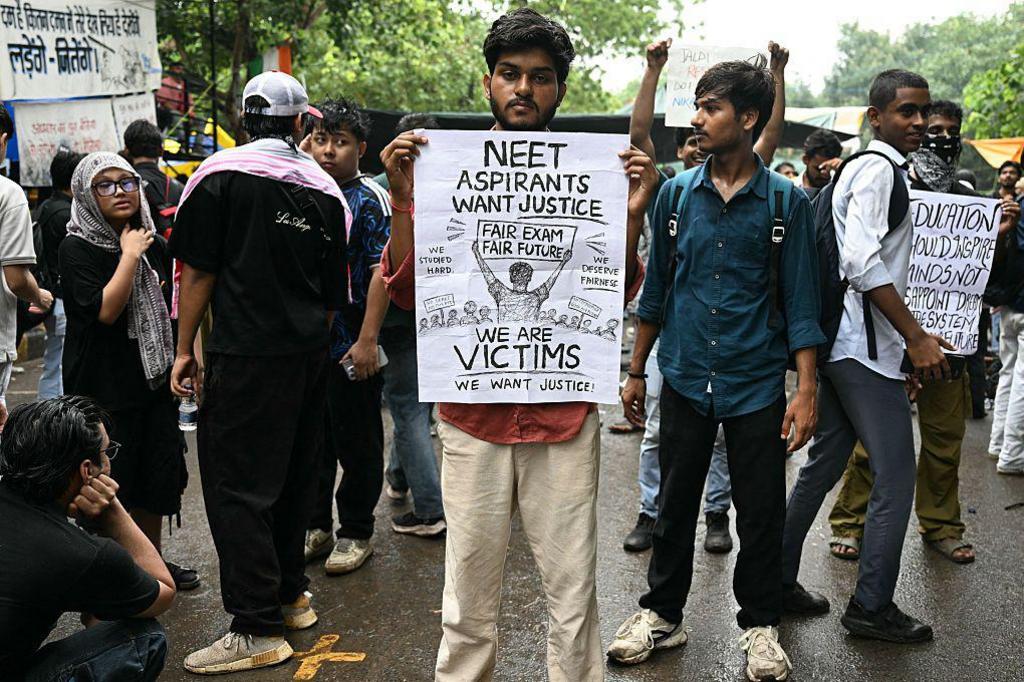
Prime Minister Modi has consistently voiced his commitment to eradicating exam fraud. Since 2023, he has repeatedly vowed to dismantle the "paper-leak mafia," asserting that those who "play with the future of young people will not be spared" and emphasizing that the government is operating on a "war footing" to combat these leaks. Following the 2024 paper leak, his administration commissioned a high-level committee, led by the former chief of the Indian Space Research Organisation (ISRO), to conduct a thorough review of India’s examination system. This committee produced the most comprehensive set of recommendations to date. However, reports indicate that only about 57% of its over 100 recommendations have been implemented, and paper leaks continue to plague various examinations.
The urgency of implementing these reforms cannot be overstated. India’s annual entrance exam season, encompassing admissions to engineering, medical, university, and postgraduate programs, commences in December and extends through May or June. Professor Kamakoti stresses that any significant changes to the system must be finalized within the next one to two months to be effectively in place for the upcoming examination cycle.
Ultimately, the success of the task force will not be measured solely by the number of examinations that transition to online platforms. Its true legacy will be determined by its ability to restore faith in the fairness and integrity of the examination system, ensuring that students can once again approach these critical junctures with confidence and without the shadow of corruption.
