
 By admin
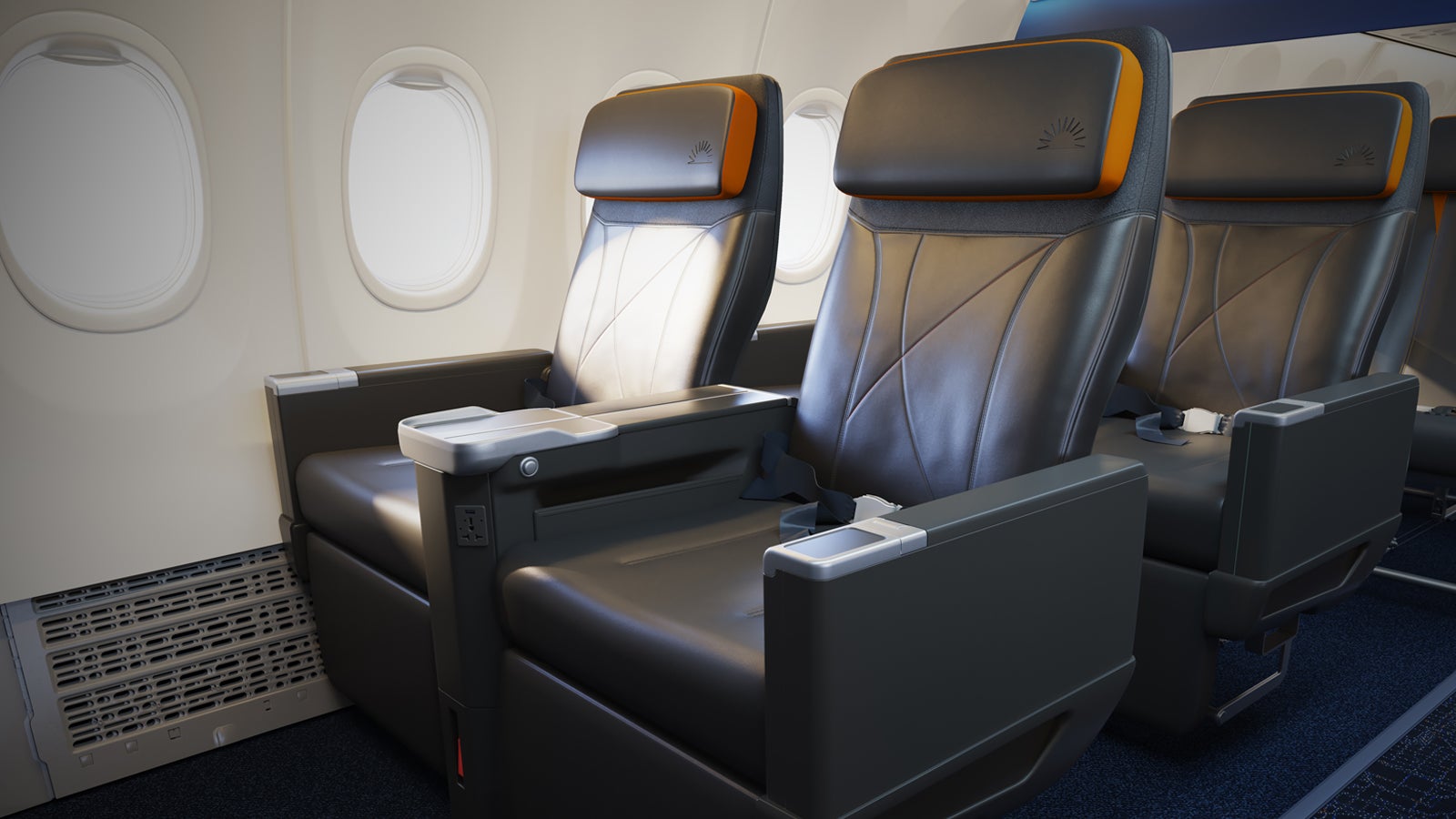
The new offering, branded as "Allegiant First," is designed to provide a significant step up in comfort for travelers willing to pay a premium for a more refined experience. According to the airline, the first-class section will be phased onto select aircraft beginning in 2027, with the initial seats expected to become available for booking as early as next spring for travel later in the decade. The hardware for the new cabin aligns with standard domestic first-class expectations: passengers can look forward to spacious recliner seats arranged in a two-by-two configuration. These seats will feature dedicated calf rests, integrated cocktail trays, and expanded storage compartments for personal items. By limiting the cabin to the first two rows of the aircraft, Allegiant will offer an intimate environment consisting of just eight seats per plane, ensuring a sense of exclusivity that has historically been absent from the budget flying experience.
This evolution is not merely about physical hardware; it represents a cultural shift for Allegiant. For years, the carrier’s business model was predicated on "unbundling"—the practice of offering a rock-bottom base fare and charging for every conceivable extra, from carry-on bags to printed boarding passes. Its unique route network, which focuses on connecting underserved small-to-mid-sized cities like Rockford, Illinois, or Appleton, Wisconsin, directly to vacation hotspots like Orlando and Las Vegas, allowed it to operate with little direct competition. However, as consumer preferences evolve in a post-pandemic landscape, the "pure" ultra-low-cost carrier (ULCC) model is facing unprecedented pressure.
"This is about giving customers more ways to travel with us," said Drew Wells, Allegiant’s Chief Commercial Officer, during the announcement. "Travelers are increasingly looking for more comfort, more personalization, and more flexibility, and these new offerings are a meaningful step forward in delivering that." Wells’ comments echo a sentiment felt across the executive suites of the airline industry: the modern traveler is no longer just looking for the cheapest seat; they are looking for value, which often includes the ability to upgrade their environment.
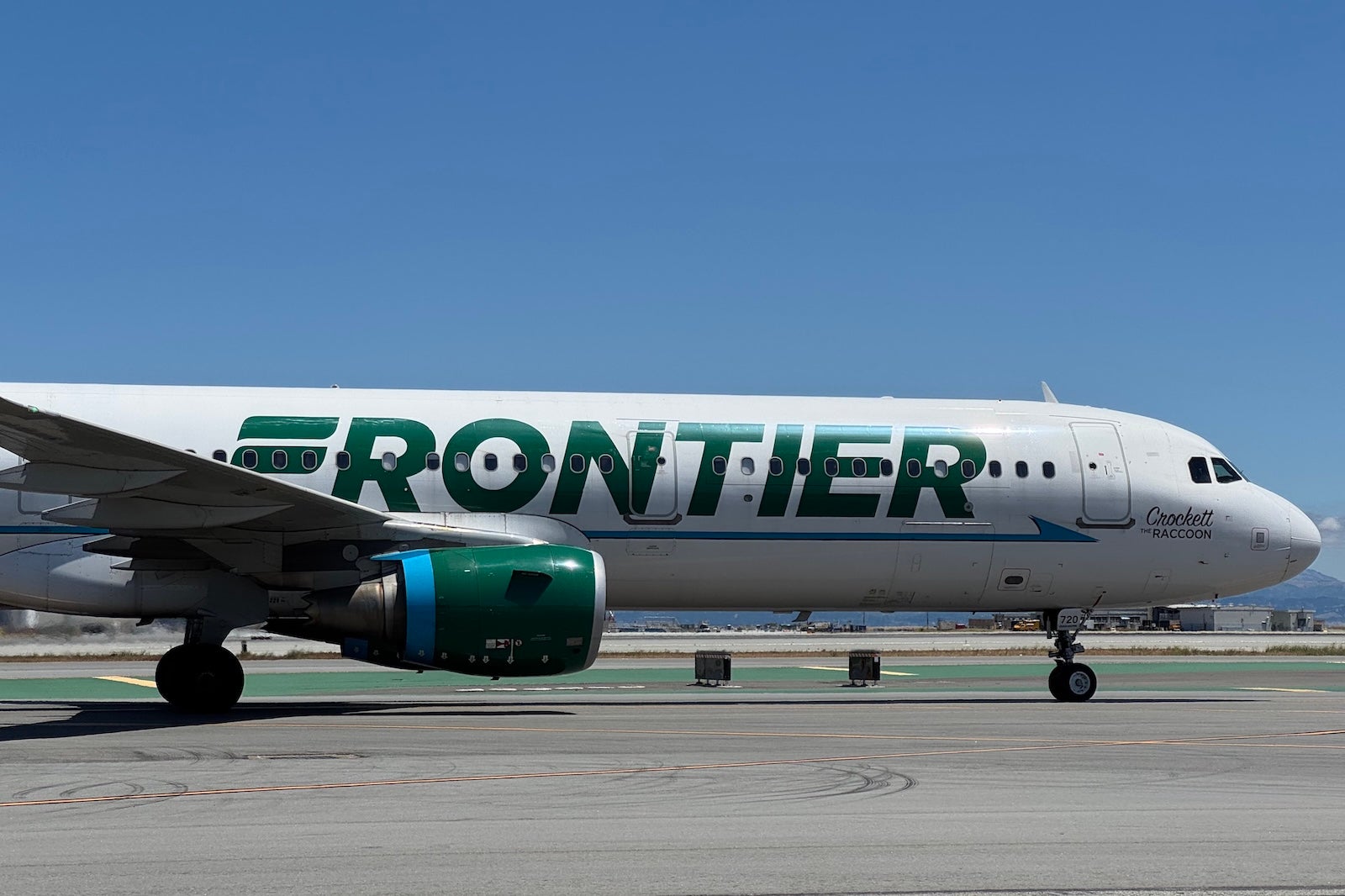
The timing of Allegiant’s move is particularly noteworthy as it follows a series of similar announcements from its competitors. Frontier Airlines recently introduced "UpFront Plus," a seating option that guarantees a blocked middle seat and extra legroom in the first two rows. JetBlue, which already disrupted the transcontinental market with its Mint business class, is now expanding its premium offerings to domestic routes. Even Southwest Airlines, the original low-cost disruptor, has recently signaled a massive shift by announcing the end of its iconic open-seating policy and the introduction of extra-legroom seats. Allegiant’s entry into the premium space confirms that the "premiumization" of the airline industry is no longer a luxury reserved for legacy carriers like Delta or United; it is the new battleground for survival among budget players.
Beyond the introduction of the first-class cabin, Allegiant is also addressing one of the most common complaints regarding the budget airline experience: the lack of complimentary refreshments. In a move that will likely be welcomed by its frequent flyers, the airline announced that beginning August 1, it will no longer charge for soft drinks, sodas, juices, or water. While standard on legacy carriers, this is a rare amenity in the ULCC world. Furthermore, the airline is rewarding its loyalists by offering holders of the Allegiant World Mastercard additional complimentary beverage options, including alcoholic drinks, premium coffee, protein shakes, and sports drinks. This "deal-sweetener" is clearly intended to soften the brand’s reputation for "nickel-and-diming" and to build deeper loyalty among its core customer base.
The decision to move toward a multi-class cabin was not made overnight. Allegiant’s CEO, Greg Anderson, had previously hinted at such a move, acknowledging in mid-2023 that the company was "studying" premium options. At the time, Anderson suggested that the carrier’s "Allegiant Extra" product—which offers up to six inches of additional legroom and a complimentary drink—had been a resounding success, proving that Allegiant’s customer base had an appetite for tiered pricing and enhanced comfort. The decision to go a step further and install actual first-class recliners suggests that the data from Allegiant Extra was overwhelmingly positive, indicating that the revenue potential of a premium cabin outweighs the costs of a more complex cabin configuration.
The strategic landscape for Allegiant has also changed due to recent corporate maneuvers. The airline recently grew its footprint significantly by acquiring its former rival, Sun Country Airlines. This acquisition not only increased Allegiant’s fleet size and market share but also brought in a workforce and operational structure that was already accustomed to a slightly more diversified service model. Integrating Sun Country’s strengths has likely given Allegiant the operational confidence to pursue a more sophisticated product offering.
From an economic perspective, the shift toward first class is a logical response to the rising costs of labor and fuel. In an environment where operating costs are soaring, relying solely on high-volume, low-margin base fares is a risky strategy. Premium seats occupy more floor space, but they command significantly higher margins. For an airline like Allegiant, which often operates on thin margins, the ability to sell eight high-priced seats per flight could provide a vital cushion for overall profitability. Furthermore, it allows the airline to capture "bleisure" travelers—individuals who may be traveling for leisure but have the disposable income or corporate backing to prefer a premium experience.
The implementation of "Allegiant First" will coincide with the airline’s ongoing fleet renewal. Allegiant is currently in the process of integrating Boeing 737 MAX aircraft into its fleet, a significant shift from its historical reliance on used Airbus A320-family planes. These new, fuel-efficient Boeings provide the perfect canvas for a redesigned interior. By installing the first-class seats during the delivery or heavy maintenance cycles of these aircraft, Allegiant can minimize the downtime required for the retrofit.
However, the move is not without risks. One of the primary advantages of the ULCC model is its simplicity. Maintaining a uniform cabin allows for easier crew scheduling, standardized cleaning procedures, and simpler booking systems. By introducing a second class of service, Allegiant increases its operational complexity. It must now manage separate catering requirements for the front of the plane, handle the logistics of priority boarding, and ensure that its customer service teams are equipped to handle the higher expectations of first-class passengers. If the "soft product"—the service, food, and amenities—does not live up to the "hard product" of the seat itself, the airline risks alienating the very high-value customers it seeks to attract.
As Allegiant prepares to put tickets for "Allegiant First" on sale in mid-August, the industry will be watching closely. The success or failure of this initiative will likely determine the future trajectory of the low-cost market in the United States. If Allegiant can successfully bridge the gap between "budget" and "premium," it may create a new category of "Value-Premium" travel that appeals to a vast segment of the American public that is tired of the legacy carrier price tags but equally tired of the cramped conditions of traditional budget flying.
In the long term, Allegiant’s transformation is part of a broader evolution of the "Allways" loyalty program. The airline has teased major upgrades to the program, aiming to create a more integrated ecosystem where flights, hotel stays (including those at its Sunseeker Resort in Florida), and premium on-board experiences all feed into a single value proposition for the traveler. By 2027, the Allegiant experience will likely look unrecognizable to those who flew the carrier in its early days. What began as a scrappy airline with a handful of used planes has matured into a sophisticated travel company that understands a fundamental truth of modern aviation: in the race for the consumer’s wallet, comfort is just as important as the destination.
