
 By admin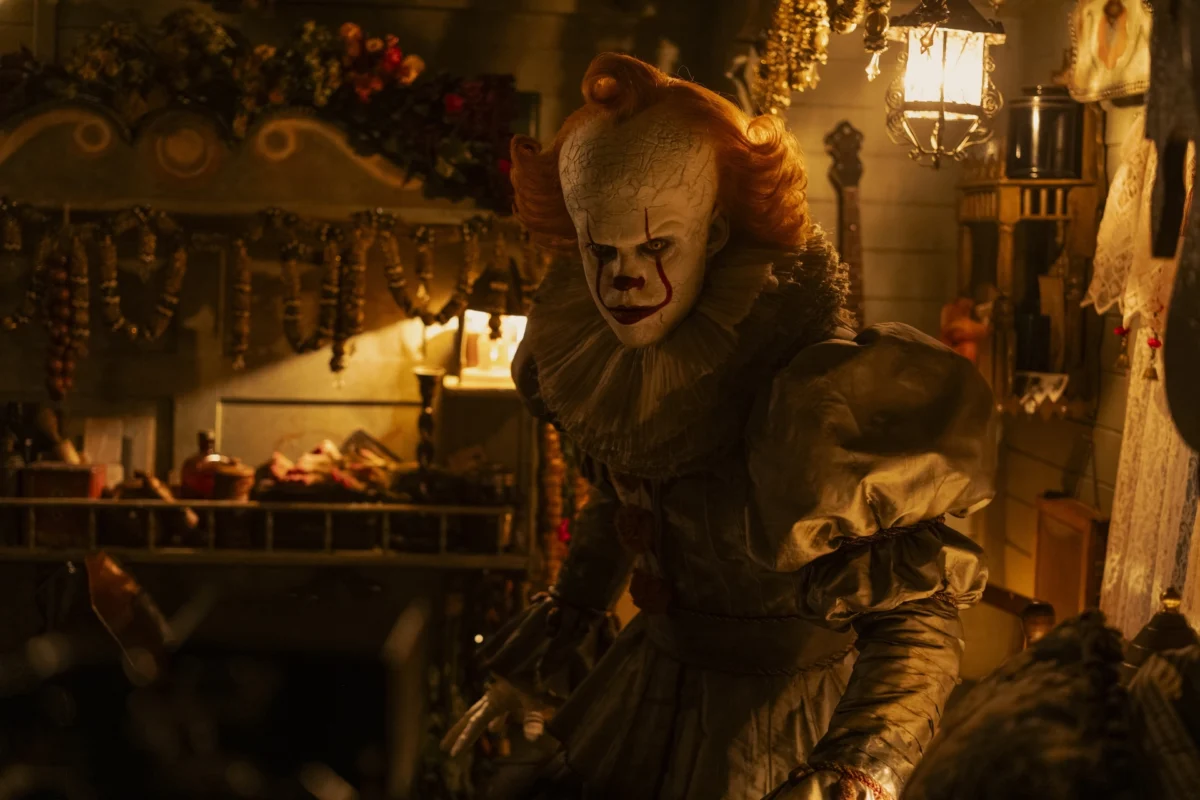
As the chilling anticipation for the next chapter in Pennywise’s malevolent reign intensifies, "It: Welcome to Derry" co-creator Andy Muschietti has offered a tantalizing glimpse into the upcoming second season. Currently deep within the creative crucible of the writers’ room, Muschietti confirms that the new installment will transport audiences back to the bleak and desperate year of 1935. This pivotal era will serve as the backdrop for a storyline directly inspired by one of the most harrowing interludes within Stephen King’s seminal novel, "It" – the infamous Bradley Gang Massacre.
The decision to explore this specific historical event is a strategic move to deepen the lore of Derry and its enduring connection to the monstrous entity. In King’s original narrative, the Bradley Gang, a notorious group of outlaws, sought refuge in the unsuspecting town of Derry while evading the relentless pursuit of the FBI. Their presence, however, was far from peaceful. The gang’s reign of terror was marked by a brutal spree of robberies and murders, leaving a trail of destruction and widespread chaos that plunged the already struggling town into deeper despair. This 1935 period unfolds a stark 27 years prior to the events of the first season of "It: Welcome to Derry," which itself delved into the unsettling mystery of a young boy’s disappearance amidst the paranoia and clandestine operations of the Cold War.
Muschietti elaborates on the profound impact this historical context will have on the characters and the overall atmosphere of Season 2. "There’s gonna be a lot of that depression-era hustling in the air in our characters," he states, painting a vivid picture of a populace struggling for survival. "Everybody’s trying to get by and survive the circumstances. They are gonna do crazy things." This sentiment underscores the desperate measures individuals would resort to when faced with widespread economic hardship and social upheaval. The era’s inherent desperation will be a driving force, shaping the choices and actions of the residents of Derry.
Beyond the immediate economic struggles, Muschietti emphasizes that the series will not shy away from the broader societal ills of the period. "And of course, the social, cultural, horrible things that were happening in the era, too. We’re not going to skip those. [They are the] very center and the heart of our story." This commitment to historical accuracy and thematic depth suggests that Season 2 will explore the prejudices, injustices, and systemic failures that characterized the 1930s, providing a fertile ground for Pennywise’s insidious influence to fester and exploit. The Depression era was a time of immense social stratification and widespread fear, making its inhabitants particularly vulnerable to the psychological manipulations of a creature like Pennywise. The desperation for survival could easily morph into a willingness to overlook darker truths, or to become complicit in unspeakable acts.
The aesthetic and thematic departure from the familiar suburban landscape of the "It" films is a deliberate choice to further immerse viewers in the harsh realities of Derry’s past. While fans have come to associate the franchise with the unsettling juxtaposition of idyllic suburban settings and the lurking horror beneath, Season 2 promises a starkly different visual and emotional experience. "In this case, on the surface, Derry is a graveyard almost," Muschietti describes, his words conjuring images of decay and desolation. "It’s a carcass of something because people are depleted, poor, tired, jobless, homeless." This bleak depiction stands in stark contrast to the often-privileged lives of the Losers’ Club in later timelines.
The children of this era, the potential new generation of victims or perhaps even unlikely heroes, will not experience the comforts of a typical suburban upbringing. Muschietti continues, "The kids don’t have a suburban, comforting life. They’re in a very different situation. Some of them are orphans or runaways, and so the environment is pretty bleak." This presents a compelling narrative opportunity, as these marginalized and vulnerable children may be more susceptible to Pennywise’s temptations and manipulations, but also potentially possess a resilience forged by hardship. Their struggle for survival might inadvertently pit them against the ancient evil in ways that differ from their predecessors.
However, even amidst this pervasive bleakness, Muschietti assures that the flicker of hope, a recurring theme in King’s work, will remain. "But there’s always the aspect of hope that is always there, burning, and it’s what keeps our new group going." This inherent human drive to persevere against overwhelming odds will likely be the central pillar of the narrative, providing a much-needed counterpoint to the pervasive darkness. The resilience of the human spirit, even in the face of unimaginable terror and societal collapse, is often the most potent weapon against malevolent forces.
The decision to venture back another 27 years, placing Season 2 in 1935, grants Muschietti and his accomplished creative team, including co-creators Barbara Muschietti and Jason Fuchs, a significantly broader canvas. The 1930s interlude in King’s novel, while impactful, occupies a relatively small portion of the sprawling narrative. By dedicating an entire season to this period, the creators can explore its nuances and characters with greater depth and complexity. This allows for the development of storylines and character arcs that might have been constrained by the original novel’s pacing.
Crucially, the narrative continuity and thematic resonance across the different timelines will be maintained through a central connective tissue: the enduring "family bloodline" of Derry. Muschietti explains, "There will always be the connection, there’s a family tree that appears." This genealogical link is a clever narrative device that not only ties the disparate eras together but also emphasizes the cyclical nature of Pennywise’s terror and the inherited burdens of the town’s inhabitants. The concept of a family tree suggests that the characters in different seasons might be descendants of those who suffered or fought against Pennywise in earlier times, creating a sense of generational trauma and ongoing struggle. This could also introduce new plotlines involving inherited curses or legacies of courage passed down through bloodlines.
Muschietti’s journey into the terrifying world of Derry and Pennywise began with the critically acclaimed 2017 film "It" and its 2019 sequel, "It: Chapter Two." He has previously expressed his ambitious vision for "Welcome to Derry," outlining a three-season plan designed to meticulously explore key periods in the town’s history: 1962, 1935, and 1908. This phased approach allows for a deep dive into the specific socio-cultural landscapes of each era, revealing how Pennywise’s influence has manifested and adapted over time. Muschietti’s fascination with King’s interludes, those often-overlooked segments that provide glimpses into Derry’s past, has been a driving force behind the series’ direction. "I realized there was a hidden story there, and that Stephen King was leaving crumbs that could guide us somewhere," he reveals. "It’s a story told backwards." This "backwards" storytelling approach, starting with more recent events and progressively delving into the past, creates a unique narrative structure that builds suspense and allows for the gradual unveiling of Pennywise’s ancient origins and motivations.
Beyond his deep engagement with the "It" universe, the prolific horror director and screenwriter continues to harbor aspirations of adapting other iconic Stephen King stories. While specific details remain under wraps due to the ongoing nature of some of these projects, Muschietti openly expresses his enduring admiration for King’s vast literary output. One particular work that has left an indelible mark on him is "The Jaunt," a chilling short story featured in King’s "Skeleton Crew" collection. "One that I did touch that’s not a current project, but I would love to go back to at some point is ‘The Jaunt,’ which is a short story that blew my mind when I read it," Muschietti confesses. "I was 14 or something. It just completely shattered me." The profound impact of "The Jaunt," a tale exploring the terrifying consequences of instantaneous teleportation, speaks to Muschietti’s keen interest in King’s more existential and psychologically unsettling narratives. This suggests a future beyond Derry, where his directorial prowess might be unleashed upon other cornerstones of the King bibliography.
For fans eager to immerse themselves in the chilling beginnings of Pennywise’s terror, "It: Welcome to Derry" Season 1 is currently available for streaming on HBO Max, offering a foundational narrative that sets the stage for the dark and compelling journey into the heart of depression-era Derry that awaits in Season 2. The expansion of the "It" universe into a serialized television format allows for a more nuanced and detailed exploration of the town’s dark history, its inhabitants’ enduring struggles, and the multifaceted nature of Pennywise’s malevolence. The chosen historical periods are not merely backdrops but integral elements that shape the characters’ motivations, the societal anxieties Pennywise exploits, and the unique forms of horror that manifest. The series’ commitment to these historical details, coupled with its exploration of the human condition under duress, promises a richly layered and terrifying viewing experience that will undoubtedly satisfy the most ardent fans of Stephen King’s terrifying creation. The success of the previous films and the initial season of "Welcome to Derry" has created a significant audience eager for more, and the creative team’s dedication to crafting a compelling and historically grounded narrative suggests that Season 2 will deliver on that anticipation with a potent blend of historical drama and supernatural horror.
