
 By Rifan Muazin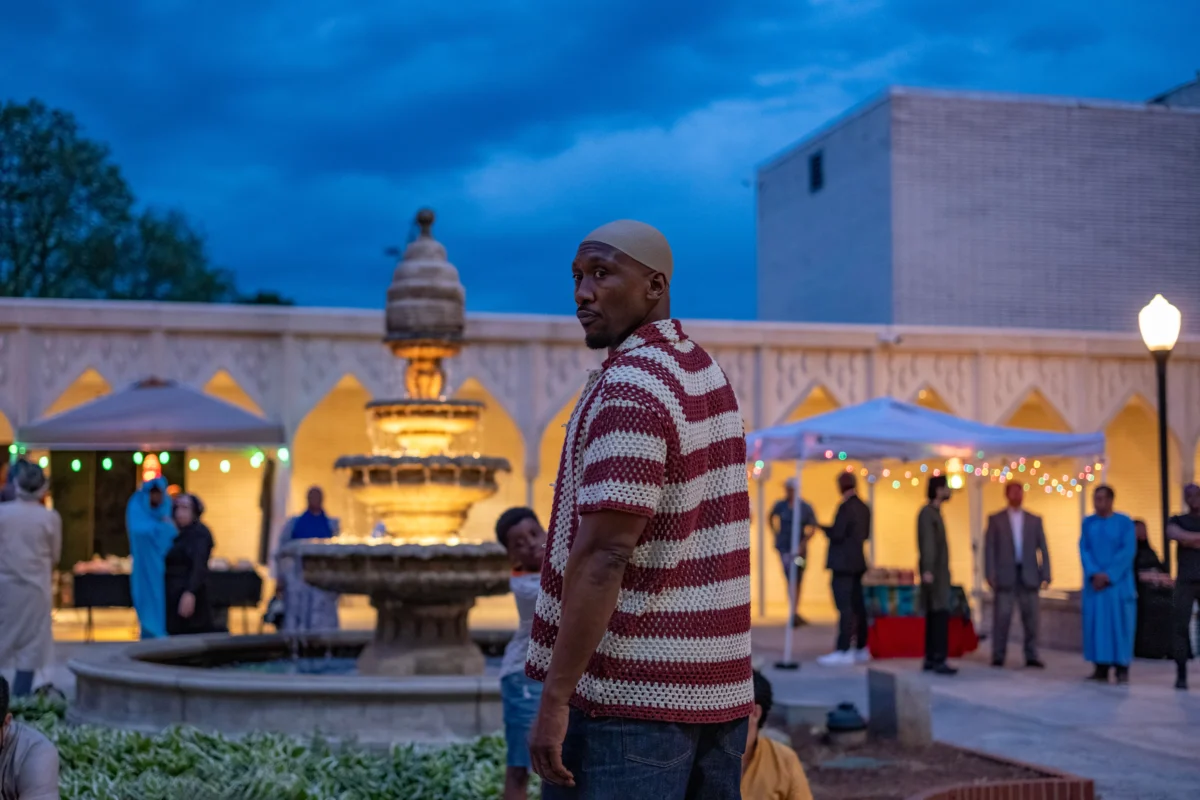
The saga of Ali’s Blade began with a seismic roar in 2019. Standing on the stage of Hall H at San Diego Comic-Con, Ali donned a baseball cap emblazoned with the Blade logo, signaling a new era for a character originally made iconic by Wesley Snipes. The announcement was a masterstroke of casting—Ali, fresh off his second Oscar win for Green Book, possessed the gravitas, physicality, and cool-tempered intensity required to ground Marvel’s supernatural corner. However, the years that followed were marked by a "development hell" so public it became a cautionary tale of studio over-extension. Despite a brief, disembodied voice cameo in the post-credits of 2021’s Eternals, the project never found its footing. Marvel Studios President Kevin Feige would later admit to feeling like a "gigantic loser" after the project foundered, citing a script that never quite coalesced despite the involvement of various high-profile writers and directors.

While the world waited for news on the Daywalker, Ali was quietly forging a different path with the very man Marvel had originally hired to helm Blade: Bassam Tariq. Tariq, known for the visceral and culturally specific Mogul Mowgli, had exited the Marvel project in September 2022, just months before production was slated to begin. Rather than letting the professional setback define their relationship, Ali and Tariq pivoted. The result is Your Mother Your Mother Your Mother, an original, "uniquely deep" action project that Ali suggests might be the most fulfilling work of his thirty-year career.
The film stars Ali as Latif, a devout Muslim living in Houston who leads a double life as a professional hitman. The narrative catalyst is not a global threat or a supernatural curse, but a devastating domestic tragedy: the sudden death of Latif’s wife. Left to navigate the crushing weight of grief while caring for a newborn and two other children, Latif finds his moral compass spinning. The film’s title, Your Mother Your Mother Your Mother, is a direct reference to a famous Hadith in Islam, emphasizing the paramount status of motherhood—a theme that resonates through Latif’s desperate attempts to sustain his infant in his wife’s absence.

The inspiration for this harrowing yet intimate story came from a place of deep personal crisis for Tariq. During the height of the COVID-19 pandemic, the director’s wife fell dangerously ill after childbirth, landing in the ICU with a severe infection. Tariq found himself wandering New York City with a week-old infant who refused formula, desperately searching for breast milk through various women’s networks. "It was really sad but also really funny," Tariq recalls, noting the absurdity of his situation. This blend of high-stakes tension and mundane, heartbreaking reality became the DNA of the film. Latif’s mission is no longer just about the next target; it is about the logistics of survival, mercy, and the "beautiful struggle" of fatherhood.
In Your Mother Your Mother Your Mother, the action is not a spectacle of CGI or indestructible heroes. Instead, it is grounded, messy, and driven by character. Latif is pulled into a burgeoning religious and political conflict involving the "Church of Divine Fire," led by the charismatic and volatile Pastor Hwan Yoon, played by John Cho. Cho, traditionally known for his comedic timing and leading-man charm in films like Searching, undergoes a transformative shift here. His character, a former soldier with a savior complex, serves as a dark mirror to Latif’s own struggles with faith and violence. Tariq describes Yoon as a "colonized Asian" who has adopted the affectations of other cultures—including a custom-made grill inspired by Houston’s Vietnamese jewelers—to mask an inherent sense of inferiority.

For Ali, the role allowed him to finally utilize the rigorous physical training he had undergone for Blade. A former college basketball player, Ali has long harbored the desire to lead a grounded action film. While he has appeared in genre staples like Alita: Battle Angel, Predators, and The Hunger Games, he notes that his characters often met their demise just as the action intensified. In Your Mother, the stunts are an extension of Latif’s internal state. "I’ve been wanting to do a grounded action piece for years," Ali says. "It was a huge relief to get to put that work to use." The film’s action sequences were choreographed to reflect Latif’s specific movements—efficient, defensive, and burdened by the literal and metaphorical weight of the children he protects.
Beyond the choreography, the film serves as a landmark moment for Muslim representation in the action genre. Ali, who is Muslim, felt an "added responsibility" to ensure the film navigated the nuances of faith with authenticity. This extended to the production’s involvement with the Black Muslim community in Atlanta, where the film was shot. Tariq integrated local community members into the cast and crew, including a woman whose real-life job involved washing bodies at a mosque for burial—a ritual depicted in the film with solemn precision. By moving away from the "minority movie" tropes that often haunt diversity-driven projects, Tariq and Ali sought to create a story that stands on its own merits while remaining deeply rooted in a specific spiritual shorthand.

The contrast between the "couple bags of nickels" budget of Your Mother and the "billions of dollars" at Marvel’s disposal is not lost on Ali. He speaks with a sense of creative redemption about the project, noting that the limitations of an independent production allowed for a depth of character that a studio blockbuster might have diluted. "I don’t really want to be known for remakes," Ali asserts, a bold statement in an era where the industry is dominated by reboots. "I’d love to do original work that resonates with people and impacts them in unique ways."
Ali’s decision to "move on" from Blade is a significant moment in the current cinematic landscape. For years, the prestige of the MCU was such that even the most decorated actors were willing to wait in the wings for their turn. However, as "superhero fatigue" becomes a documented phenomenon at the box office and audiences crave more textured, original storytelling, Ali’s pivot feels prescient. He acknowledges that if Marvel had truly wanted to make the film, they would have found a way. By choosing the "intimacy of the situation" over the spectacle of the franchise, Ali has reclaimed his agency as a performer.

The buzz surrounding Your Mother Your Mother Your Mother—amplified by a teaser that cheekily showed Ali wielding a sword, a nod to the role he left behind—suggests that audiences are ready for this new chapter. The film explores the concept of mercy as a cinematic force, arguing that it is more complex and challenging than the standard tropes of justice or retribution. As Latif navigates the "magical realism" of his Houston landscape, Ali delivers a performance that blends the quiet intensity of his Oscar-winning roles with the physical prowess of a classic action lead.
Ultimately, Your Mother Your Mother Your Mother is a testament to the power of creative alignment. When the machinery of a major studio failed to deliver, Ali and Tariq returned to the basics: a script born of personal truth, a commitment to cultural specificity, and a lead actor willing to stretch himself beyond the confines of a pre-existing brand. For Mahershala Ali, the "hero moment" didn’t come from a cape or a comic book; it came from the willingness to walk away from a shadow to find his own light. As he prepares to close the door on the Blade questions once and for all, Ali stands at a vantage point where he can finally say he did the work he wanted to be known for—on his own terms, and with his own sword.
