
 By admin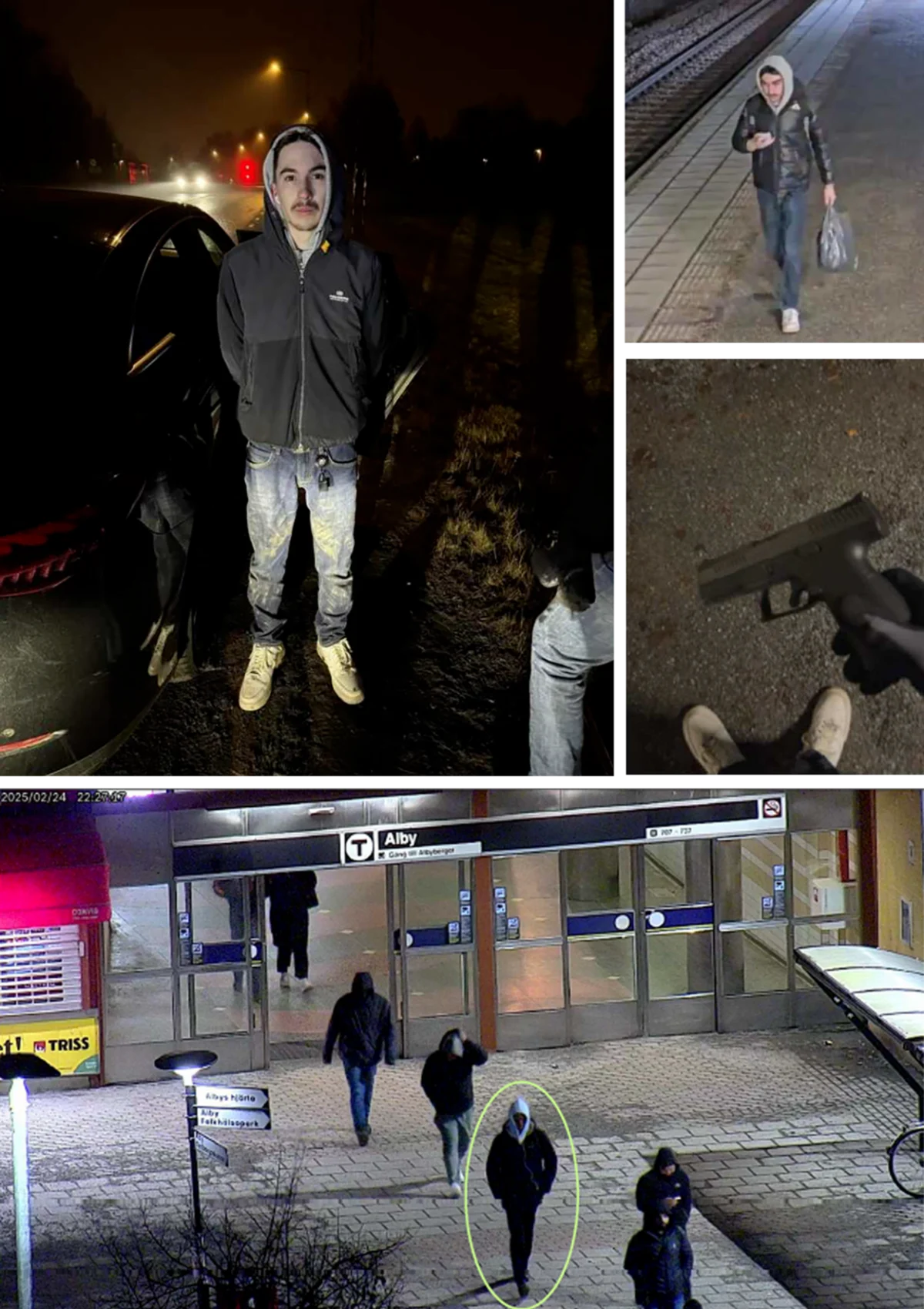
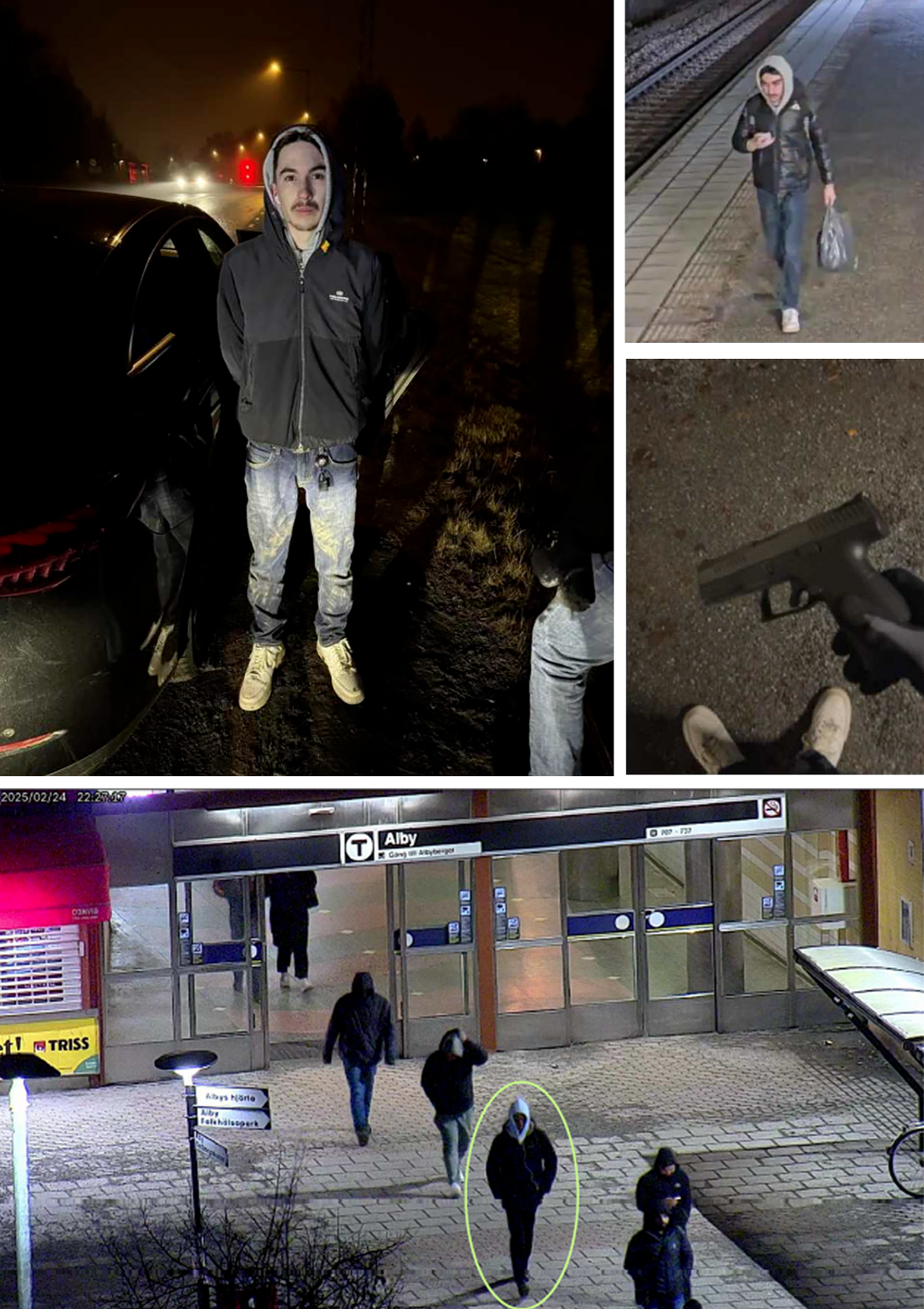
The stark reality of this phenomenon was brutally illustrated in a Stockholm suburb on a cold February night last year. Atilla Azimov, an 18-year-old, emerged from the winter darkness, handgun in hand, to confront 20-year-old Murad Abdelkader. Abdelkader, a student returning from his shift at McDonald’s, became the victim of a ruthless execution. Azimov fired repeatedly, even as his target lay helpless on the ground, delivering a fatal shot to the head. Tragically, Azimov had killed the wrong man. He was acting on behalf of the Foxtrot Network, a powerful organized crime syndicate with insidious links to the Iranian regime, renowned for its embrace of VaaS tactics.
Since 2022, the Foxtrot Network is estimated to have been responsible for approximately 35 murders, along with a series of attacks and attempted attacks targeting Israeli interests across Europe. These assaults have included the use of explosives and hand grenades, underscoring the escalating level of violence orchestrated by the group. The core of their strategy lies in recruiting teenagers, luring them with promises of cash for carrying out these heinous acts. However, the network rarely, if ever, fulfills these financial promises, as their young recruits are often apprehended by law enforcement.
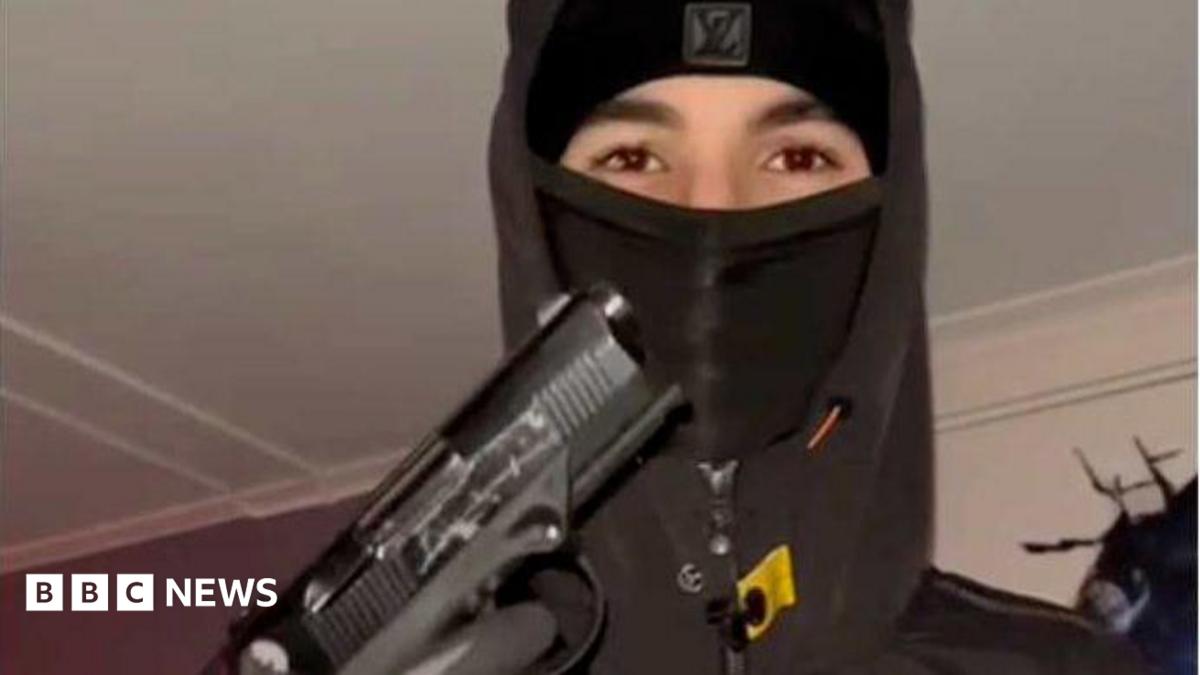
This pattern is exemplified by the case of Johannes Natland, a Norwegian teenager who, just this past Wednesday, was convicted of conspiracy to murder by a jury at the Old Bailey in London. His intended target was located in West Yorkshire, highlighting the transnational reach of these operations. According to Operational Taskforce (OTF) GRIMM, a specialized Europol unit established to combat this burgeoning VaaS threat, these teenage assassins are primarily recruited through social media platforms. Their instructions are often delivered in a "gamified" manner, mirroring the mechanics and progression of computer games, thereby further desensitizing and engaging vulnerable youths.
Andy Kraag, the head of Europol’s European Serious and Organised Crime Centre, has starkly described this phenomenon as the "calculated outsourcing of murder" to susceptible young individuals. The OTF GRIMM currently comprises 11 European nations grappling with the VaaS scourge: Belgium, Denmark, Finland, France, Germany, Iceland, the Netherlands, Norway, Spain, Sweden, and the United Kingdom. This broad coalition underscores the pervasive nature of the problem.
The mastermind behind the Foxtrot Network, Rawa Majid, is no longer operating from Sweden. Having fled the country and later based himself in Turkey, he has now established his operations in the Iranian capital, Tehran. Law enforcement agencies suspect that some of the VaaS attacks orchestrated by Foxtrot have been carried out on behalf of the Iranian regime. Notable examples include a hand grenade attack on the Israeli embassy in Copenhagen. However, other attacks are intrinsically linked to Foxtrot’s internal conflicts and ongoing drug turf wars.
Diamant Salihu, an investigative journalist for the Swedish broadcaster SVT, has dedicated three years to researching the Foxtrot Network and its intricate connections to Iran. He asserts that "The regime is ordering the leader of the Foxtrot Network to instigate his network to commit attacks against the Iranian regime’s enemies." These targets, Salihu explains, can range from dissidents and journalists critical of the regime to Israeli interests. The strategic alliance between the Foxtrot Network and the Iranian regime reportedly solidified after October 2023, when Majid relocated to Tehran. Salihu further elaborates, "He had to make a deal to be able to live freely in Iran, under condition that he and his network work for the regime." In recognition of these activities, the Foxtrot Network and Majid were sanctioned by the UK government in April 2025.
The arrest of Johannes Natland, who was 18 at the time of his apprehension, occurred just a month prior to these UK sanctions. Natland had traveled to the UK with the intention of carrying out a contract killing for Foxtrot, with his intended location pinpointed near Huddersfield. The Natland case serves as a potent illustration of the VaaS operational model. Natland himself hails from a comfortable background, being the son of two journalists in Stavanger, Norway. However, he became entangled with drugs and developed psychosis, leading to periods of rehabilitation and a brief stay in a children’s home. It was within this environment that he encountered another teenager operating under the online handle "UnknownHustler."
It was UnknownHustler who initially conveyed an online proposition to Natland for a hit in the UK, with the lucrative offer of "Killing in England 270k" – approximately £21,000 Norwegian kroner. This request originated from another teenager using the alias "Generalen." Generalen, who was only 16 at the time and had spent the preceding three years residing in a children’s home, subsequently recruited Natland for the assignment. Natland was then passed on to a Foxtrot operative known by the online username "Agent 47," a clear nod to the protagonist of the popular "Hitman" video game franchise. Swedish police have identified Ali Shehad Ahmed, a close associate of Foxtrot leader Majid, as the individual behind Agent 47.
Agent 47 facilitated Natland’s one-way flight to Manchester Airport and provided assistance with obtaining an emergency passport. Utilizing the encrypted messaging application Signal, Agent 47 meticulously guided Natland through every stage of his journey, before handing him over to a logistics coordinator operating under the username "1." In a chilling parallel to his virtual gaming experiences, Natland was treated as a pawn in a real-world operation. "1" provided him with a map and instructional videos detailing the location of firearms hidden in woodland near Huddersfield, along with another video demonstrating how to access a substantial sum of cash concealed within the undergrowth close to a foot tunnel. Once Natland was settled in his Huddersfield hotel room, equipped with the weapons, Agent 47 messaged him again, ominously stating, "We have much to do tomorrow." Fortunately, Natland was arrested by counterterrorism detectives the following morning, before he could carry out his assignment. The identity of his intended victim remained unknown, and authorities are still working to determine whether the target was criminal in nature or a politically motivated assassination orchestrated for Iran.
The teenager who recruited Natland, "Generalen," proved to be exceptionally prolific. Beyond enlisting Natland as a hitman, he was responsible for recruiting at least two individuals who carried out murders within Sweden. These included Azimov, who is now serving a life sentence for the mistaken killing of Murad Abdelkader, and a 17-year-old who fatally shot Ahmed Zamzam in Lund, southern Sweden, just three and a half weeks prior. Neither of these young killers received payment, as they were both apprehended. Salihu explains this as a deliberate tactic employed by Foxtrot: "They don’t care at all if the teenagers get caught. Because when they get caught, they cannot ask for money that they have been offered, and we see no examples of money being paid to these young killers." He further elaborates on the strategic recruitment of ever-younger teenagers, noting that "they don’t think about the consequences of getting caught, and they are more willing to take the risks."
Generalen’s activities were eventually curtailed when he attempted to orchestrate the murder of the 14-year-old son of a Norwegian police officer. He recruited a 15-year-old and a 17-year-old to carry out the knife attack, but the 15-year-old ultimately reported the plot to the authorities. Upon Generalen’s arrest, detectives discovered details of the Huddersfield murder plot on his phone, which directly led to the apprehension of Natland in the UK. Generalen was convicted in May and is currently serving a 14-year prison sentence.
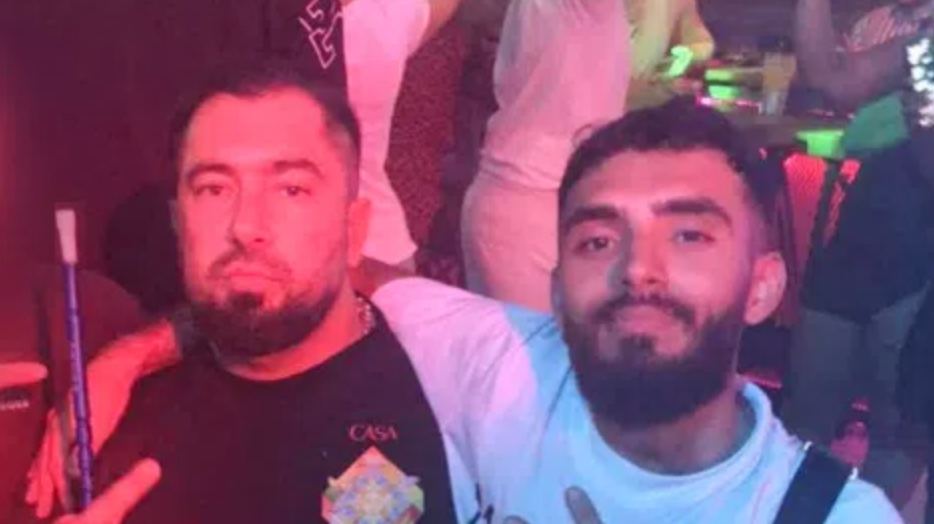
OTF GRIMM has achieved notable successes since its inception 15 months ago, with over 280 arrests made, including several key suspects. Among the most significant apprehensions was that of Ali Shehad Ahmed, believed to be the individual operating as Agent 47. He was detained in the Kurdish city of Sulaymaniyah in Iraq and is currently the subject of an extradition request to Sweden. Stefan Hector, the Swedish deputy national police commissioner, emphasized the ongoing expansion of international cooperation, asserting that organized criminals "cannot feel safe anywhere in the world." In May, Mohamed "Moewgli" Mohdhi, a former rapper described by Swedish police as a "central actor" in Foxtrot, was arrested in Tunisia. However, Rawa Majid himself remains at large in Iran. "He’s still active," Salihu stated, warning that "as long as this network is active we will still continue, I fear, to see attacks on the enemies of the Iranian regime."
While the full extent to which these arrests have degraded Foxtrot’s operational capabilities remains unclear, other criminal groups, including Foxtrot’s rivals, the Dalen Network, have already adopted the VaaS method of exploiting vulnerable teenagers for murder. This indicates that the threat persists and is likely to evolve. The phenomenon has rapidly spread from Sweden across Scandinavia and northern Europe, and as the Natland case vividly demonstrates, it has now reached the United Kingdom. The sophisticated recruitment tactics, the "gamified" instruction, and the cold indifference to the fate of their young operatives underscore a deeply concerning evolution in organized crime, blurring the lines between street gangs and potentially state-sponsored terrorism, with devastating consequences for individuals and societal security across Europe.
