
 By admin
The current travel climate is defined by high demand and limited "saver" level inventory. Airlines have become increasingly sophisticated in how they manage their seats, often opting to leave a premium cabin seat empty or sell it at a last-minute discount rather than releasing it to partner award charts. Despite these headwinds, the following hacks represent a blueprint for navigating the complexities of 21st-century award booking.
The Strategic Necessity of the Positioning Flight
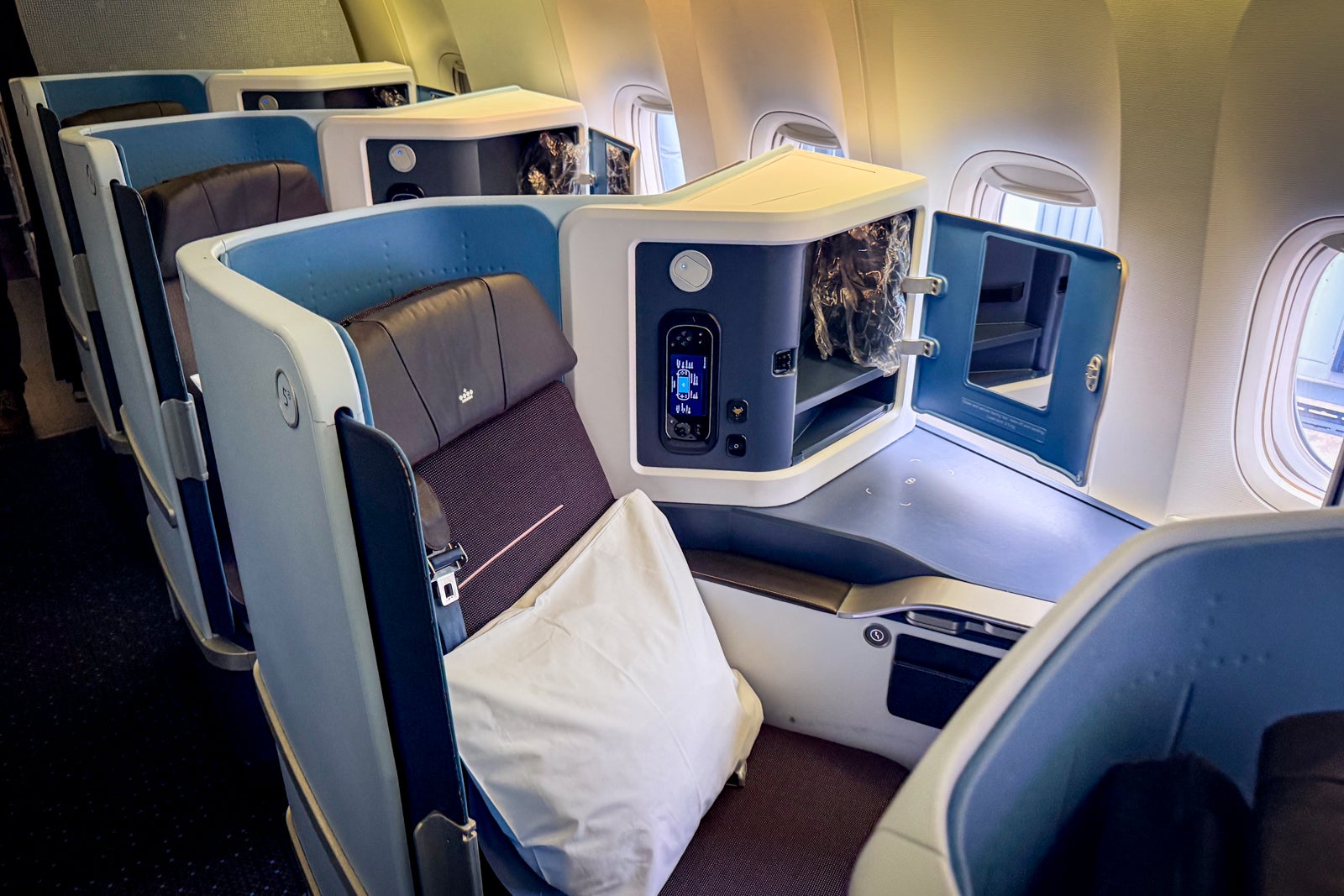
One of the most effective, yet often overlooked, methods for securing a high-value award is the use of a positioning flight. This strategy involves booking a separate, usually inexpensive, flight to a different city to catch a long-haul award flight that isn’t available from your home airport. For example, a traveler living in New York City might find that business-class availability to Europe is non-existent or prohibitively expensive from JFK or Newark. However, by searching from Philadelphia (PHL), they might discover a brand-new nonstop route, such as American Airlines’ service to Prague (PRG).
In a recent real-world application of this tactic, an award was secured using 55,000 Alaska Airlines Atmos Rewards points and a mere $5.60 in taxes for a business-class seat from Philadelphia to Prague. Because this specific award was not available from the New York hubs, the traveler "positioned" themselves to Philadelphia. The logic is simple: the savings in miles often far outweigh the cost of a $100 regional flight or a two-hour train ride. This is particularly relevant for those living in mid-sized markets like Albany, New York. While an award from Albany to London might price out at a staggering 100,000 miles due to the limited regional connectivity, searching from a major gateway like NYC could reveal a 55,000-mile "saver" fare. The savvy traveler books the cheap leg to the gateway and the "whale" award for the long haul.
The Power of One-Way Searches
Traditional travel habits often dictate searching for round-trip itineraries, but in the world of points and miles, this can be a self-limiting behavior. Searching for one-way awards offers significantly more flexibility and often uncovers pricing discrepancies that a round-trip search would miss. By breaking a trip into two one-way segments, you can mix and match airlines, alliances, and even loyalty programs.
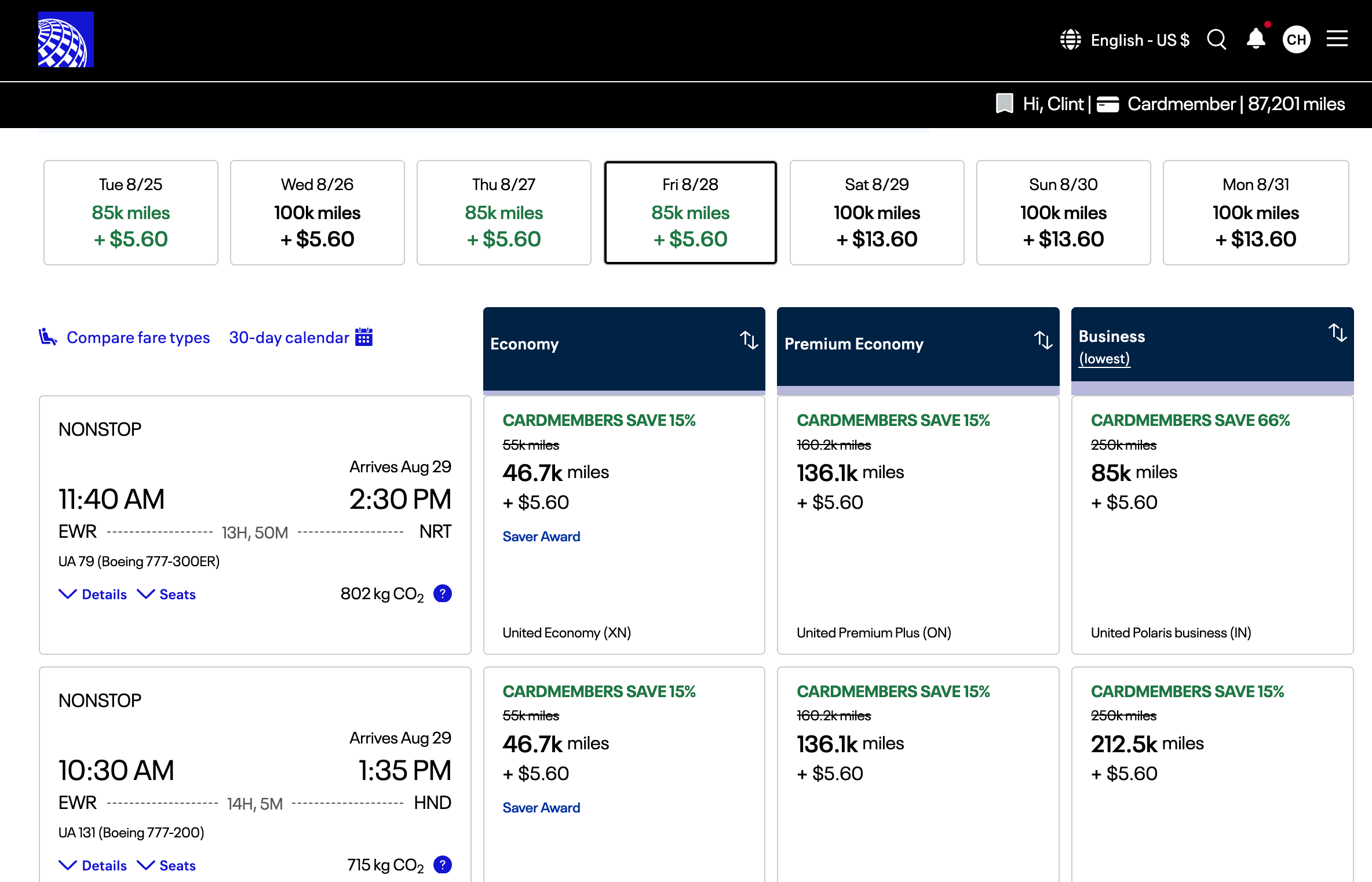
For instance, a traveler might find a one-way business-class seat from Tokyo Narita (NRT) to Newark (EWR) for 90,000 United MileagePlus miles. Had they insisted on a round-trip booking, the return leg might have lacked "saver" availability, forcing the entire ticket to price out at a much higher "standard" rate. Furthermore, United often offers one-way business-class flights to Japan for as low as 85,000 miles, especially for those who hold a cobranded United credit card. By booking one-way, you also hedge against the risk of a single leg of your journey being cancelled or changed, as you aren’t tied to a single ticket’s rigid structure for the entire vacation.

Embracing Calendar Flexibility
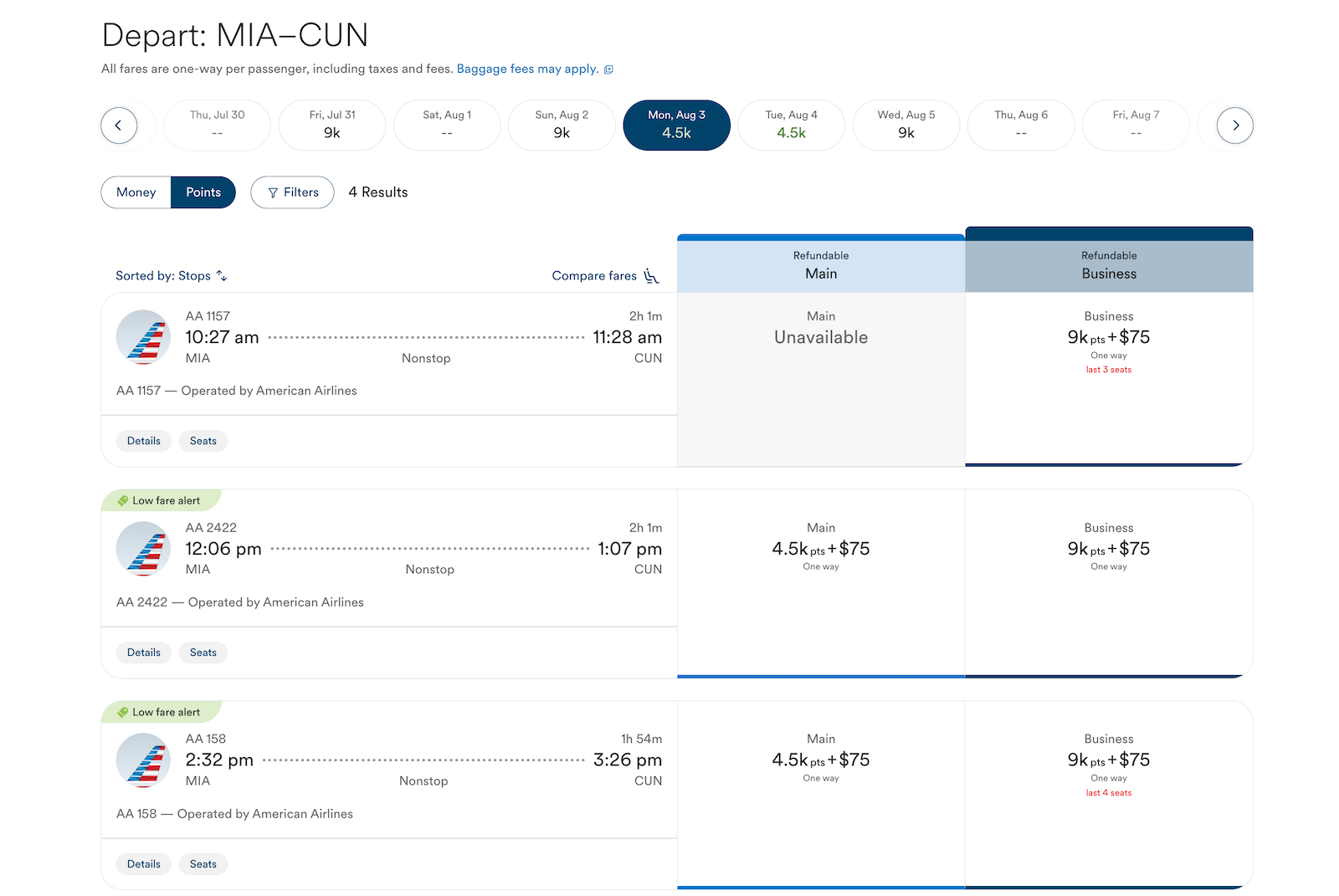
The "holy grail" of award travel is flexibility. By adding even a 24-to-48-hour window of wiggle room on either side of your preferred travel dates, the probability of finding a low-cost award increases exponentially. Most airline search engines now offer a "calendar view" or "flexible dates" option, which is essential for identifying the specific days when an airline has released saver-level inventory.
A recent search for flights from Miami (MIA) to Cancun (CUN) illustrated this perfectly. Using Alaska Airlines points to fly on American Airlines, business-class seats were available for a mere 9,000 points. However, these "unicorn" deals were only available on specific Tuesdays and Wednesdays, while the surrounding weekend dates saw prices triple or quadruple. Without the willingness to shift a vacation by a single day, the traveler would have missed out on a 300% return on value.
The Superiority of Transferable Points
While many travelers remain loyal to a single airline or hotel chain, the most successful "points pros" prioritize earning transferable currencies. Programs like Chase Ultimate Rewards, American Express Membership Rewards, Capital One Venture, and Citi ThankYou Rewards offer a level of protection against individual program devaluations.
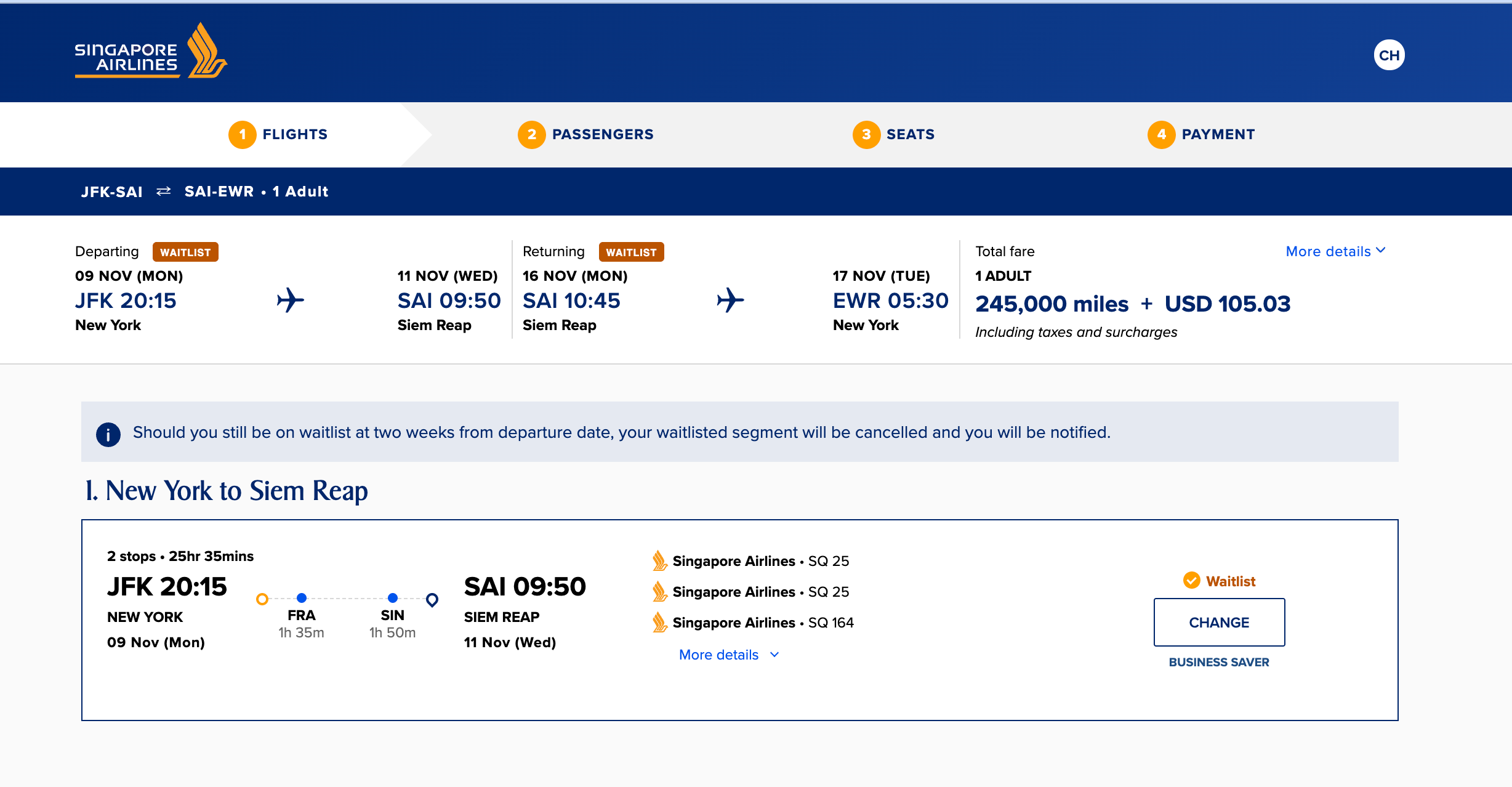
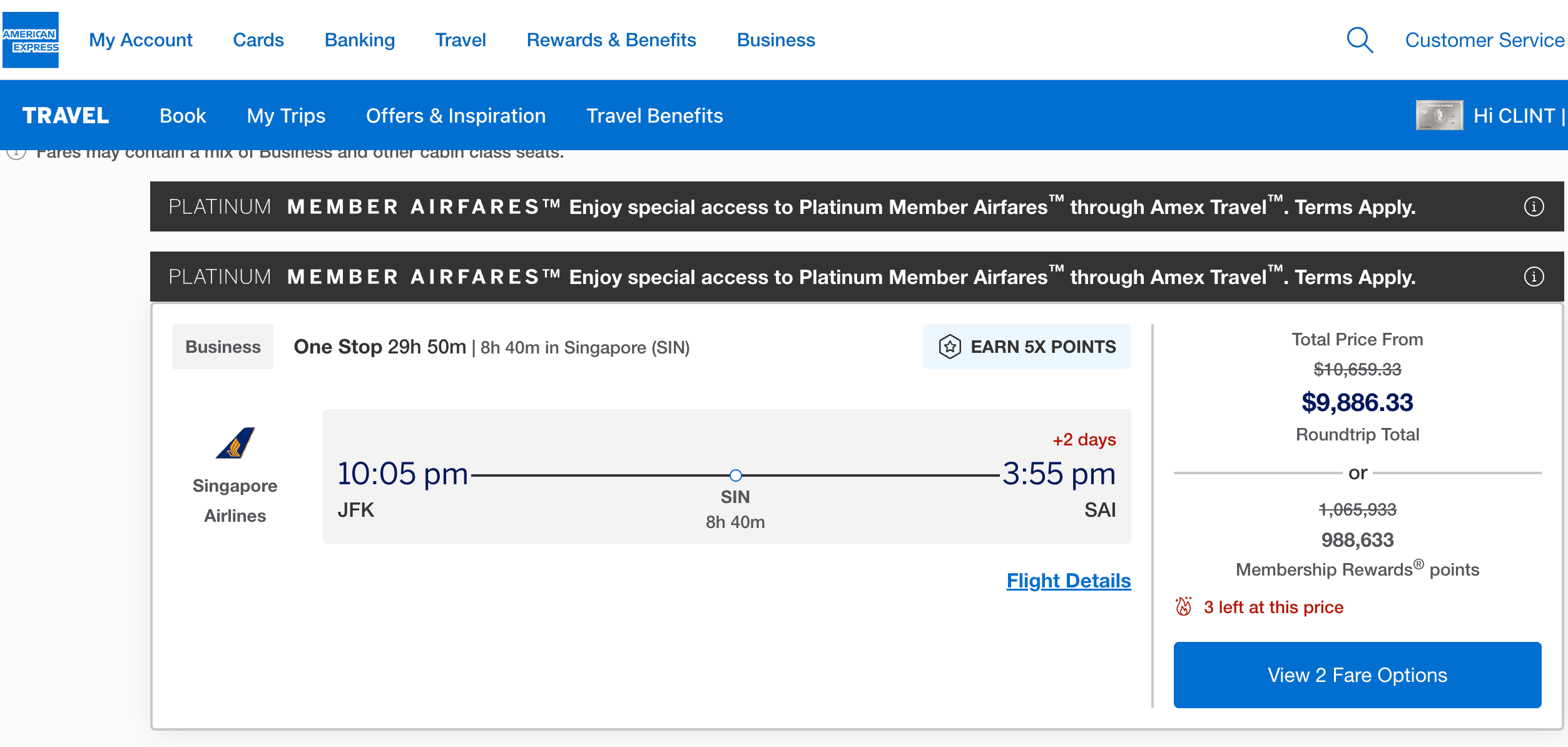
The mathematical advantage of transferable points is most evident when comparing credit card travel portals to direct transfers. For example, booking a flight to Siem Reap, Cambodia, through the American Express Travel portal might require nearly a million points if the cash price is high. However, by transferring those same Amex points to Singapore Airlines KrisFlyer, the same round-trip journey in a premium cabin could cost only 245,000 miles. Transferable points allow you to shop around for the best "conversion rate" between your bank points and the airline’s award chart. It is, however, crucial to link your loyalty accounts to your credit card profiles in advance, as some transfers are not instantaneous and can take several days to process, during which time the award seat may vanish.
Exploiting Foreign Frequent Flyer Programs and Alliances
One of the most sophisticated hacks in the industry is the use of foreign frequent flyer programs to book domestic or third-country flights. Because of how airline alliances (Oneworld, SkyTeam, and Star Alliance) work, you can often use miles from a foreign carrier to book a seat on a domestic partner for less than the domestic carrier would charge its own members.
Air France-KLM’s Flying Blue program is a prime example. It is frequently possible to book a Delta Air Lines flight from Newark to Salt Lake City for 15,500 Flying Blue miles, whereas Delta itself might charge 23,000 SkyMiles or more for the exact same seat. Similarly, Flying Blue often offers promotional "Promo Rewards" that allow for business-class travel from the U.S. to Europe for as little as 50,000 to 60,000 miles—a rate that domestic carriers like United or American rarely match. Understanding these partner dynamics allows travelers to bypass the "dynamic pricing" traps set by U.S.-based airlines.
Leveraging Modern Award Search Technology
The days of manually searching individual airline websites for hours are largely over, thanks to a new generation of award search tools. Platforms like Seats.aero, Roame.travel, and Point.me have revolutionized the process by aggregating award availability across dozens of programs simultaneously. These tools allow users to set alerts, so they receive an email the moment a business-class seat opens up on a specific route.
Additionally, browser extensions like Points Path and the Seats.aero Chrome extension now integrate directly with Google Flights. As you browse cash prices, these extensions overlay the points cost, allowing for an immediate side-by-side comparison. This data-driven approach ensures that you are always making the most rational choice between spending cash or depleting your points reserve.
The "Hidden" Value of Cobranded Credit Cards
A relatively new development in the loyalty space is the "expanded" award availability offered to cobranded credit cardholders. Airlines like United and Delta have begun rewarding cardholders not just with miles, but with access to a "hidden" tier of award inventory. For example, a United Quest or Club cardholder might see a business-class flight from San Francisco to Singapore for 85,000 miles, while a non-cardholder searching for the same flight would only see options starting at 360,000 miles. This "TakeOff 15" (in Delta’s case) or expanded "XN" and "IN" class availability (in United’s case) can provide a baseline discount of 15% or more, making the annual fee of the card pay for itself in a single booking.
Post-Booking Vigilance and "Re-faring"
The journey doesn’t end once the "book" button is pressed. Award pricing, much like cash pricing, is volatile. AI-driven tools such as Autopilot, PAiback, and Junova now allow travelers to monitor their booked itineraries for price drops. If the mileage cost of a flight decreases after you have booked it, many airlines allow you to cancel and rebook without penalty, pocketing the difference in miles. Some of these tools operate on a commission basis, taking a small percentage of the money or points saved, but the net gain for the traveler is often substantial. One recent success story involved a traveler saving $700 on a flight they had already booked simply by using an automated tracking tool that flagged a temporary fare sale.
Conclusion
Navigating the world of award travel in an era of high inflation and dynamic pricing requires a shift from passive collecting to active strategy. Snagging elite redemptions is no longer about luck; it is about the systematic application of positioning, flexibility, and technological leverage. By treating points as a versatile tool rather than a static balance, and by looking beyond the borders of domestic loyalty programs, travelers can continue to enjoy the luxury of premium-cabin travel at a fraction of the retail cost. The "game" has changed, but for those willing to master these overlooked hacks, the rewards are greater than ever.
