
 By admin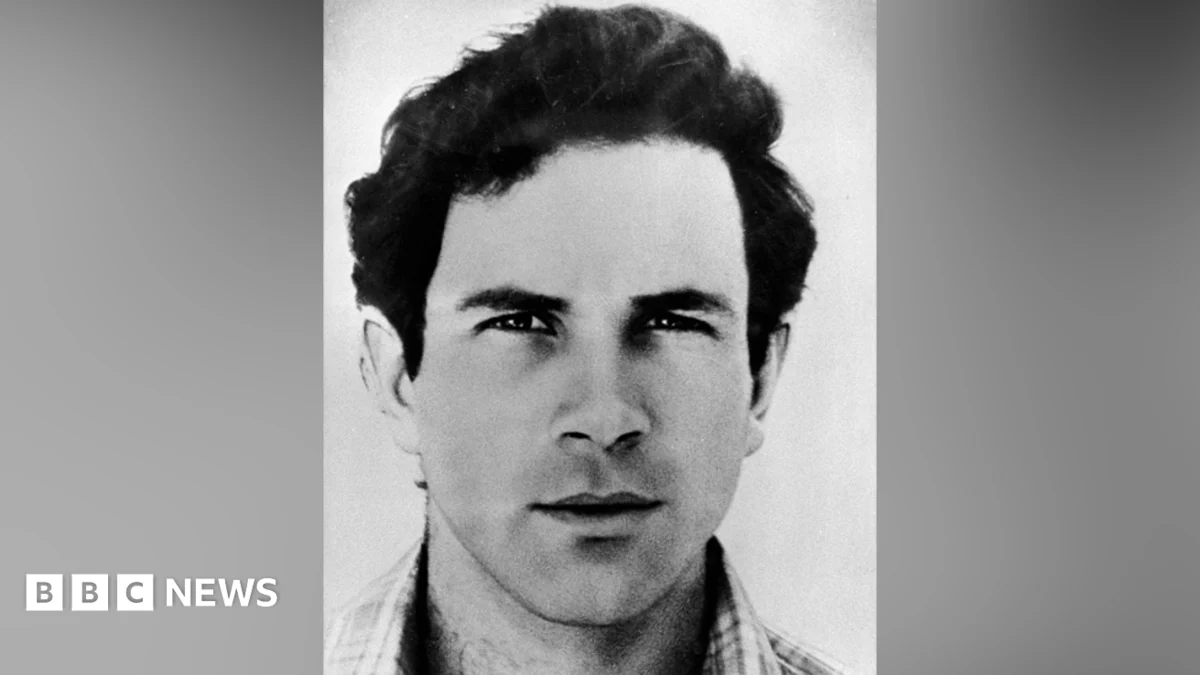
Fifty years ago, in the sweltering heat of a Ugandan night, an audacious rescue mission unfolded, forever etching the names of heroes and villains into the annals of history. Today, Uganda, in a significant gesture of remembrance and evolving diplomatic ties, has unveiled a statue honouring Yonatan Netanyahu, the elder brother of Israel’s current Prime Minister Benjamin Netanyahu, who tragically lost his life during the daring Entebbe hostage rescue operation. The monument, a powerful symbol of courage and sacrifice, stands as a testament to the pivotal role played by a single soldier in a complex and perilous geopolitical landscape.
The unveiling ceremony was led by Uganda’s army chief, General Muhoozi Kainerugaba, who articulated the profound significance of the monument. He stated that the statue was erected to honour Yonatan Netanyahu’s "courage and selfless service," words that resonate deeply with the harrowing events of July 4, 1976. The Entebbe raid, codenamed Operation Thunderbolt, remains one of the most daring and successful counter-terrorism operations ever undertaken, a feat that rescued over 100 hostages from the clutches of hijackers.
The genesis of the crisis lay in the hijacking of an Air France flight, originating from Tel Aviv, by two Palestinian militants from the Popular Front for the Liberation of Palestine (PFLP) and two German accomplices. On June 27, 1976, as the Airbus A300 made a stopover in Athens, the hijackers boarded, swiftly taking control of the aircraft. Their initial demand was to divert the plane to Libya for refuelling, before forcing it to land at Entebbe International Airport in Uganda. There, they were met with the unexpected welcome of the regime of President Idi Amin, a notorious dictator whose rule was characterized by extreme brutality and political instability.
The hijackers’ demands were stark: a ransom of $5 million and the release of 53 militants imprisoned across Israel, France, Germany, Switzerland, and Kenya. They issued an ultimatum, threatening to begin executing hostages if their demands were not met. The perpetrators segregated the passengers, separating Israelis and Jews from the rest, holding them captive in the old airport terminal. Over the following days, a tense standoff ensued, with some hostages being released on June 30 and July 1, but the Israeli and Jewish passengers remained.
The Israeli government, under Prime Minister Yitzhak Rabin, faced an agonizing decision. The prospect of negotiating with terrorists was abhorrent, and the lives of their citizens hung precariously in the balance. Recognizing the immense risk, Israel opted for a bold and unprecedented military solution. A plan was meticulously crafted by Israel’s elite commando units, involving a clandestine operation to infiltrate Entebbe, neutralize the hijackers, and rescue the hostages.
On July 3, 1976, after a secret journey from Israel, refuelling in Kenya, a contingent of Israeli commandos, aboard Hercules transport planes, landed at Entebbe under the cover of darkness. The operation, codenamed Operation Thunderbolt and later Operation Entebbe, was a race against time. The commandos, disguised as Ugandan soldiers, launched a swift and decisive assault on the old airport terminal. The raid, lasting less than 90 minutes, was a masterclass in military precision and bravery.
During the fierce firefight, Yonatan Netanyahu, the commander of Sayeret Matkal, Israel’s elite special forces unit, was tragically killed. He was the sole Israeli soldier to perish in the operation, a profound loss that cast a shadow over the otherwise triumphant rescue. In addition to Yonatan Netanyahu, three hostages – Jean-Jacques Mimouni, Pasco Cohen, and Ida Borochovitch – also lost their lives during the crossfire. Sadly, Dora Bloch, an elderly Israeli woman, who had been transferred to a hospital in Kampala for medical treatment, was later murdered by Ugandan soldiers, a chilling reminder of the brutality that permeated Amin’s regime. The hijackers and three accomplices who had joined them in Uganda were also killed, along with at least 45 Ugandan soldiers who engaged the Israeli forces in combat.
General Kainerugaba, in his address, acknowledged the profound human cost of the raid. He stated, "May their memories continue to inspire future generations in the pursuit of peace, justice and human dignity." He also spoke of the Ugandan soldiers who fought valiantly, even under a regime they later recognized as a "brutal dictatorship." "Of course, today, we know that the government of Idi Amin, which they served, was a brutal dictatorship which did not represent the Ugandan people," Kainerugaba candidly admitted, reflecting a significant shift in Uganda’s historical narrative and its relationship with its past.
The Entebbe rescue mission was met with widespread celebration in Israel, a nation long accustomed to facing existential threats. However, for Idi Amin, it was a profound humiliation, exposing the weaknesses of his regime and his inability to protect his nation’s sovereignty, even from a clandestine foreign operation. The raid became a potent symbol of Israeli resilience and a stark warning to terrorist organizations.
The enduring legacy of the Entebbe raid is undeniable. Prime Minister Benjamin Netanyahu, Yonatan’s younger brother, has spoken poignantly about the impact of his brother’s death and his leadership. A decade ago, during a visit to Entebbe, he reflected, "I learned from my brother that you need two things to defeat the terrorists: clarity and courage." This sentiment underscores the unwavering resolve that drove the Israeli leadership and the commandos who executed the mission.
General Kainerugaba, in his speech, characterized the events of 50 years ago as "a painful chapter in our history." However, he emphasized the remarkable transformation in Uganda-Israel relations since that tumultuous period. He described the current relationship as a "partnership characterised by mutual trust, respect and co-operation," a testament to the enduring power of diplomacy and the willingness of nations to transcend past conflicts and build a shared future. The unveiling of Yonatan Netanyahu’s statue is not merely a commemoration of a military operation; it is a powerful symbol of this evolving relationship, a bridge built across decades of complex history, and a recognition of shared values in the pursuit of security and peace. The statue, depicting Netanyahu striding forward with a machine gun, a symbol of his readiness to confront terror, stands as a permanent reminder of his sacrifice and the enduring impact of the Entebbe raid on the course of modern history. It serves as a poignant reminder that even in the face of profound tragedy, acts of courage and determination can forge new paths towards understanding and cooperation.
