
 By admin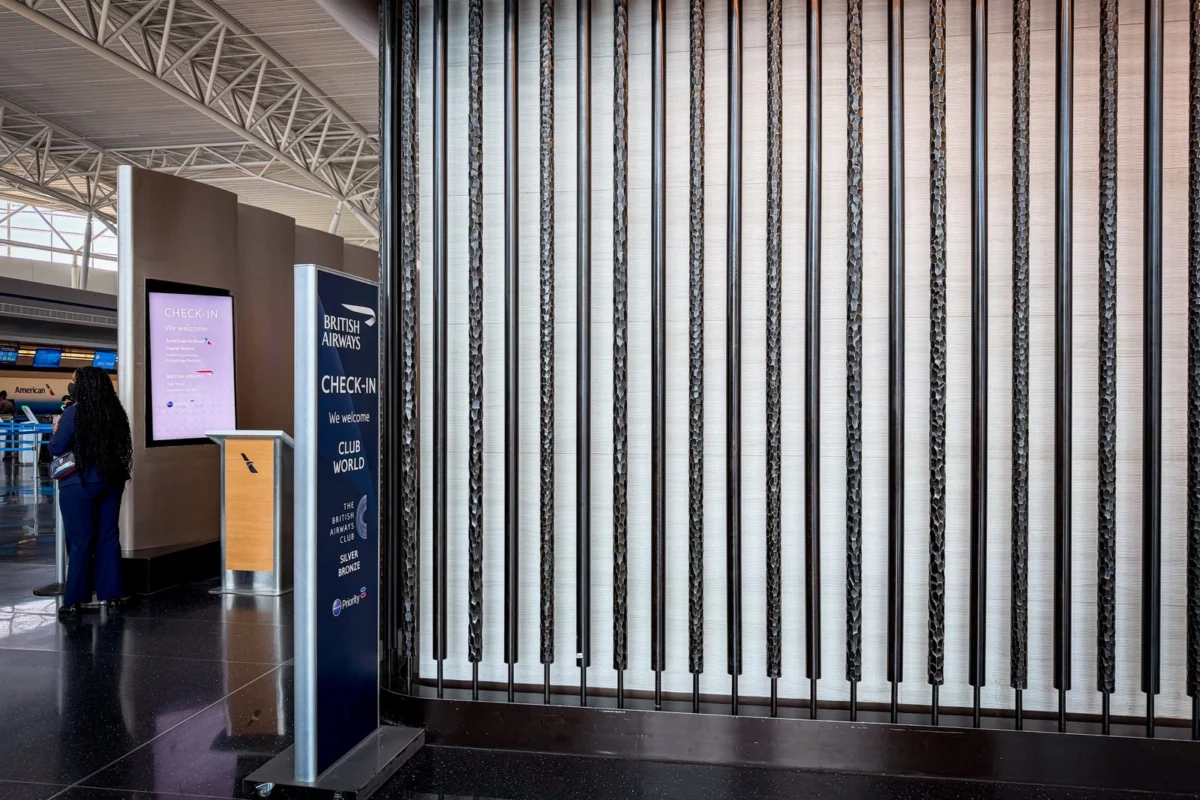
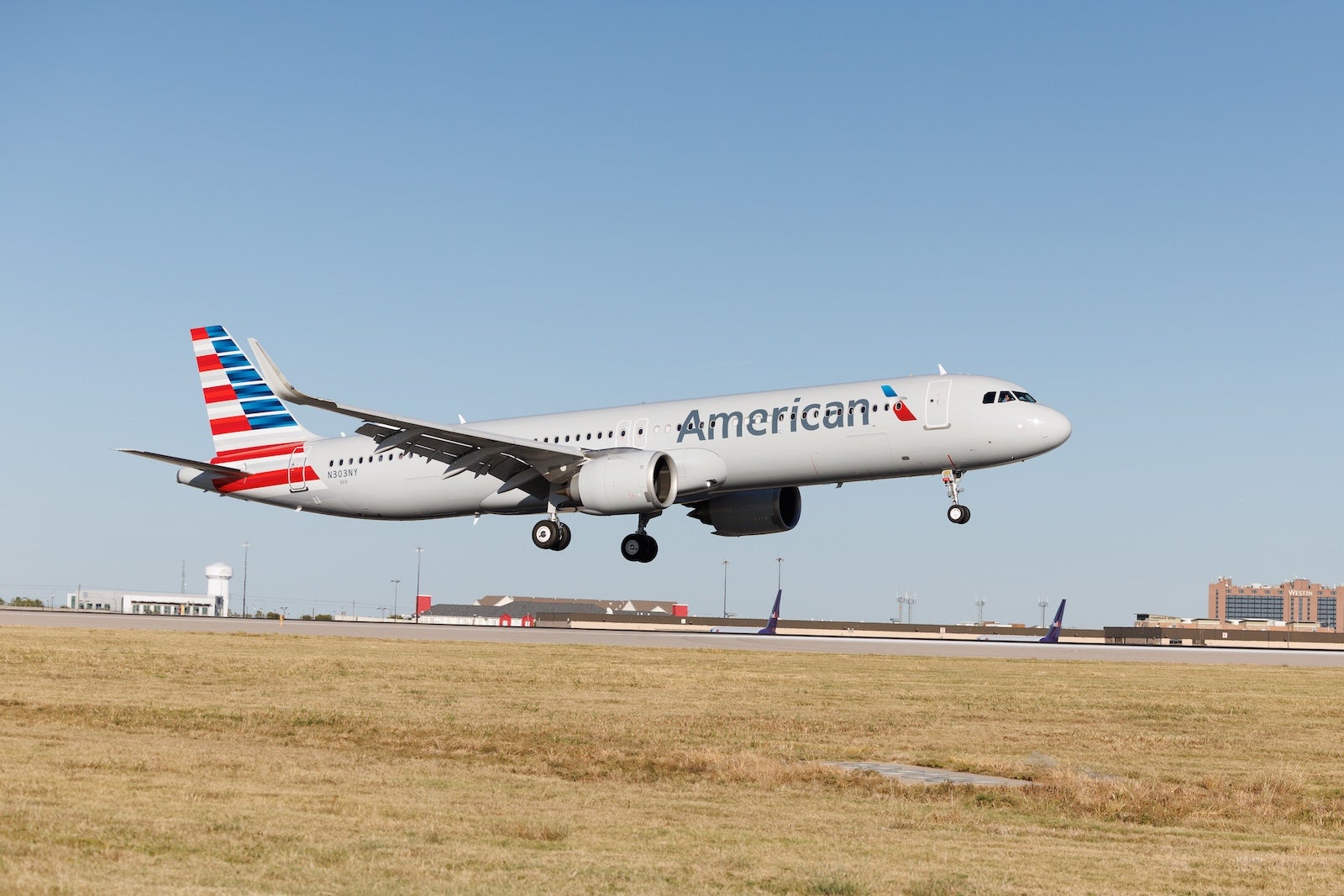
The Airbus A321XLR (Extra Long Range) is a revolutionary aircraft in its own right. With a range of up to 4,700 nautical miles, it allows airlines to fly narrow-body aircraft on routes previously reserved for much larger, more expensive-to-operate wide-bodies. For American Airlines, this means the ability to offer high-frequency service on "long and thin" routes, such as New York JFK to Edinburgh or Boston to Paris, while maintaining a cabin interior that rivals the best in the world. On a recent journey from New York’s John F. Kennedy International Airport (JFK) to Los Angeles International Airport (LAX), I had the opportunity to experience this new cabin firsthand. While the aircraft is a marvel of modern engineering, the real story lies in the "Flagship Suite" experience and whether it can truly replace the beloved, albeit aging, A321T fleet.
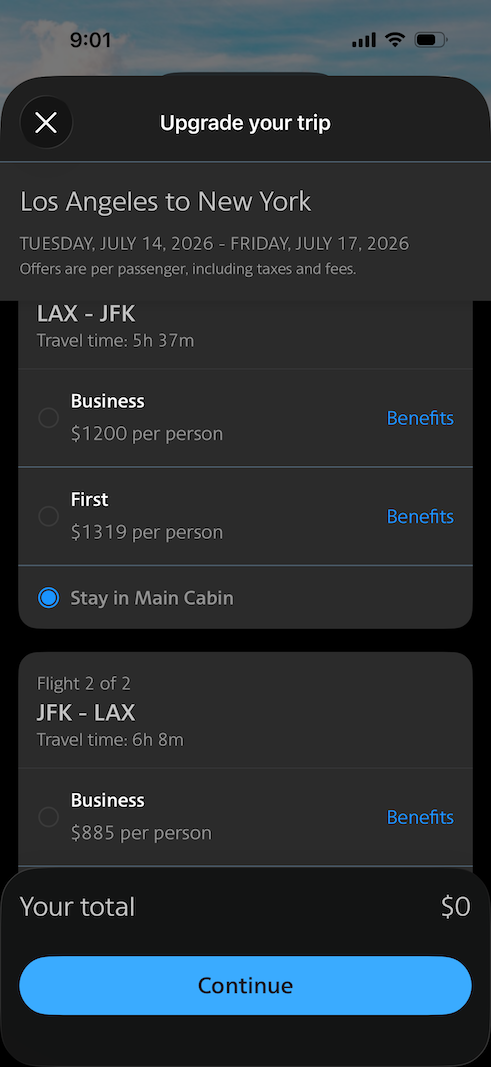
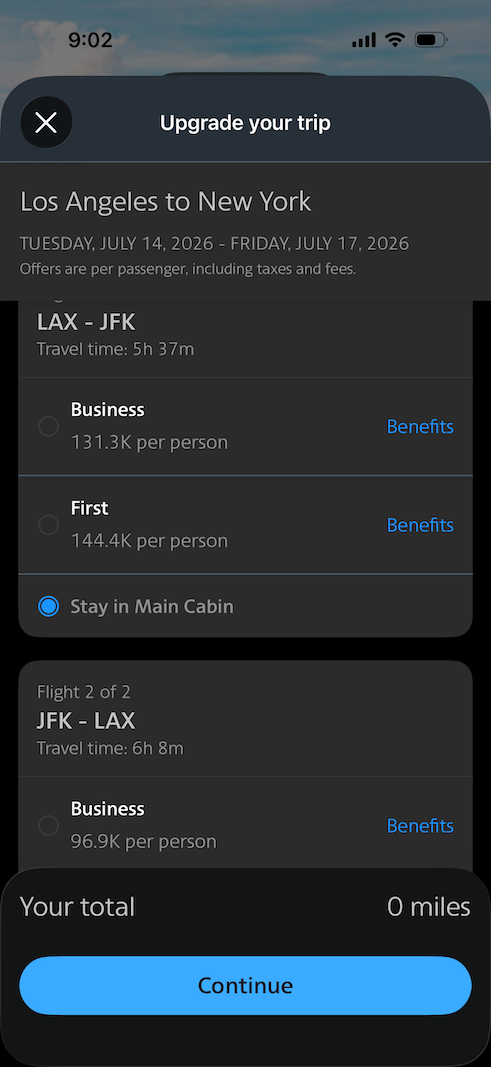
Booking a seat in the Flagship Suites requires either deep pockets or a savvy understanding of the AAdvantage loyalty ecosystem. For a one-way flight from New York to Los Angeles, a direct purchase of a business-class ticket often hovers around the $1,800 to $2,000 mark. In terms of miles, American typically asks for approximately 150,000 AAdvantage miles for a confirmed seat on these high-demand routes. However, the most economical way to experience the new suite is through the airline’s aggressive "buy-up" offer system. After purchasing a standard economy ticket for roughly $350, I monitored the American Airlines app closely. Five days prior to departure, an offer appeared: $885 to upgrade to the Flagship Suite. While $1,235 total is still a significant investment for a six-hour flight, it represented a $631 savings over the retail fare. This dynamic pricing model has become a hallmark of the modern American Airlines experience, allowing the carrier to monetize premium seats that might otherwise go to complimentary elite upgrades.
The ground experience at JFK Terminal 8 remains one of the strongest selling points for flying American or its Oneworld partner, British Airways. Business-class passengers on transcontinental "Flagship" routes receive access to the Greenwich Lounge. While it lacks the ultra-exclusivity of the Chelsea or Soho lounges reserved for first-class and top-tier elites, the Greenwich Lounge is a massive step up from a standard Admirals Club. The highlight is undoubtedly "The Tasting Room," located in the space formerly occupied by Flagship First Dining. Here, passengers can enjoy a curated selection of craft beers and elevated small plates, such as chicken tinga tacos or high-quality burgers, in a more intimate setting. It provides a necessary sanctuary from the hustle of Terminal 8, especially when flights are delayed. My departure was pushed back by 90 minutes due to the late arrival of the inbound aircraft from Edinburgh—a common occurrence in the tightly scheduled world of international narrow-body rotations—but the ground staff managed the turnaround with impressive efficiency.
Stepping onto the A321XLR, the first thing one notices is the premium-heavy configuration. The aircraft is designed for exclusivity, featuring just 155 seats in total. The business-class cabin consists of 20 Flagship Suites arranged in a 1-1 configuration across 10 rows. This is a radical departure from the 2-2 layout of the older A321T business class, ensuring that every passenger has direct aisle access and a high degree of privacy. Behind the business cabin is a small, dedicated Premium Economy section with 12 seats in a 2-2 configuration, followed by 123 economy seats in the standard 3-3 arrangement. The interior design follows American’s new "Flagship" aesthetic: a sophisticated palette of deep grays, blond wood accents, and caramel leather headrests, all illuminated by customizable LED mood lighting that helps mitigate the effects of jet lag.
The seat itself is a customized version of the Safran OptimaRES, a herringbone-style suite that angles passengers toward the aisle. This layout is increasingly popular on narrow-body aircraft, used by competitors like JetBlue in its Mint cabin and Iberia on its own XLRs. The seat measures 21 inches in width and extends into a fully flat bed of 74 inches. A notable feature of the Flagship Suite is the privacy door. However, a significant "catch" currently exists: at the time of my flight, the doors were not yet certified for use during taxi, takeoff, or landing, and in many cases, they were locked open for the duration of the flight pending final FAA approval. While the 51-inch-high suite walls still provide a cocoon-like feeling, the full "suite" experience will only be realized once these doors are fully operational.
Technologically, the Flagship Suite is a tour de force. Each seat is equipped with a 17-inch 4K touchscreen that is crisp and highly responsive. American has also leaned heavily into wireless convenience, providing a dedicated Qi charging pad built into the side console. For those who still rely on cables, the suite offers a universal power outlet and, crucially, a USB-C port—a necessary upgrade as the world moves away from the older USB-A standard. The entertainment library is vast, featuring the latest Hollywood blockbusters and HBO Max content. One of the most appreciated amenities is the provision of Bang & Olufsen noise-canceling headphones. Unlike many international carriers that collect headphones 30 minutes before landing, American allows passengers to use these high-end units from gate to gate, ensuring an uninterrupted audio experience.
The dining experience on American’s Flagship routes has seen a recent push toward "wellness" and regional flair. After a pre-departure beverage of Champagne or orange juice, the inflight service began with a two-course starter. The citrus-poached shrimp and fish ceviche were ambitious, though the seafood’s texture suffered slightly from the rigors of airplane catering. However, the seasonal green salad with strawberries and goat cheese was remarkably fresh. For the main course, I opted for the vegetable-grain bowl with lentils and roasted mushrooms, topped with a piece of grilled salmon. In an era where heavy, cream-based airline sauces are the norm, this was a refreshing, healthy alternative that left me feeling energized rather than sluggish upon arrival in Los Angeles. For those with more traditional tastes, the airline offers a "Centennial" menu featuring classic dishes like Beef Wellington, celebrating a century of American Airlines history. The meal concluded with the iconic custom-built ice cream sundae, a staple of the American premium experience that remains a crowd favorite.
Service on the flight was provided by a dedicated crew of two flight attendants for the 20-seat cabin. The interaction was notably warm and professional, a testament to the fact that these high-profile transcontinental routes are often staffed by senior crew members who take pride in the "Flagship" branding. They were proactive in explaining the features of the new seat—essential given the complexity of the various buttons and charging ports—and maintained a steady presence throughout the six-hour journey. One minor drawback of the A321XLR’s design is the lavatory situation. There is only one dedicated restroom at the front of the cabin for 20 business-class passengers. During peak times, such as after the meal service, this inevitably leads to a queue, forcing some passengers to walk to the rear of the aircraft.
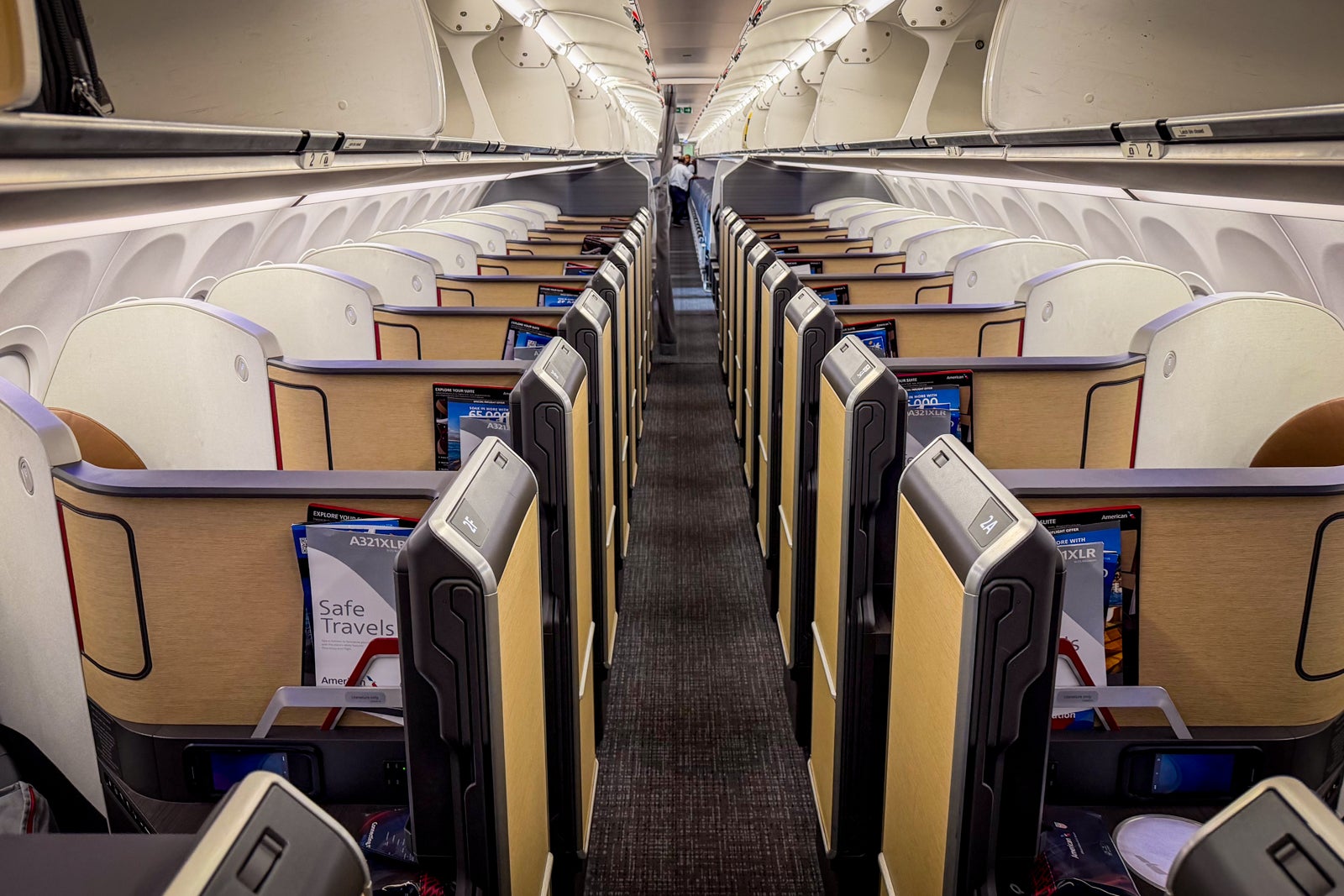
Is the Flagship Suite on the A321XLR a true "glow-up"? The answer is a resounding yes, albeit with some caveats. The move to a 1-1 configuration on a narrow-body aircraft is a massive win for passenger privacy and comfort. The integration of modern technology like wireless charging and high-definition screens makes the older A321T feel like a relic of a bygone era. However, the herringbone layout, which angles passengers away from the windows, will likely remain a point of contention for those who enjoy the view. Furthermore, the single-lavatory bottleneck and the currently non-functional privacy doors are "growing pains" that the airline will need to address to fully compete with the likes of JetBlue’s Mint Suites or United’s upcoming narrow-body Polaris product.
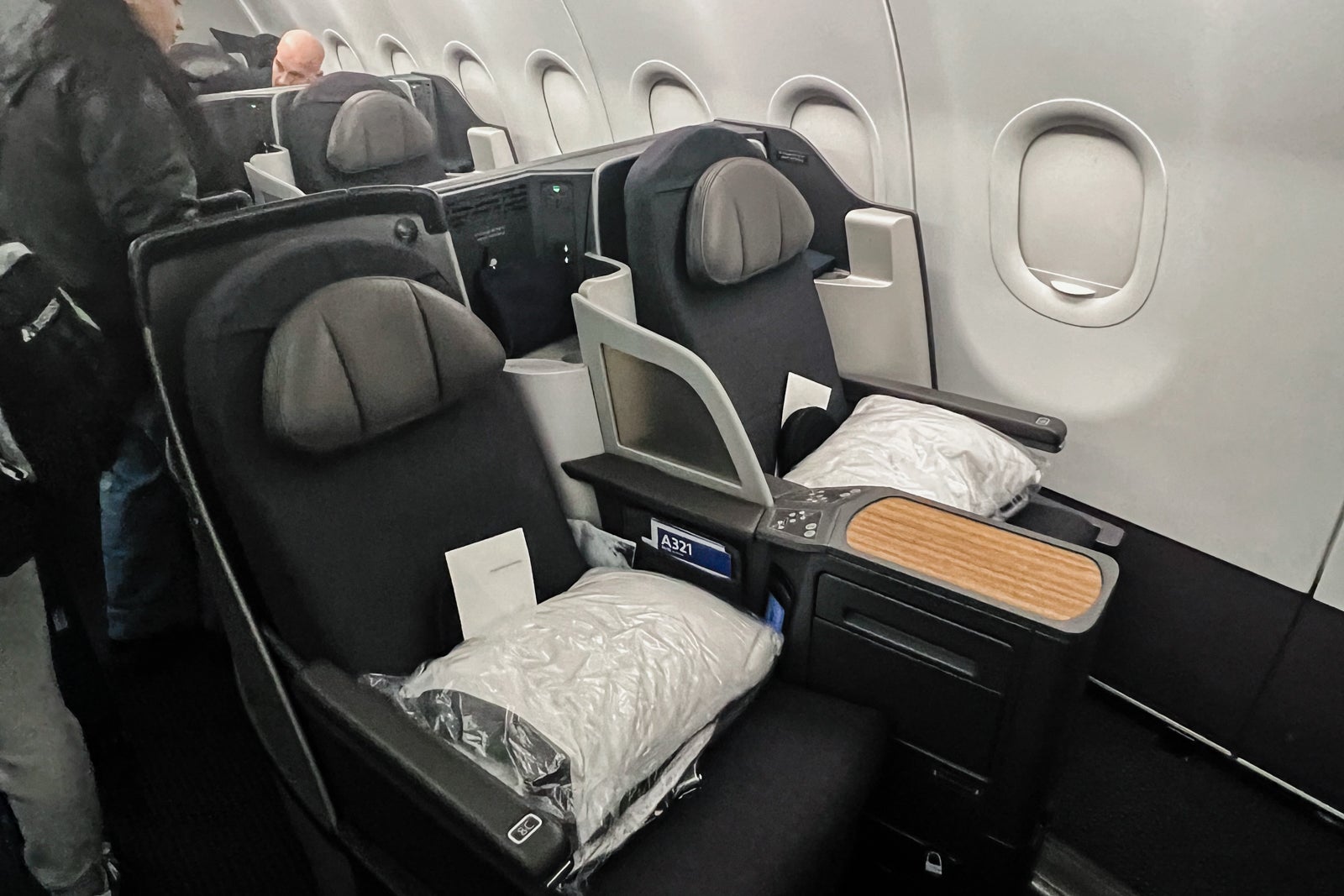
Ultimately, American Airlines has successfully created a narrow-body product that feels premium enough for a transatlantic crossing while providing a consistent, high-end experience for the domestic "power routes." As more A321XLRs enter the fleet and the older A321Ts are phased out, this suite will become the new standard for American’s most loyal customers. For those looking to upgrade, the value proposition is strong: you are getting a world-class seat, high-quality dining, and top-tier ground lounge access, all contained within the sleek, efficient frame of the world’s most advanced narrow-body jet. If you can find a reasonably priced upgrade or an award seat, the Flagship Suite is currently one of the best ways to cross North America.
