
 By admin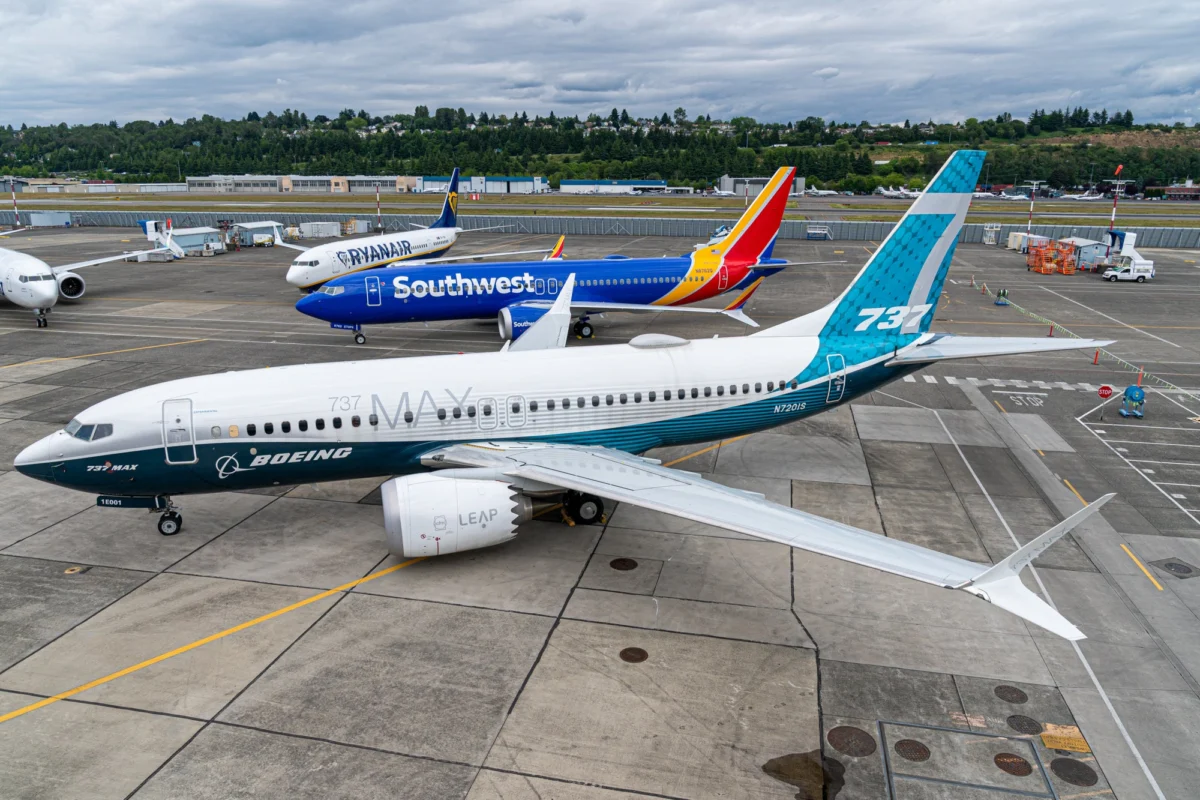
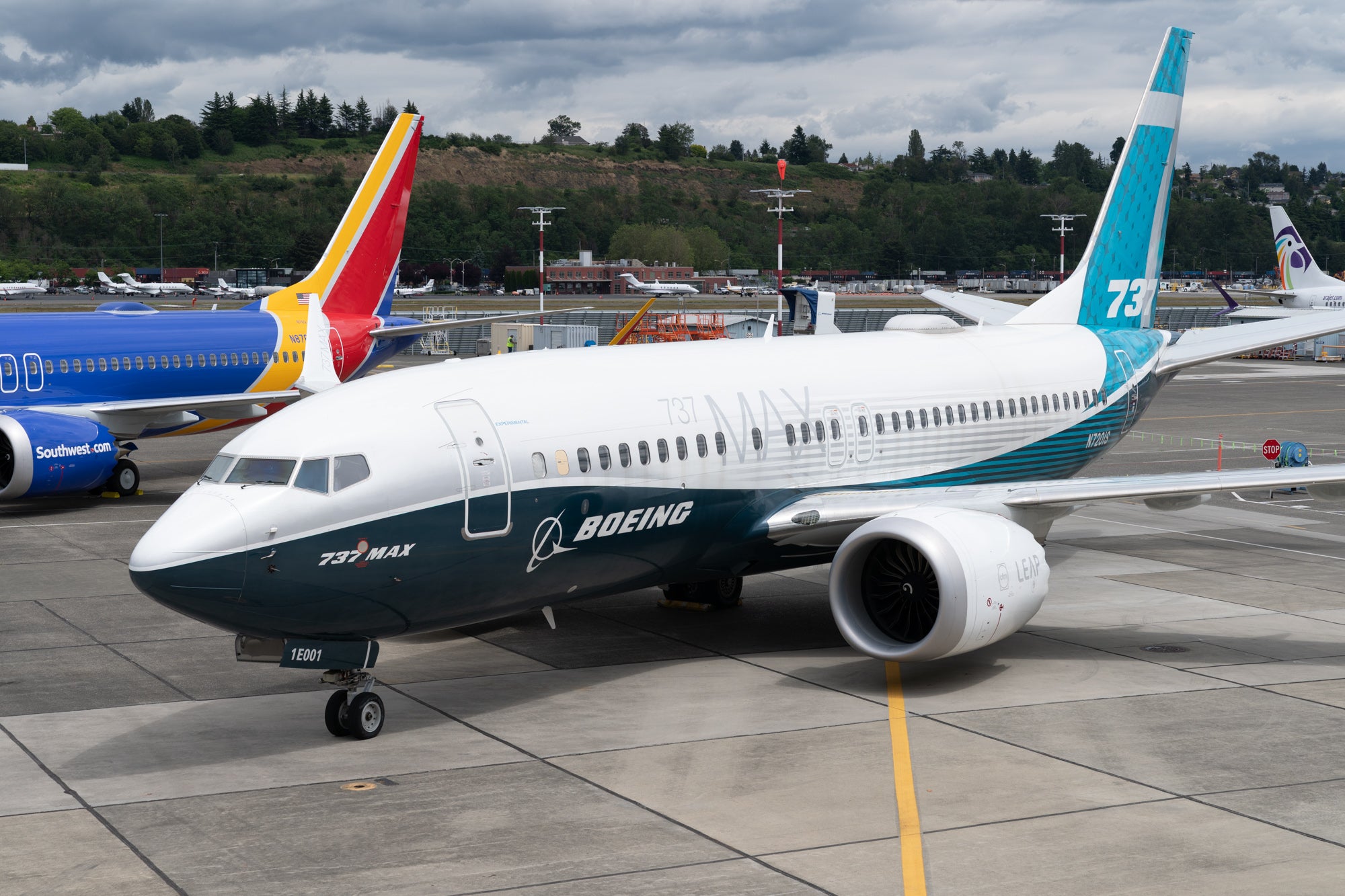
The 737 MAX 7 is designed to occupy a specific niche in the narrow-body market. As the shortest variant of the family, it typically accommodates between 135 and 160 passengers in a standard two-class configuration, though it is certified to carry up to 172 passengers in high-density, low-cost layouts. Despite its smaller stature, the MAX 7 boasts the longest range of any aircraft in the 737 MAX lineup, capable of flying up to 4,300 nautical miles. This unique combination of lower capacity and extended range makes it an ideal tool for "long and thin" routes—international or transcontinental paths that have enough distance to require a modern jet but not enough passenger demand to justify the higher operating costs of a larger MAX 8 or a wide-body aircraft.
For Boeing, this certification is more than just a technical achievement; it is a necessary step toward clearing a massive backlog of orders and fulfilling promises to its most loyal customers. Chief among them is Dallas-based Southwest Airlines, the world’s largest operator of the 737. Southwest has hundreds of MAX 7 jets on order, intended to serve as the direct successor to its aging fleet of 737-700s. The airline’s business model, which relies exclusively on the Boeing 737 to minimize maintenance and training costs, has been strained by the years of delays. Without the MAX 7, Southwest was forced to either continue flying older, less fuel-efficient aircraft or take delivery of the larger MAX 8, which occasionally provided more capacity than certain smaller markets required.
In a statement following the FAA’s decision, Boeing confirmed that it is now working closely with Southwest to prepare for the delivery of the first airframe. Southwest, however, remains cautious in its operational rollout. A spokesperson for the airline indicated that while they are pleased with the certification, passengers should not expect to see the MAX 7 in the skies immediately. The airline typically requires a lead time of three to six months following the delivery of a new aircraft type to complete pilot training, maintenance integration, and final cabin preparations. Southwest’s current flight schedules, which are published through March 2027, do not yet reflect MAX 7 service, though the airline maintains the flexibility to swap aircraft types as the new jets are integrated into the fleet.
The path to this certification was anything but smooth. The 737 MAX program was plunged into crisis in 2019 following two fatal crashes in Indonesia and Ethiopia, which claimed 346 lives. The subsequent global grounding of the MAX 8 and MAX 9 lasted 20 months and led to a total overhaul of the aircraft’s Maneuvering Characteristics Augmentation System (MCAS). While the MAX 8 and 9 returned to service in late 2020, the smaller MAX 7 and the larger MAX 10 remained in a regulatory limbo.
The delay was exacerbated by the Aircraft Certification, Safety, and Accountability Act (ACSAA), passed by Congress in late 2020. This legislation tightened the FAA’s oversight and required new aircraft to meet higher standards for flight-crew alerting systems. Boeing initially struggled to meet these requirements without a significant redesign of the cockpit, which would have compromised the "pilot commonality" that is a major selling point of the 737 family. Ultimately, the FAA required the MAX 7 to incorporate several key safety improvements before granting approval. These include sophisticated updates to the flight-control software, enhancements to the flight-crew alerting system to prevent pilot confusion during emergencies, and a redesigned engine anti-ice system.
The engine anti-ice system, in particular, became a major sticking point in the final stages of certification. Engineers discovered a potential vulnerability where the engine inlet cowlings could overheat and fail if the anti-ice system was left on in dry air for too long. Boeing initially sought a temporary waiver from the FAA to allow the MAX 7 to enter service while a permanent fix was developed, but the company eventually withdrew that request under intense pressure from lawmakers and safety advocates. The version of the MAX 7 certified this week includes the necessary modifications to ensure the safety of the engine housing under all operating conditions.
Industry analysts view the MAX 7 certification as a harbinger of things to come for the MAX 10, the largest variant of the jet. The MAX 10 is Boeing’s primary weapon against the highly successful Airbus A321neo, which has dominated the "mid-market" segment in recent years. Because the MAX 7 and MAX 10 share many of the same updated systems and safety protocols, experts believe the certification of the MAX 10 could follow within the next few months. Boeing has already built approximately 30 MAX 7s and nine MAX 10s that have been sitting in storage, waiting for the legal right to fly. Delivering these "inventoried" planes will provide a much-needed influx of cash for Boeing, which has faced significant financial headwinds due to production caps imposed by the FAA following an unrelated mid-air door plug blowout on an Alaska Airlines MAX 9 in early 2024.
The competitive landscape for the MAX 7 is unique. Its primary rival is not a Boeing product but the Airbus A220-300. The A220, originally designed by Bombardier as the CSeries, is a "clean-sheet" design, meaning it was built from the ground up with modern materials and aerodynamics. While the A220 is often praised for its fuel efficiency and passenger comfort, the MAX 7 offers a higher degree of commonality for airlines that already fly the 737. For a carrier like Southwest, the ability to use the same spare parts, the same maintenance hangars, and the same pilot pool across its entire fleet outweighs the marginal aerodynamic advantages of a clean-sheet competitor.
From a technical perspective, the MAX 7 benefits from the CFM International LEAP-1B engines, which provide a double-digit improvement in fuel efficiency and CO2 emissions compared to the previous generation of 737s. It also features the distinctive "Advanced Technology" winglets, which optimize airflow and reduce drag. These features, combined with the aircraft’s lighter weight relative to the MAX 8, give it the performance edge needed to operate out of "high and hot" airports—locations with high altitudes and high temperatures, such as Denver or Mexico City—where thinner air makes takeoffs more challenging for larger planes.
However, Boeing’s journey toward total recovery is far from over. The company is currently under a "safety improvement plan" mandated by the FAA, which includes increased inspections and a slower production rate at its Renton, Washington, factory. The certification of the MAX 7 is a victory, but it occurs against a backdrop of ongoing federal investigations and a leadership transition, with new CEO Kelly Ortberg taking the helm to steer the company through its most turbulent era.
The FAA’s statement regarding the certification emphasized a "safety-first" approach. "The FAA has been thorough and methodical in our review of the 737-7," the agency noted. "Before granting approval, the FAA required the MAX 7 to incorporate key improvements… This process ensures that the aircraft meets the highest safety standards before it carries a single member of the traveling public."
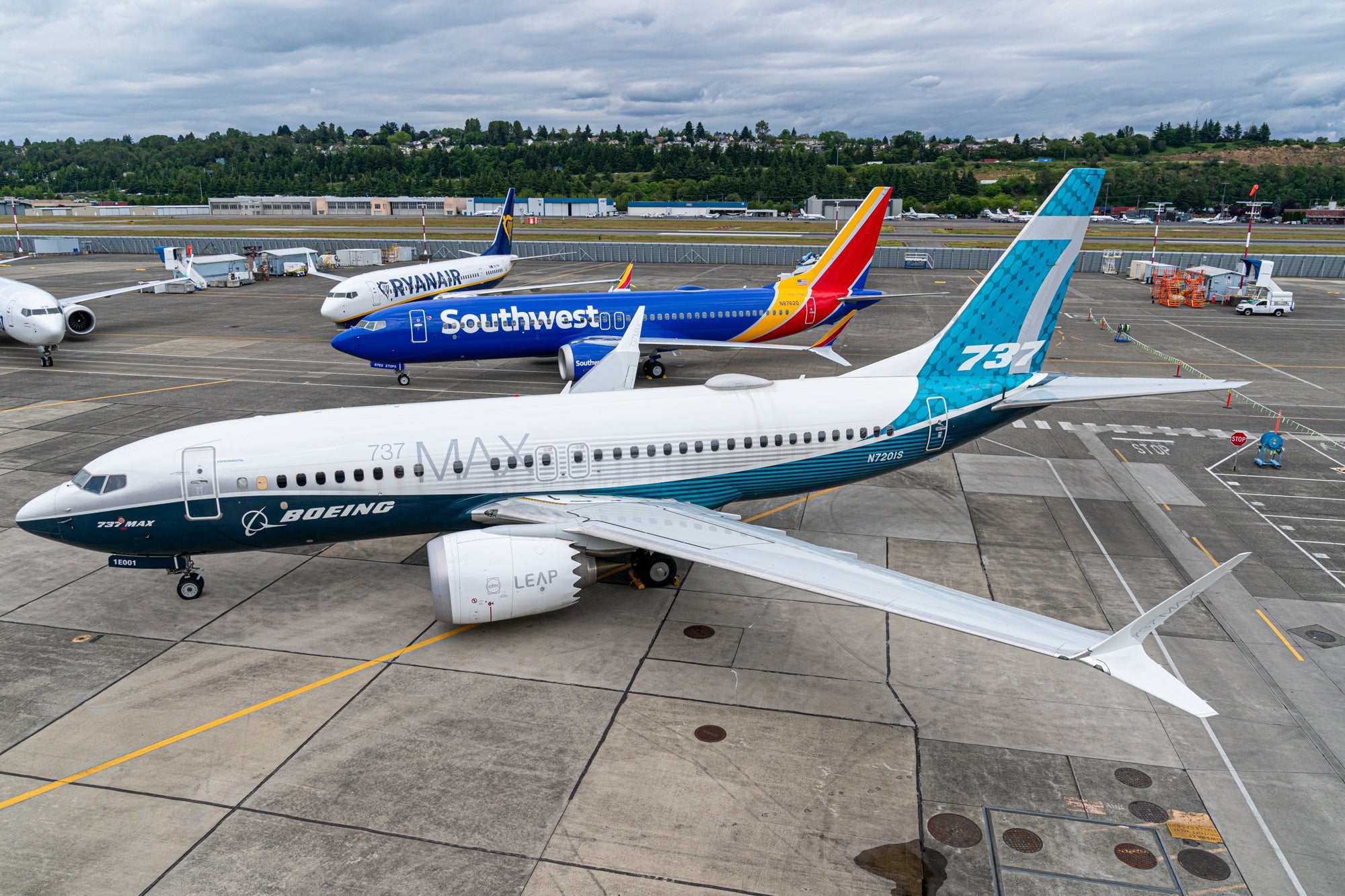
As Southwest Airlines prepares to integrate the MAX 7, the aviation industry will be watching closely. The success of this variant will be measured not just by its sales figures, but by its reliability and its ability to restore public confidence in the Boeing brand. With its 4,300-mile range and modernized safety systems, the MAX 7 is poised to become a staple of domestic and regional travel, finally stepping out from the shadow of the delays that have defined its development for nearly half a decade. For the thousands of Boeing employees and the airlines that have waited years for this moment, the FAA’s green light represents more than just a certificate; it represents the long-overdue completion of the 737 MAX family.
