
 By admin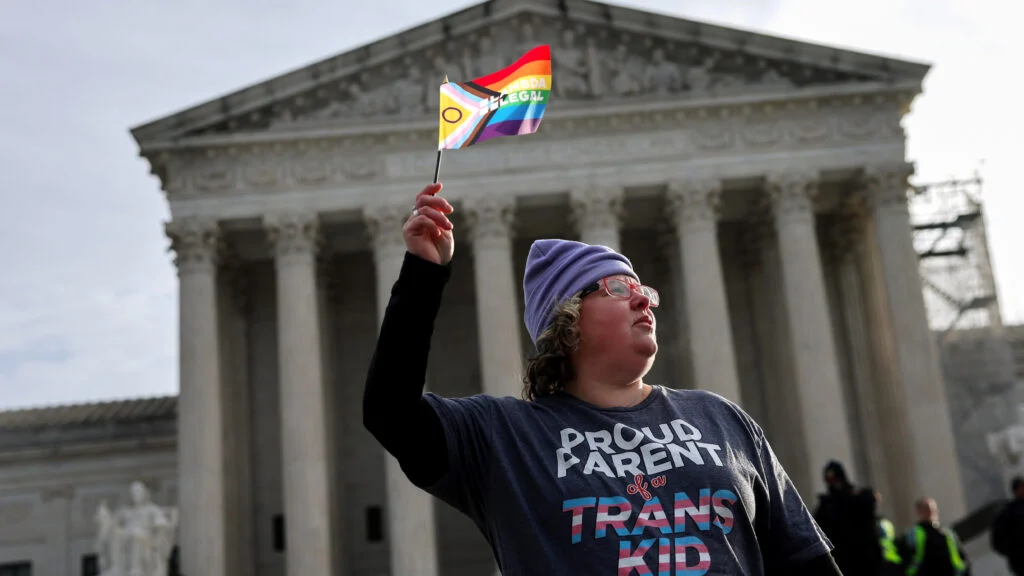
The procedural path forward for Dr. Fauci is fraught with significant legal peril. Following the committee’s recommendation, the matter now moves to the full Senate floor. Should the chamber vote to hold him in contempt, the referral will be sent to the Department of Justice (DOJ). Under federal law, a conviction for contempt of Congress is a misdemeanor that carries a mandatory minimum sentence of one month and a maximum of twelve months in prison, along with potential fines reaching $100,000. While such prosecutions were historically rare, the recent incarcerations of former Trump advisors Peter Navarro and Steve Bannon for similar charges have set a contemporary precedent that the current administration appears keen to mirror.
The political stakes were further heightened yesterday when President Trump addressed the possibility of Fauci’s prosecution. Drawing a direct line between the treatment of his former aides and the current situation facing Fauci, the President noted that while Navarro and Bannon were "decent people" prosecuted for actions that were "never prosecuted before," Fauci’s alleged conduct is of a different magnitude. "When you see that happen, you think maybe he should," Trump remarked, adding that Fauci’s actions were "far more serious than a lot of crimes." This rhetoric underscores a shift in how federal law enforcement is being deployed against high-ranking officials.
The situation is complicated by the "preemptive" pardon previously issued by President Biden. Recognizing the likelihood that a future Republican administration would target the face of the pandemic response, Biden took the unusual step of pardoning Fauci before any charges were filed. However, legal scholars are currently debating the durability of such a pardon against new allegations of contempt or perjury that may have occurred after the pardon was granted. As Daniel Payne reports for STAT, the "prescient" nature of Biden’s concerns has now manifested into a full-scale legal confrontation, leaving the nation to wonder if one of the most decorated public servants in U.S. history will spend his retirement behind bars.
As the legal battle over the pandemic’s legacy intensifies, the Trump administration is simultaneously moving to fundamentally reshape the American social safety net, beginning with the early education program Head Start. On Thursday, the administration published a sweeping proposal aimed at "reducing federal bureaucratic burden." While framed as an efficiency measure, the proposal has drawn immediate and fierce condemnation from health and disability advocates who warn that the changes could dismantle the quality of care for the nation’s most vulnerable children.
The proposed rule seeks to rescind more than 1,400 regulatory provisions, replacing them with a decentralized, state-by-state approach. Critics argue this represents a total "roll-back" of almost every quality and implementation standard that is not explicitly mandated by statutory law. One of the most controversial aspects of the new plan is the requirement for English-only instruction, a move that advocates say will alienate non-English speaking families and hinder the cognitive development of dual-language learners. Furthermore, by removing federal benchmarks for nutrition, curriculum, and teacher qualifications, the administration is effectively lowering the bar for what constitutes early childhood education.
For children with disabilities, the stakes are even higher. Currently, Head Start is governed by strict federal mandates that ensure children with special needs receive integrated services and specialized support. Under the proposed "streamlining," these requirements would revert to state standards, which are often significantly weaker than the federal protections currently in place. As the administration prepares to implement these changes, the education sector is bracing for a period of profound instability that could leave millions of low-income children without the high-quality start they were promised.
While the administration looks to the future of education, the public health community is looking back at a moment of profound trauma. August 8, 2025, marked a dark anniversary for the Centers for Disease Control and Prevention (CDC) in Atlanta. What began as a routine Friday afternoon turned into a scene of unprecedented violence when an active shooter opened fire on the agency’s campus, discharging hundreds of rounds into the buildings that house the nation’s premier disease hunters.
Daniel Jernigan, who served as the director of the National Center for Emerging and Zoonotic Infectious Diseases at the time, recalls the chilling moment the building began to shake. Initially mistaking the sound of gunfire for construction hammering, Jernigan soon realized the agency was under siege. The shooting was not merely a random act of violence; it was the culmination of years of escalating threats and vitriol directed at public health officials. In the aftermath, Jernigan resigned his post, a decision he reflects on as the agency marks one year since the tragedy. Today, the CDC remains an agency in mourning and under guard. Jernigan warns that while the CDC was built to respond to global biological threats, it has now become a permanent target for domestic political ones. The anniversary serves as a somber reminder of the physical risks now associated with a career in public science.
In the judicial realm, the Department of Justice is continuing its aggressive campaign against medical facilities providing gender-affirming care to minors. Connecticut Children’s Medical Center has become the third major hospital to reach a settlement agreement with the DOJ. The agreement follows a period of intense federal pressure that led the hospital to cease providing such care to patients under the age of 19 last summer. Under the terms of the settlement, the hospital will continue its moratorium on these services for an unspecified period, pay a significant fine, and establish a $500,000 fund for individuals who claim they were "harmed" by gender-affirming care previously received at the facility.
This settlement is particularly notable because pediatric gender-affirming care remains legal under Connecticut state law. The DOJ’s ability to force a settlement in a state where the practice is legal signals a robust use of federal authority to override local healthcare protections. Similar settlements have already been reached with Texas Children’s Hospital and the Cleveland Clinic, both of which were required to implement "detransition" services. However, experts note that the demand for such services may be minimal, given that transgender individuals represent a small fraction of the population and detransitioning remains an exceedingly rare phenomenon.
The details of the Texas settlement, released this Wednesday, have raised significant privacy concerns among civil liberties advocates. The agreement requires Texas Children’s Hospital to maintain a "Break the Glass List"—a confidential registry of every patient ever diagnosed with gender dysphoria or gender identity disorders. This list must be updated monthly and maintained for ten years, and the hospital is explicitly prohibited from removing individuals from the list, regardless of changes in their medical status. Unlike the Cleveland settlement, this data-tracking requirement suggests a more permanent and invasive level of federal oversight into private medical records, potentially setting the stage for future criminal probes into patients and providers alike.
Finally, the Trump administration has extended its reform efforts to the nation’s organ transplant system. Health and Human Services (HHS) Secretary Robert F. Kennedy Jr. has announced a crackdown on the Network for Hope, a Kentucky-based organ procurement organization (OPO). Kennedy, who has described the nonprofit as a "bad apple," moved to decertify the group following allegations of egregious safety failures and ethical breaches.
The most shocking allegation involves a predecessor organization of the Network for Hope, which reportedly pressured a hospital to proceed with organ retrieval from a patient who had begun showing signs of life. The patient, a man who had suffered a drug overdose, reportedly began to wake up as medical staff prepared to withdraw life support. Despite these "signs of life," the OPO allegedly insisted on moving forward with the retrieval process. The man ultimately survived, but the incident has sparked a national conversation about the oversight of the organ donation system.
Secretary Kennedy’s decision to decertify the Network for Hope is part of a broader mandate to overhaul the Organ Procurement and Transplantation Network (OPTN). While the nonprofit strongly disagrees with the decision and has vowed to appeal, the administration’s actions signal a new era of zero-tolerance for OPOs that fail to meet strict safety and ethical standards. As these various federal initiatives converge, from the prosecution of public health icons to the restructuring of early education and the regulation of medical ethics, the landscape of American health and medicine is undergoing its most radical transformation in decades.
